Article Contributed by Gratefulweb
Published on 2026-01-11

Bobby Weir | Madison Square Garden | photo by Howard Horder
Bob Weir lived his life in motion.
For more than sixty years, he chose the road—not as escape, but as calling. Night after night, city after city, Bob showed up with a guitar, a voice, and an unshakable belief that music only matters if it keeps moving. With more than 8,000 performances behind him, he remained, to the very end, a working musician in the truest sense: curious, committed, and present.
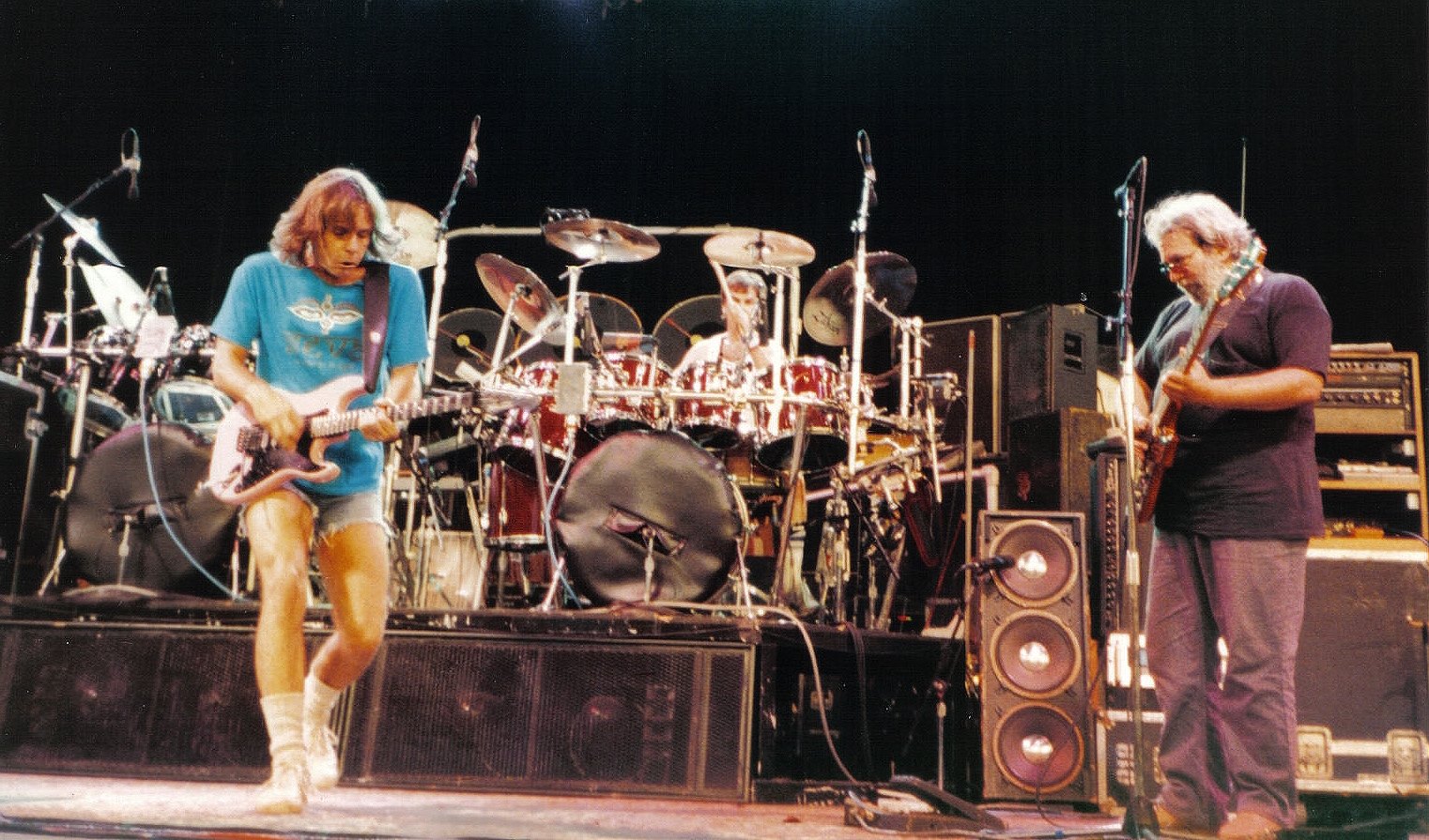
Bob came of age inside the Grateful Dead, a band that did not so much follow rules as dissolve them. While others bent sound outward, Bob built inward. His rhythm guitar quietly rewrote the language of rock music, breaking chords into fragments, syncopation, and counterpoint. He played the spaces between notes, creating a framework where improvisation could breathe. You didn’t always hear his work clearly—but you felt it holding everything together.
As a songwriter, Bob helped push American music beyond familiar emotional territory. His collaborations reached outward and inward at the same time, listening closely to both the world around us and the weather inside us. There was a sense of awareness in these songs—of cycles, consequences, love, loss, and responsibility. They asked listeners not just to feel, but to pay attention.
What Bob offered was never just performance. It was invitation. An invitation to wander, to question, to stay open. Over decades, that invitation became something larger than any band or catalog. It became a community—one built on shared listening, shared risk, and shared joy. Generations of fans learned how to belong to one another through the music Bob helped carry forward.
When the Grateful Dead came to an end, Bob did not treat the music as something finished. He treated it as something alive. Through RatDog, Furthur, Dead & Company, and Wolf Bros, he continued to reshape and reexamine the songbook, trusting it to grow with new voices, new tempos, and new ears. These were not farewell projects. They were continuations—proof that the music could age, deepen, and still remain vital.
In his final chapter, Bob embodied the same spirit that defined his life. He returned to the stage not to say goodbye, but to give once more—to offer light, resilience, and presence. Those performances were not endings. They were gifts. A reminder that choosing to keep going, on your own terms, is its own form of grace.
There is no final curtain here. Only the image of someone setting off again. A road bending out of sight. A rhythm still moving forward. A songbook entrusted to the future.
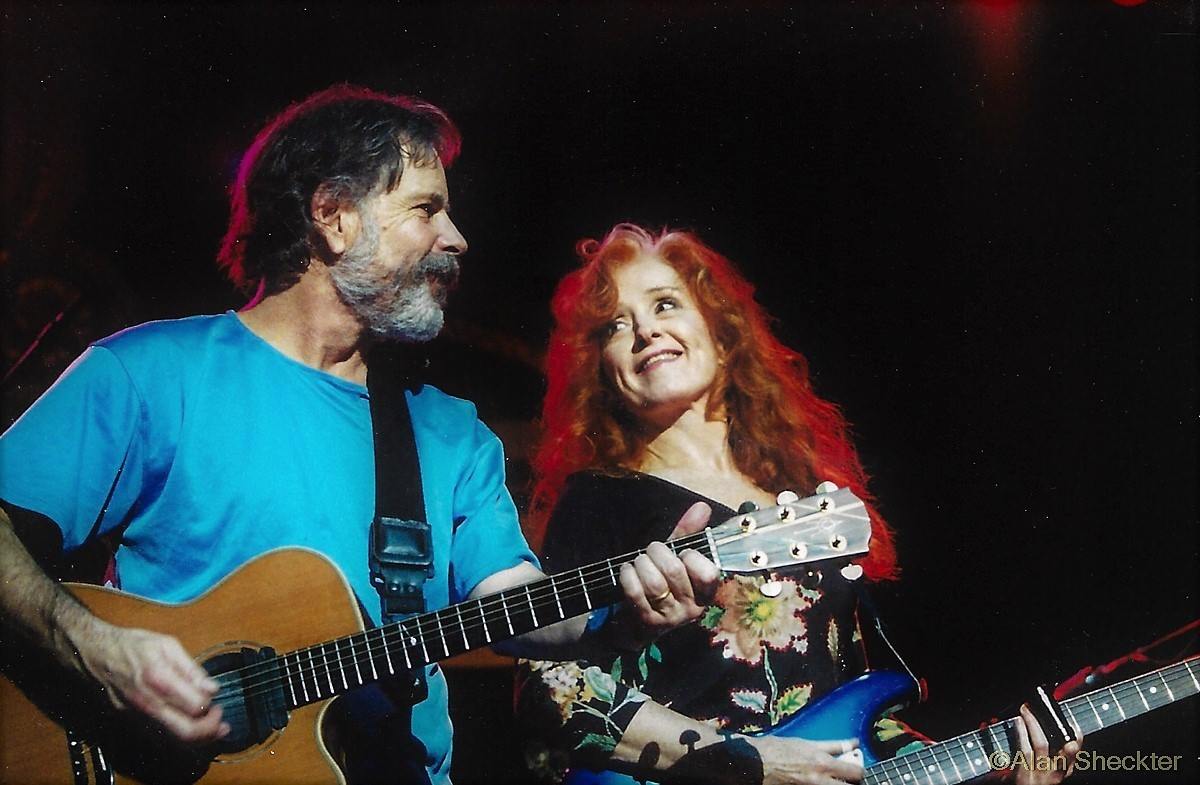
Bob Weir changed the musical landscape forever—not by standing above it, but by walking through it with intention, humility, and courage. The music he helped shape will continue to teach us how to listen, how to gather, and how to keep moving with open hearts.
We listen.
We remember.
And we carry it on.
— Grateful Web