Article Contributed by Gabriel David Barkin
Published on 2026-01-30
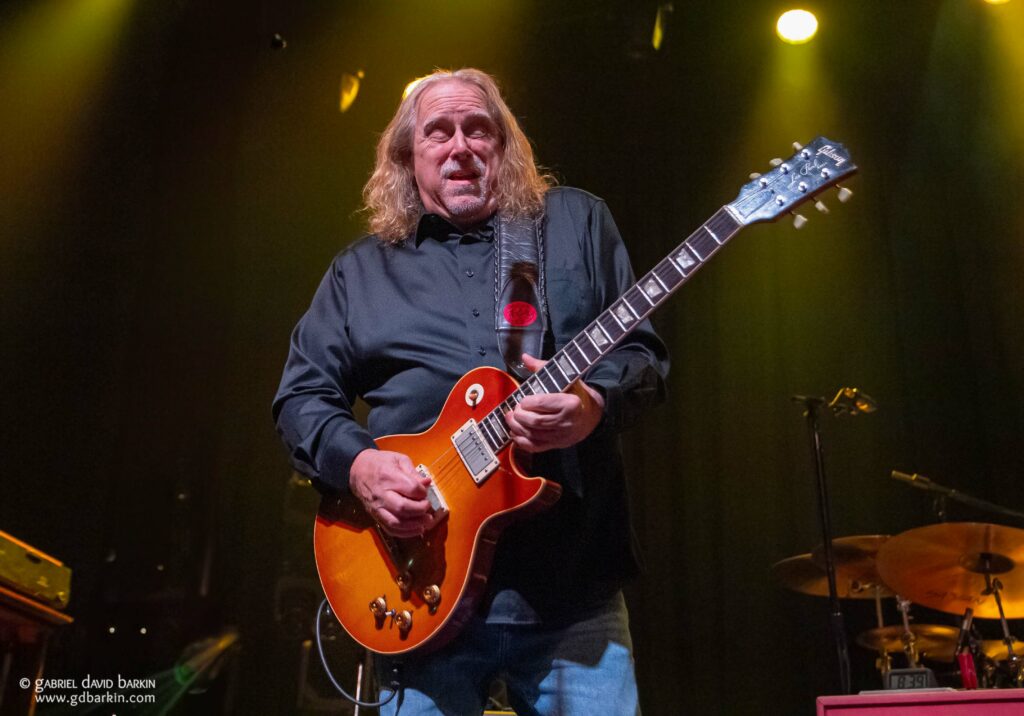
Warren Haynes has a résumé that reads like a fantasy guitarist summer camp wish list. He was a longtime member of the Allman Brothers. He played for several years in The Dead (one of the many post-Jerry Garcia incarnations of the Grateful Dead) alongside Bob Weir, Phil Lesh, Mickey Hart and Bill Kreutzmann. Haynes is also a founding member of Gov’t Mule, a first-tier jam band with bona fide headliner status. And those are just some of the most visible parts of a very prominent musical iceberg.
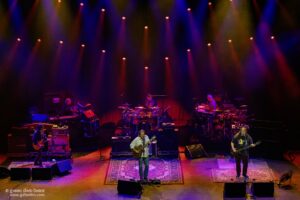
The new year is starting off with a bang for Haynes. On January 30, he’s dropping a remixed and remastered version of his debut 1993 solo album Tales of Ordinary Madness. Soon thereafter, he’s embarking on a series of shows billed as “Winter of Warren 2026,” which includes a series of solo acoustic dates and then several appearances with the Warren Haynes Band. As if that wasn’t enough, Haynes will follow those gigs with some Gov’t Mule shows in the spring. (Visit https://warrenhaynes.net/tour and https://mule.net/tour for dates and more information.)
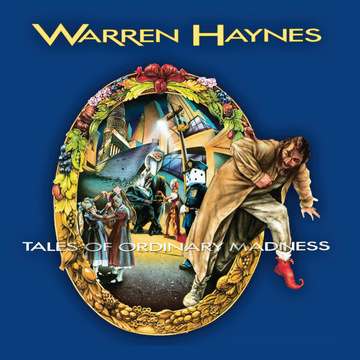
I talked on the phone with Haynes this week about the refreshed version of his debut album, his upcoming shows, and his time playing with the Allman Brothers and members of the Grateful Dead. In addition, with Bob Weir’s death close behind us in the rear view mirror, Haynes graciously provided some eulogizing thoughts about his former bandmate, asserting with both fondness and confidence that “It's hard to overstate [Weir’s] place in the music pantheon.”
It is equally hard to overstate Hayne’s own musicality, creativity, and productivity. He’s the Energizer Bunny of the jam scene!
The following interview has been edited for clarity and brevity.
Warren Haynes [WH]: Hello.
Gabriel David Barkin [GDB]: Before we get going, where are you now? Are you on the road somewhere?
WH: I'm actually home until the 11th of February, and then I leave to head your way.
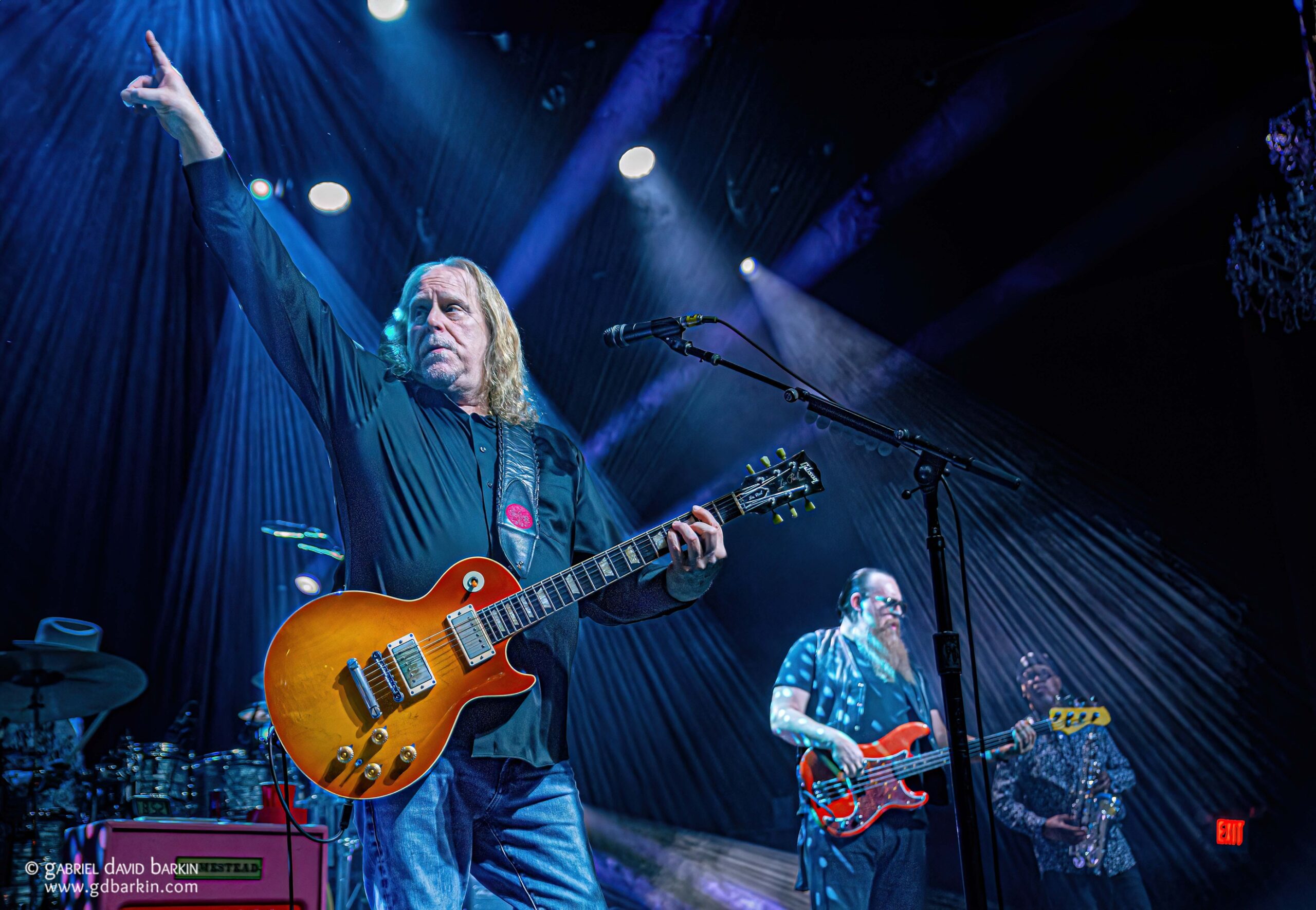
GDB: That's right. Yeah, I'm gonna be seeing you at the Fillmore in San Francisco, hopefully pointing a camera at your face from the pit for a couple of songs. I'm really looking forward to that.
I want to talk about your re-release of your debut solo album. Your PR says it’s a “remixed and remastered version.” I don't think it's “Taylor's version.”* It doesn't sound like you went back in the studio and remade it. But you did refresh it. What made this a project you wanted to tackle? Why right now?
* Taylor Swift famously re-recorded several of her early albums to regain control and ownership of the master recordings.
WH: Well, I've always wanted to remix that record. I was happy with the way it was mixed at the time, but this was 1992, when records still had a little holdover from the late 80s-early 90s sound –there was a lot of reverb, a lot of EQ, a lot of processing. I always wanted to remix this in a drier, more organic sort of way. So a year or so ago, I ran into Missi Callazzo, the owner of Megaforce Records. I brought up that I had been thinking about that, and she smiled and said, “Yeah, I've been thinking about that too. Why don't we do it in honor of the 30th anniversary?”
So we contacted Jim Scott, who is a wonderful engineer, mixer, and a good friend. He did a great job with the remix. And we were able to include a bonus track of the song “Tear Me Down” that was recorded during that time but didn't wind up on the record.
GDB: I want to ask more about that song. But first, what was the process like going through those tracks from over 30 years ago? Did you discover things that you'd forgotten about the songs? Did you find new things in the songs you never realized were in there?
WH: There were a few ideas, you know, like certain songs where maybe I wanted the guitar to sound a little bit different or the vocal to sound a little bit different. But overall, it was just the general sound of the mix that I wanted to change and make it a little more organic. We didn't really change the arrangements or who was being featured where or any of that kind of stuff. But when we went back and listened to the tapes for “Tear Me Down,” that song was not complete. We never did finish it. We had recorded Bernie Worrell on Clavinet and Randall Bramlett on saxophone right at the final hour, but we had never gone through everything and decided what was going to be used. So hearing that was hearing it for the first time in 30 years.
It was always one of my favorite tracks for that record, [but] we didn't complete it because were over budget and out of time. It was just a financial decision. So being able to complete that meant a lot to me.
GDB: It is a great track. I listened to it a couple of times today, and I was really grooving on the Clavinet and the sax. It's got a little Stevie Wonder-ish kind of groove. It's really different than the Gov’t Mule version that you put out about eight years later. So that’s a bonus for people who listen to the remastered album.
I want to mention your last record too, the stripped-down Whisper Sessions, which includes some of the songs from [Haynes’ 2024 album] Million Voices Whisper, but rearranged in an acoustic guitar format. There's kind of parallel here with your reengineered debut record in that you're revisiting some older material with fresh eyes and ears. That leads me to ask about the first leg of your “Winter of Warren” solo tour. What's it like for you when you're on stage playing acoustic versions of songs that were recorded electric with bands? How does your mindset wrap around playing solo versus playing with a bunch of different people?
WH: Well, it's a whole different approach. It's like featuring the singer-songwriter side of what I do. There's not a ton of room for virtuoso guitar playing – although I try to do as much guitar playing as possible over the course of the night. But it's really more about the songs and my voice. And shining a light on where [the songs] started out before they became band arrangements.
For me, it's really fun because I can draw from so many different aspects of my career. I can do Allman Brothers, songs from my solo records, Gov’t Mule songs, songs that I wrote for other artists, cover songs. It can be whatever – and I don't have to worry about rehearsal or arrangements, because when you're by yourself, you can kind of just do it however you feel it at the moment.
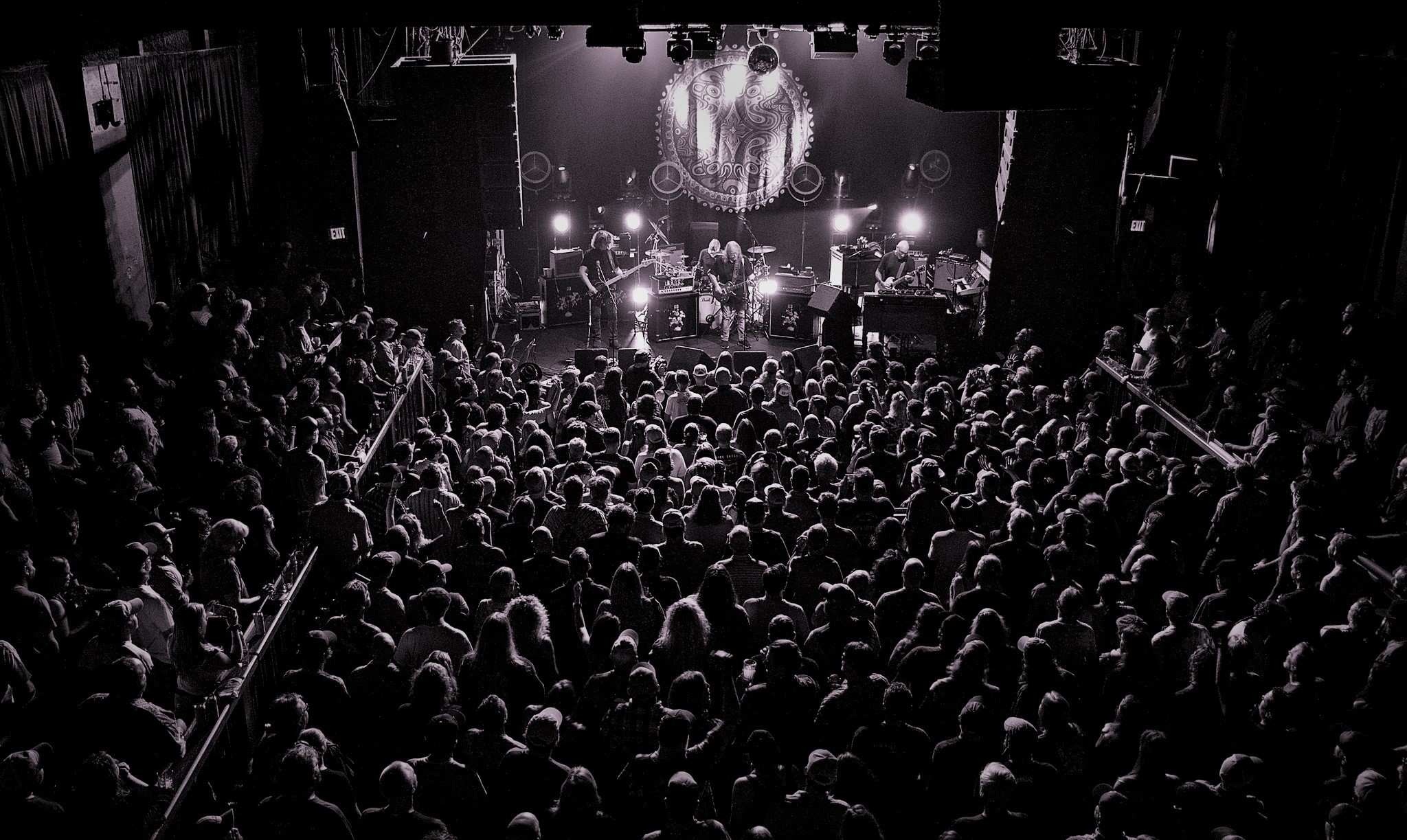
It's going to be interesting because there's a handful of solo dates, and then there's dates with Warren Haynes Band. And then eventually, there's some Gov’t Mule shows. So I'm kind of gonna be bouncing back and forth, covering a lot of different ground. Which is fun for me because it keeps me from getting bored with whatever's going on at the moment. [And] it’s always fun for me to express myself in different ways.
GDB: Like I said, I'm looking forward to experiencing some of that.
Switching gears – you played a set with JRAD [Joe Russo’s Almost Dead] at the Capitol Theater a few weeks ago, just a little over a week after Bob Weir died. I listened to the audio of that show, and it was both emotional and phenomenal. I'm guessing it was at least a little bit of a cathartic experience getting to play some Bobby songs in the wake of his passing. Can I ask you to tell me what you're really going to miss about Weir and what he meant to you?
WH: Bob and I became close going all the way back to 2001. And it was an honor to play with him all those times that we did. He was a fun guy to hang out with. Great sense of humor, a great outlook on life.
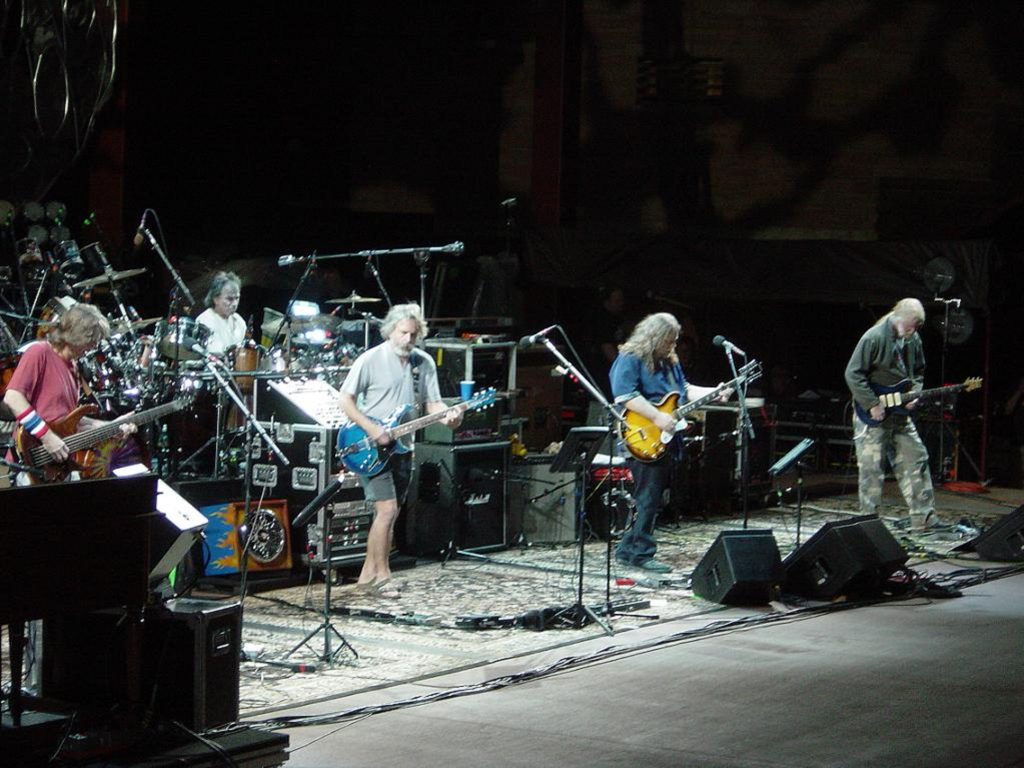
The last time that we played together in any official capacity was for a private event where me, Bob, and Dave Matthews all wound up on stage. It was such an interesting, cool blend of voices and personalities – we were actually talking backstage about trying to find the time to do something like that. Maybe even a short tour or something. It was very refreshing the way it all came together organically.
Bob was quite the character. And it's hard to overstate his place in the music pantheon. He wrote some amazing songs. He was such a key part of the Grateful Dead's unique sound and chemistry. People are going to be covering those songs for a hundred years.
I think in all the times that we played together, he never approached anything the same way twice. He was always looking for tonight's version to be different than it had been prior. He never thought, “Hey, let's just do it like we did it back way back when.” It was always [about] figuring out a way of reinventing it – whether it was something you talked about or whether it just happened naturally and organically. He was always moving forward, and always with an extremely positive attitude.
GDB: You played with Weir and also Phil [Lesh] in The Dead, and I think it’s a good guess that you also may have played in more different Phil and Friends lineups than any other guitar player. Was there anything different about Bobby’s approach and Phil’s approach to playing Dead songs? Was there anything different about the way they each wanted you to interact with the music?
WH: Well, when I started playing with Phil in the late 90s, he had put together a list of musicians that he wanted to play with. It was quite a long list. He called me and asked me if I would be interested in coming to California and spending a few days rehearsing and doing a few shows. And when I got there, the first thing that he conveyed to everyone, myself included, was that he was looking to reinterpret and reinvent the Grateful Dead catalog. He didn't want to do anything the way it had been done before. He didn't want anybody to play or sing like Jerry. He didn't want anybody to play any of Jerry's signature parts. He wanted everybody to bring their own personality to the table and reinterpret the songs even more so than had been done in the past.
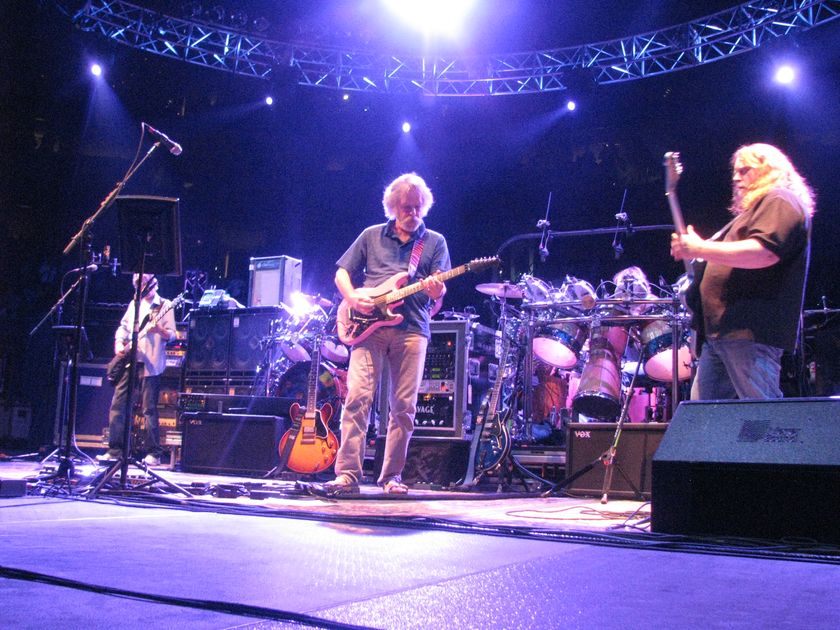
His thought, and rightly so, was that the catalog and the songs speak for themselves and can be interpreted dozens of different ways. Let's push the boundaries on that and see what happens. So my mission, according to what [Lesh] wanted – which came naturally to me as well – was to find a way of coming at each song with a different angle.
Later, when I started working with Bob and The Dead, it was similar. But there were certain things that he wanted to approach in a more familiar way.
I admire those guys’ tenacity about moving the songs forward and seeing how many different ways you can play them.
GDB: Of course, it all starts with the Dead’s music. It's such a rich tapestry of Americana, bluegrass, rock, and all that.
And of course, you’re no slouch either! You're an incredible musician and singer, and you’ve played in two of the most iconic bands in history (for those of us who look at The Dead as being part of the Grateful Dead's direct lineage and history). Can you think back to your early days, like maybe when you were playing with David Allen Coe, and reflect on whether it ever crossed your mind that such things lay ahead for you? Because that's like fantasy baseball camp stuff to me, like growing up to play in the majors.
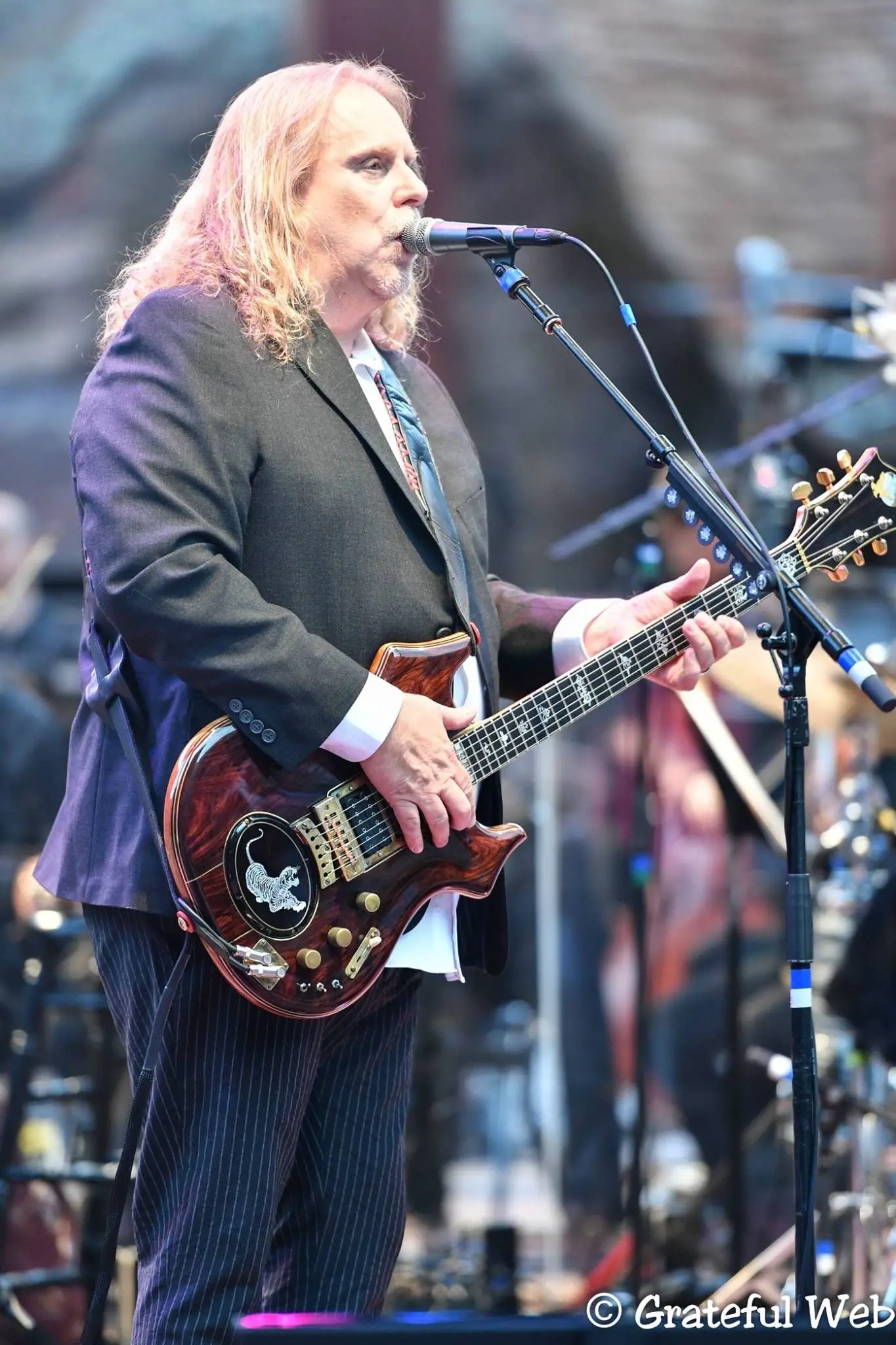
WH: No, it's nothing that you could predict. Although Butch Trucks told me a story one time that he’d met one of my teachers I’d had in my early days of school. She told him that I’d said I was gonna grow up to be the guitar player for the Allman Brothers. I don't remember ever making that statement, but he swore to me that was told to him.
You know, the thing that I think was a constant in my life was playing all sorts of music with an improvisational approach – playing many different types of music, but also as many different songs as possible. I always had an affinity for that from the very beginning. All the musicians that I hung out with, jamming and improv was such a huge part of everything we did and what inspired us. So I've never let go of my love for improv. I think once you go down that path, you don't really turn back. It's too stimulating and too addictive to stop.
But there's always got to be a balance between well-written songs and the improvisational chemistry of the band. The one thing that the Allman Brothers and the Grateful Dead both had was that balance. I always felt like one of those things without the other wouldn’t have the staying power or the timelessness or the uniqueness that the blend of both had. So that's always been my mission, to be able to achieve both of those things.
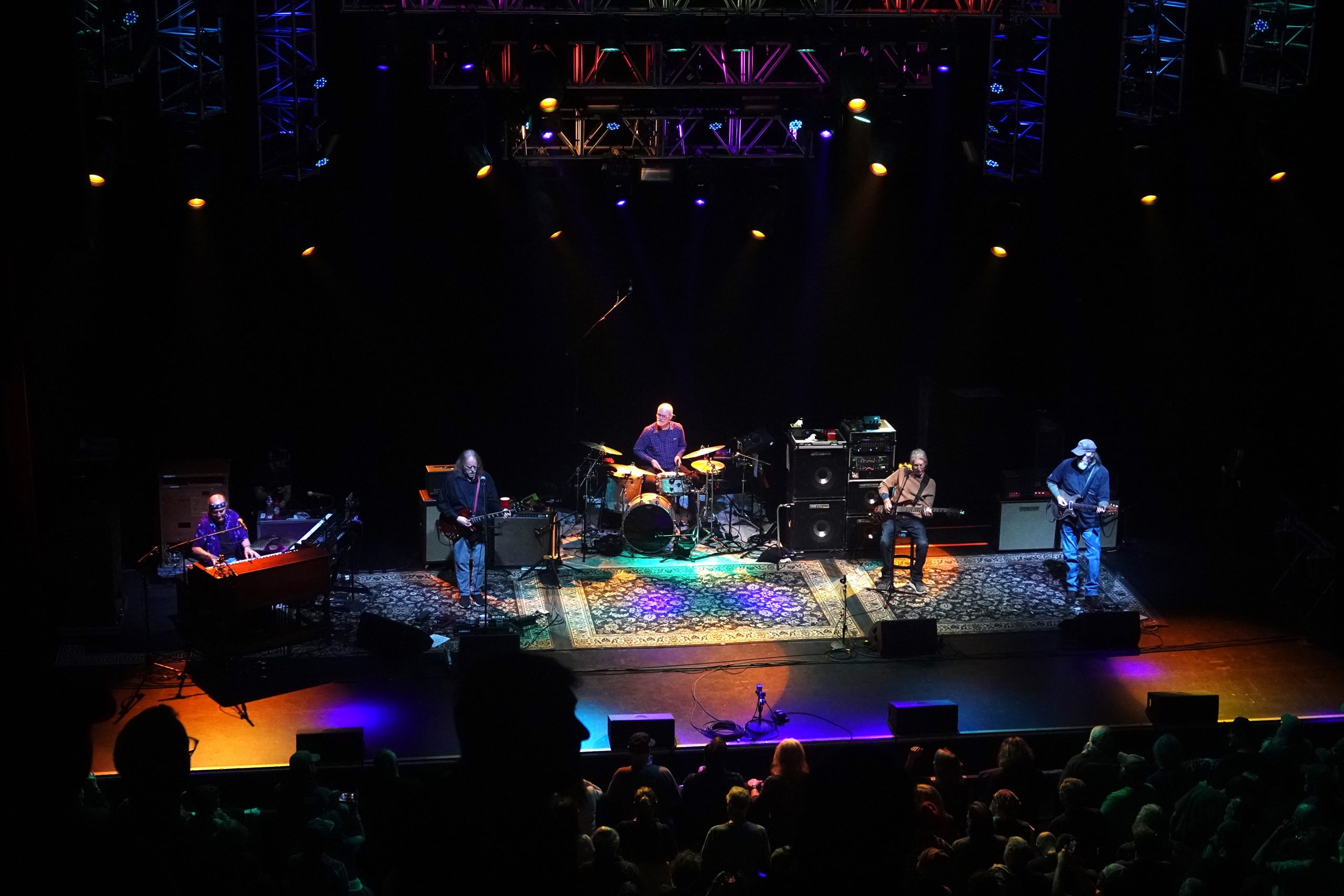
GDB: Well, I think you've achieved that!
What's next for you after the upcoming tours? Got anything in mind, maybe a new direction or a new project? I'll just throw one idea out – I was at one of those Madison Square Garden shows last year, the Brothers shows [a reunion of many Allman Brothers alumni including Derek Trucks, Chuck Levell, and Jaimoe among others]. It was just incredible. Any thought of taking that on the road?
WH: Well, I hope that we can do something at some point, even if it's just a show or two. Everybody has really busy schedules. But I think we all agree that it's just fantastically fun when we're able to do it.
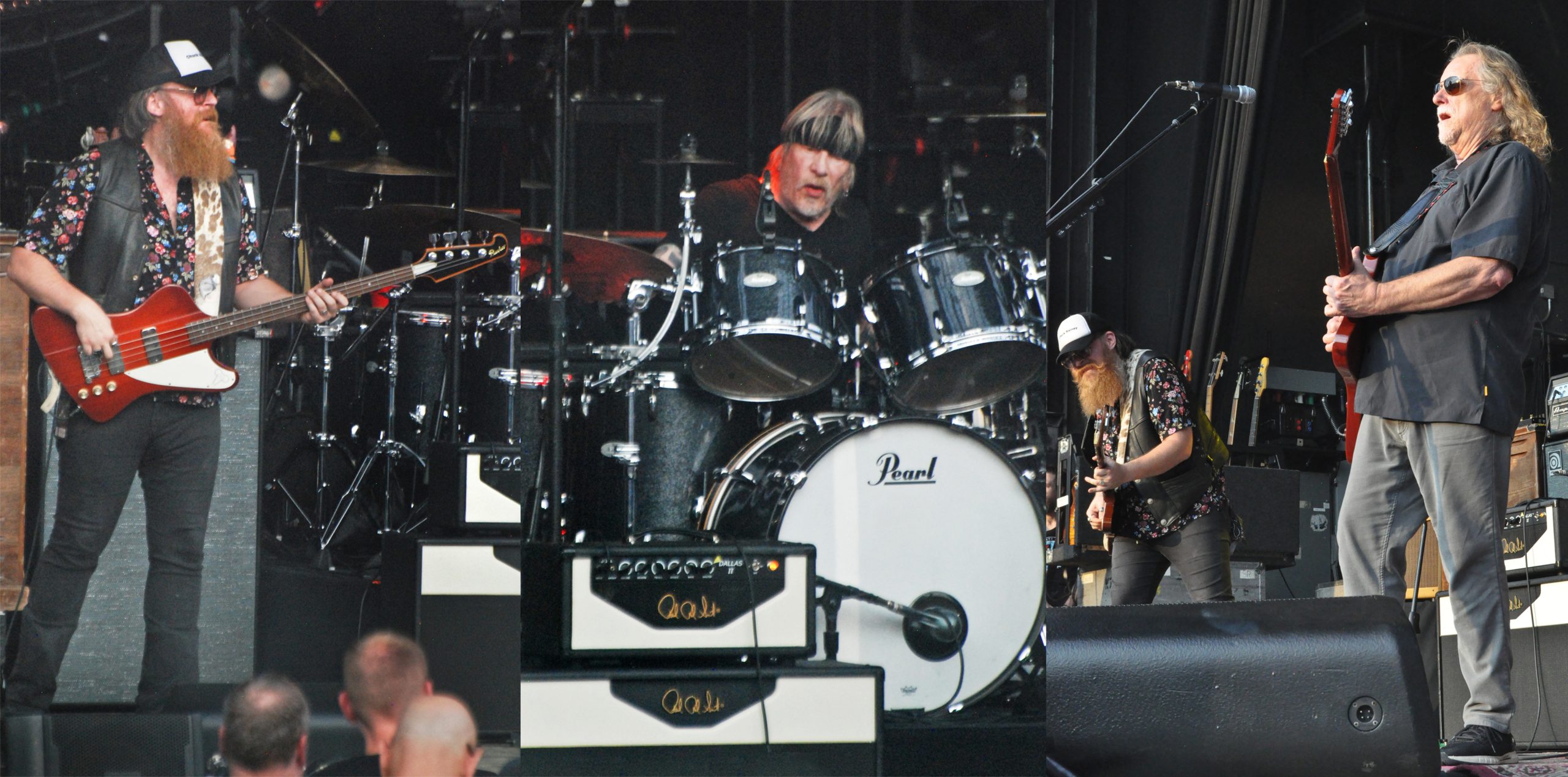
As far as what's next for me – from a recording standpoint, I'm just now starting to think about that. I love working with Kevin Scott, who is the new bass player in Gov’t Mule and also in my solo band. It would be great if we could do a Gov’t Mule record with him. I'm also thinking about the proverbial list of things that haven't been done yet. On that list for quite a while has been an instrumental jazz-influenced sort of record. I'm not sure if it would be a Mule record or a solo record with a bunch of guests. It's floating around in my mind.
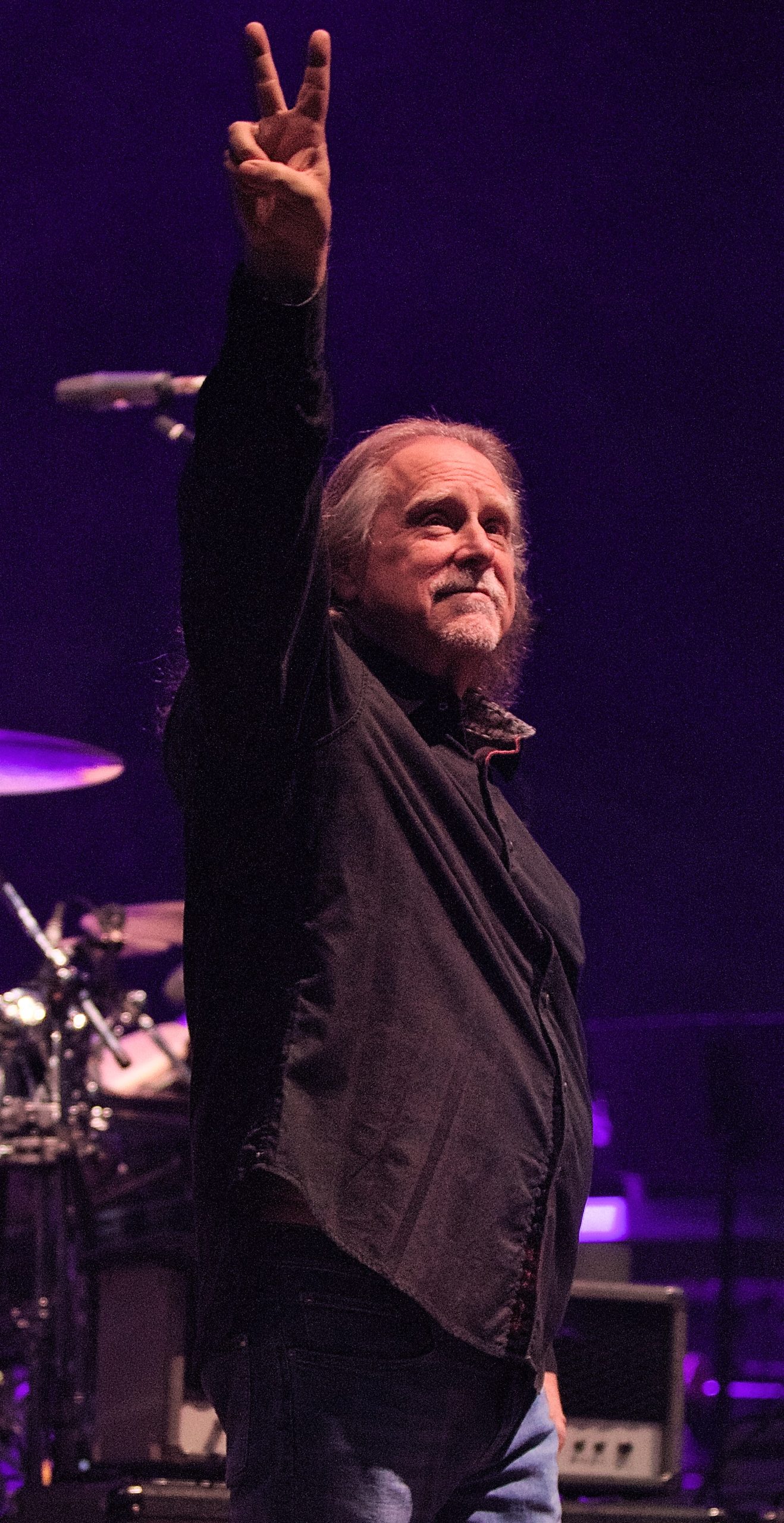
You know, I'm just really excited to be doing this tour. It allows me to express myself in so many different ways, which is really important to me. And I'm psyched to be releasing my first solo record, Tales of Ordinary Madness, in honor of its 30th anniversary. Also, we have plans to re-release the first Gov’t Mule record from 1995, remastered and with an entire bonus disc of unreleased outtakes and stuff that I'm really happy with. So I'm psyched about that as well.
Warren Haynes’ 2026 remix of Tales of Ordinary Madness can be purchased on LP or CD directly from https://warrenhaynes.themerchcollective.com/