Article Contributed by June Jameson
Published on 2026-02-25
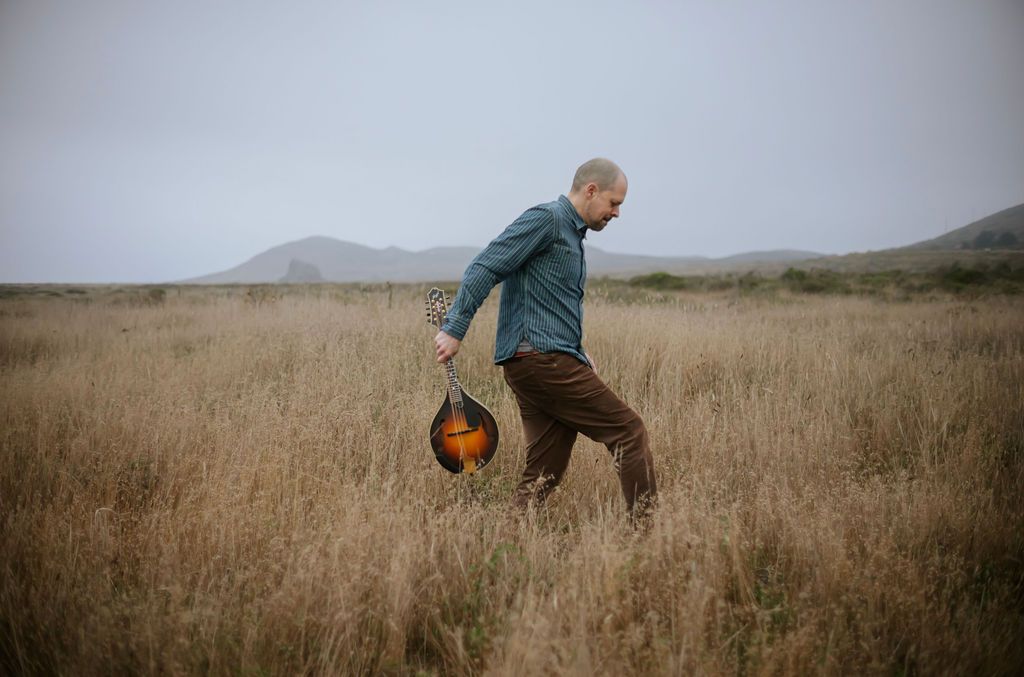
Photo: Courtesy of Jesse Appelman
This music will continue for 300 years. But what do we mean when we say that? Part of our family tree has been scorched. The work now isn’t about grafting new limbs onto old wounds. It’s letting the twigs be reborn on their own terms.
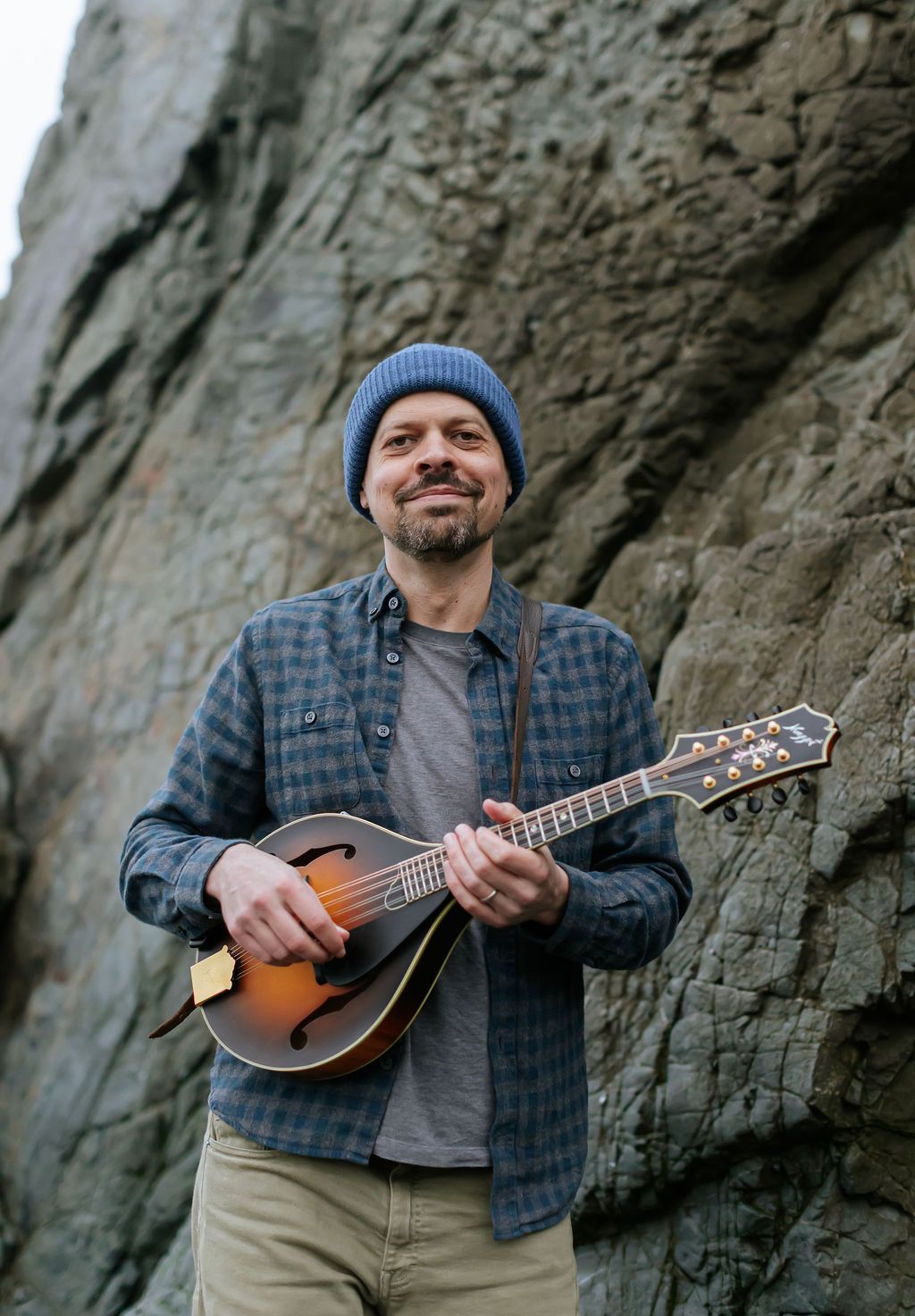
You may recognize Jesse Appelman from his work on mandolin touring with the Sam Grisman Project. This next generation offers comfort, but pedigree alone does not sustain tradition. What regrows is what matters. Deadheads understand this. They read the signs and search for meaning—meaning in feathers, shapes in clouds, red tail hawks overhead. Collaboration and conversation create improvisation to show us where the magic lives.
Jesse Appelman’s debut solo album Where We Go is an essential rebuilding, without rushing—an offering that is out now (as of February 20, 2026). Across the album, Appelman and his collaborators resist excess. The performances are tight without tension; the phrasing is an obvious nod to the masters without any sort of calcification. The album keeps the conversations going.
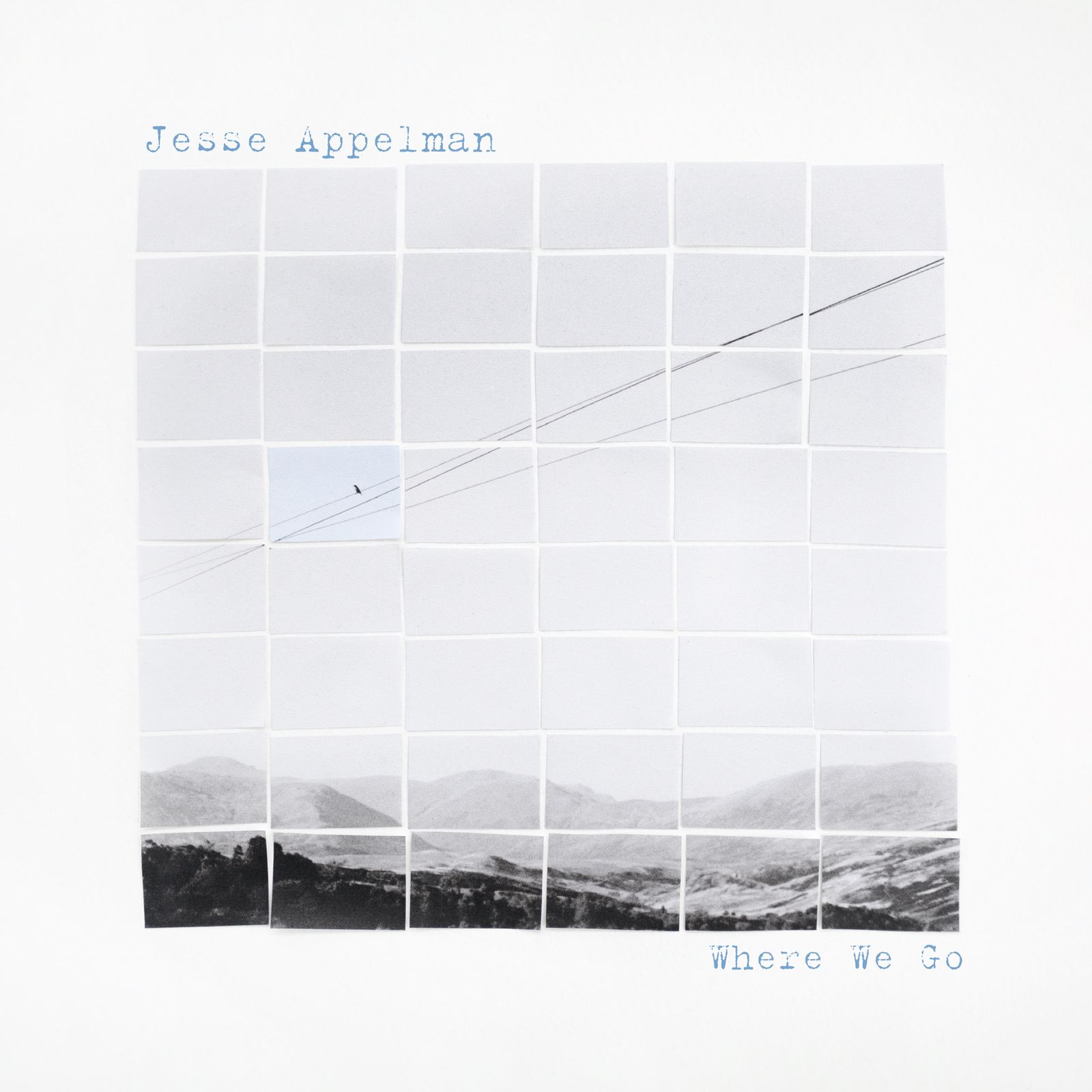
Where We Go answers the question of direction without any mazes, chutes, or ladders. These songs align with that West Coast stringband ethos. Let there be songs to fill the air. What strikes me most is the spacious surroundings afforded in this album. There are restraints, limited lyrics, June bugs, and strawberries.
The core band includes Eli West, Sami Braman, and Emily Mann, with special guest spots from AJ Lee, Allison deGroot, Laurie Lewis, Caleb Klauder, Reeb Willms, Mike Witcher, and more.
As a person who loves words, it's hard to admit that sometimes words fail. This album has that pure Americana feel, and when lyrics appear, they aren’t corrosive. I love the unorthodox, but right now I’m reaching for shaker hymns and holy texts. This music is communal and grounding. These are songs that could support a hora, a contra, a folk dance revival. It’s strumming that soothes and coaxes neighbors from behind fenced-in garages.
There is sustenance here—bending, never breaking. It feeds the spirit without fanfare.
Track Highlights
Valley Springs — The album opens with a modest invitation. It’s a 3.5-minute composition that feels like whistling while you work. The climate suits my clothes as we pass through the landscape it paints without words. It’s the weather passing on through as we glide over gullies and bike over bluffs. It’s the opening track that contemplates the mystery of vibrations.
Glacier Song — This track was premiered by The Bluegrass Situation. Perhaps being the first track I feasted my ears upon, it lingered longer in my jukebox mind. The chorus keeps circling back: “Where we go, I don’t know, where we go… I don’t know.” “Glacier Song” carries whimsy and childlike wonder—ashes, ashes, we all fall down. It’s a frolicking mondegreen for us wandering souls. It’s subtle enough for felicitous submission and soft enough to land.
Lyell Fork — This lyricless, sublime little ditty must be mentioned, for it goes without saying that an instrumental like this can say a lot without saying anything at all. The space is the message. I just adore that.
Freight Train — Punctuated by children’s voices, this track stirs forgotten innocence. The strums roll gently—not a Mack truck, but a ravine unfolding mile by gentle mile. From paddlewheel to paddleboat, we float. The bedtime story energy emerges: listen now children… Long ago, self-expression was the dream. Now we’ve arrived. Can you imagine a life without the wrapper of a technological straitjacket? I dream it true. The tempo makes it so.
So Close — This track showcases the mandolin, and she just shines. It begs the question—also to be left unanswered—so close to what? Is Jesse so close to arriving or quitting? So close to beginning again? There is a hinge between worlds, again, without saying a word. Breathing with each inhale, leaving with each exhale, this track breathes itself back into being. That trust becomes a defining feature of the album.
Lastly, the final track, #11, “First Notes.” Clocking in at almost five minutes, this track is the last cup of tea—the farewell that lingers as we part company. I don’t have the liner notes to check, but as John Mailander produced the album, I’d guess that is his violin speaking the first notes as we exit the album. This track has the warmth and the cohesion that trumps confrontation. It’s a proper Irish goodbye.
John Mailander described Where We Go as “a powerful document of human interaction and empathy in musical form.” I completely agree. It will appeal to fans of Andrew Marlin, Joe K Walsh, Tatiana Hargreaves, and any folks looking for a cool drink of seaside air.
In this often chaotic world we find ourselves living through, I often reach for music that gets me through. I need art that helps me cope. To process the constant whiplash is to reach for the calm wherever you may find it. Where We Go is that calm in the storm. It’s a tender bud in the springtime. It’s soft and sweet; it’s soothing like a sugarplum.
If there is a statement embedded in these songs, it's this: durability comes from care. Keep these songs alive, play them well, leave room for others to join. There is no single large anthem on this album, but rather an atmosphere of steady forward motion. These are tunes meant for picking around a campfire, passing along. It’s a fine stamp of a debut album for Jesse Appelman.
If this music is to last for another 300 years, Jesse Appelman has got it right when he simply keeps the melody moving along. It’s in that quiet persistence that a gem of a collection now exists. American music. Where We Go is a brand new record grounded in landscape, lineage, and the act of folks gathering to craft something that will endure.
Listen / Buy: Where We Go on Bandcamp