Article Contributed by Russell Levine
Published on 2026-06-28
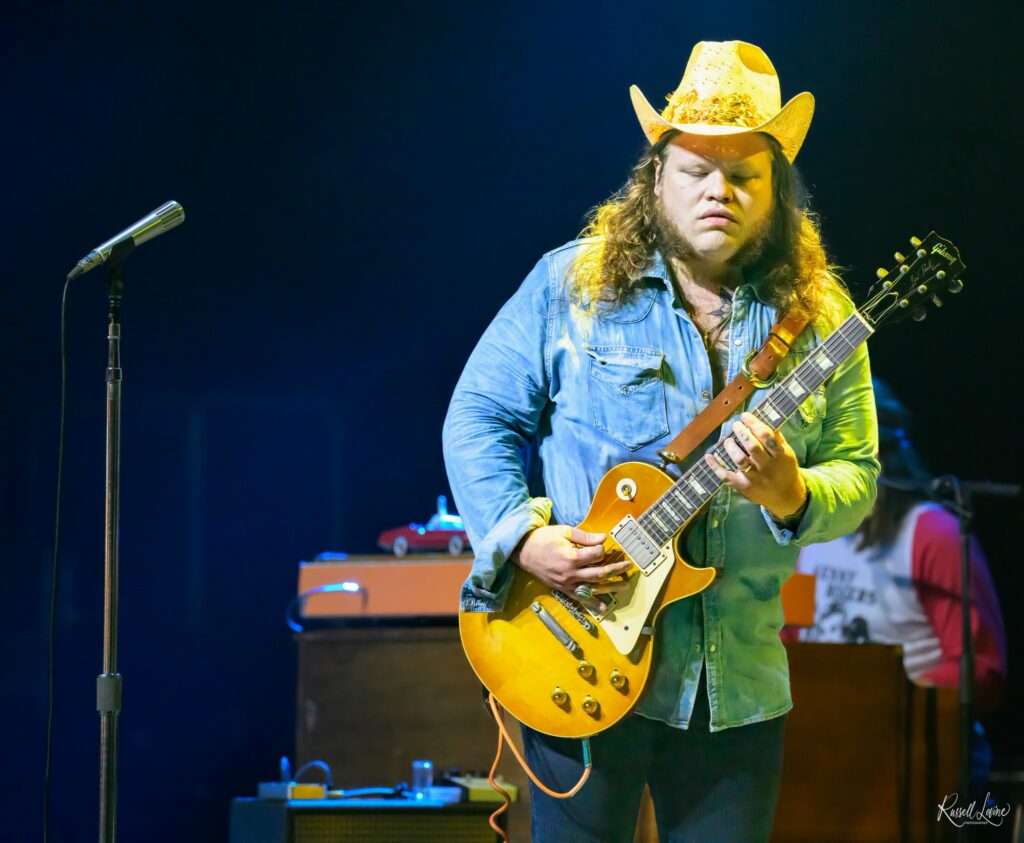
Marcus King | Boca Raton, FL | May 31st, 2026 - photos by Russell Levine
Boca Raton is not cattle country. It’s a carefully manicured kingdom of country clubs, waterfront estates, European sports cars, and restaurants where a valet parking ticket carries more prestige than a backstage pass. The sidewalks surrounding Mizner Park are usually a runway of linen shirts, designer dresses, and enough polished sophistication to make Nashville feel underdressed.
Then Marcus King came to town.
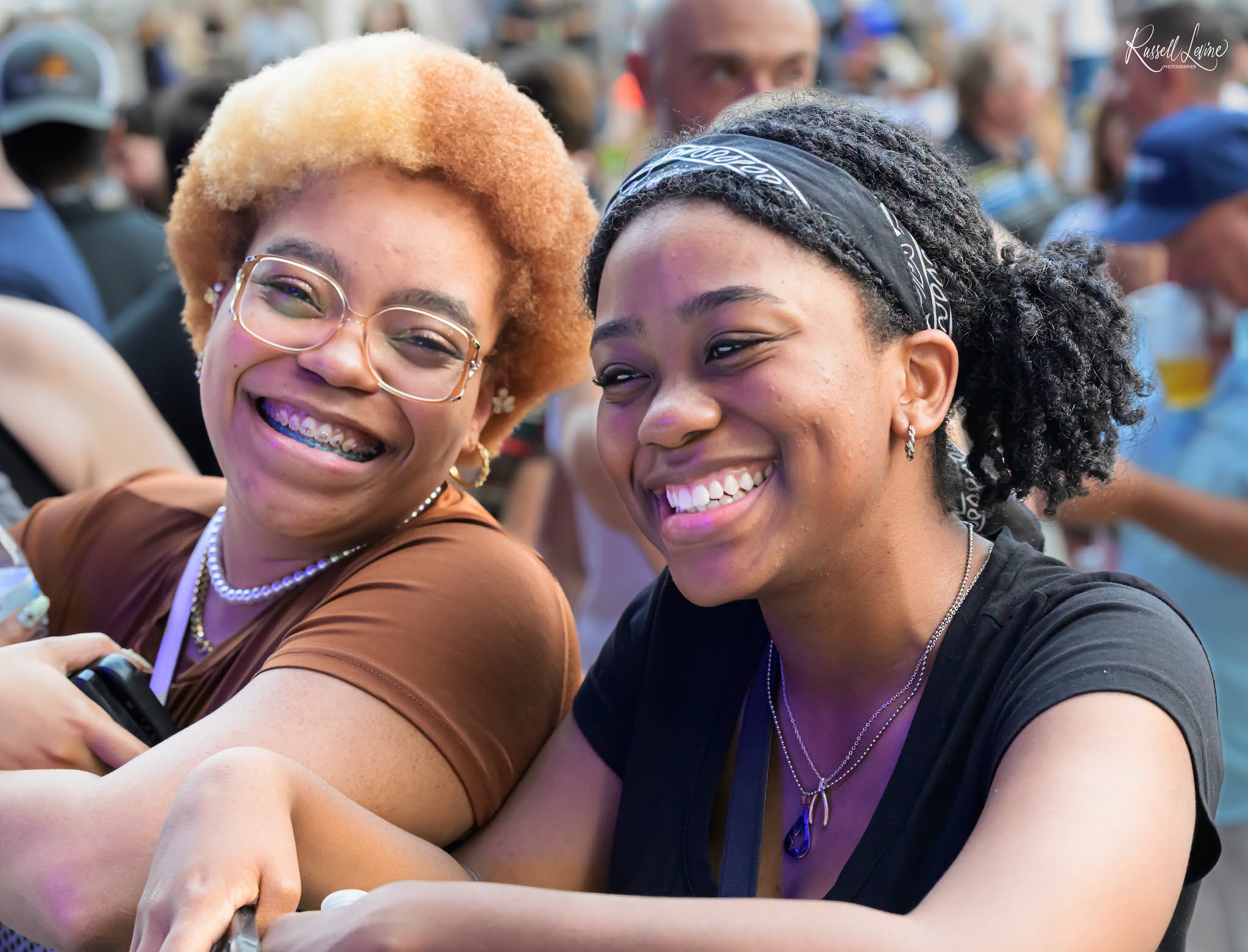
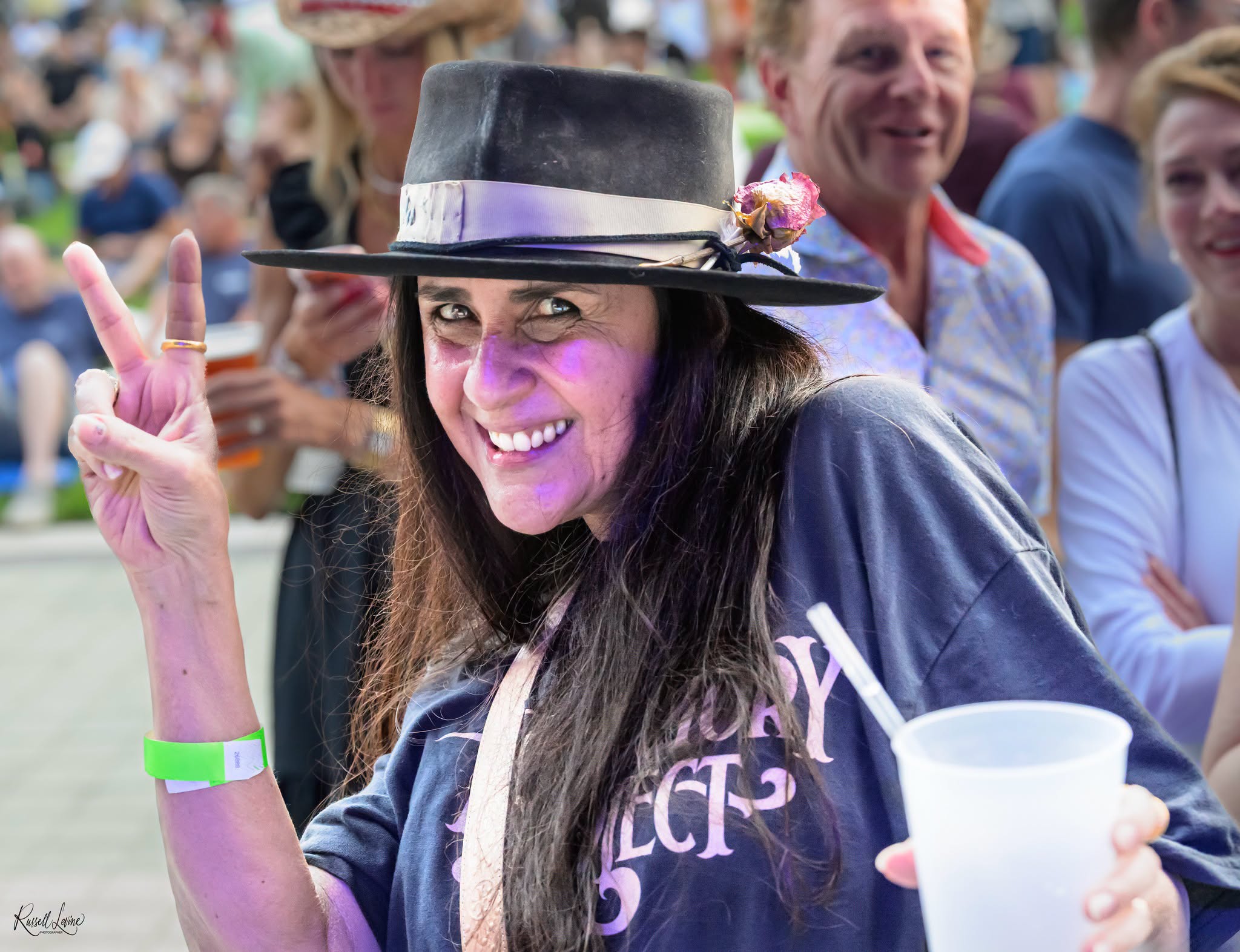
By sunset, something wonderfully peculiar had taken hold. South Florida had gone gloriously country. Cowboy hats floated through the palm-lined streets like tumbleweeds that had somehow wandered seven hundred miles east. Weathered cowboy boots clicked across the brick promenade where Italian loafers normally held court. Pearl snaps shimmered beneath the lights. Denim replaced designer labels. Couples wandered toward the amphitheater looking as though they’d taken a wrong turn somewhere outside Macon and accidentally ended up in one of Florida’s wealthiest zip codes.
The transformation was impossible to ignore. Diners lingering over expensive cocktails paused between conversations to watch the parade roll past. Some smiled. Some looked genuinely puzzled. Most simply stared as Boca Raton, if only for one evening, happily traded Palm Beach polish for Southern swagger. And that was before a single note had been played.
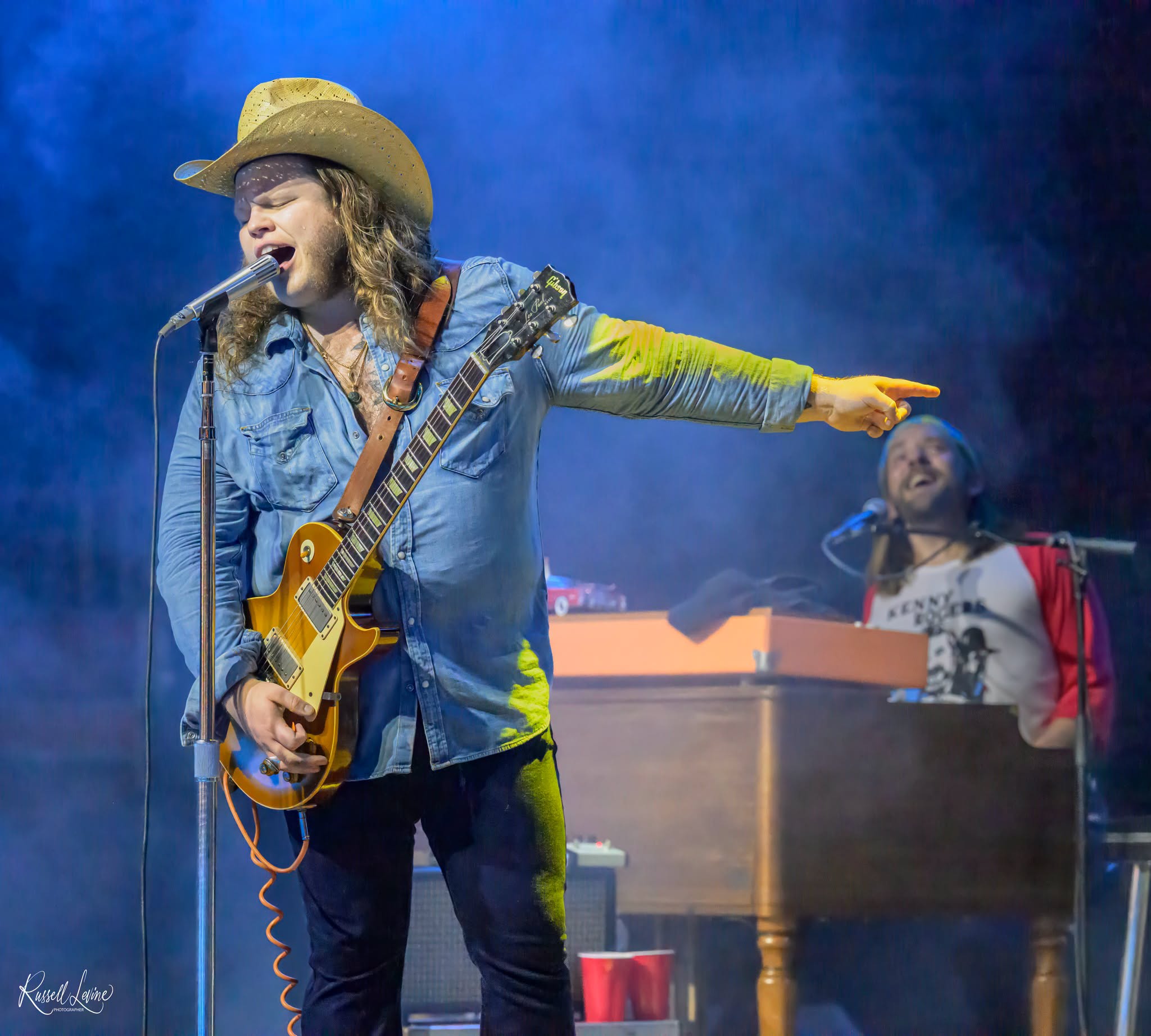
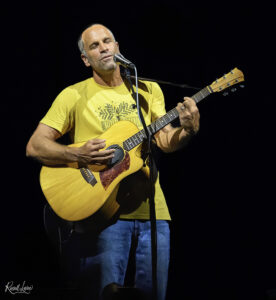
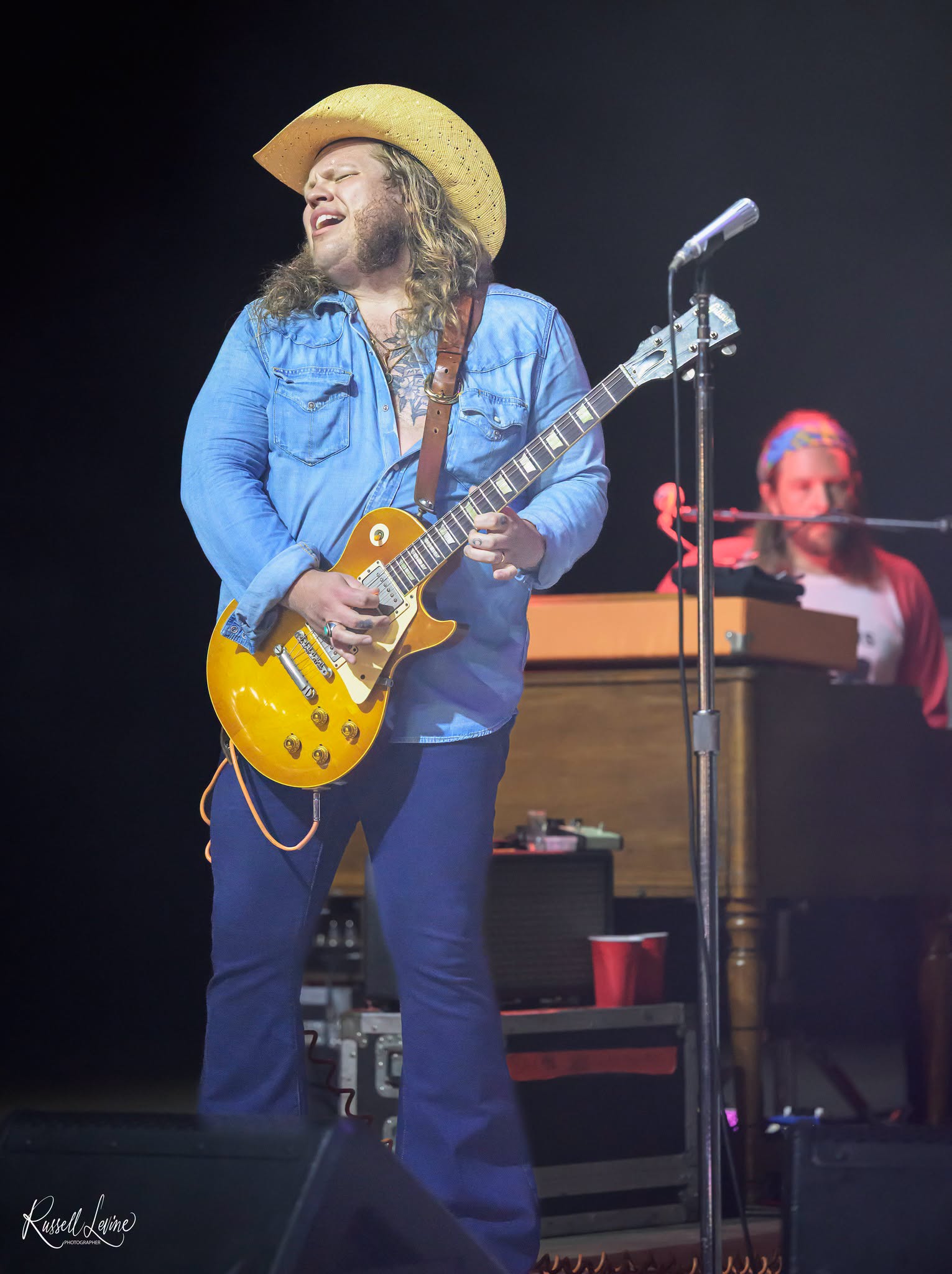
Marcus King didn’t explode onto the stage. He simply walked out, slung a Gibson Les Paul across his shoulder, nodded toward his band, and eased into “Rock My World (Little Country Girl).” There was no theatrical entrance, no oversized production, no unnecessary spectacle. He didn’t need one. The music would do all the talking. It always has.
For more than a decade, King has been celebrated as one of America’s most gifted young guitarists, but reducing him to that description misses the point entirely. Guitar virtuosos are everywhere. Social media is overflowing with musicians capable of playing a thousand notes a minute. Marcus King has learned that sometimes one note says everything.
That first sustained bend seemed to hang over Mizner Park long enough for the crowd to collectively exhale. Thick, warm, unmistakably Southern, his tone carried the unmistakable fingerprints of heroes like Duane Allman, Dickey Betts, B.B. King, Albert King, and Warren Haynes without ever sounding like imitation. The first note told you exactly who was playing.
There are faster guitar players. There are flashier guitar players. There aren’t many who sound like Marcus King.
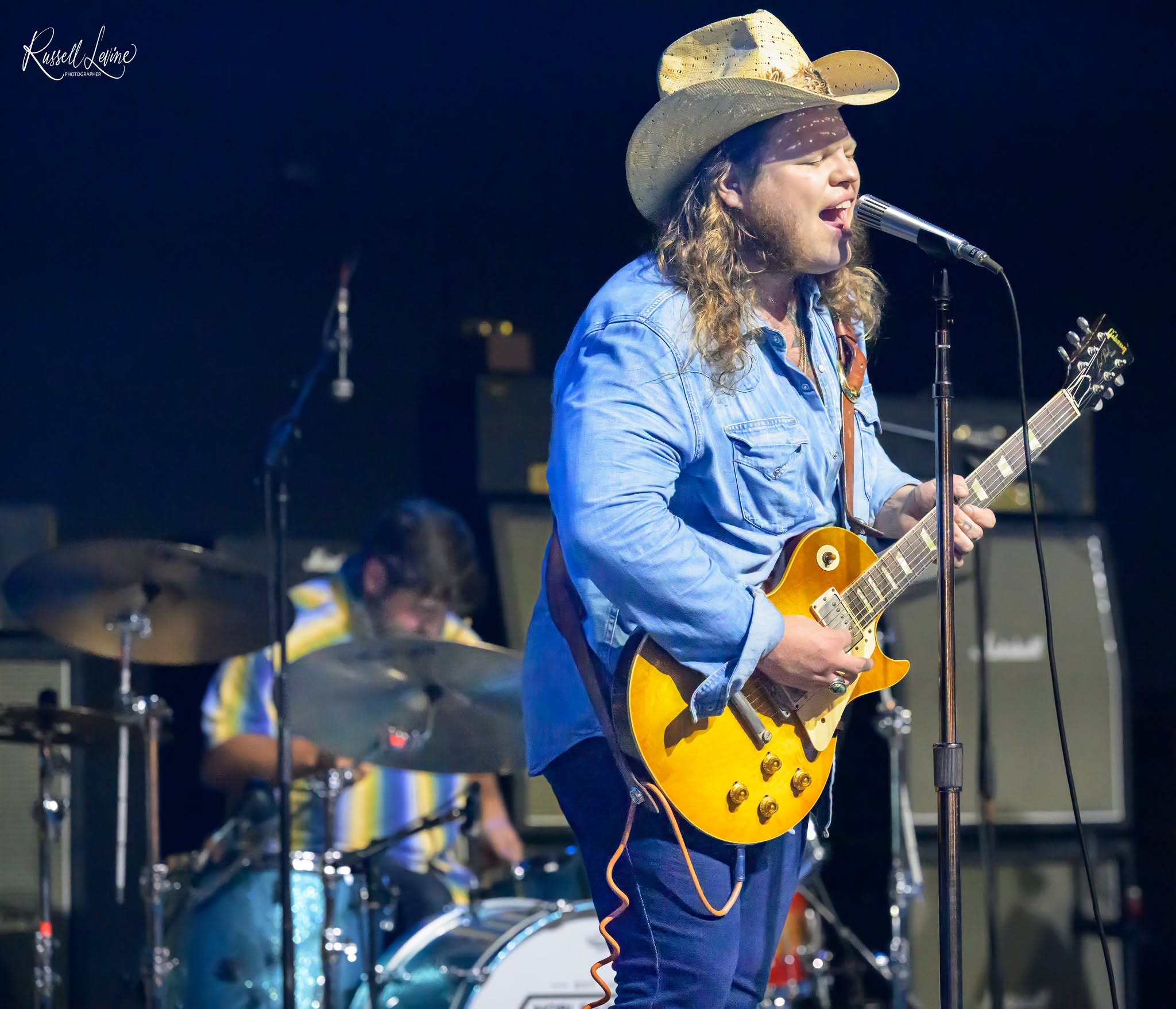
“Falling for the Devil” kept the momentum building before the haunting beauty of “Lilac Wine” settled over the amphitheater like twilight itself. Then the rain came.
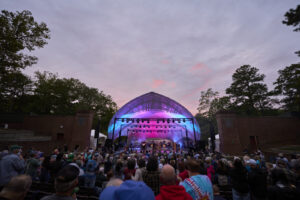
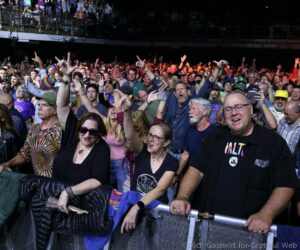
At first it was little more than a mist, the kind of passing South Florida shower that usually sends people scrambling beneath awnings and concession tents. Not this crowd. If anything, the first raindrops felt like permission. Cowboy hats tilted toward the sky. Boots splashed through puddles. Couples left their seats and found open space to dance. The aisles became dance floors. Friends wrapped their arms around one another and sang louder. Complete strangers exchanged knowing smiles as warm rain fell across Mizner Park.
The weather wasn’t interrupting the show. It had become part of it. Watching hundreds of people dance beneath the rain while Marcus King poured his heart into every lyric, it struck me that concerts like this remind us why live music matters. Nobody cared about getting wet. Nobody was checking the radar. For two hours, the only forecast that mattered was coming from the stage.
King rewarded that commitment with one of the evening’s biggest surprises. Midway through the set came the first performance of “Delilah – Nashville Version” on the Darling Blue Pt. 2 Tour. There was no announcement explaining its significance. The band simply slipped into the arrangement with the confidence of musicians who trusted the song to speak for itself. It felt simultaneously fresh and familiar, a subtle reminder that King’s music continues to evolve instead of simply repeating yesterday’s successes.
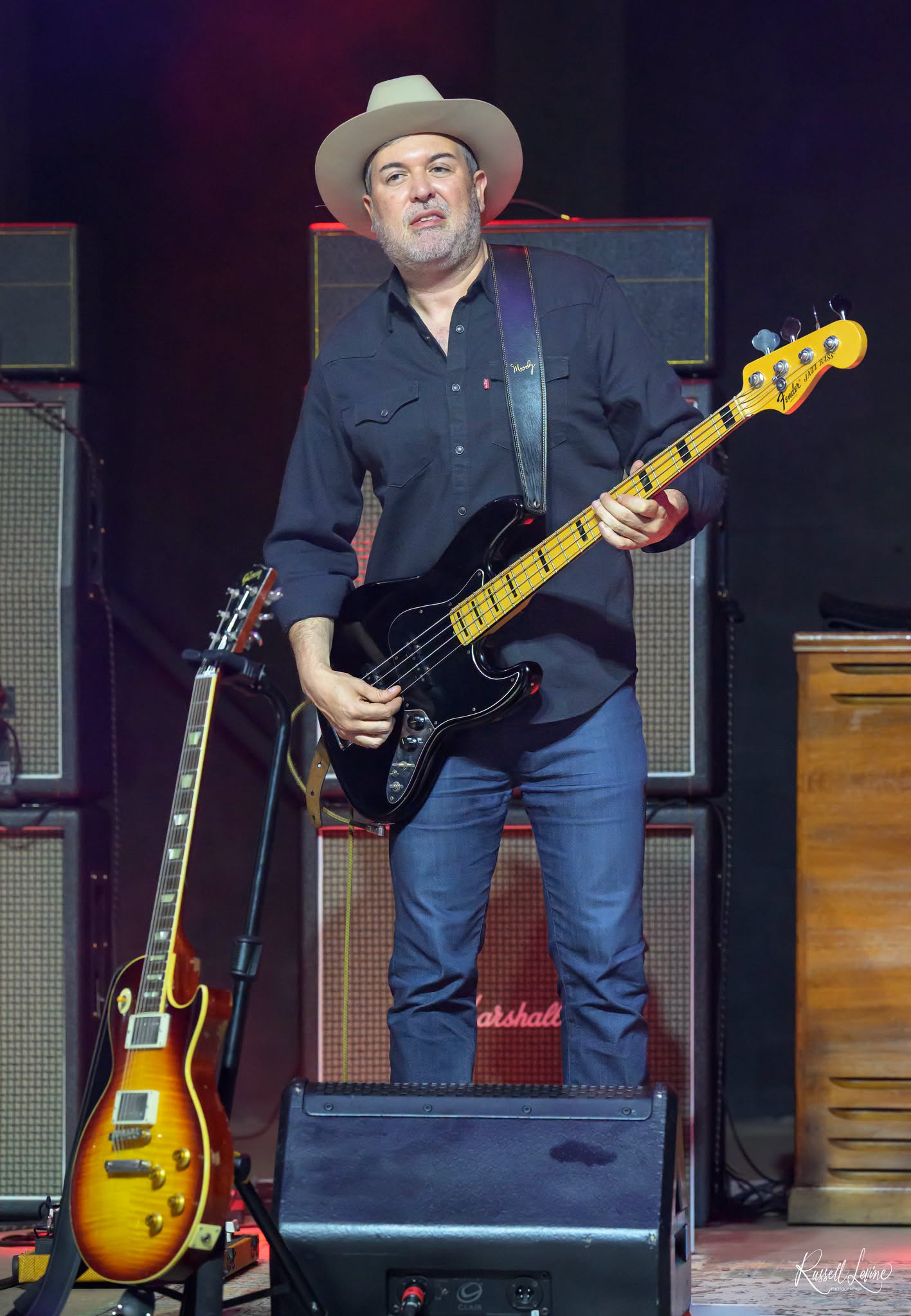
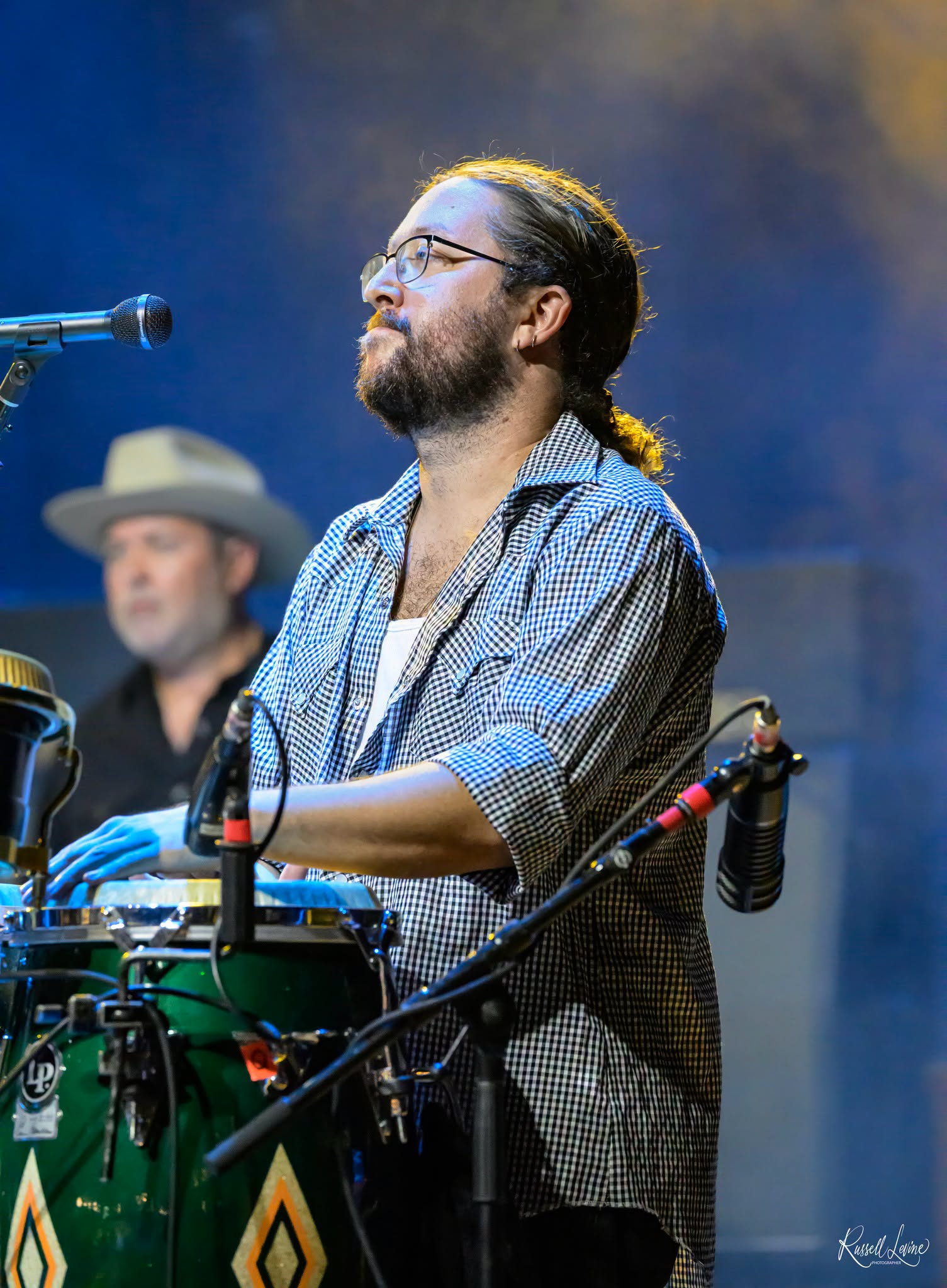
That confidence begins with the remarkable musicians surrounding him. Drummer Jack Ryan anchored every song with power and restraint, knowing precisely when to drive the band and when to let the music breathe. Bassist Stephen Campbell locked into every groove with effortless authority, providing the foundation that allowed everything above it to soar.
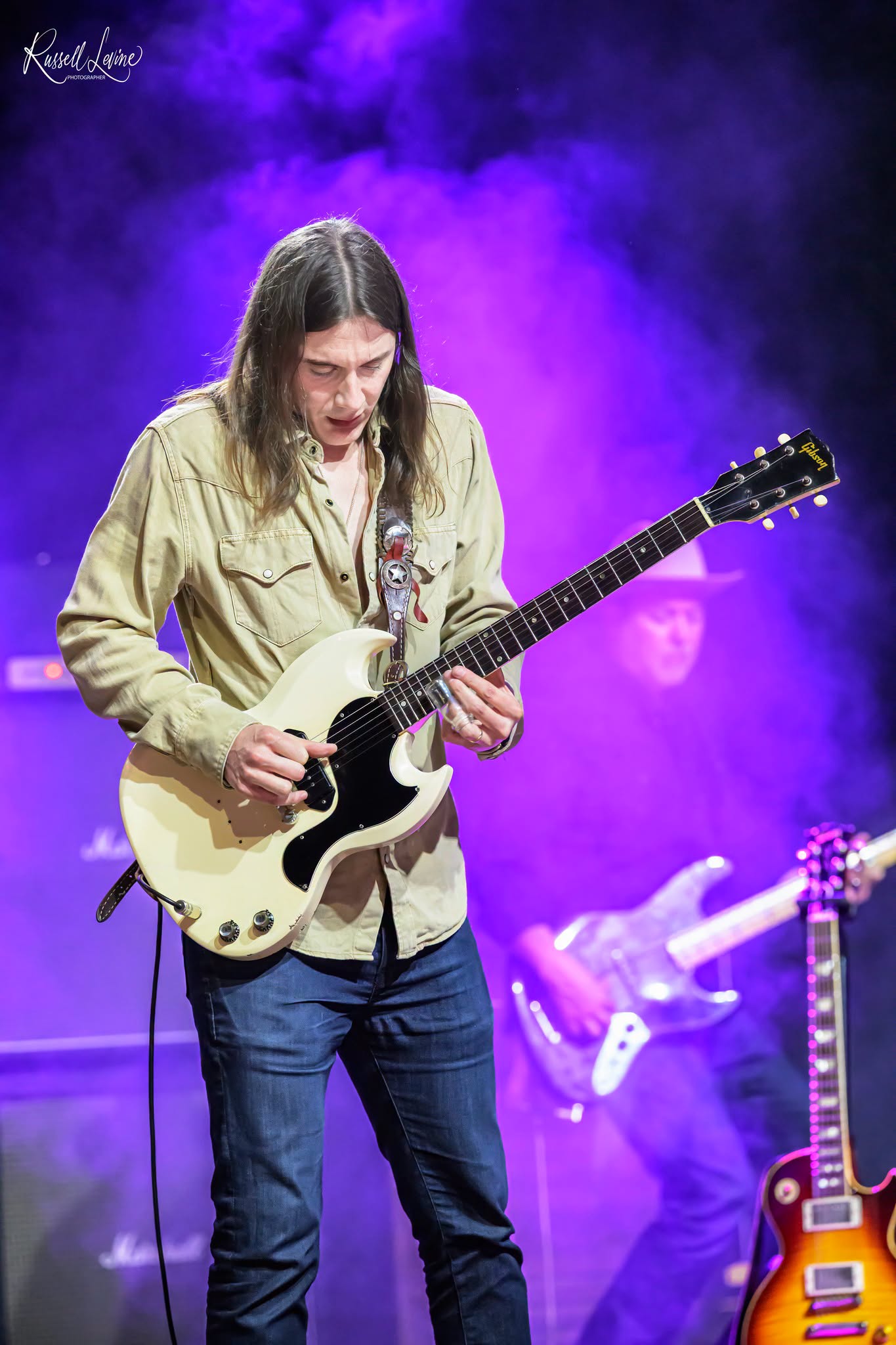
Drew Smithers deserves special recognition. Sharing a stage with Marcus King could tempt almost any guitarist into trying to keep up. Smithers understood the assignment perfectly. His rhythm playing, tasteful slide work, and understated leads gave King room to soar while making the songs stronger rather than competing for attention. Mike Runyon’s Hammond organ and piano wrapped every arrangement in rich Southern soul, while Christopher Spies’ saxophone added an unmistakable R&B flavor that elevated the band’s sound beyond traditional Southern rock. Together they sounded less like hired musicians and more like brothers who had spent years learning each other’s instincts.
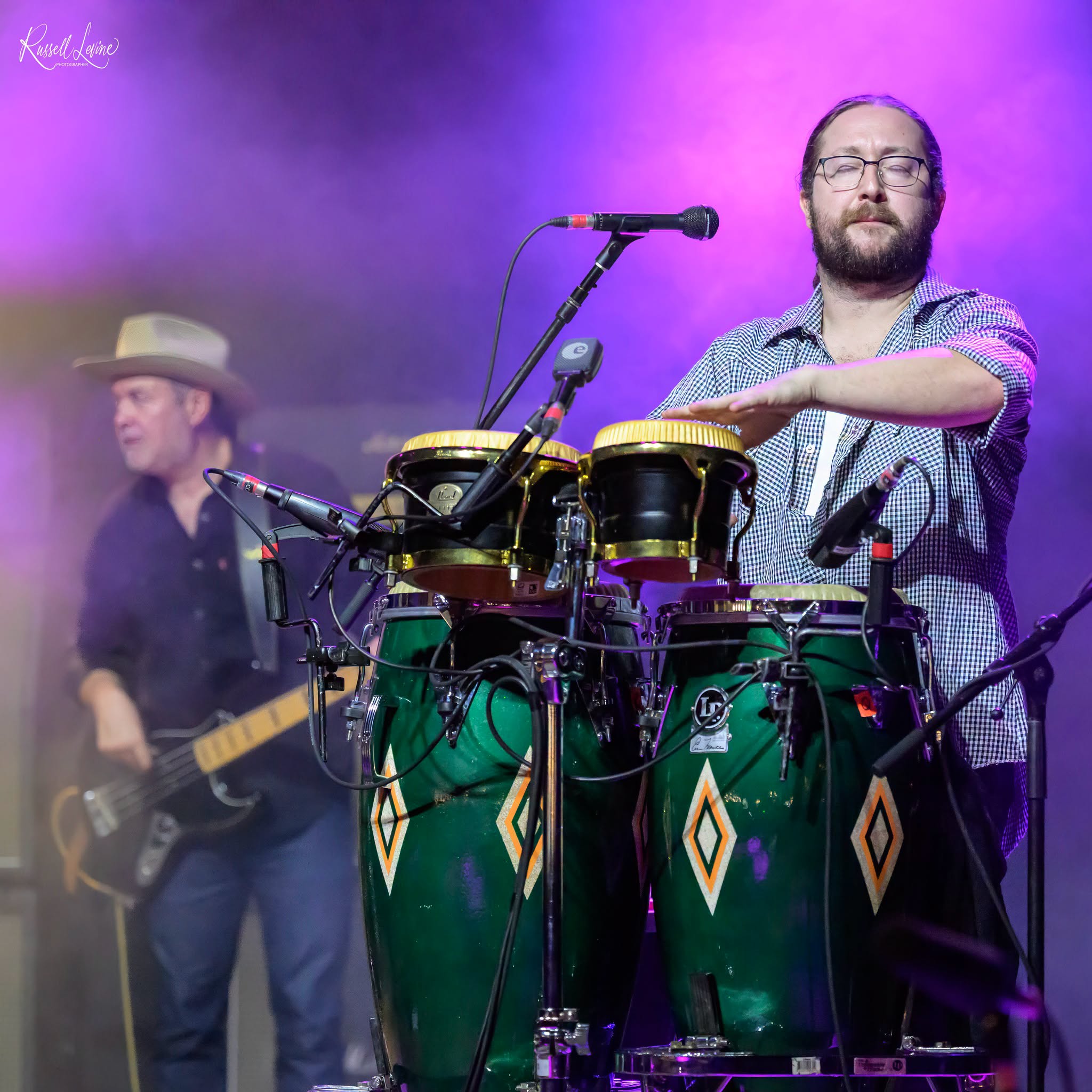
The chemistry was undeniable. So was the joy.
Just ten days earlier, I’d watched King help bring DelFest to its feet as part of the Toy Factory Project, trading blistering solos alongside Oteil Burbridge, Charlie Starr, Josh Shilling, and Paul T. Riddle in a celebration of Toy Caldwell’s music. That performance showcased the fearless guitar slinger. Boca Raton revealed something even deeper: the songwriter, the vocalist, the bandleader, and perhaps most importantly, the survivor.
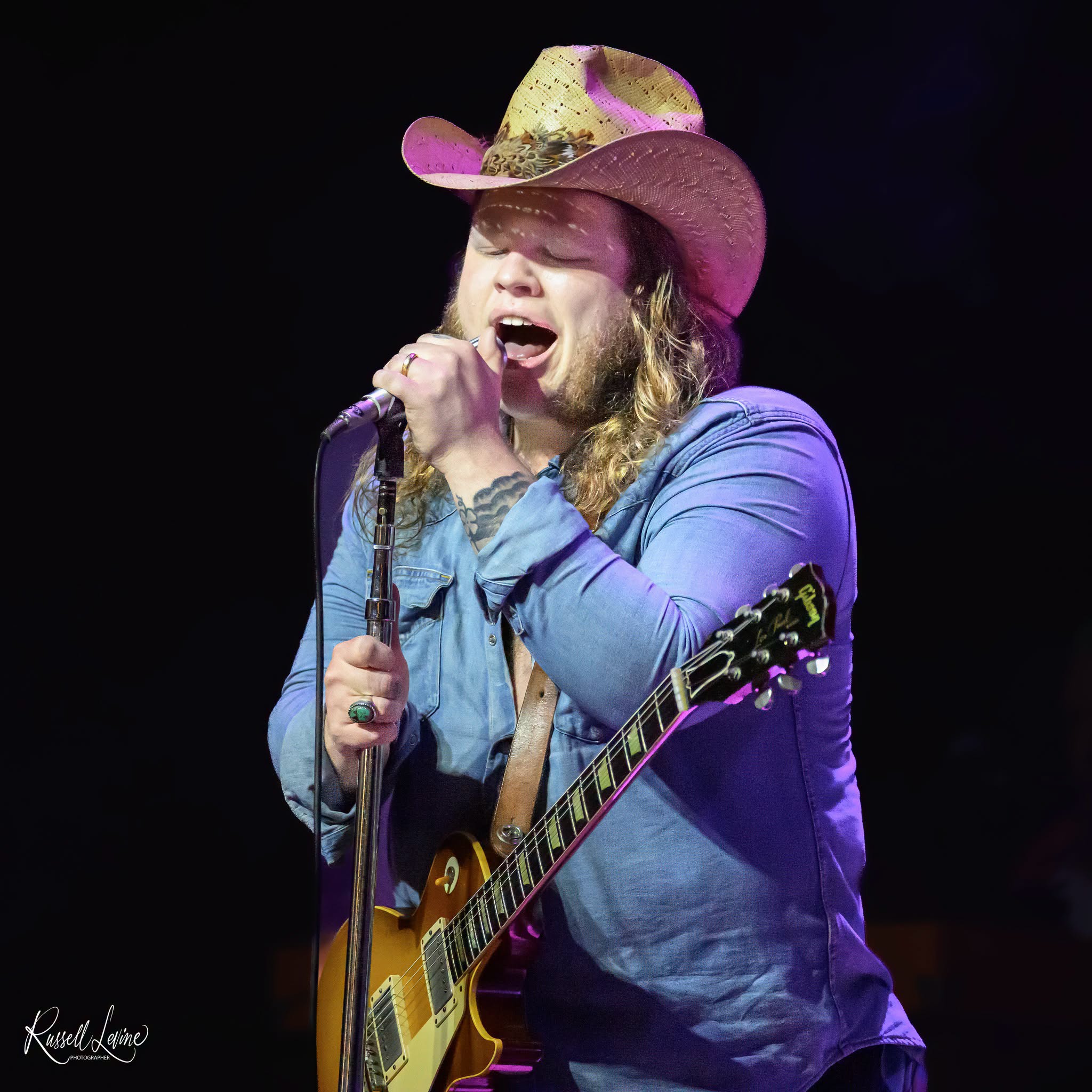
Marcus King’s story has been told many times. The battles with addiction. The struggle with depression. The moments when tomorrow seemed anything but guaranteed. Those experiences aren’t footnotes to his career anymore. They’ve become the fuel for it.
As someone who has spent more than twenty years working in addiction recovery, I couldn’t help but hear those songs through a different lens. Sobriety doesn’t take away an artist’s fire. It refines it. That truth echoed through performances of “8 A.M.,” “Good Run,” “Goodbye Carolina,” “Heartlands,” and “Wildflowers & Wine.” These weren’t simply songs being performed. They felt lived in, earned, and deeply personal.
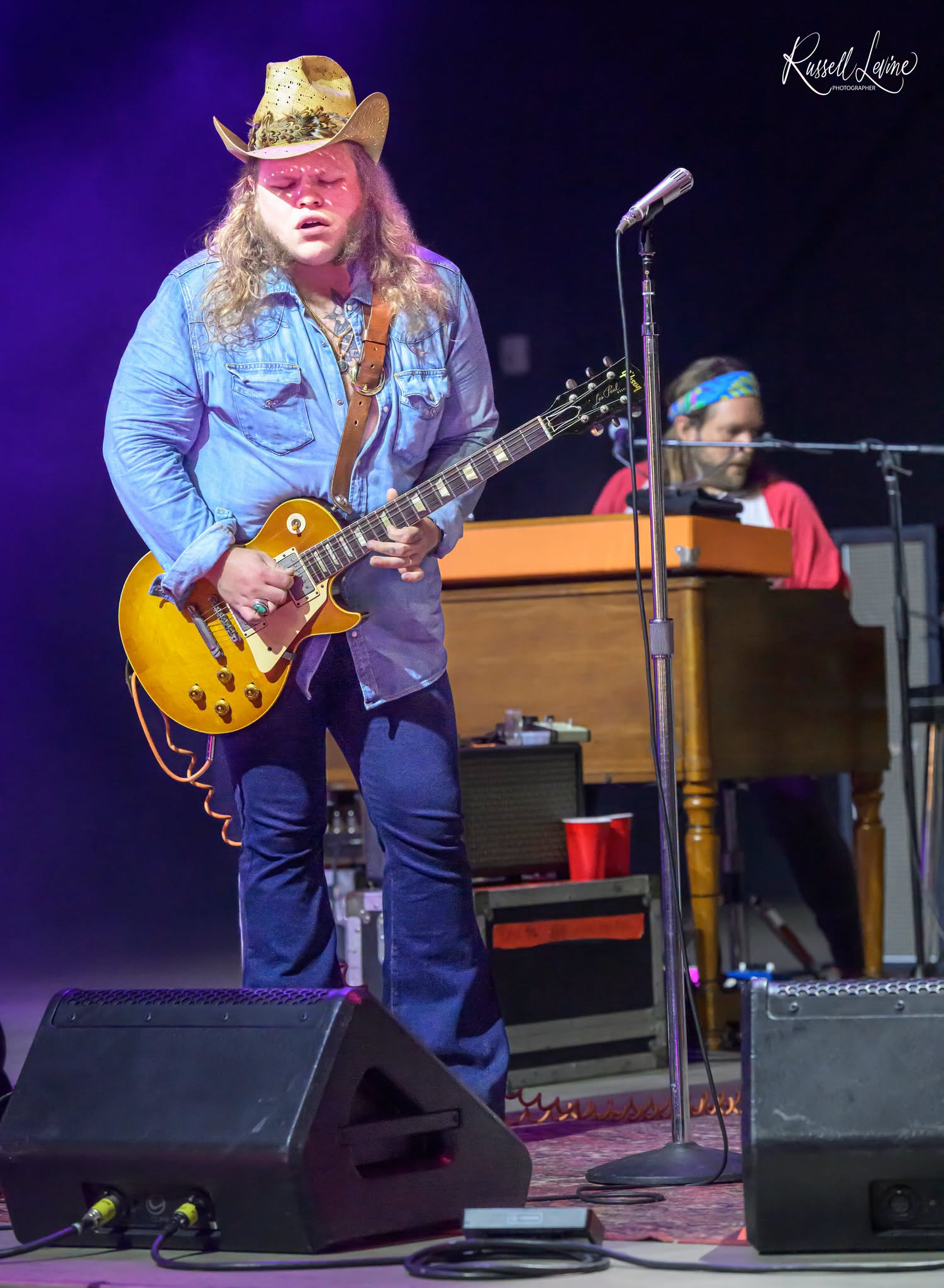
King’s guitar mirrored that same evolution. He never played simply because he could. Every solo served the song. Every sustained bend carried emotion. Every phrase felt intentional. In an era where speed often overshadows substance, Marcus King continues chasing something far more elusive: feeling.
By the time the encore arrived, the audience already knew they had witnessed something special. The unmistakable opening of the Allman Brothers Band’s “Ramblin’ Man” sent another roar through the rain-soaked amphitheater. It was the perfect ending. King’s guitar paid tribute to Dickey Betts without imitation, honoring the Southern rock giants who paved the road while continuing to carve his own path down it.
Eventually the lights came up. The rain eased. Cowboy hats drifted back toward the parking lots beneath swaying palm trees. Boots squished across the sidewalks. Pearl snaps clung to rain-soaked shoulders. Boca Raton quietly returned to being Boca Raton.
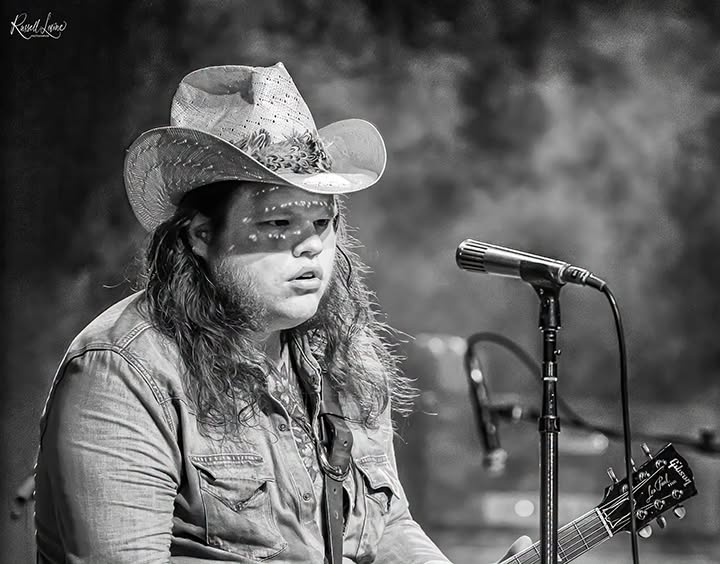
But for one unforgettable night, it borrowed a little soul from Georgia. And nobody wanted to give it back.
Russell Levine is a photographer and writer covering live music for Grateful Web. He has been documenting the jam band world and its community for years, camera in hand and a few decades of Dead shows in his bones.