Article Contributed by Gratefulweb
Published on 2026-09-02
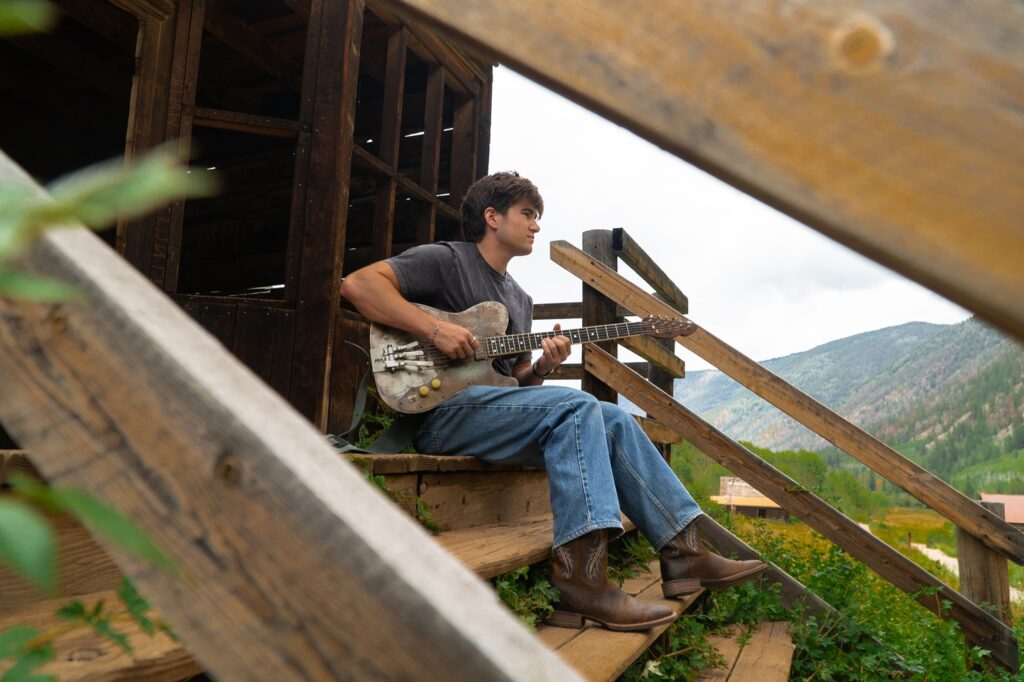
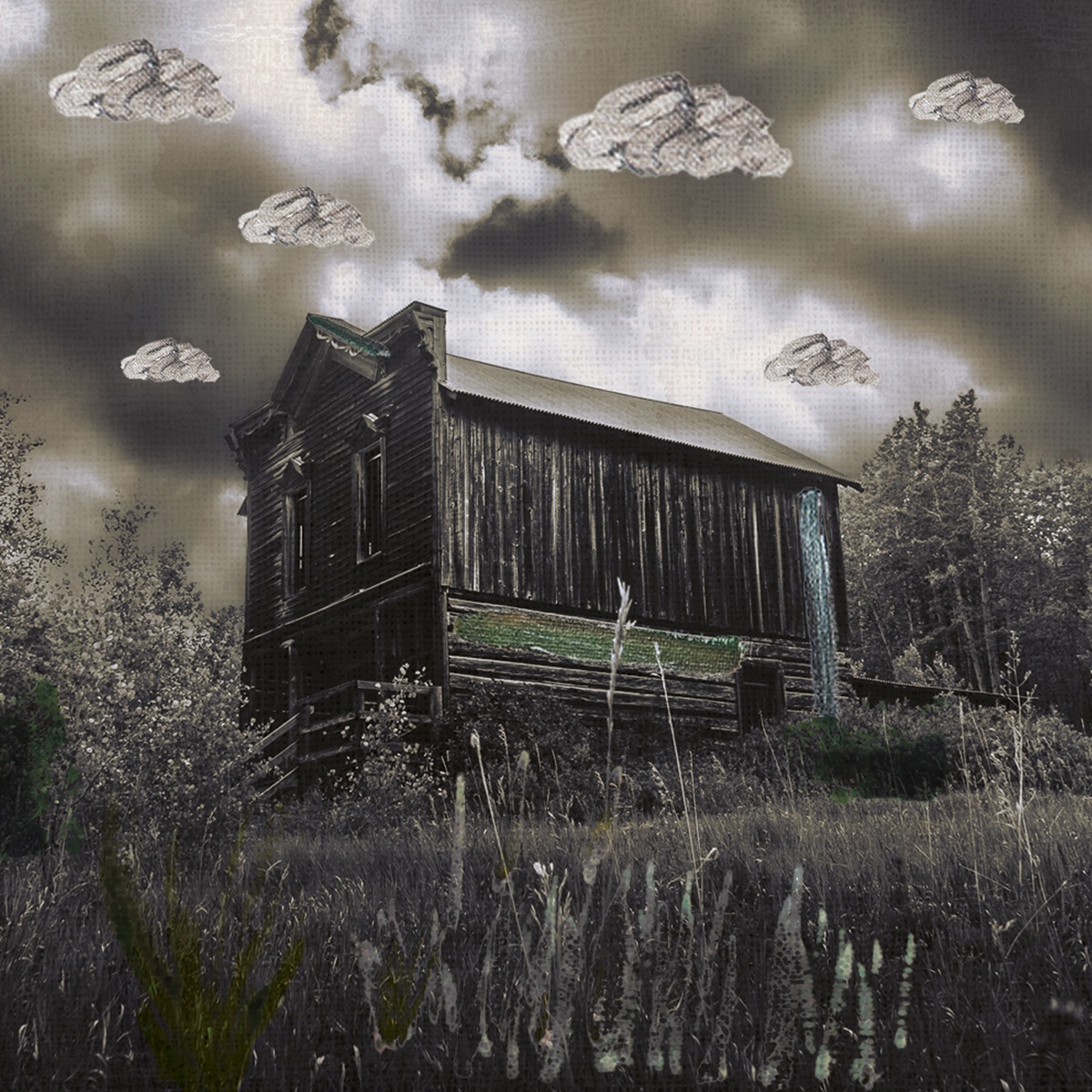
The contrast between Colorado’s abandoned mountain towns and the prosperous communities that grew around them provides the starting point for Ashcroft, the musical project of Colorado songwriter Benton Helzberg. His debut album, Abandoned Places, arrives September 18.
The name itself comes from Ashcroft, the mining ghost town south of Aspen. For Helzberg, who grew up in Aspen before eventually settling in Boulder, the image became an allegory for the tensions running through his music: loss and renewal, youthful restlessness and grief, ambition and restraint.
Those ideas run throughout the 12 songs on Abandoned Places, an album that began taking shape after the death of Helzberg’s father.
Helzberg began writing seriously in 2024 as a way to process his grief. After hearing someone suggest that it takes roughly 50 songs for a songwriter to begin finding a voice, he took the challenge seriously and started writing constantly. Eventually, the idea of assembling a cohesive album began to seem possible.
After moving around and ultimately settling in Boulder, Helzberg left CU in the spring of 2026 to concentrate on music. During March, he wrote all 12 songs that became Abandoned Places, often working in the mornings with coffee and an acoustic guitar and returning home whenever an idea demanded to be written down.
The resulting songs cover a wide range of ground.
“Ludlow” offers a fictionalized retelling of Colorado’s Ludlow Massacre, while “Eulogy,” “May 23rd,” and “Coyote” look directly at moments surrounding his father’s death — the funeral, the day he died, and a dream Helzberg experienced the following night.
Elsewhere, the record moves toward love, travel, and young adulthood. “Great American Highways” leans into traditional country songwriting with a broader, more expansive arrangement, while “All I See” takes a more detailed and vulnerable approach influenced by the conversational storytelling of Americana songwriters such as John Prine. “Drunk Fun” provides a lighter turn, drawing on the familiar chaos of American college life.
As the songs developed, Helzberg began expanding their troubadour foundations into arrangements for a full band.
His voice teacher, Michael Santulli, who had heard many of the songs evolve from their earliest stages, contributed electric, upright, and bowed bass. Nathan Burak joined on drums after Helzberg remembered his playing from an earlier soundcheck jam.
The trio recorded 11 of the album’s songs during four sessions at Helzberg’s warehouse space in Boulder’s NOBO Arts District in early June. The production favored live performance and the natural warmth of the room, with many songs completed in only three or four takes and room microphones used to preserve the sound of musicians playing together.
Throughout June, Helzberg continued building out the record with contributions from keyboardist Alex Tryon, fiddle player Trace Hybertson, and banjo player Fintan Canning. He added electric guitar, pedal steel, and percussion himself, often removing parts as quickly as he added them when they began to crowd the songs.
That restraint became an important part of the record.
By mid-July, Helzberg brought in childhood friend Ethan Chase to mix the album while finishing vocal recordings at his Boulder apartment. The final recordings were then mastered by Boulder-based GRAMMY-winning engineer David Glasser, whose extensive credits include work connected to the Grateful Dead and Bob Weir.
From the first recording session to the completed masters, Abandoned Places came together in roughly seven weeks.
The result is a debut built around contrasts: blooming instrumentation against carefully chosen empty space, the energy of youth against the permanence of loss, and ambitious subject matter delivered in straightforward language.
It is also, in many ways, a Boulder record — created with musicians from the local scene, recorded largely in North Boulder, and finished with one of the city’s most accomplished mastering engineers.
Like the Colorado ghost town that gave Ashcroft his name, Abandoned Places looks at what remains after something has disappeared. But the album is equally interested in what can be built in the space left behind.