Article Contributed by Dan Ward
Published on 2026-09-08
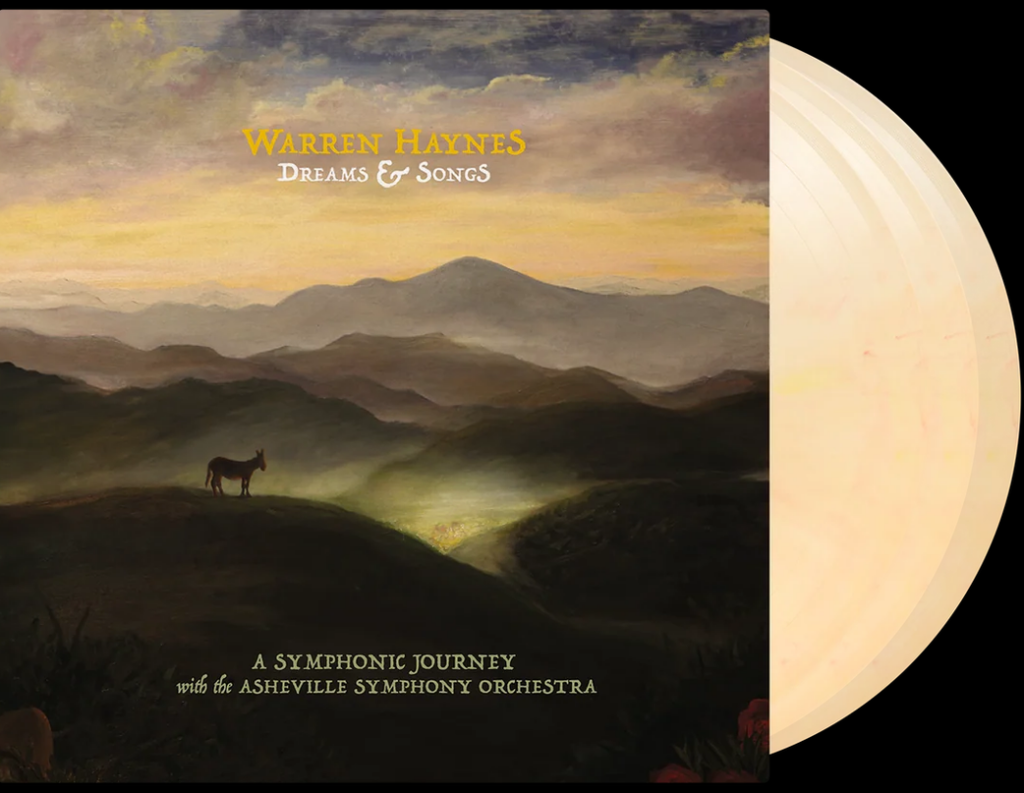
Warren Haynes isn’t just a musician — he’s an American icon. Some artists become adjectives: rock it like David Lee Roth, swing it like Glenn Miller, Elvis that song. After 44 years shaping the blues-soaked Southern rock landscape, Haynes belongs in that rare class. If you don’t recognize his name as a musical style, you’re already behind.
This year, he’s given us something new: Dreams & Songs: A Symphonic Journey — a title that tells you exactly what you’re in for. Rock and symphony have crossed paths before, but this is Warren Haynes. The bar is higher.
Haynes joins forces with Oteil Burbridge on bass, John Medeski on keys, Jeff Sipe on drums, Greg Osby on sax, Edwin McCain and Jasmine Muhammad on vocals, and the full 64-piece Asheville Symphony Orchestra. Together, they deliver fifteen tracks, each filtered through Warren’s unmistakable touch. You’re stepping into the workshop of a master craftsman — these are definitive American songs expanded into widescreen symphonic color.
We enter through the first “bookend,” “Dreams and Songs,” a lush overture where soothing strings wrap around Warren’s electric guitar while triumphant brass pushes the horizon outward. Add Hammond organ, and the whole thing lifts off like fireworks.
Then comes “Dreams,” Molly Hatchet’s haunted lament. Warren’s vocal delivery is one of the few that can match the original’s ghostly ache. A ripping sax solo tears through the familiar melody, now backed by a full orchestra. Warren’s guitar arcs overhead, reshaping the tune into something truly definitive.
On “Banks of the Deep End,” we stare into uncertainty while Warren — part preacher, part shaman — offers hope. Psychedelic rock collides with saintly strings and demon brass, transforming the song into something almost otherworldly.
The organ-driven “Spots of Time,” co-written with Phil Lesh, continues the theme of transcendence. “Do you remember how young we were or is it just me imagining?” feels less like a lyric and more like a shared memory. Warren and the orchestra carry us straight into that fleeting moment.
Slow and provocative, “Broken Promise Land” paints a portrait of societal struggle that remains painfully relevant. The orchestra adds tension and weight, thickening the sonic atmosphere. Warren’s guitar and Oteil’s bass soar over a hard-edged phrase from the strings and brass, while Jasmine Muhammad’s vocals enter the legendary tier — think Dark Side of the Moon levels of impact.
John Medeski’s reimagined score for “Thorazine Shuffle” gives the tune a new sting. Harmon-muted trumpets add a spooky nuance while Oteil’s bass line anchors the chaos. The symphony leans into the main theme and drives the song to towering new heights.
Robbie Robertson may have written “Makes No Difference,” but when Warren sings, “The dawn don’t rescue me no more,” the emptiness hits harder. His deep-blue guitar tone and the orchestral arrangements breathe new life into one of The Band’s most emotional pieces.
Warren’s years with the Dead left a permanent mark, and “Terrapin Station” proves it. He pulls magic from his guitar so reminiscent of Jerry Garcia that you’d swear both men were in the room. The original orchestrations remain sublime, and the vocalists deliver one of the album’s standout performances.
A Gov’t Mule favorite, “Raven Black Night,” rises into full symphonic flight. The familiar opening remains, but once the orchestra enters, the track builds and builds until it feels like you’re being lifted straight out of the darkness.
Gregg Allman and Warren Haynes’ “Just Another Rider” slides in with jazzy swagger. Bluesy guitar, bass, and drums fuse with jazz-evoking winds while strings create a lyrical foundation. The organ is hauntingly simple, Warren’s voice is commanding, and the sax solo is pure magic.
Deep in the Hunter-Garcia wilderness lies “Black Peter,” rendered here with psychedelic surrealism. A pronounced tuba line gives it a New Orleans funeral-parade feel, with trumpet, trombone, and sax adding call-and-response lines. The orchestra stretches the song into a dual homage: one to the Dead, one to New Orleans jazz. It’s a definitive version.
“Instrumental Illness,” written by Oteil and Warren, channels the Allman Brothers’ blues-jazz-rock panache. The symphony expands that essence, unleashing solo and ensemble flourishes. Oteil shines, and the interplay between Warren’s guitar and the strings makes you wish the track would never end.
U2’s “One” becomes something new yet familiar. Warren previously stripped it down to an intimate solo piece; here, he revisits the original with delicate wind lines — oboe and sax weaving sweetness into the mix. It retains its intimacy while expanding its sonic reach.
The Grateful Dead’s “Shakedown Street,” once dismissed as “Disco Dead,” has found new life in the modern era. Warren attacks the guitar solos with a perfect blend of West Coast funk and Southern rock grit. Deadheads will be thrilled; newcomers will be converted.
Finally comes the Southern rock lament “Whipping Post” — a cornerstone of Warren’s live shows. Done right, it tears at the heart, and Warren never misses. The 3/4 undercurrent pounds beneath a floating vocal line, and when the Hammond B3 erupts alongside demon brass, the track becomes the crown jewel of the album.
We close with “Dreams and Songs (Reprise)” — the final bookend. The journey is complete. What remains is awe. Warren Haynes’ vast talents and treasured gifts are on full display. The album is captivating, complete, and unmistakably Warren Haynes.
Dreams & Songs: A Symphonic Journey hits all platforms September 18. Order a copy and experience the style of Warren Haynes — now in full symphonic bloom.