Article Contributed by Gratefulweb
Published on 2026-11-22
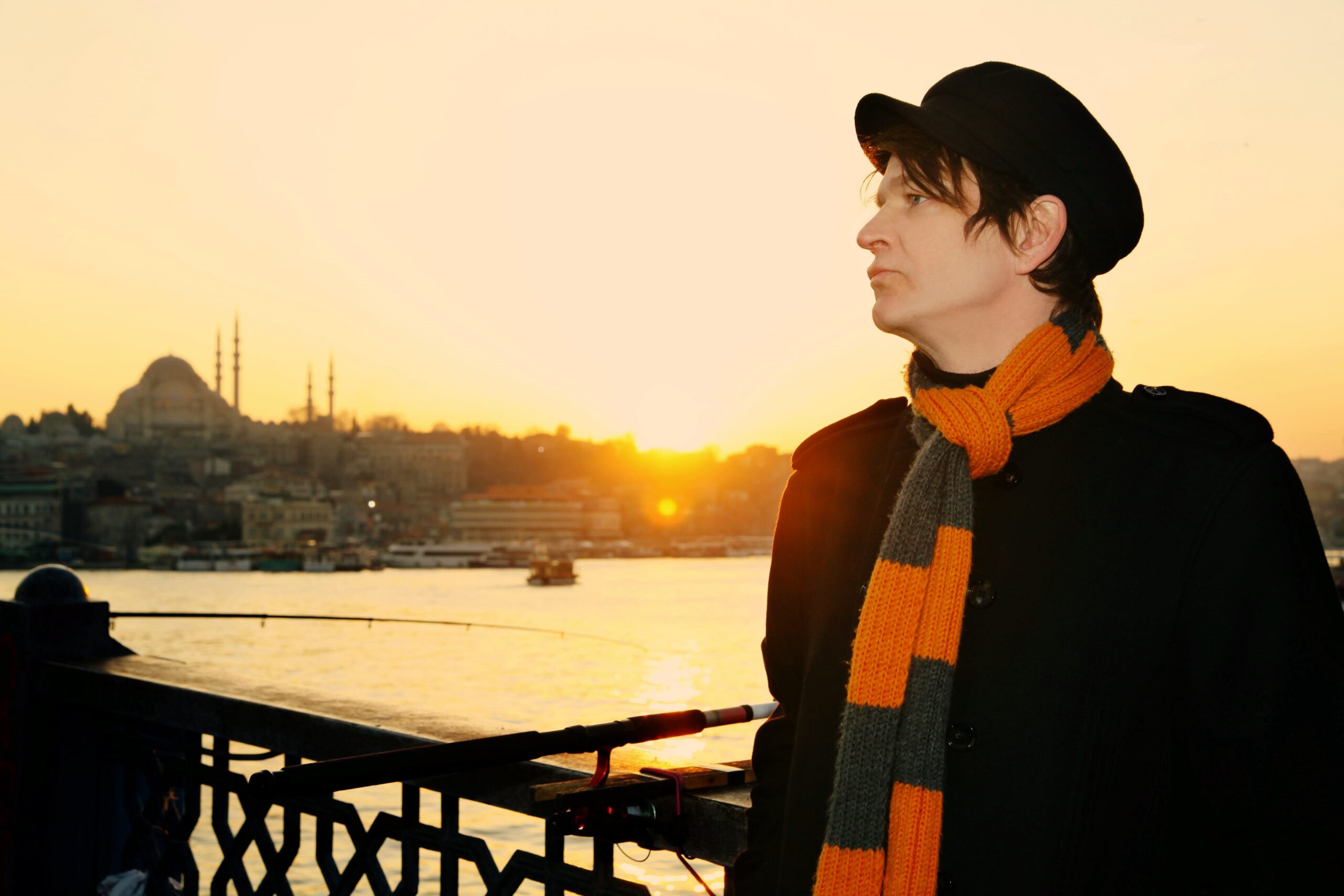
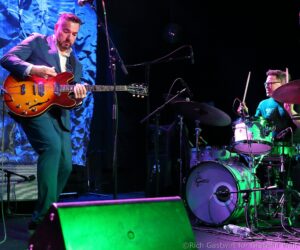
Photo: Courtesy of Mujde Capraz
World-punk pioneers Firewater return with their eighth album, Bad Jazz, arriving December 11, 2026, via Chicago-based independent label Pravda Records. The release marks the band's first studio album since 2012's International Orange, ending a 14-year recording hiatus.
2026's Bad Jazz heralds the return of Firewater after a decade-long hiatus. “When my daughter was born, I wanted to be around for her, and not constantly on the road,” Tod explains. During this time, he had been based in Istanbul, and many of the grooves betray a Turkish flavor. But Tod admits that these songs are more a return to his NYC punk roots: “After so long away, we knew this record needed to be as strong as it could be. I had never stopped writing, so I had a big bag to draw from. We recorded the songs we felt were the most direct.”
Bad Jazz is being released by Pravda Records on December 11 on 12-inch LP vinyl, CD, digital download, and streaming services.
The new album was recorded at Space Mountain, a remote studio in the foothills of the Sierra Madre mountains in Spain built by Martin “Youth” Glover, a founding member of Killing Joke and a renowned producer. For the sessions, Tod was joined by some longtime compatriots.
“The main band was a trio,” Tod says. Oren Kaplan (Gogol Bordello) played electric guitar. Stalwart Firewater drummer Yoni Halevy handled drum kit, percussion, and backing vocals. Tod rediscovered the bass, an instrument he hadn't wielded since the early days of Firewater, as well as acoustic guitar, banjo, and organ.
Jennifer Charles (Elysian Fields) joined Tod for a duet on “Winter's Coming On.” Firewater touring guitarist Jaro Milko played the bouzouki and electric saz on several tracks. Assaf Talmudi (Oy Division) contributed accordion. And Marlysse Simmons (Chicha Libre) played Farfisa organ. The result, Bad Jazz, is a rollicking return to form, and — if you're a Firewater fan — a promise finally kept.
Firewater also recently released a cover of Talking Heads' “Life During Wartime,” offering listeners another taste of the band's return. The standalone single, released September 16, does not appear on Bad Jazz. Listen to Firewater's “Life During Wartime” here.
Formed in 1995 by Tod A, Firewater emerged from New York City's fertile underground rock scene with an ambitious idea: take the energy of punk rock and crossbreed it with a variety of different music from around the world. Tod A had been the bassist, vocalist, and primary songwriter of the influential noise-rock band Cop Shoot Cop, but Firewater allowed him the creative freedom to explore klezmer, gypsy music, ska, jazz, cabaret, folk, and a host of other traditions. The end results were what some would later call “world punk.”
Their 1996 debut, Get Off the Cross, We Need the Wood for the Fire, a bold departure from the sound Tod A had been known for, was followed by The Ponzi Scheme in 1998, a more finely tuned sophomore effort. Tod A began to envision Firewater as more of an amorphous musical collective than a conventional rock band with rigidly defined roles. Those early recordings brought together musicians from across the alternative diaspora, including Duane Denison of the Jesus Lizard, Yuval Gabay of Soul Coughing, Jennifer Charles of Elysian Fields, and Hahn Rowe of Hugo Largo.
What truly made Firewater unique, however, was not the wild array of disparate genres the band giddily embraced, but the manner in which they made those incongruous styles seamlessly coexist into Firewater's own cohesive sound. Eastern European melodies, Indian ragas, accordion, and saxophone melded with distorted guitars, jagged, punky rhythms, and Tod A's sardonic lyrics. The music could be at once exuberant and danceable while framing lyrics that remained viscerally cynical and haunted by mortality.
Tod A described Firewater as “a wedding band gone wrong” — celebratory and ominous at the same time. As one critic put it, Firewater sounded “like a funeral procession that learned how to swing.”
The band continued to evolve through Psychopharmacology (2001) and The Man on the Burning Tightrope (2003). 2004's Songs We Should Have Written found the band reinterpreting songs by a diverse selection of artists including Johnny Cash, the Rolling Stones, Robyn Hitchcock, and Sonny & Cher, transforming familiar material through the filter of Firewater's dark, international musical vocabulary. Touring doggedly for nearly a decade, Firewater earned a devoted following on the European festival circuit and among American college-radio audiences.
Firewater's most dramatic transformation by far came when Tod A pulled up stakes to travel through India, Pakistan, Thailand, and Indonesia. His ensuing experiences crossing that far-flung terrain and mixing and mingling with the locals profoundly influenced and informed the next album, The Golden Hour, released in 2008. Recorded with musicians encountered during those travels, as well as with longtime collaborators, the album expanded Firewater's sonic palette on a whole new level. Travel had become part of Tod A's creative process. A critic summarized the shift as “less Brooklyn basement, more global back alley.”
The band returned in 2012 with International Orange, continuing its mixture of pugnacious punk, global rhythms, and dark, politically infused lyrics. One review described it as “music for dancing while the world burns …”
Long before bands like Gogol Bordello found success melding genres, Firewater had made musical cross-collaboration and cultural osmosis its modus operandi. Through its rotating cast of collaborators and co-conspirators, Tod A built Firewater into a versatile musical experiment, voraciously curious and constantly crossing borders — both musically and literally — with abandon.
For more information about Bad Jazz, visit Firewater's Pravda Records artist page.
Follow Firewater: Bandcamp | Facebook | Spotify | YouTube Music