Article Contributed by Gratefulweb
Published on 2026-08-01
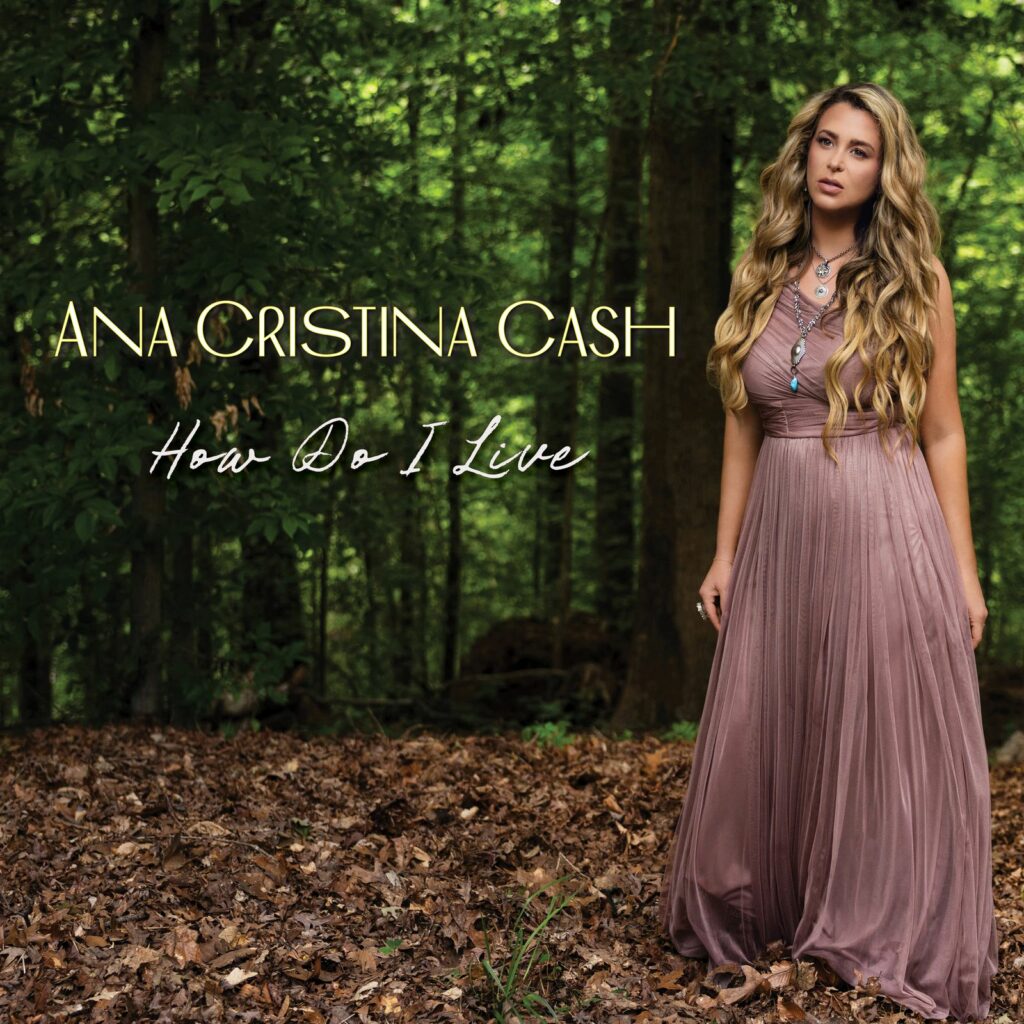
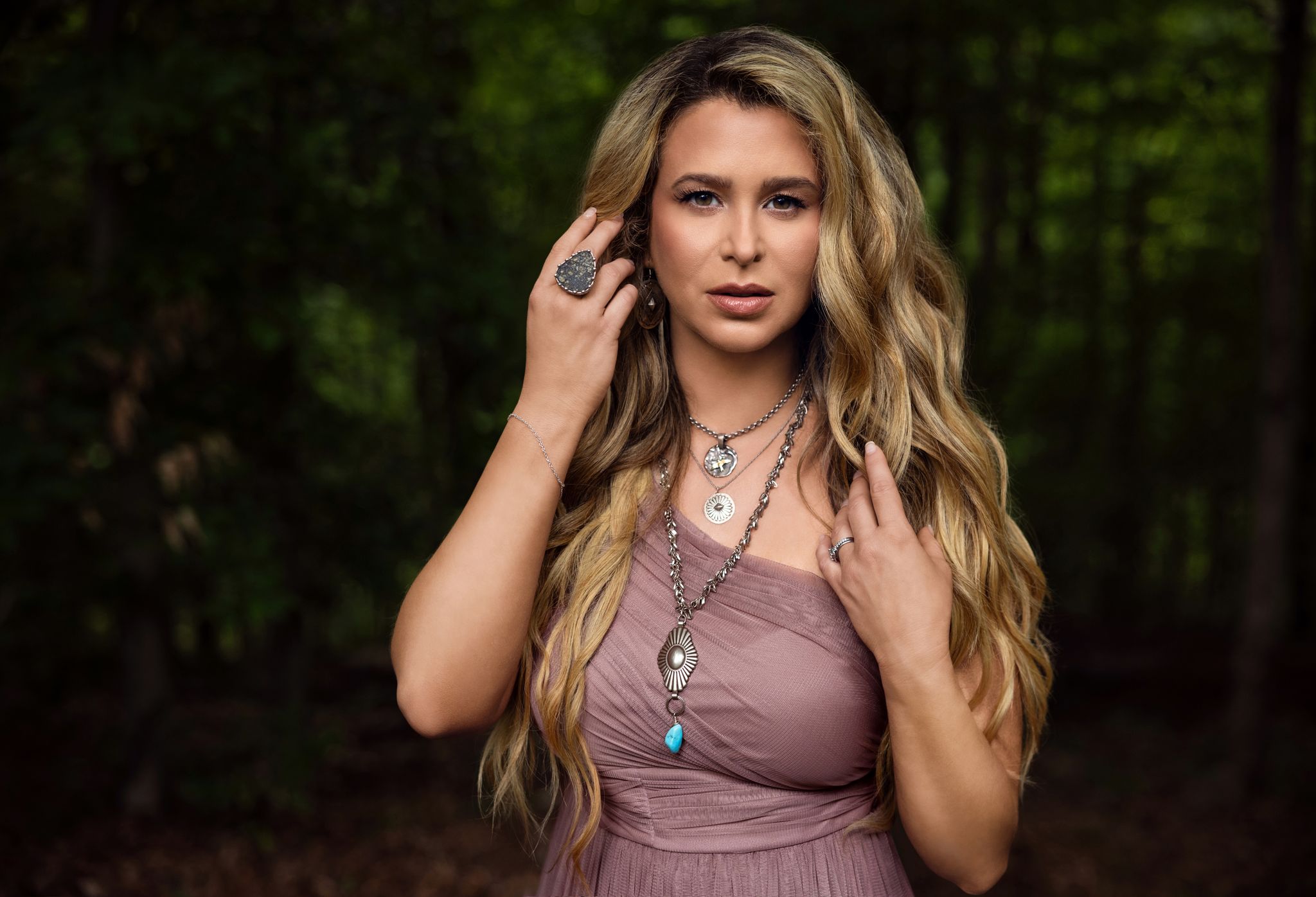
Photo Credit: David Niacaris | Artwork Credit: Gina Binkley
Nearly three decades after “How Do I Live” first captured her imagination as a young girl growing up in Miami, Ana Cristina Cash has returned to the Diane Warren-penned classic with a deeply personal bilingual interpretation. Recorded in both English and Spanish at the historic Cash Cabin and produced by her husband, John Carter Cash, the new release connects Cash’s lifelong love of country music with her Cuban American and Spanish heritage. Her rendition also brings the song full circle, from singing it into a hairbrush as a child to recently performing it on the Grand Ole Opry stage.
In the following Grateful Web interview, Cash discusses the song’s lasting emotional power, the subtle differences between singing it in English and Spanish, working with John Carter Cash, and how her upbringing continues to shape a musical identity that moves naturally between country and Latin traditions.
1. “How Do I Live” first connected with you when you were 11 years old. What do you remember feeling the first time you heard it?
I remember listening to “How Do I Live” as a child and thinking that country music had amazing vocalists and songs. I grew up in Miami, and although we had radio stations that played all kinds of genres, country music wasn’t as prevalent there at the time as it was in some other places. I remember doing a deep dive into country music around that time and really falling in love with the genre, its songs, and its artists.
2. What made this the right moment in your life and career to finally record your own version of the song?
This upcoming year will mark the 30th anniversary of "How Do I Live." I hope that new generations fall in love with this song just as I did. I have some Gen Z friends I've spoken to who had never heard the recording before. I also wanted to sing the Spanish version, "Cómo Vivir Sin Verte," to honor my Latin heritage, since I'm Cuban American and Spanish.
3. Diane Warren’s writing has reached so many people across generations. What do you think makes “How Do I Live” so timeless?
Diane Warren is one of the most iconic songwriters of all time. I think what makes “How Do I Live” so timeless is that the melody is simple, yet it's always moving. I know that she writes most of her melodies on the piano, and I feel that the piano is very conducive to writing those kinds of melodies. Also, the song’s universal concept and title allow many people to relate to it. Loving someone so much, whether it be a romantic partner, a child, a family member, or a friend, and being unable to picture yourself without them in your life is a very real feeling for most people. Additionally, it’s an amazing powerhouse ballad that gives singers the opportunity to showcase their vocals.
4. You recorded the song in both English and Spanish. Did the meaning shift for you when you sang it as “Cómo Vivir Sin Verte”?
The meaning actually remained the same for me, but the Spanish language is incredibly romantic, and my vibe and interpretation of the song did change a bit. The vowels ended up sounding very different in Spanish than in English and feel like they are more rounded out. It is difficult to explain, but the feeling is different from the English version. One is not necessarily better than the other, but there is a variation. My friend Rudy Perez actually wrote the Spanish lyrics in the ’90s, and I used his same lyrics for my Spanish recording.
5. Was one version more emotionally difficult to record than the other?
I don’t feel like one was more emotionally different than the other, as they both retain the same meaning. I do feel like the tone in each of them is different because of the shape of the mouth changing from one language to the other. As a result, the color and tone of the voice felt different because of the way the vowels were pronounced.
6. How did you approach honoring the original song while still making it feel like your own?
The arrangement is different and more piano-based. As a producer, my husband, John Carter Cash, had a great instinct for that. I also sang it a whole step below the original recordings, which gave it a different tone and color that is more of an individual signature of my sound.
7. What was it like working with John Carter Cash as the producer on such a personal release?
It's always amazing to work with him. We've always gotten along well in the studio and enjoyed working creatively together. He loves that this was one of my favorite childhood songs, and he loved being a part of bringing both the English and Spanish versions to life.
8. The Cash Cabin carries so much history. How does recording there shape the feeling of a song like this?
It always makes a difference for me. It’s not a sterile studio; it looks and feels more like a home environment. It’s covered in wood, which makes it feel more earthy and organic. I feel like the space complemented the recording of this song perfectly.
9. You’ve built a career that connects country music with your Cuban American and Spanish heritage. How do you balance those worlds musically?
It was always just how I grew up operating in my life. I always spoke both English and Spanish at home. My parents spoke both languages, my sisters mostly spoke English at home, and school was conducted in English. However, my grandparents did not speak English fluently, so if I wanted to communicate with them, I could only speak Spanish. You learn to adapt as a U.S. Hispanic child who feels like they have a foot in both worlds. The same applies to my music. I have never felt that anyone should be limited to a genre. I think if an artist is inspired to sing a certain kind of music, regardless of their background, they should not limit their creativity, and they should try it.
10. Country music and Latin music both have deep traditions of storytelling and heartbreak. Where do you see those traditions meeting in your own work?
I feel like human emotions remain the same no matter what language one is singing in. I think it’s interesting for audiences on both sides to hear a song they love and experience what it sounds like in another language. New languages open up doors to new audiences. The world opens up.
11. Did recording this song bring back memories of your early dreams of becoming a singer?
It most certainly did! I used to sing this song in my room with my hairbrush while looking in the mirror and dream about becoming a professional singer. Performing it recently at the Grand Ole Opry was truly a full-circle moment.
12. How has your voice, both literally and artistically, changed since the first time this song inspired you?
My voice has definitely matured since I was a 13-year-old! I'm a woman now, so my voice is much stronger, and my range is broader. I've lived through more experiences and more ups and downs in life that have allowed me to feel the song and interpret it in a more well-rounded way.
13. What do you hope longtime fans of “How Do I Live” hear in your interpretation?
I hope that they enjoy this new arrangement and interpretation of a song they deeply love in both languages and remember what made them fall in love with it in the first place.
14. For listeners discovering you through this release, what do you hope they understand about who you are as an artist?
I hope that they also dig into some of my other recordings, including many of the songs I’ve written. I’m just as much of a writer as I am a singer, and through many of my lyrics, new listeners will be able to understand more about who I am.
15. After this bilingual release, what can fans expect from your upcoming music and the next chapter of your career?
I have a collaborative single coming out soon with two friends and artists that I deeply admire, as well as more singles in the works and an album project that I'm working on in the studio!