Article Contributed by Jake Cudek
Published on 2026-03-10
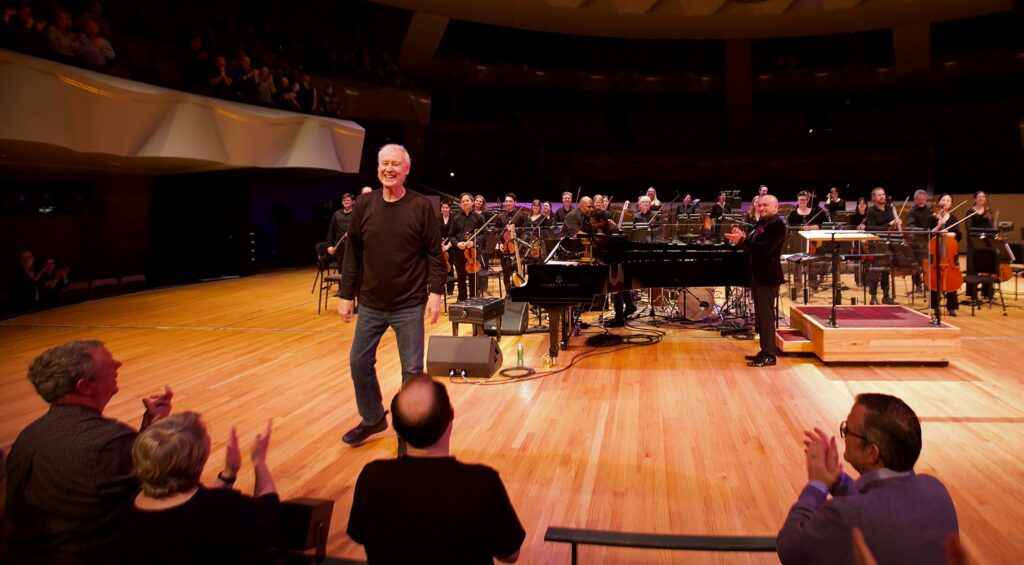
Burce Hornsby with the Colorado Symphony | Denver, Colorado | February 28th, 2026 – photos by Jake Cudek
On February 28th, acclaimed pianist Bruce Hornsby returned to the Mile High City to deliver a special night of music for his premier collaboration with the Colorado Symphony. Performing at the symphonic institution known as Boettcher Hall, the two proficient forces gave an attentive audience an evening of inspired music from Hornsby’s catalog that was anything but straight-laced. This inaugural event would mark both Hornsby’s first performance with the symphony as well as his first within the walls of this center for higher listening.
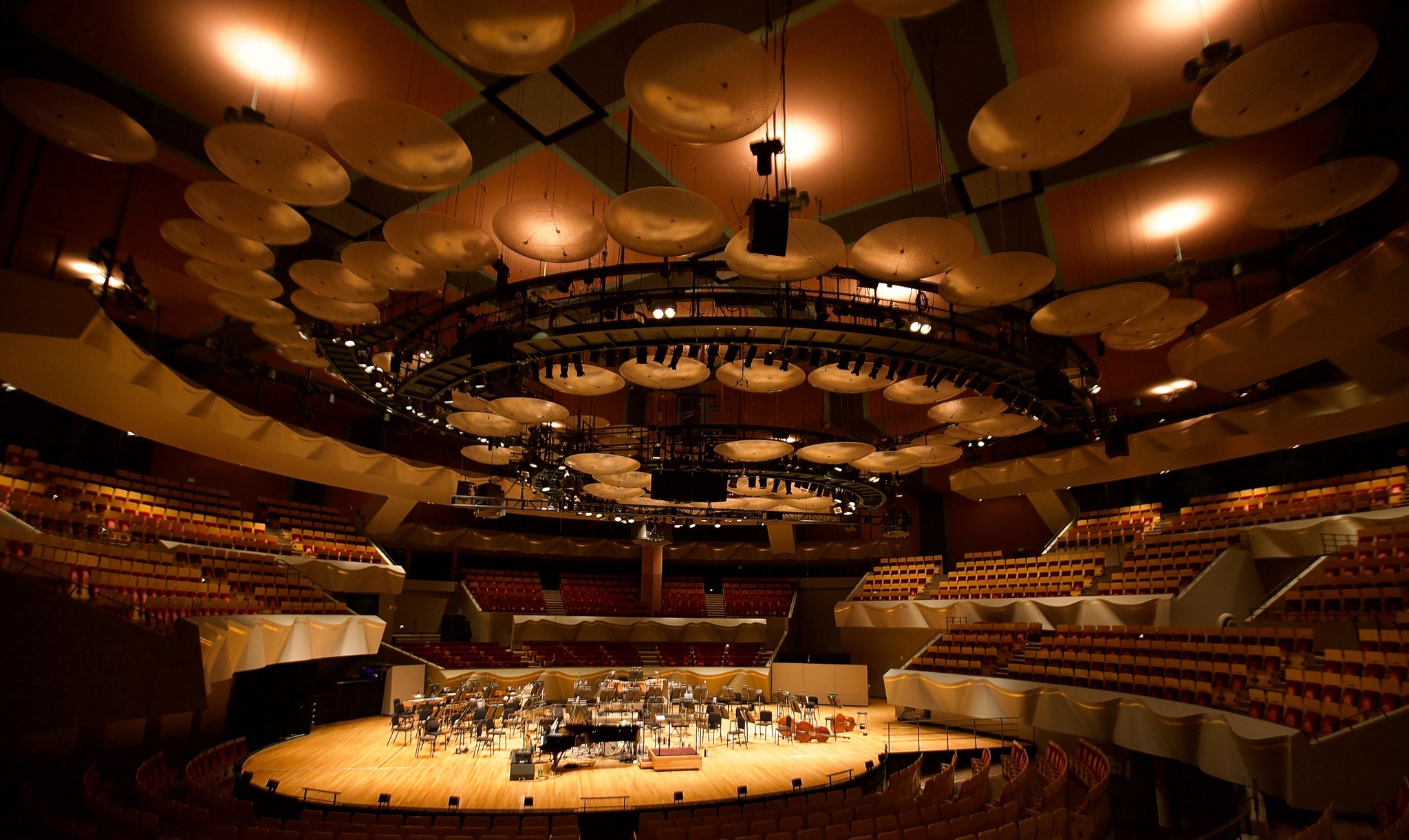
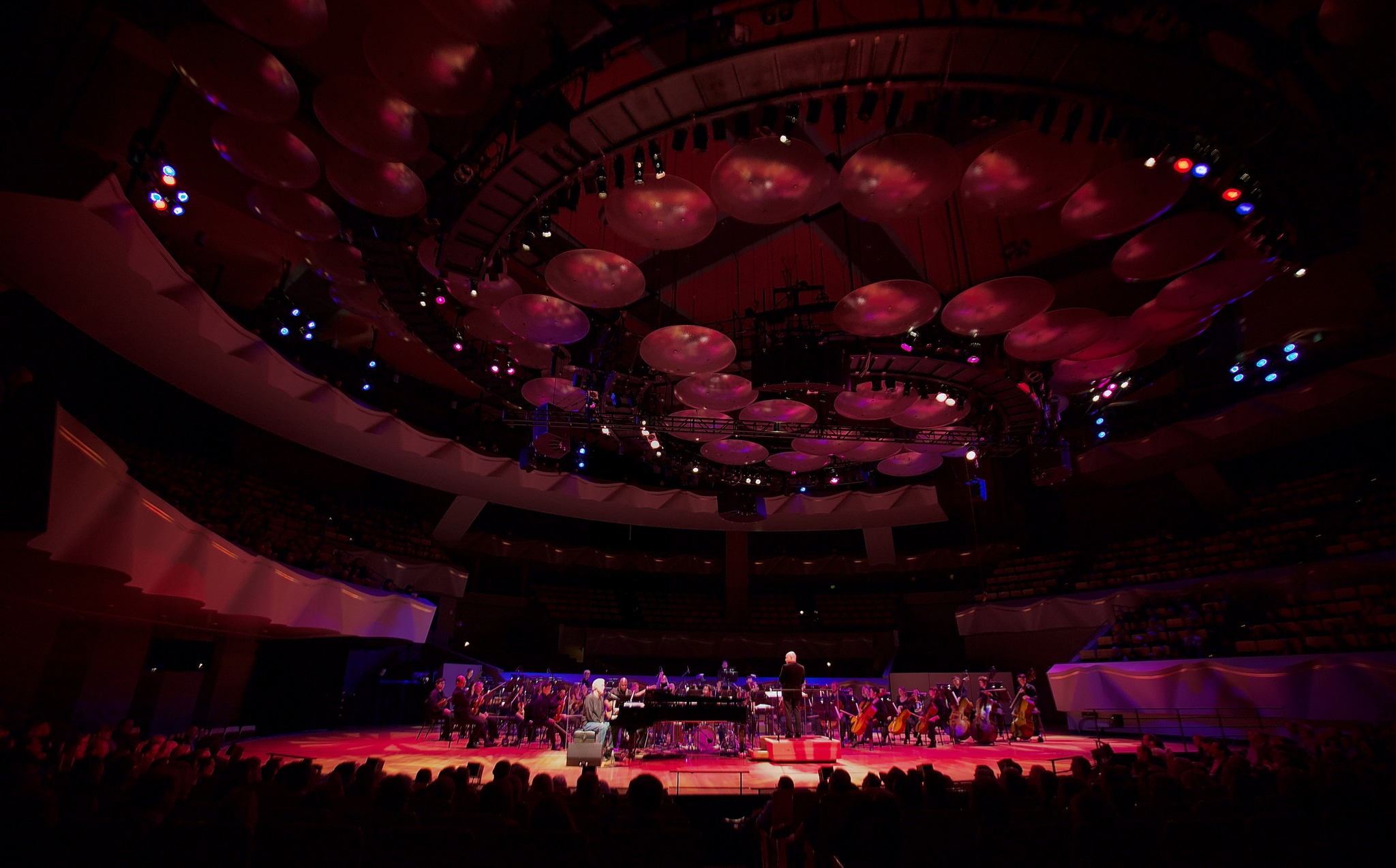
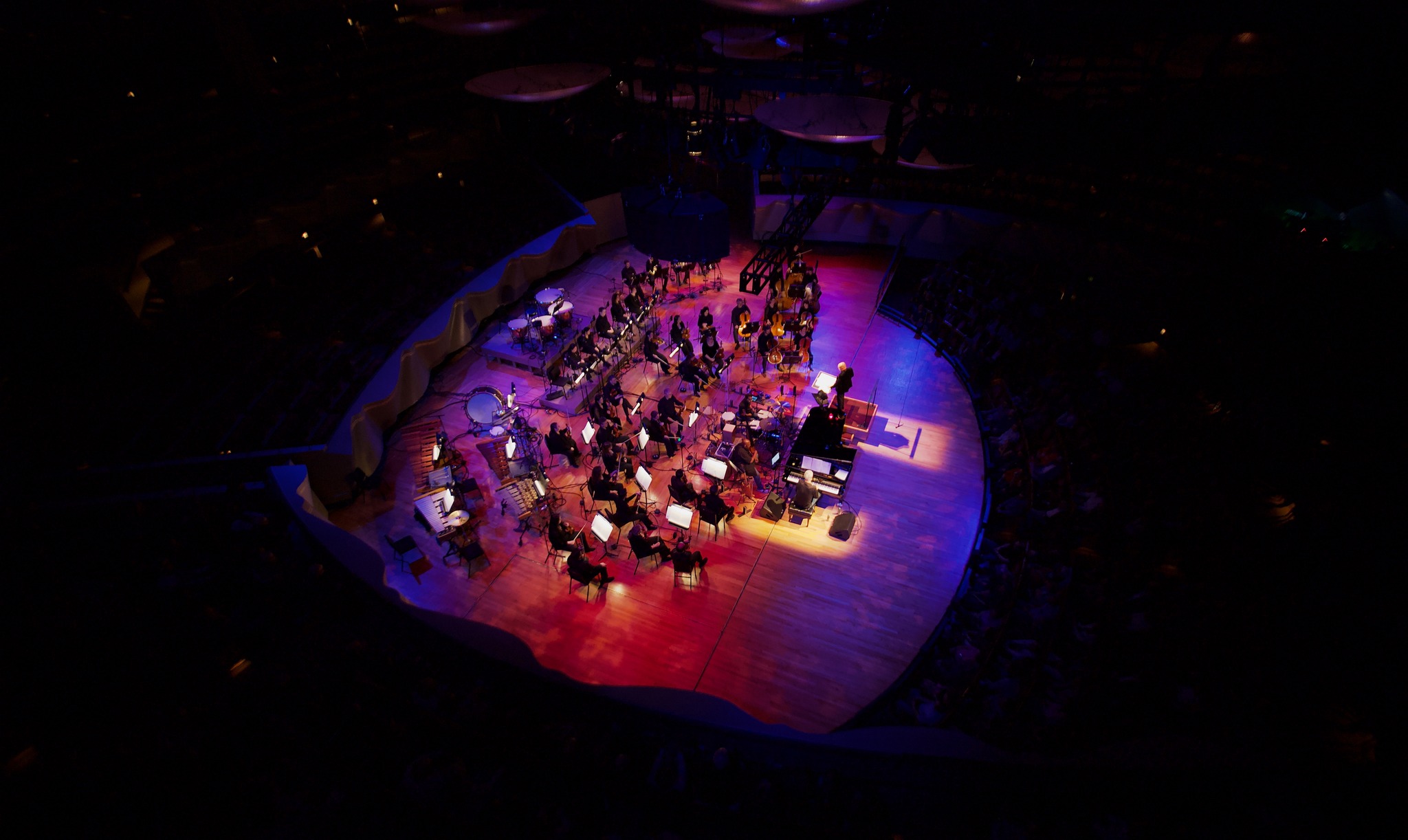
Although the music was the centerpiece of the evening, the setting was paramount to the execution. Originally constructed in 1978, Boettcher Hall was built to emulate other European theaters that had their sights set on acoustics for their cultured and discerning audiences. It is considered the United States’ first symphony hall with an ‘in the round’ design that not only takes into account the science of sound, but hosts a space that puts listeners closer to the action. Touting a capacity of nearly 2,700 and with seating on all sides, sightlines in its multitiered sanctum make for engagement no matter where one is sitting. With its arboreous detail and earthy hues, every facet of the vault is warm and enveloping and outside of its visual allure, the components of the room each serve a function. From the ground up, the moat surrounding the stage operates as a reverberation chamber for the low end, while the middle finds the ellipse wrapped in acoustical fascia serving to move and direct sound. The organization of the steamed-shaped plywood seating also plays a role in the acoustic outcome, making the hall sound occupied regardless of the actual audience size. Capping it all, a multitude of suspended diskus work to redistribute the sound downward for both the listener and performer. Although attending the live musical experience at any of Colorado’s legendary venues can be magical, a performance in a place built on sound mathematics and technology is all together another world.
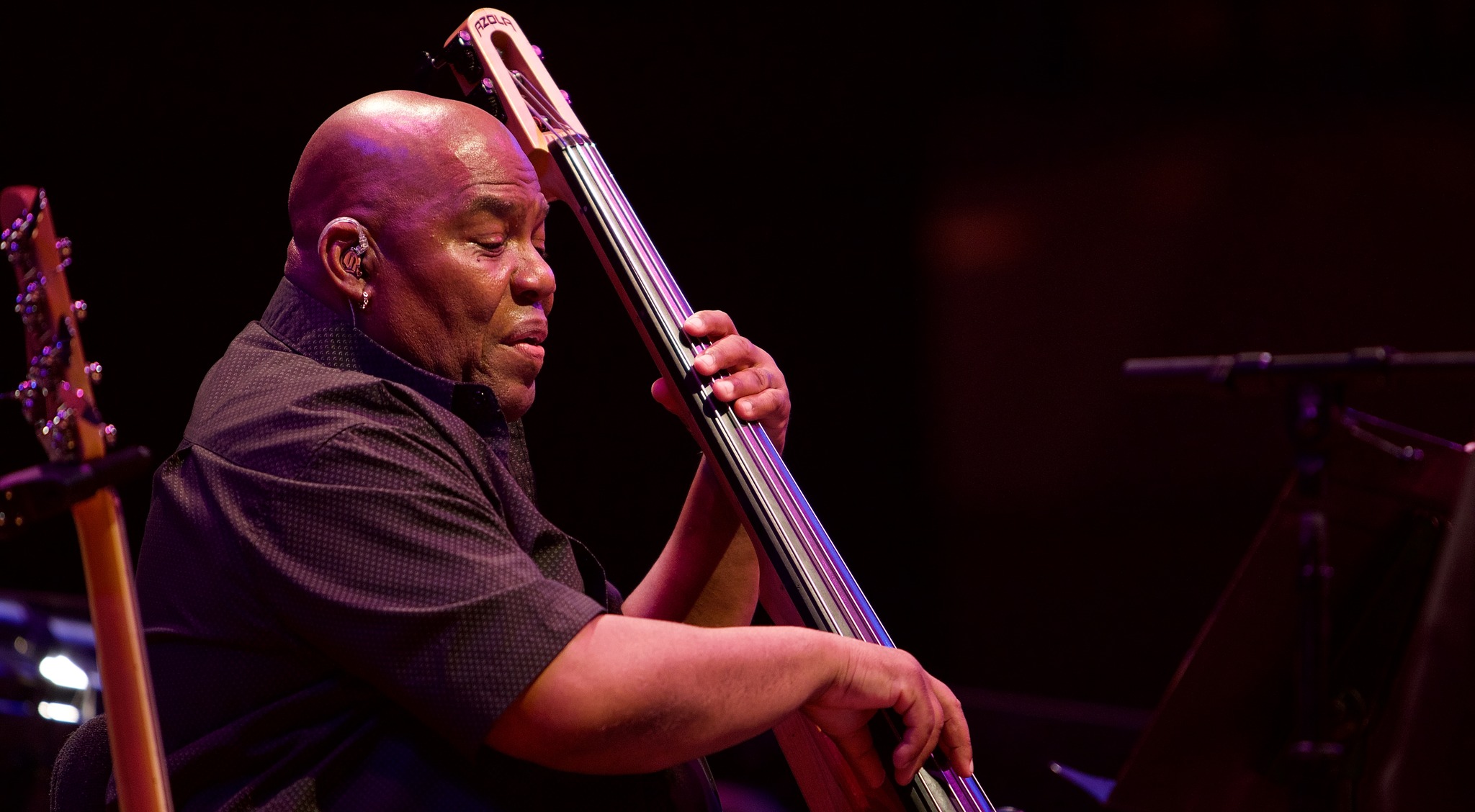
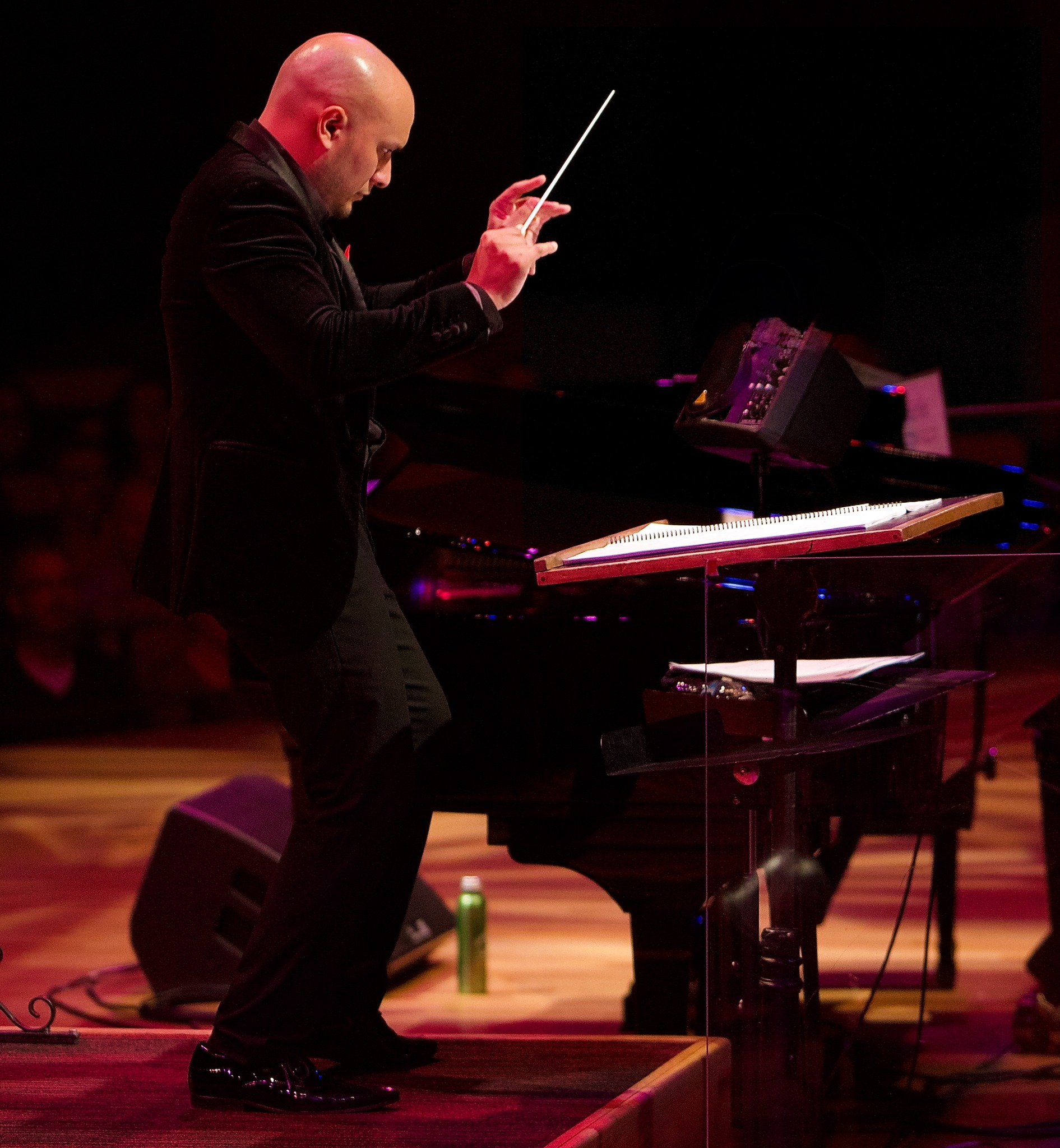
With a show time of 7:30, the seated patrons got their first glance at the musicians a bit closer to eight, as the chairs filled center stage with symphony members and their tuning exercises. From there, the group was joined by long time Hornsby collaborators groover doctor JV Collier on bass and kid trap wizard Chad Wright at the drum throne. It would be another twenty or so minutes when Hornsby and acclaimed conductor Christopher Dragon would finally make their entrance to a rousing ovation from the nearly packed house, with many in the aisles belting out the standard “Bruuuuuuuuuuce!” calls heard at so many of his shows.
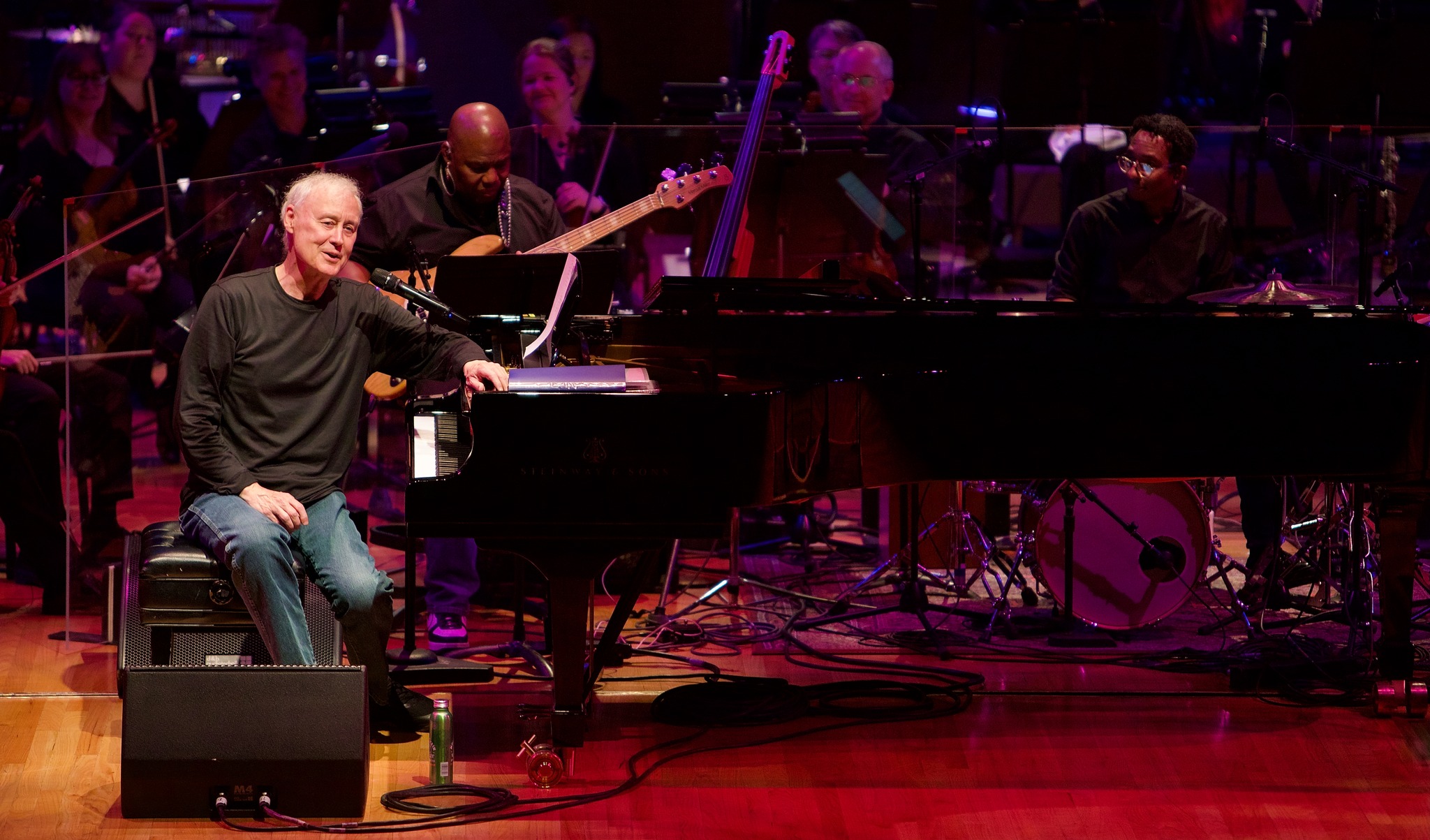
Smiling and nodding, Hornsby took his seat and replied to the fanfare, “We are ready to go, aren’t we?” With a laugh from everyone in the room, the players started the evening with “Life in the Psychotropics” adding some unusual flare to the 2014 piece. Addressing the audience, Hornsby explained more, “Thanks a lot, so nice to be here. That was a song called “Life in the Psychotropics”, it’s a light hearted song about depression and drugs with a little pointillism in the middle courtesy of Anton Webern. How many Anton Webern fans in the house?” With some significant applause for the referenced avant garde conductor and his “Variations for Piano, Opus 27” contribution to the set opener, Hornsby responded with surprise, “Amazing! Well, I might just have to play here every month!”, drawing laughter from the audience. Continuing, “For all the Webernites, I’d like to play a bi-tonal pop song…seriously! Here it goes.”
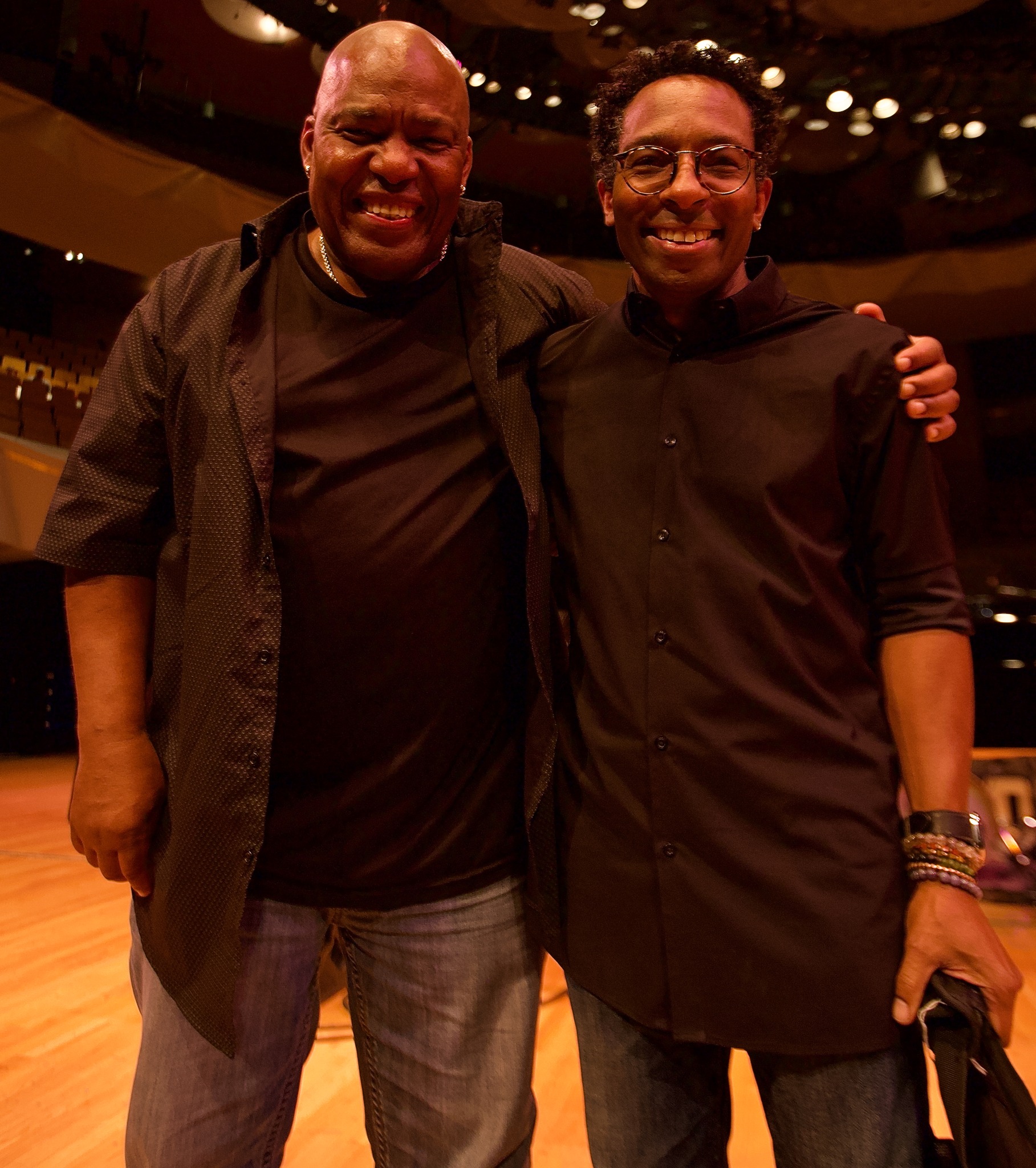
With a flurry and a hurry, the piano man launched into the unsettling tension that is “The Blinding Light of Dreams” from his adventurous 2019 album Absolute Zero. With back to back openers leaning more into the realm of the chaotic and utilizing the symphony to drive that context, it was clear that this show would not be a greatest hits event in the least. Following the close of the second choice, Hornsby drew the attention of Chad Wright’s playing, “Give it up for Chad Wright on drums!” As the audience focused on the drummer, Hornsby absent mindedly stood to receive the applause he prompted for his bandmate, quickly falling to laughter and shaking his head. Still giggling at his misstep, he explained himself more so to Wright than the audience, stating, “ It is kind of typical of me, I introduce you and I stand up! It’s kind of standard, isn’t it? I’m sorry!”, conjuring even more laughter from the audience as well as from Wright.
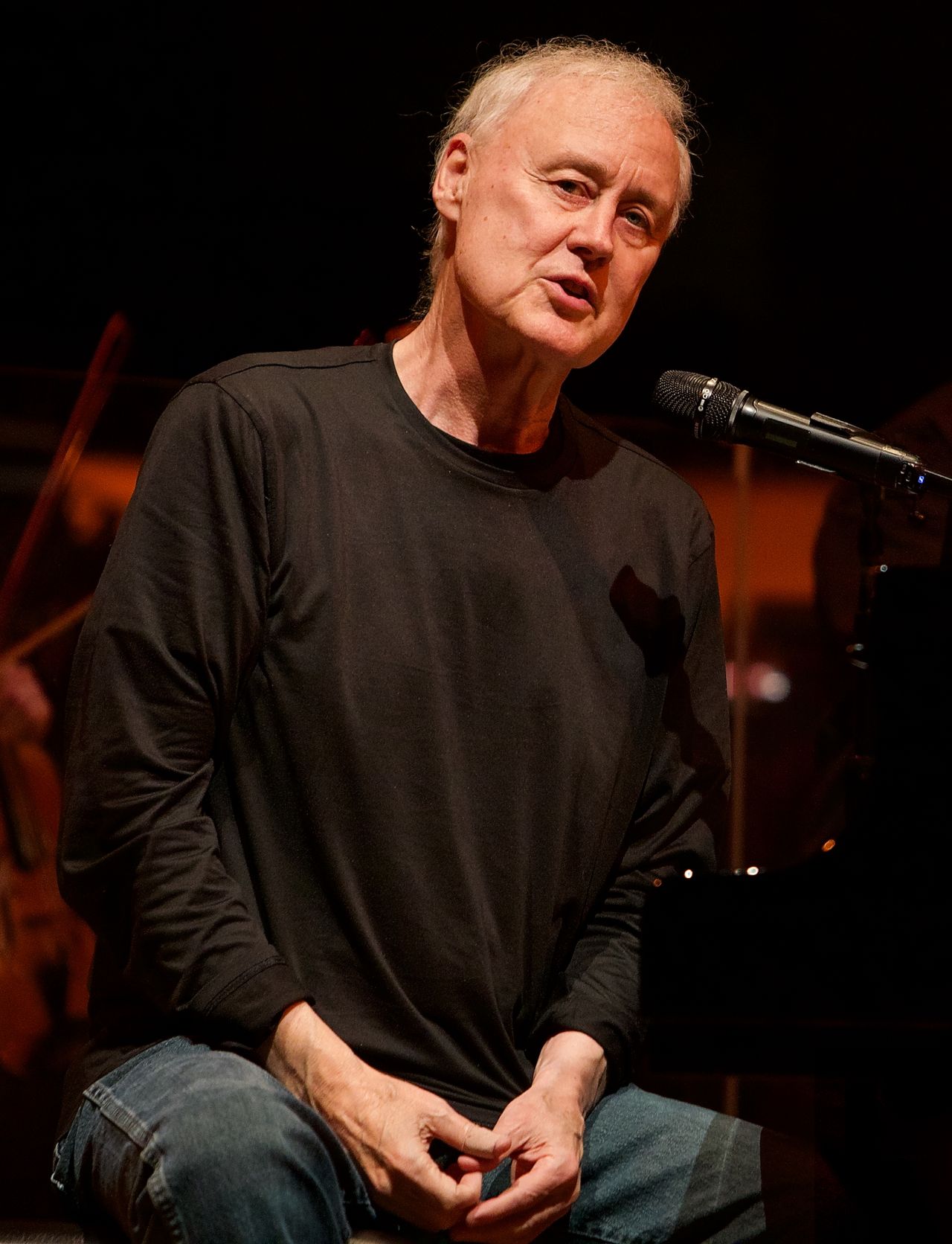
Setting up the next song, Hornsby decided to share a little history:
Ok, I will give you a little background, talk a little bit to the crowd. In this case, on this next song we’re going to do, it’s the title song from a record that I made that came out in 2019 to lots of attention around the world and the critical community. It was a record I made from… Well, ok, for about 12 years from 2008 to 2020, I scored films and a lot of music for Spike Lee and have always done music for him since the mid-nineties but this ramped up into a different level. I scored six films with him including two Netflix seasons of his series based on his first movie She’s Gotta have it…Classic! So, I amassed over 240 different pieces of music for this project and some of them were sounding a lot to me like they were crying out to be expanded into songs with words and so I decided to take that project on and start writing songs over some film music that I had scored hence I ended up with some very cinematic sounding music for obvious reasons. This is one of the first ones that I wrote and all these years later as I’ve been doing this a long time, this is the 40th anniversary of our first record this year, so the lyrical page is pretty filled in so now I’m far afield to find subject matter. This is a song about cryogenics.
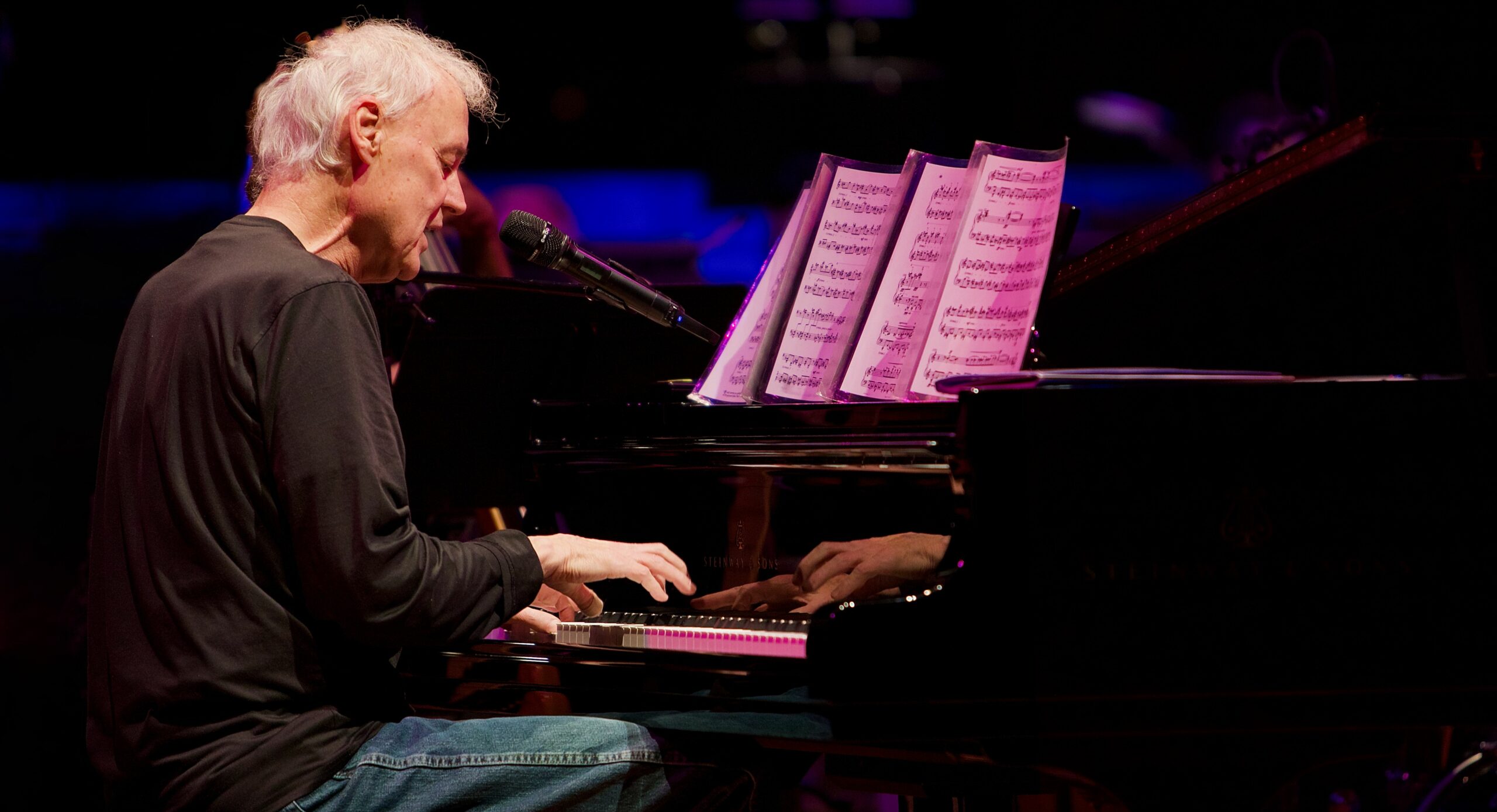
With a droning stringed hum wrapping the song’s frigid lyrics, “Absolute Zero” filled slot three for a brief reprieve from the chaotic openers. The instrumentation flowed slow and plasmatically like a descending mercury stream into cooler temperatures while Hornsby’s voice served to warm the melody well. At only three minutes, this was enough to cool the room and reflected the vibe that the casual listener might expect to hear from this night’s programming.
Known as a man of manners, Hornsby paused to recognize the supporting talent, “You have a magnificent orchestra here and we are so happy and privileged to be playing with them tonight”, a statement that the house was happy to endorse. As the applause settled, Hornsby began another story to the delight of the audience:
It’s been forty years since our first record came out and the record company picked a song that they thought should be the single in America and to be released four months later in the UK. They had a different idea over there. So we put this song out and this song featured an intro that was an homage to the great Charles Ives.
At this point, much like his Webern comment earlier, a portion of the audience vocally called out their support to the Modernist composer Ives, prompting Hornsby to retort, “ I see some Ivesians reside here…at least for a couple of hours”, again enticing the crowd to further spur on the bandleader’s comedy. Resuming his train of thought, Hornsby got back on track:
So, we put this song out and it got to number seventy two on the Billboard charts…but one of the places where it really performed, as they say in the radio world, was right here, well, close enough, in Boulder at KBCO. Anyway, so this song came out and it did what it did and then about a year or two later, we got a letter from the Ives Foundation… oh no, from Schirmer Publishing, saying ‘You have infringed on our work’ and I am thinking ‘Man, isn’t this public domain yet? Hasn’t it been enough years yet?’ Anyway, they said, ‘You have infringed’ and our response was, ‘Yes, you are absolutely right. You can read a thousand and one interviews around the world where I am saying that this is an homage to the great Ives and ALSO the great Beethoven because ol’ Ives stole it from Beethoven.’ So, start off with my intro, it is hilarious to get this on top forty radio, yes it did. This is the little part that caused all the ‘sturm und drang’ in the classical publishing world.
With that, “Every Little Kiss” began with the standard homage pulled from “The Alcotts” movement of Ives’ Concord Sonata. The familiar piece floated into the open air of the room under the softness of Hornsby’s touch and support of the strings section, sending this emotive piece into the heart and soul of every spirit in the hall. With a warm build and an allowance for the symphonic stretch, this one certainly hit as memorable and evocative.
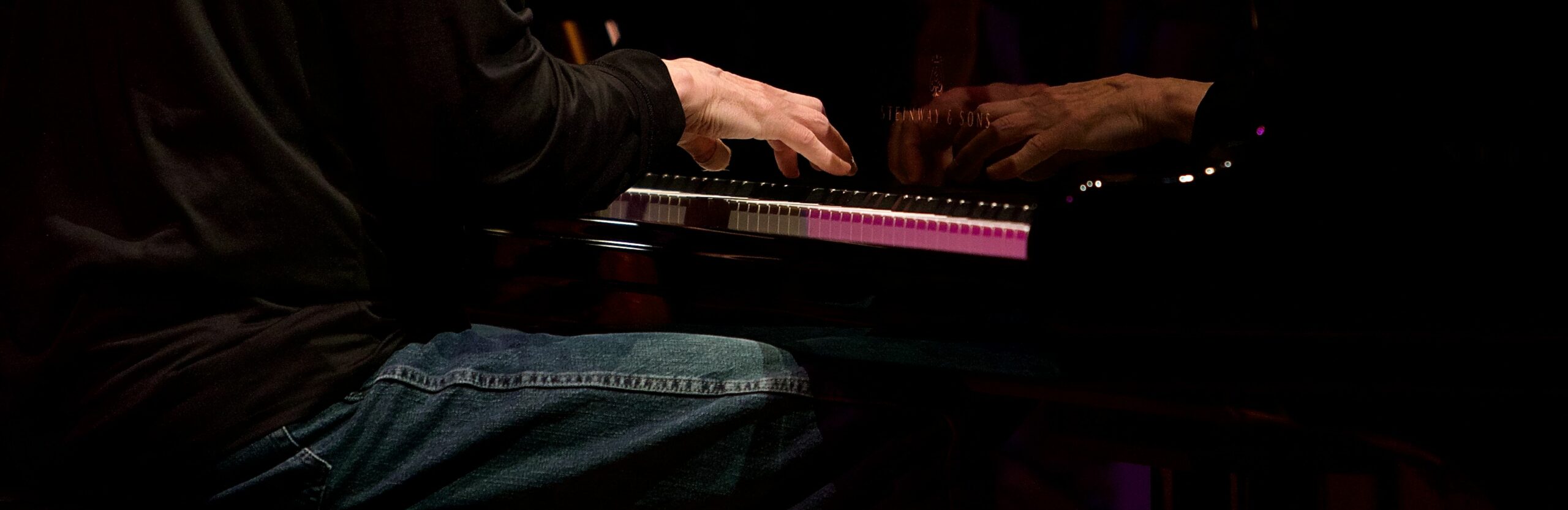
Pulling from the 2009 Levitate album with “Here We Are Again”, Hornsby described this one as “a song that utilizes the language of physics in a love song”. Detailing the loss of a deep love, the story teller wistfully dreams of travelling back in time to imbibe in more precious moments in order to escape the void and loneliness of the present. At points, this one moved fluidly through haunting emotion, while at others, promoted feelings of falling and insecurity, the symphony’s orchestral talent shining through with dark movements and lifting passages. At its close, Hornsby took time to recognize the talent of the orchestra once again:
This orchestra has great time and a great deal of rhythmic precision. That one was kind of a swing tune and you’re not used to hearing orchestras swing…The Colorado Orchestra swings!
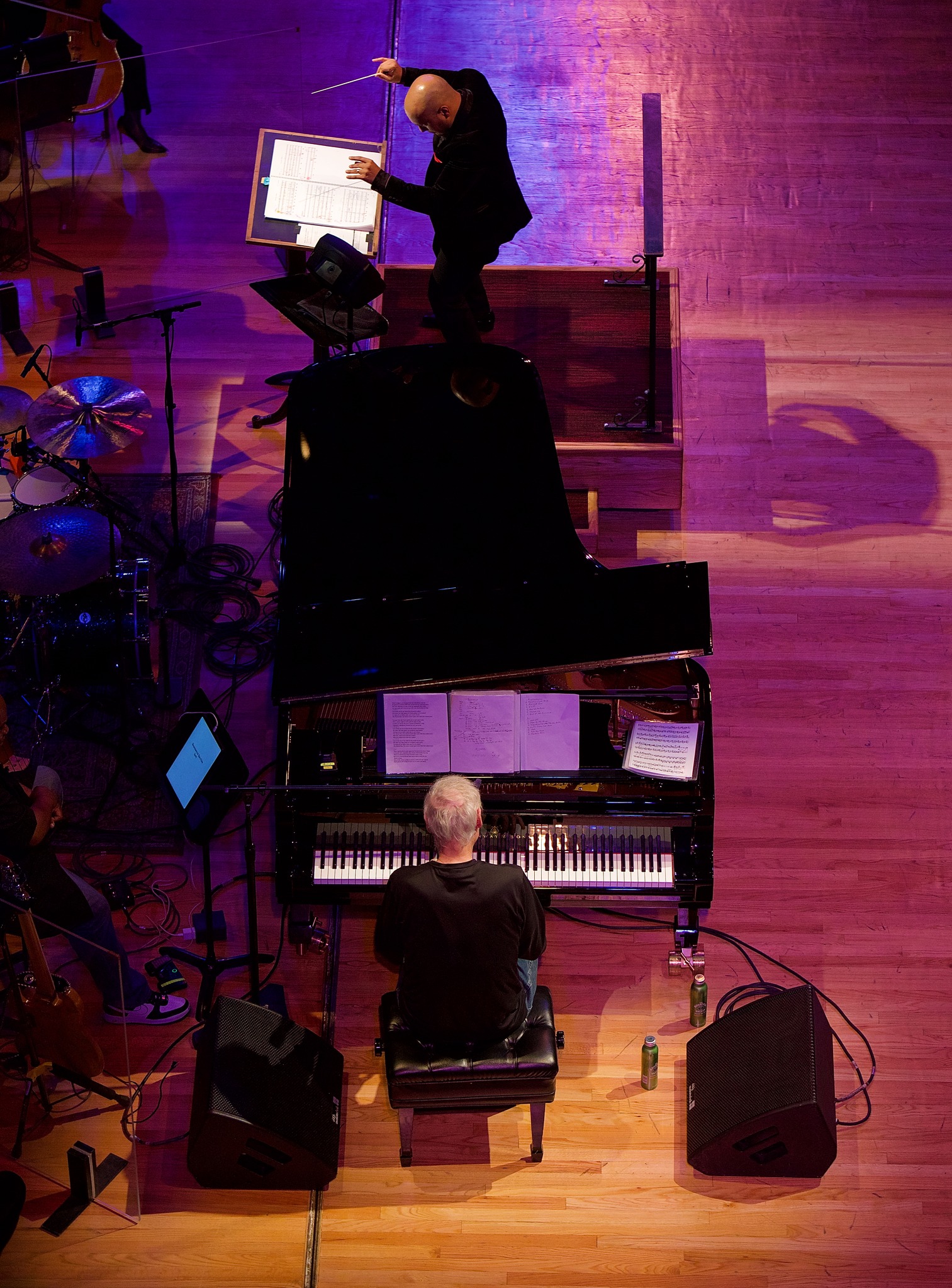
Returning again to the Absolute Zero album, the penultimate piece of the set would be “Voyager One”. This number touches on all your typical themes found in modern music: space travel, aliens, serendipity, fate, karma and childlike wonderment. The upbeat pulse had fans grooving in their seats. Driven by Wright’s cymbal ride and snare snap, this one afforded a great deal of prominence to the drummer and his talented fills.
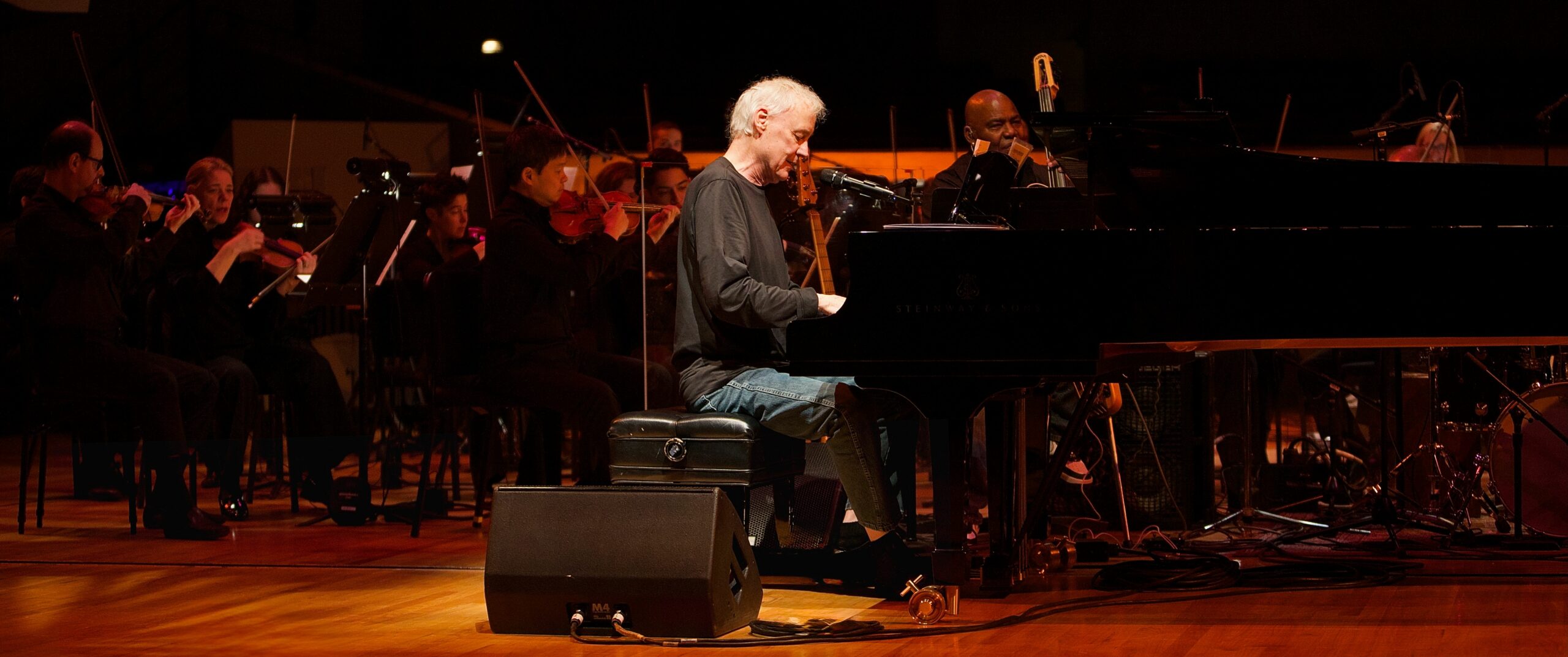
For the final feature of the frame, Hornsby presented his piece “End of the Innocence” written with and for the legendary Don Henley. Hornsby recounted the two at his home sitting down to forge the tune following the success of Hornsby’s first album. As the story goes, there was a knock at the door and when Hornsby answered it, there was a Fedex package from RCA records, an envelope as it were, and under the spurring of Henley to open it, Hornsby liberated the contents to find his first royalty check which was ‘rather substantial’. Sharing with his co-author what had laid inside, Henley looked at Hornsby and said with a cool demeanor, “Welcome to the club” the way that one could only imagine Don Henley would say it. Getting into the radio staple, the orchestra proved its ilk once again, shimmering as the backdrop to this poignant piece of love and purity. Hornsby added Bill Evans’ “Twelve Tone Tune” to the intro and sprinkled in his original “Song A” through the midsection, adding to the depth and feeling alongside the bass and cello foundation giving this choice even more weight.
With a solid fifty minute set played out, Hornsby hit the microphone one last time before exiting stage right for intermission and stated, “As my late, great beautiful friend Bob Weir used to say ‘We’ll be back in just a little bit”, adding a little more length and volume to the already deafening ovation the talent was getting at the close of set one.
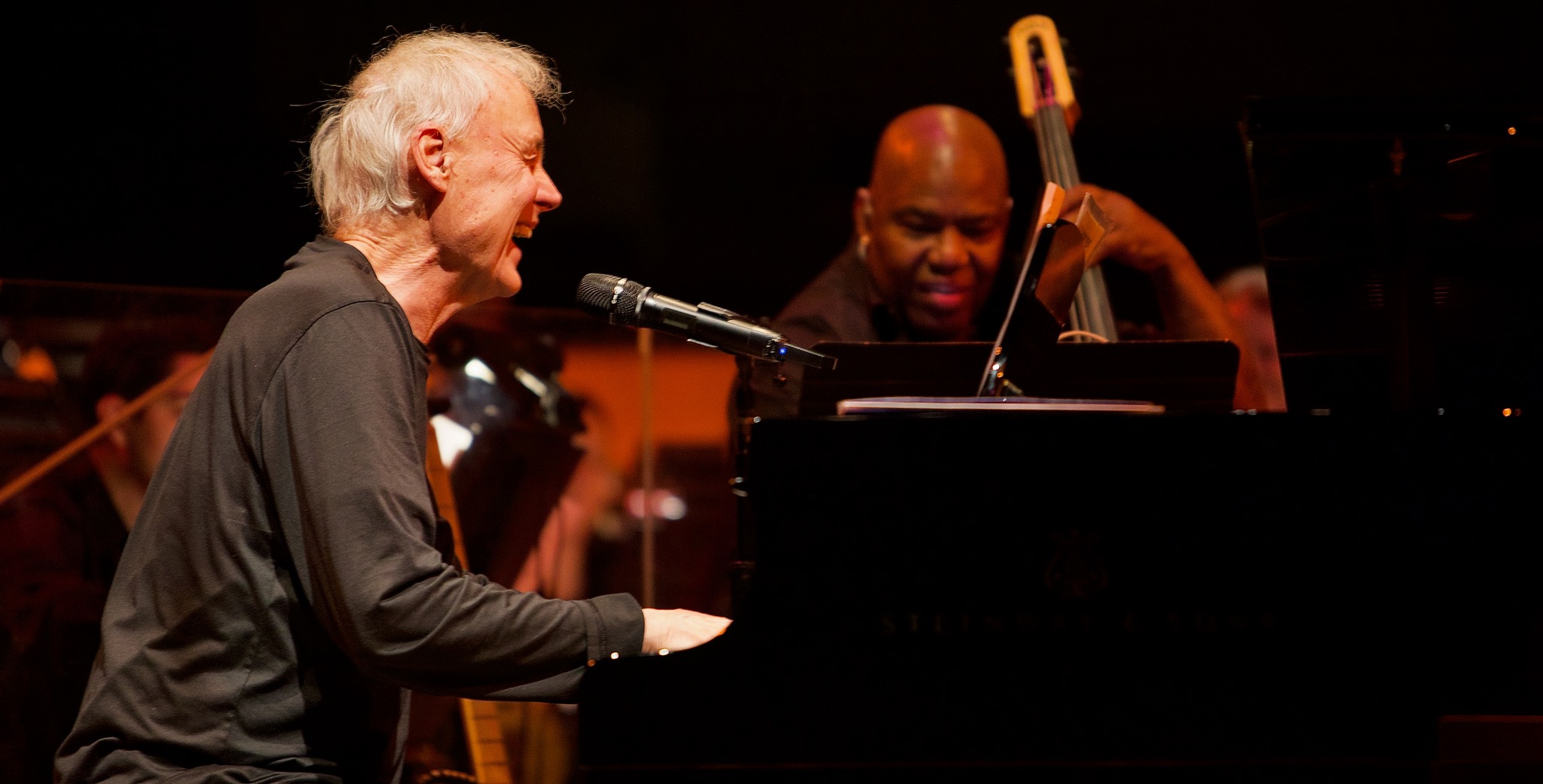
Finishing an intermission that was just long enough for the smiling droves of happy souls to hit the head, get a drink, and return to their seats, the audience began welcoming the players back as they moved from the shadows towards their seats. With the symphony back in place, JV Collier strolled out on stage with a serious look and seemed to be taking his respective spot next to Boettcher’s black Steinway, but at the last moment, the low end leader paused for a moment of comedy under the welcoming applause of the room. Instead of hooking left to his stool and music stand, the playful Collier instead sat at Hornsby’s bench as though he was going to change his role altogether, displaying to the onlookers his infectious grin of joy he so often shares when performing on stage. This action spawned great laughter and swell from the onlookers as Collier giggled and eventually made his way to his seat in coach. When Hornsby finally found his way to the captain’s chair, someone yelled out, “JV, Play it!”, prompting Hornsby to turn towards the darkened hall and raise an eyebrow before panning back to Collier with a stern look. Never short on tension and release nor comic relief, Hornsby then proceeded to mimic what it would be like if Collier had accepted the offer and began playing a rudimentary version of “Chop Sticks” on the keys, prompting the crowd, Collier, and the whole of the orchestra to laugh simultaneously under the sternful gaze of Professor Hornsby. Finally dawning his own wiry smile, Hornsby took up his resident spot and settled in, starting set two with his original piece “Hymn in C” originally released on the soundtrack for Spike Lee’s film Red Hook Summer. As is often standard, the hymn transitioned into the 2020 original “The Rat King”, telling its tale of consumerism at its best and the death of retail business at the hands of the online marketplace. Both pieces were short lived but bright and were played exclusively by Hornsby as everyone else in the room took in his talent and tout with open ears.
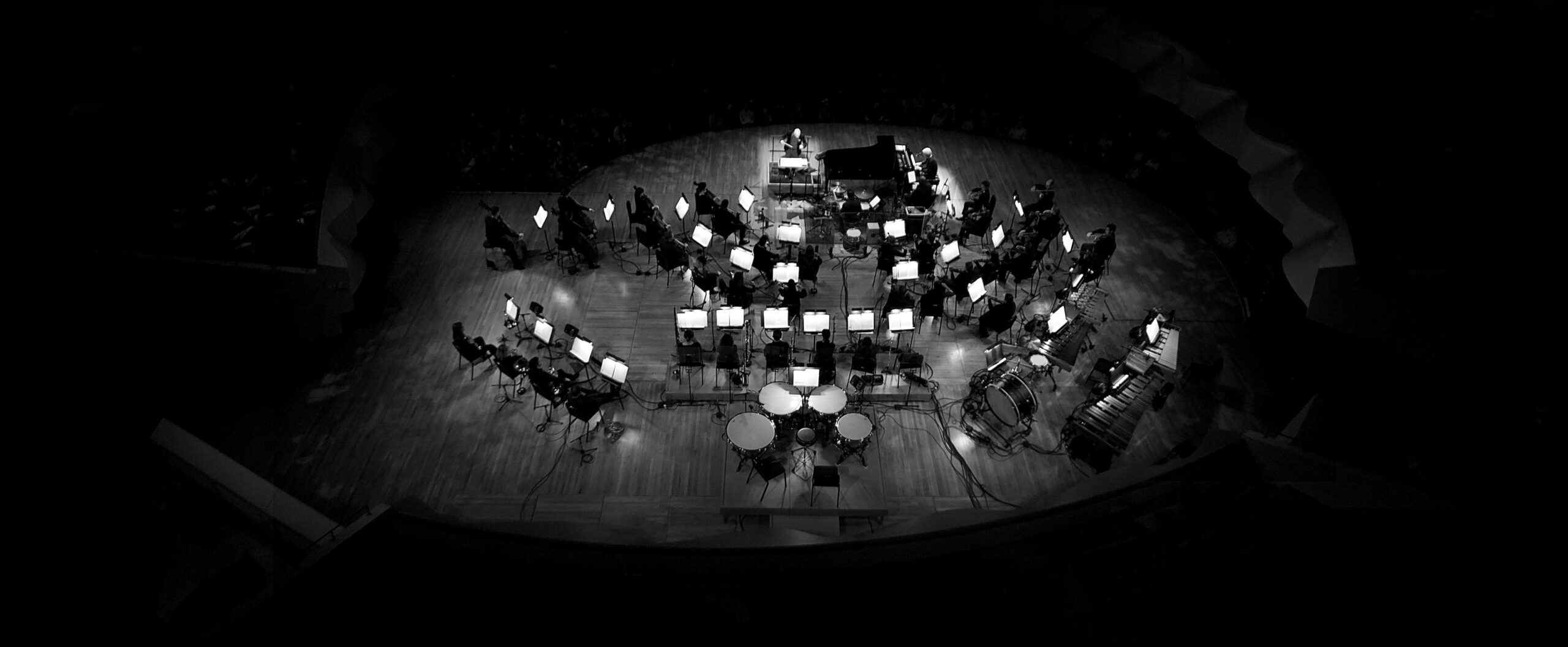
Transitioning without pause, the strings with their bows to the ready and mallets of the xylophone and timpani raised, the orchestra engaged under Hornsby’s lead in perfect time, launching into the forlorn “Cast Off”. Yet another track from the cinematic supplied Absolute Zero album, this spun web puts the rejected subject into a space of acceptance and comfort when not being the sought after prize. Although the song’s idea suggests fracture and fault, the music carried a rousing triumphant strength through the pulse of the drums and crescendo in string that lifted the spirit rather than leaving it dwindled in demise.
“Never in this House” landed next and was described as “a dysfunctional family song, a simple folk song” told through the perspective of a father, a mother, and a son, where each character reflects on stability and security as a dream but never experienced within their own four walls.
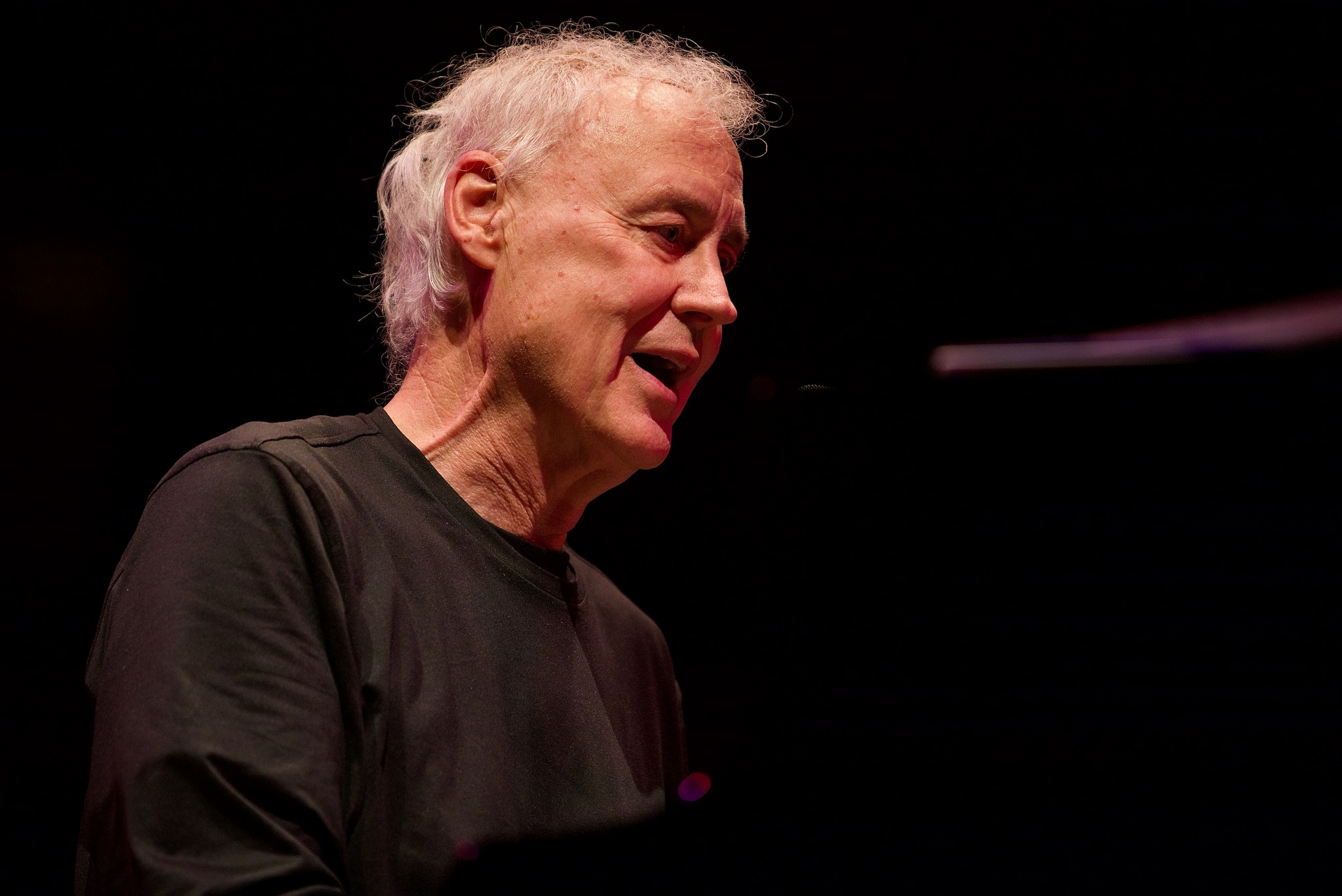
Keeping things to the classical highbrow, Hornsby began the next segment with some minor chord avant garde stylings from composer Arnold Schoenberg’s “Opus 42” for multiple minutes. Operating as a lone contractor, Hornsby teased “The Way It Is” throughout the heavy-handed havoc, never settling into the comfortable, familiar theme or allowing the audience to do so for that matter until he was good and ready. Eventually, relenting the torment of discord, Hornsby was greeted with a grateful applause of relief and appreciation when he finally fully engaged what is notably the most successful commercial track of his career. Hearing this selection against the support of strings lifted the soul in a way that struck the tune anew for anyone who was familiar with the radio hit. At the midway point, Collier and Wright joined in the piano-string program already in progress, Collier playing with a significantly pronounced voice to the delight of the maestro and patron alike. Teasing and segueing the way Hornsby does oh so well, sprinkles of My Fair Lady’s “Ascott Gavotte” were thrown in as well as a nearly full rendition of The Beatles’ “Dear Prudence” that had everyone shining and laughing at the unexpected. With the close of this one, a significant portion of the crowd called out “Bruuuuuuuuuuce!”
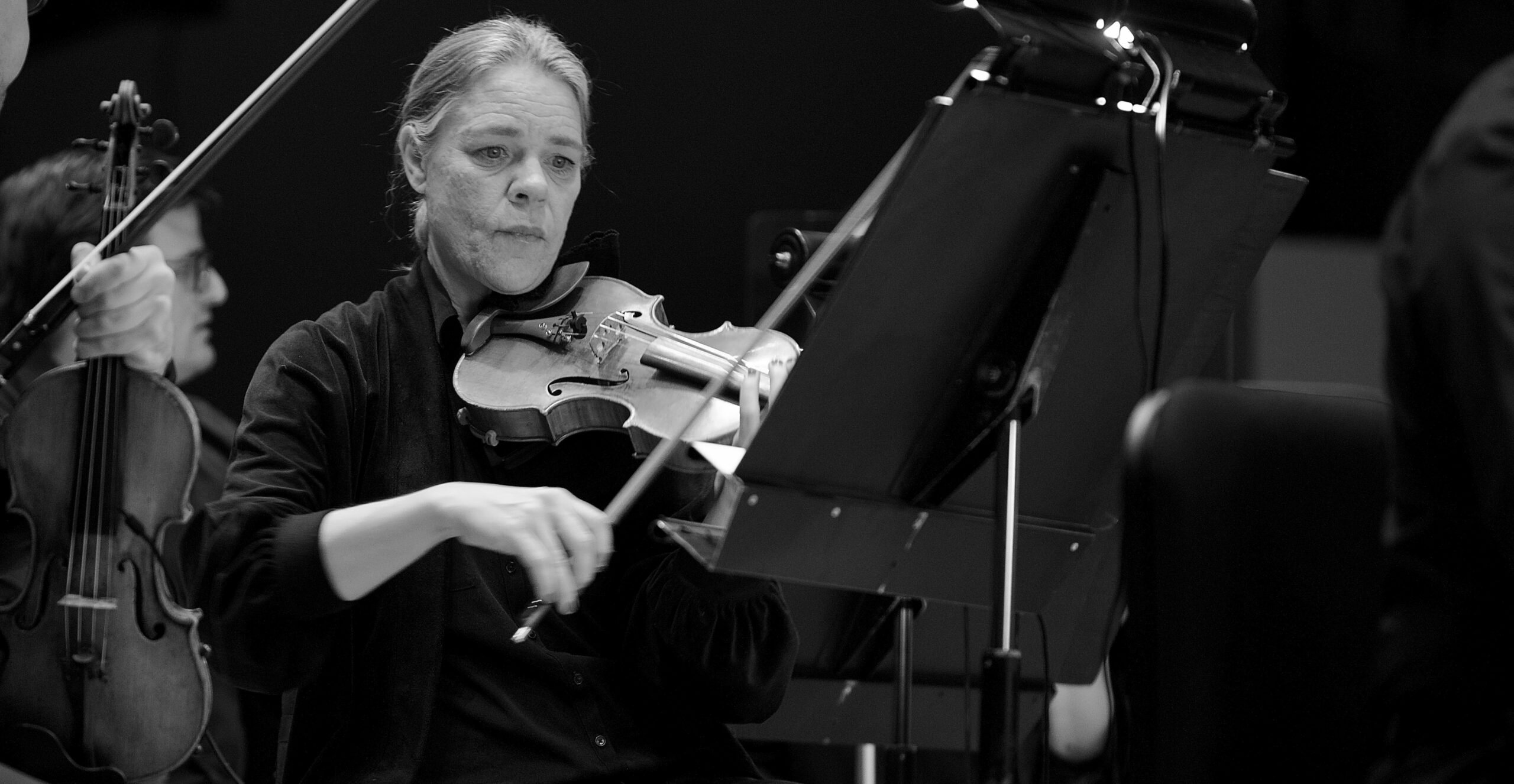
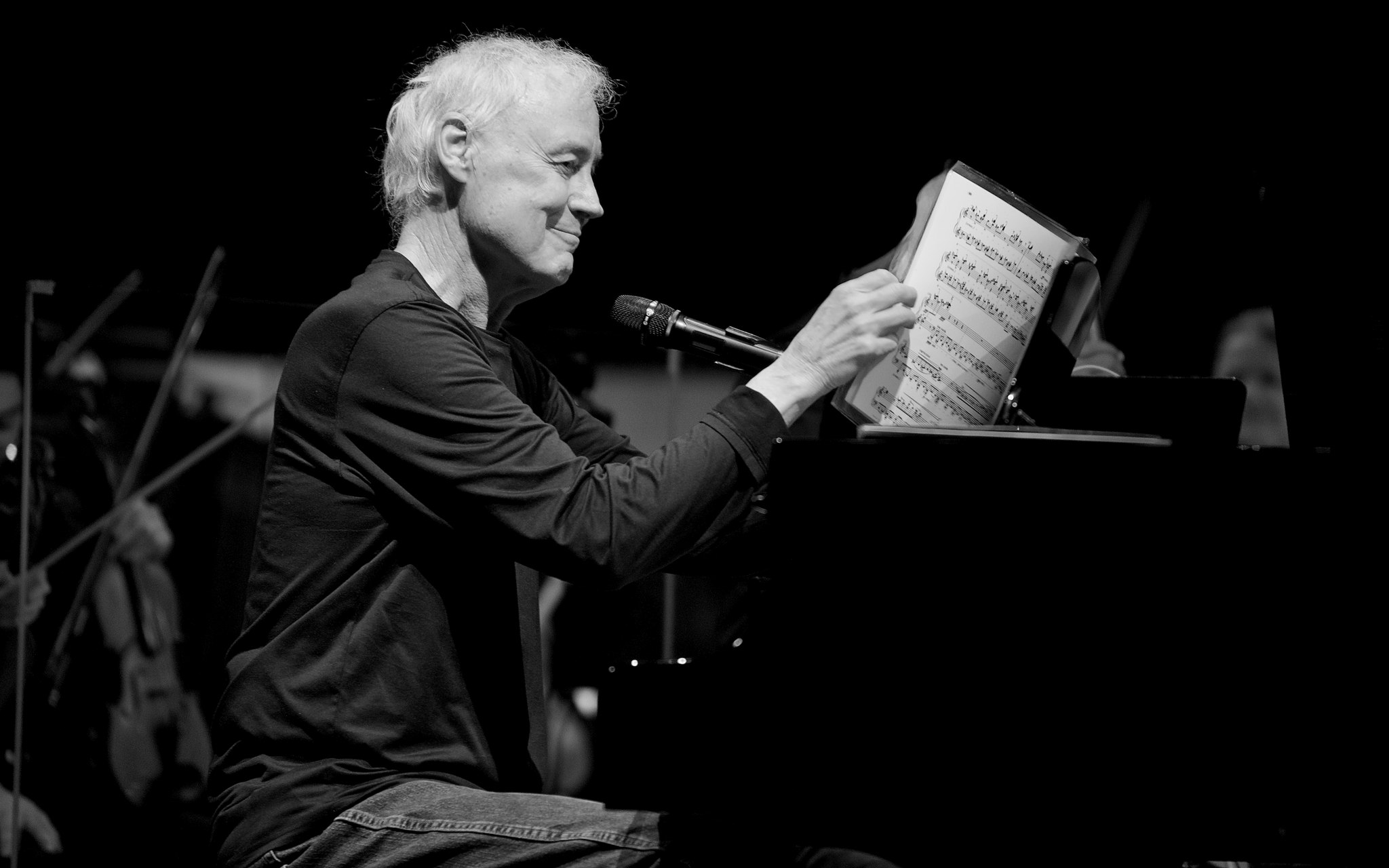
Introducing the next piece as “a crazy song with crazy in the title”, “Shit’s Crazy Out Here” was described as being about “the darwinian world of AAU high level summer basketball”. Hornsby referenced his son’s college and professional basketball career, a fact that many in the audience seemed to be aware of as they called out “Keith” and acknowledged the proud parent’s implications during the back story. Like a dark carousel ride, this one bounces in an unnerving way that conjures images of players on the court in coordinated slow motion free fall while describing the scene in letter as pressured, unforgiving, and insecure. With the orchestra accompaniment, the foreboding vibe was complete.
Returning to Absolute Zero, “Meds” was the next entry on the list. This one plays on themes of depression and self-medication and management and although these topics carry significant weight, the music carried the script in a way that was hopeful and promising, the strings and horns sections lifting the room to flight, adding to the triumphant descriptors of love winning out in the end.
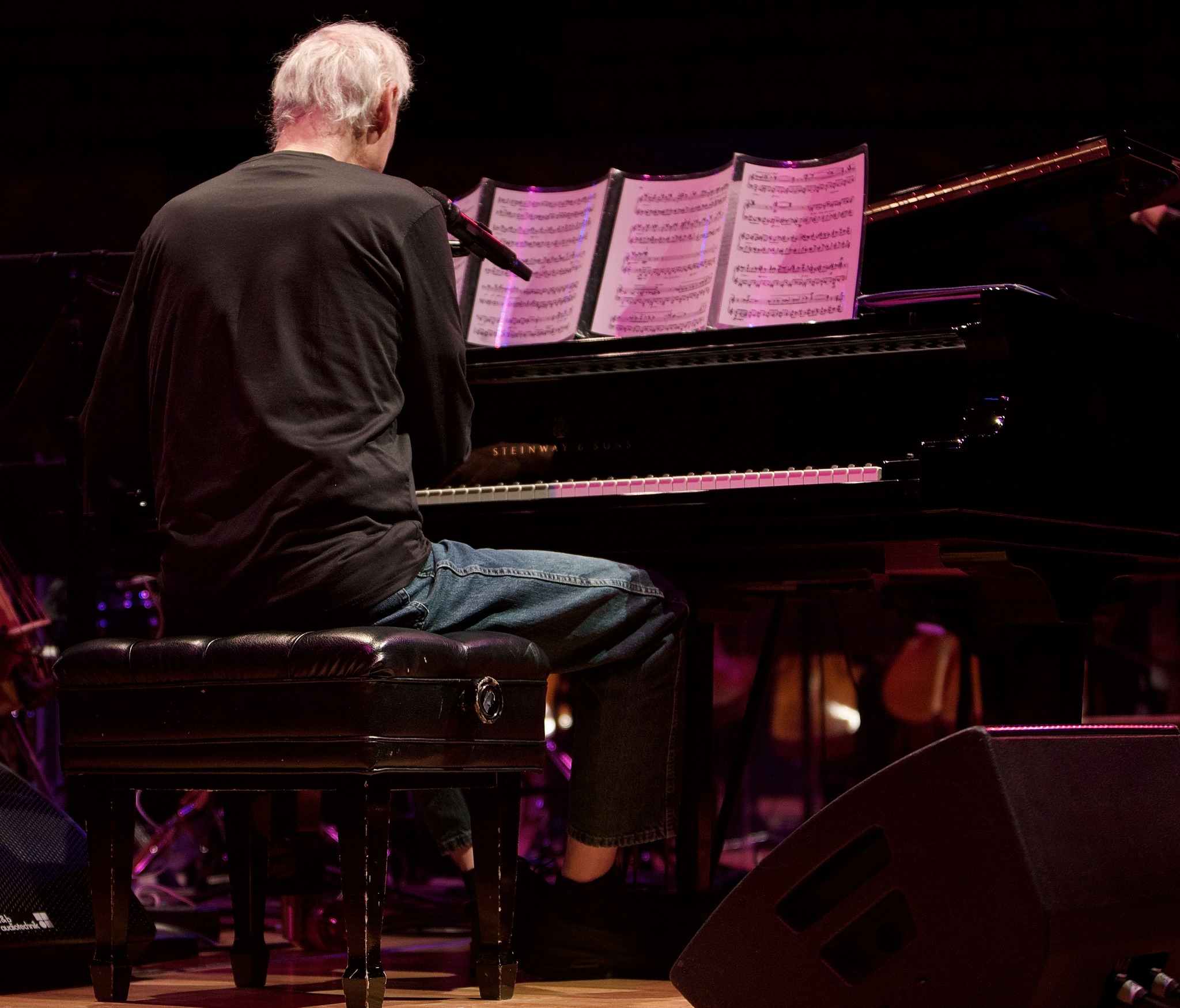
Although Hornsby has moved away from the Grateful Dead catalog for some time now, he often recognizes his relationship professionally and personally to the band that produced some of its most inspired playing with him as a member. Touching on that theme, the introduction of the following piece revealed this notable connection all this years later:
Thanks so much. This is a song I wrote with the great Robert Hunter. We wrote five songs together before he took off and one of them is on our upcoming record and I think it is very possible that it features the very last recorded performance of Bob Weir. This was also on the Absolute Zero record so we are mining that one a good bit tonight. Might be time for some new charts?!?!
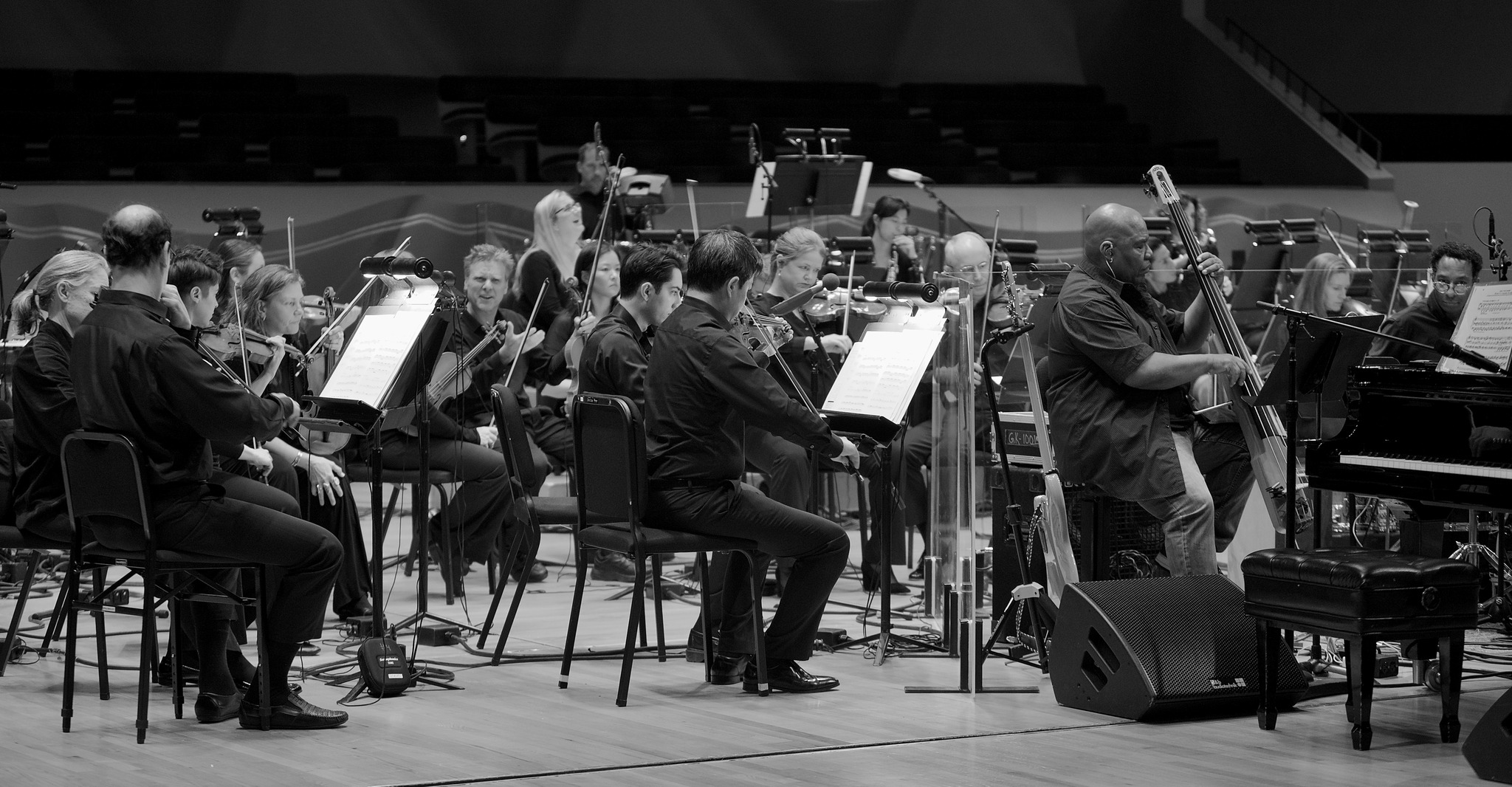
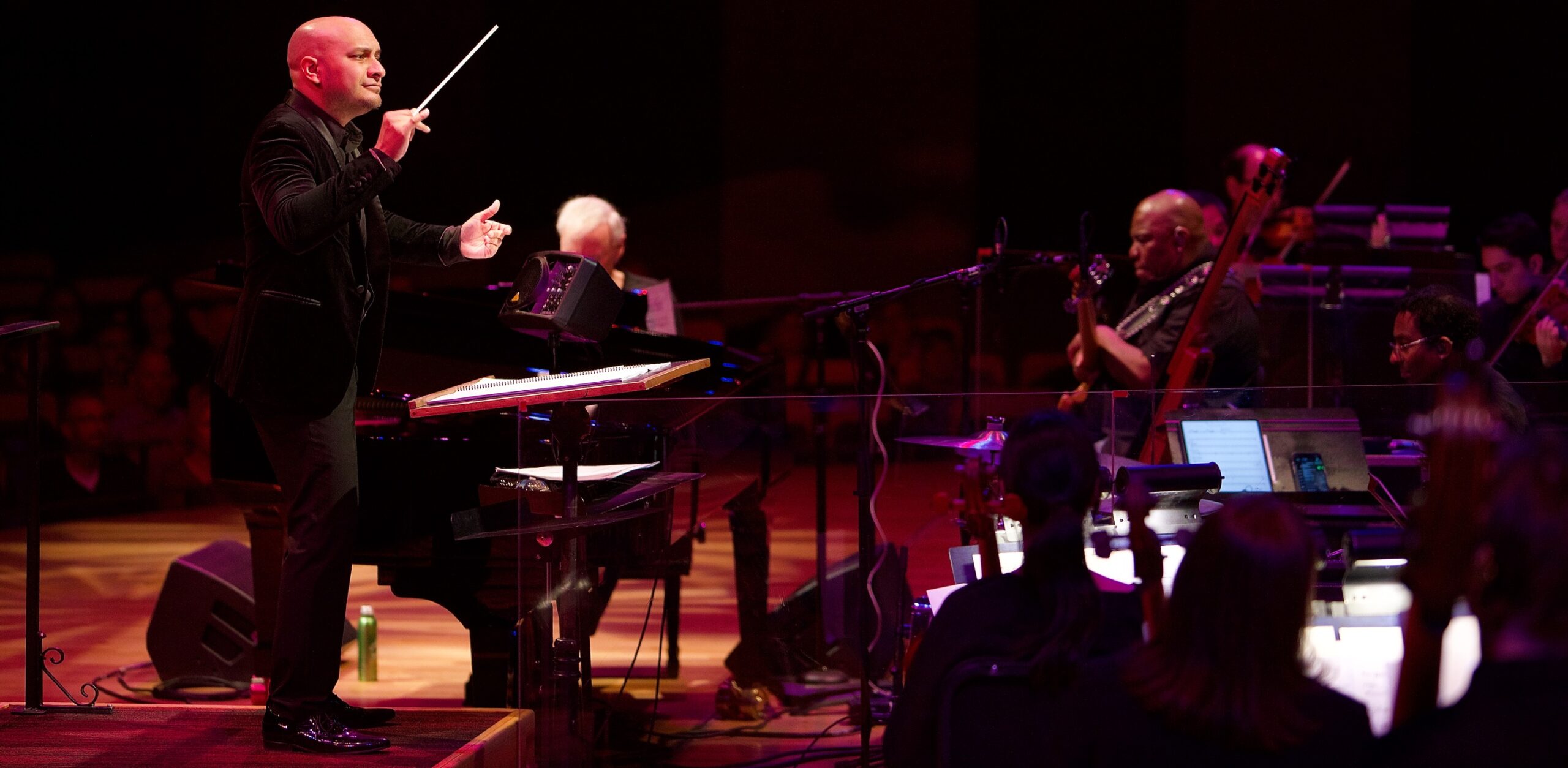
A soft and lilting piece with a backbeat driver, this one played well against the sawing of the violins and building horns. The bridge section also broke away from the initial straight ahead feel and embraced a bit of the weird, both in tune and talk. The final peak was overflowing with the glow of the brass, more so than any other piece of the night and at its close, the audience took a standing ovation to the memory and moment of both Hunter and Weir.
Foregoing the ‘encore game’, Hornsby and Company remained in place for their last piece of the evening, the southern gentleman addressing the audience one last time:
Thanks so much. We have one last song, it is a very well known song. We intend to render it unrecognizable for you. This is our want…rather I say ‘my want’, I don’t blame them. Ok, this is the version recorded by the Skaggs-Hornsby bluegrass group.
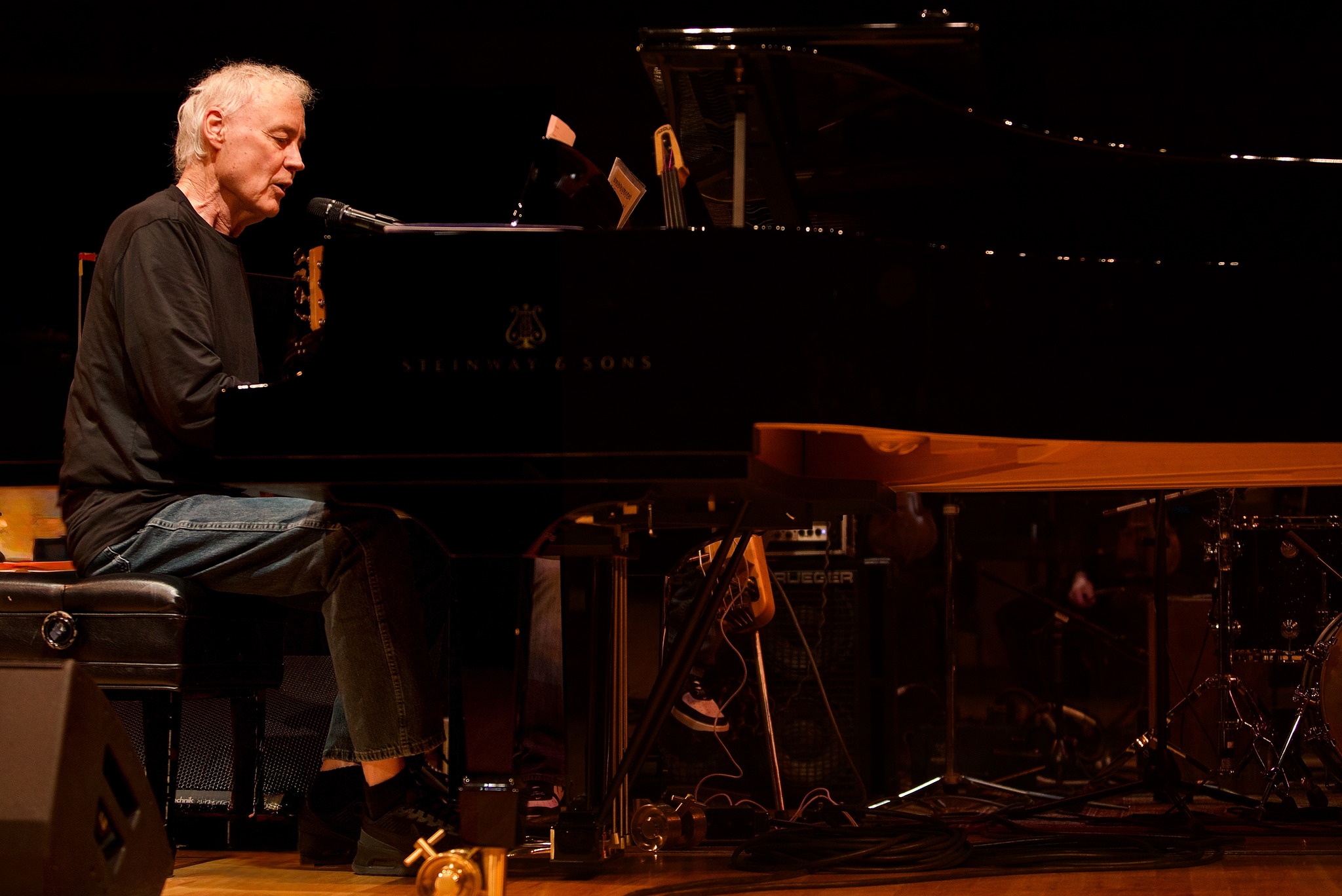
With the introductory line, “Mandolin Rain” was easily recognizable in spite of Hornsby’s threat of disfigurement. This translation of the familiar song of love and loss had a more solemn context to it than its original form and was read as a ghostly, faded passage. The spacing allowed for the orchestra to break through strong and often, speaking out in its many voices distinctly rather than in a group barrage. Although one might have expected the players to go out on a high note, this subdued final moment felt quite right and even though the ending landed on the softer side of the soundscape, this did not bar the audience from producing a substantial standing ovation of lengthy applause and adorned with shrill whistles and exuberant calls for “Bruuuuuuuuuuce” that lasted for several minutes.
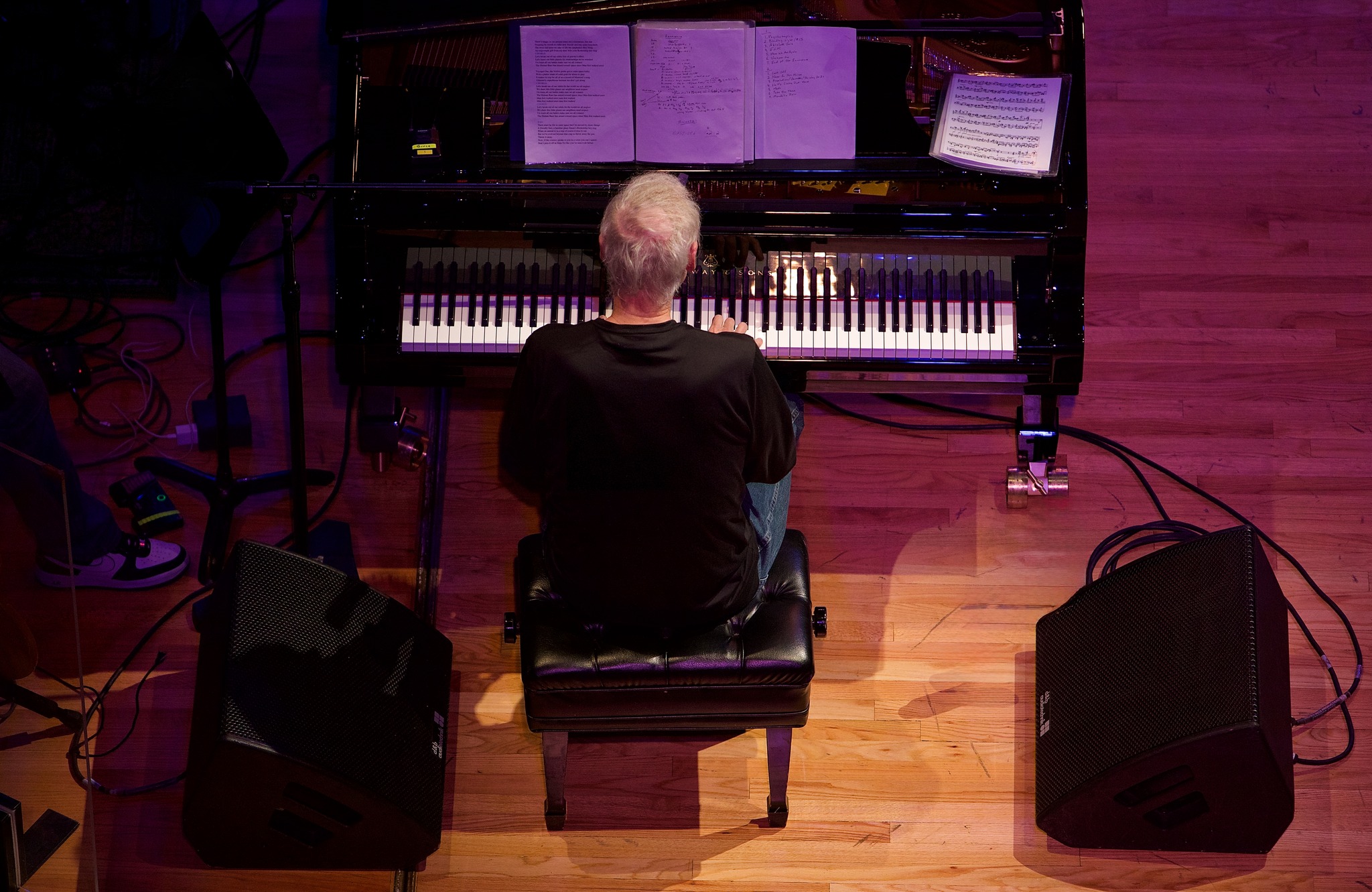
In the end, Bruce Hornsby showed once again his talent and demeanor as a master in his field and demonstrated his love of performance to those who came to listen as well as to those who came to play along. Listening to his story telling, vernacular, and lyrical content, one can easily render that the man is well spoken, well read, and enjoys employing language that stimulates those engaged to think and visualize this life experience. At his core, he is warm and jovial, enjoying the jocular even at his own expense, and seems to search for the silver lining in spite of tragedy and despair, knowing it is there even if hidden. It is also evident, as the decades have proven, that Bruce is connected to his craft in a way that success is the afterthought and the point of it all is the muse he finds in the world shifting around him. Although each set wrapped at about fifty minutes, within these intervals, the passing of time was suspended and the focus was secured to the moment, making the two acts seem longer than what the clock read. Although Hornsby’s engagement with a symphony is rare, he operated as expected: serving as proficient leader as well as conscientious contributor. Although there would have been no gathering without the benched man of the evening, accolades must also be offered up for conductor extraordinaire Christopher Dragon, referred to as “The Dragon” by Hornsby himself, whose diligent direction and silent power subdued and directed the multi-headed beast that is The Colorado Symphony. His leadership proved strong and admirable and when the spotlight was on him, it was clear that the whole of the room agreed wholeheartedly. Lastly, The Colorado Symphony is a stand alone force that exudes talent and precision and would be a rewarding experience to witness no matter what form they take, contemporary or classical, especially inside of the hallowed house that is Boettcher Hall.
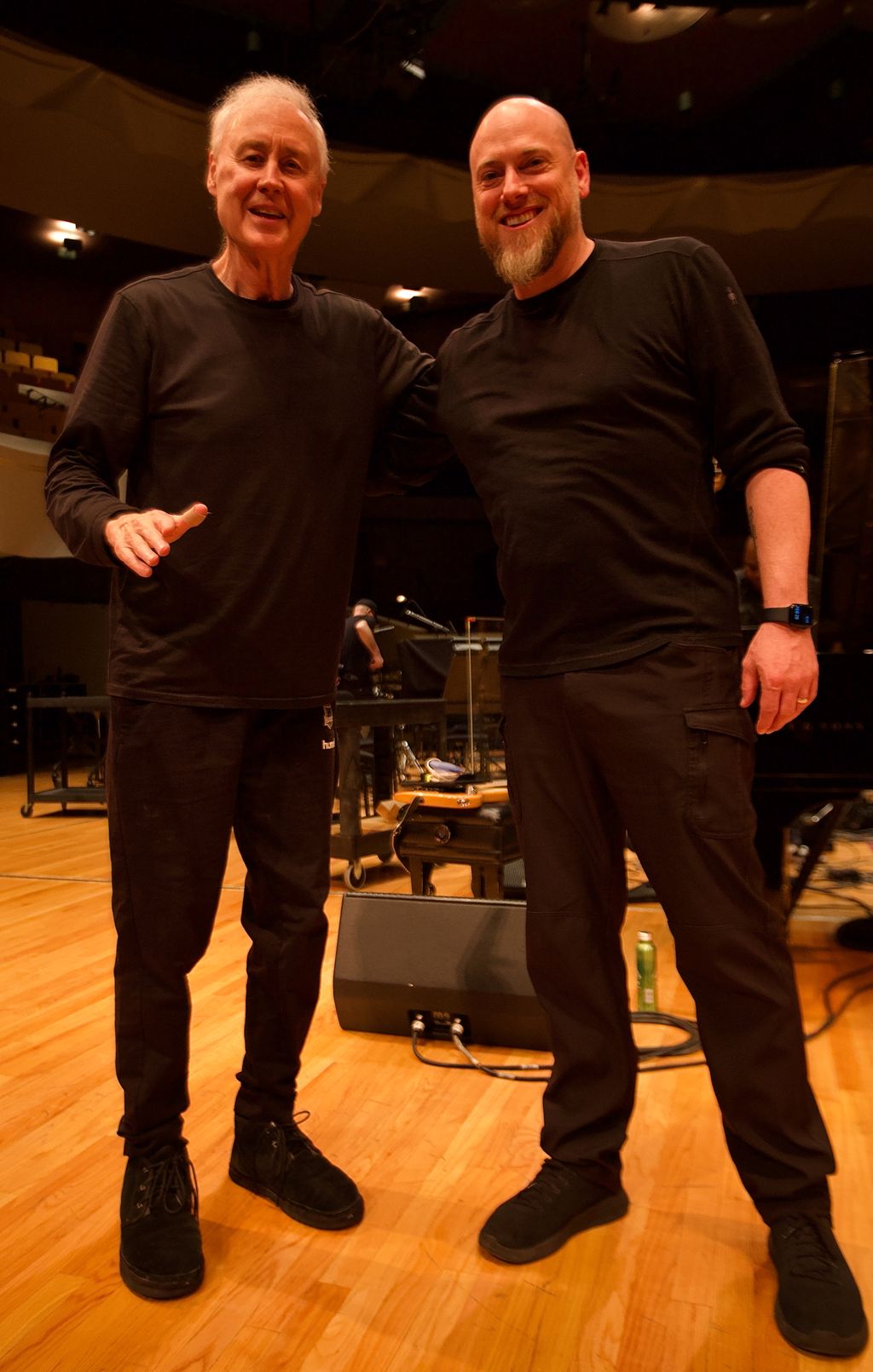
In closing, there are always a number of people who make special events like this occur. From programmers to sound engineers to stage managers to pr reps, much like the collaboration of symphony and solo artists, it takes many individuals to make a community like the one found at the heart of the Denver Performing Arts Complex. With that, many thanks go out to Michelle at the box office, programmer Kyle Kamrath, photographer Amanda Tipton, and stage manager Dan “The Straw That Stirs the Drink” Rib as well as all those other unsung heroes of creativity and culture who made for another remarkable and memorable night in the Mile High City.