Article Contributed by Press Junkie PR
Published on 2026-04-12
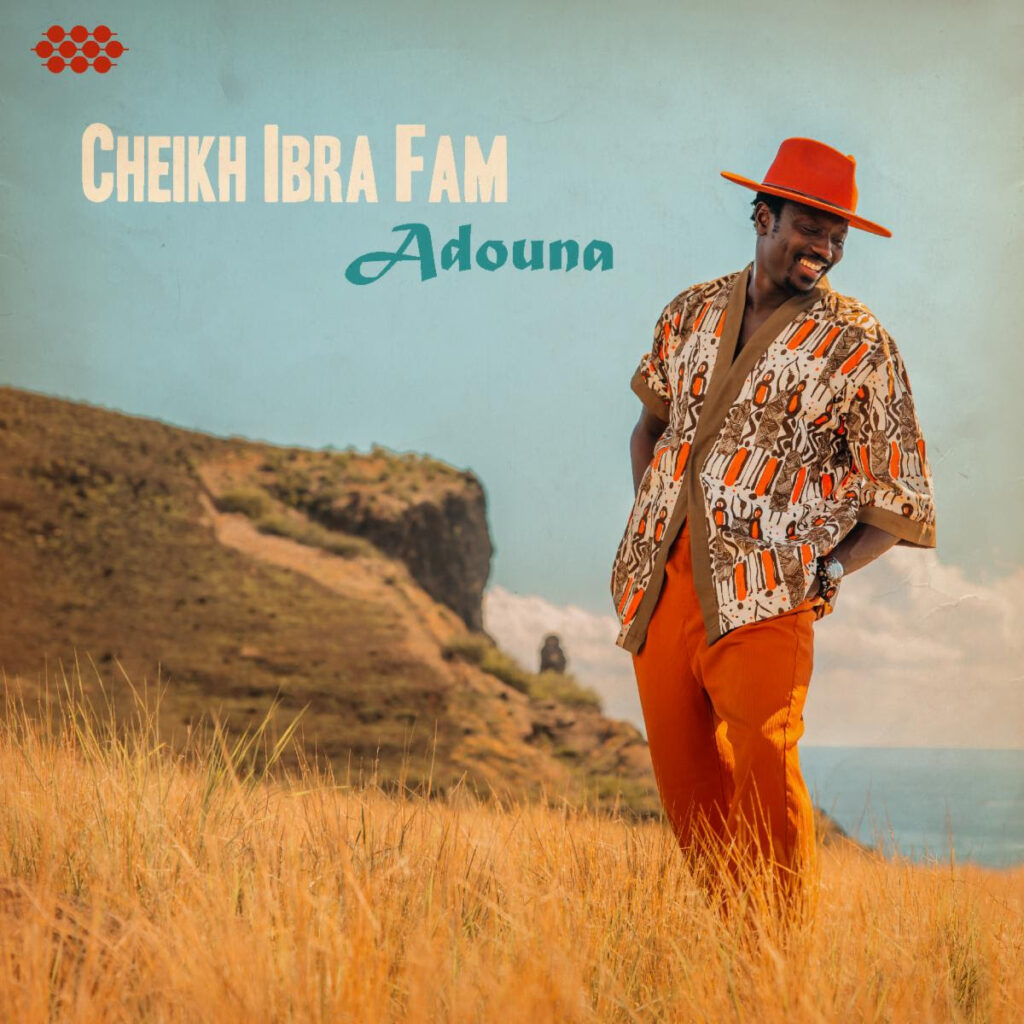
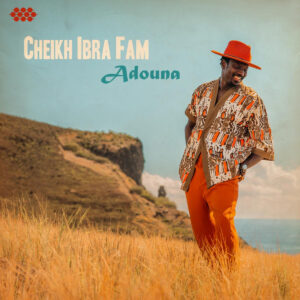
Senegalese singer, songwriter, and multi-instrumentalist Cheikh Ibra Fam returns on with Adouna (Life), a rich and deeply personal album that reflects on knowledge, faith, unity, migration, love, and the courage to transform one’s circumstances. Recorded between Reunion Island, Senegal, France, and Canada, the album blends Afro-pop, soul, and the traditional musical languages of West Africa with a modern sensibility shaped by Cheikh’s extensive travels and spiritual perspective.
Cheikh describes Adouna as “a mirror of life’s beauty and struggle,” and each song offers a different facet of that reflection. The track, “Xam Xam,” honors the influence of his uncle Coly Cissé, the beloved guitarist who first awakened Cheikh’s artistic curiosity. Built on a shimmering foundation of kora, zouk, and Angolan kizomba rhythms, the song celebrates knowledge as the key to empowerment—an idea that has guided Cheikh since childhood. From there, the album moves into tender territory with “Sali,” a celebration of African femininity and grace that features warm mbalax rhythms infused with funky interwoven guitar lines. The song’s accompanying video, filmed in the historic streets of Saint-Louis, radiates humility and intimacy, capturing the everyday beauty that inspires Cheikh’s songwriting.
As Adouna unfolds, Cheikh expands his storytelling into larger social themes. “Gnou Mbollo,” meaning “Let’s Unite,” is a resounding call for connection across the African diaspora, weaving together rhythms and imagery that travel “from Congo to Panama, from Gorée Island to Brazil.” Musically, it draws inspiration from James Brown’s classic funk and mixes it seamlessly with West African guitar lines and grooving drums.
The single “Amoul Solo,” supported by a striking new video filmed in Senegal, speaks to the strength that emerges when individuals and communities refuse to face adversity alone. Musically, the song reflects Cape Verdean inspirations with its lilting swing buoyed by Wilfrid Zinsou’s captivating trombone lines. Elsewhere on the album, Cheikh reflects on faith and perseverance in “Weurseuk,” urges the power of communication in “Wakhtane,” and honors the strength, dignity, and essential role of African women in “Mama Africa.” Together, these songs form a cohesive mosaic—one that captures both the complexity and the hope of modern African life.
Cheikh’s ability to write songs that feel simultaneously intimate and universal is rooted in his own life story. Born in the coastal town of Mbour, he spent his childhood moving across Senegal as his father served as a customs director. Music entered his life early through the spiritual Kourels choirs, where he began singing at age seven. At home, creativity flourished: his father wrote poetry, his mother painted, and his uncle Coly brought guitar-driven magic into the house, playing Bob Marley songs during power outages while a young Cheikh listened in awe. These early experiences—along with the soul of Otis Redding, the Afro-Cuban rhythms of Orchestra Aragón, and the spiritual teachings of the Baye Fall tradition—shaped the artist he would become.
After releasing several albums under the stage name Freestyle, Cheikh joined the legendary Orchestra Baobab, a turning point that awakened a deeper connection to his African heritage. Touring the world with Baobab inspired him to embrace singing in Wolof and Bambara and to align his music more closely with his cultural roots. “Baobab awakened the Africa that was sleeping in me,” he recalls, reflecting on the mentorship of figures like Balla Sidibé and Issa Sissokho. Today, based on Reunion Island, Cheikh continues to blend traditions with innovation, carrying forward the message-driven artistry that has become his hallmark.
The making of Adouna reflects both Cheikh’s nomadic life and his collaborative spirit. He began shaping the songs in his home studio on Reunion Island, sketching out melodic ideas, rhythmic frameworks, and vocal arrangements before inviting musicians from Senegal, The Gambia, France, Rwanda, Canada, and Reunion Island to contribute their parts. A crucial creative partner throughout this process was producer and arranger Hakim Abdulsamad, an American producer living in Rwanda whose deep musical intuition and attention to detail helped refine the album’s sound and bring Cheikh’s vision into focus. Together, they crafted a collection that feels grounded in West African heritage yet expansively connected to the broader African world. Final mixing and additional production was handled in Vermont and Montreal by Cumbancha head Jacob Edgar and respected Quebec producer Simon Walls. Cheikh’s goal throughout was to create music that moves listeners emotionally while encouraging them to reflect, reconnect, and rediscover what truly matters.
“It’s not about me,” he says. “It’s about the messages—love, tolerance, understanding, justice, and the courage to change your situation.” His lyrics are a direct result of his Baye Fall beliefs, which emphasize tolerance, hard work, humility, and service. With Adouna, Cheikh Ibra Fam offers those messages with clarity and heart, presenting an album that is uplifting, reflective, and full of humanity.
Follow Cheikh Ibra Fam: