Article Contributed by Russell Levine
Published on 2026-10-05
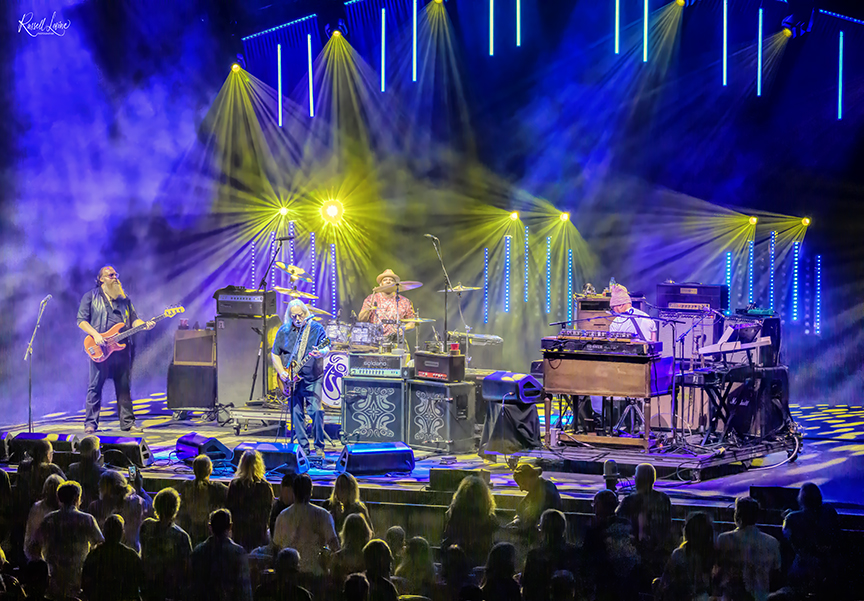
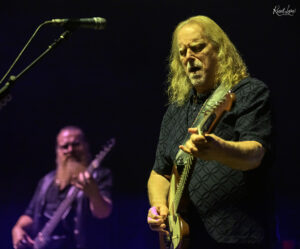
Gov't Mule | October 2, 2026 — Hard Rock Live in Hollywood, Florida - photos by Russell Levine
South Florida is a strange place to conduct a serious investigation into the blues. There are palm trees outside, slot machines inside, reggae rolling through the speakers, and somewhere in the middle of it all, Warren Haynes is standing onstage with a guitar while the entire fucking thing threatens to come apart. Literally. Two songs into the evening, Ziggy Marley had already rattled the building with enough bass to loosen dental work, Yola had opened the show and was floating around like the musical spirit guide of the evening, and then Gov’t Mule walked in and decided this was going to be a blues night. A heavy blues night.
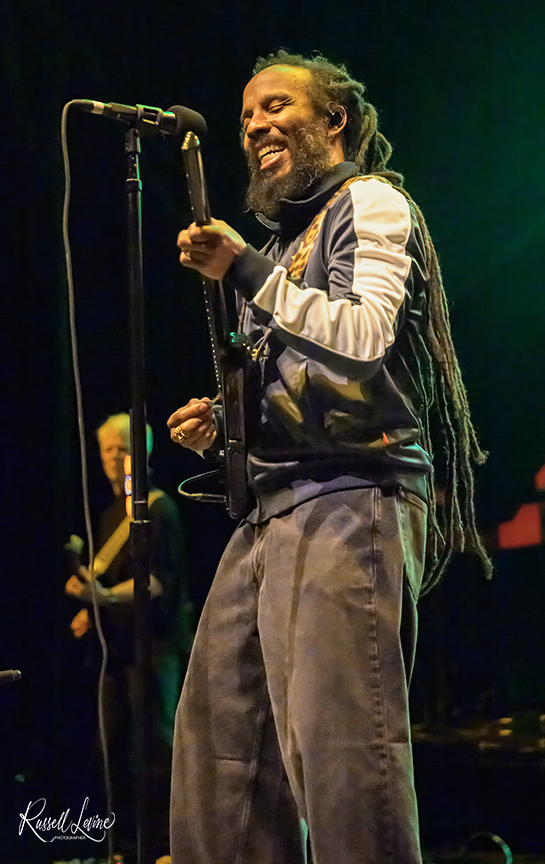
The Dreaming the Same Dream tour brought Ziggy Marley and Gov’t Mule to Hard Rock Live at Seminole Hard Rock Hotel & Casino Hollywood on October 2, an unusual pairing on paper that made considerably more sense once the music started. These are two artists who come from very different musical neighborhoods, but both understand the language of rhythm, soul, resistance, groove and, ultimately, the blues. Add Yola to the equation, and the evening suddenly had a musical connective tissue running through it that nobody could have planned on a spreadsheet.
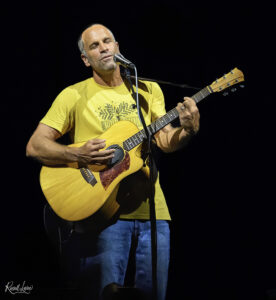
Ziggy Marley Brings the Bass
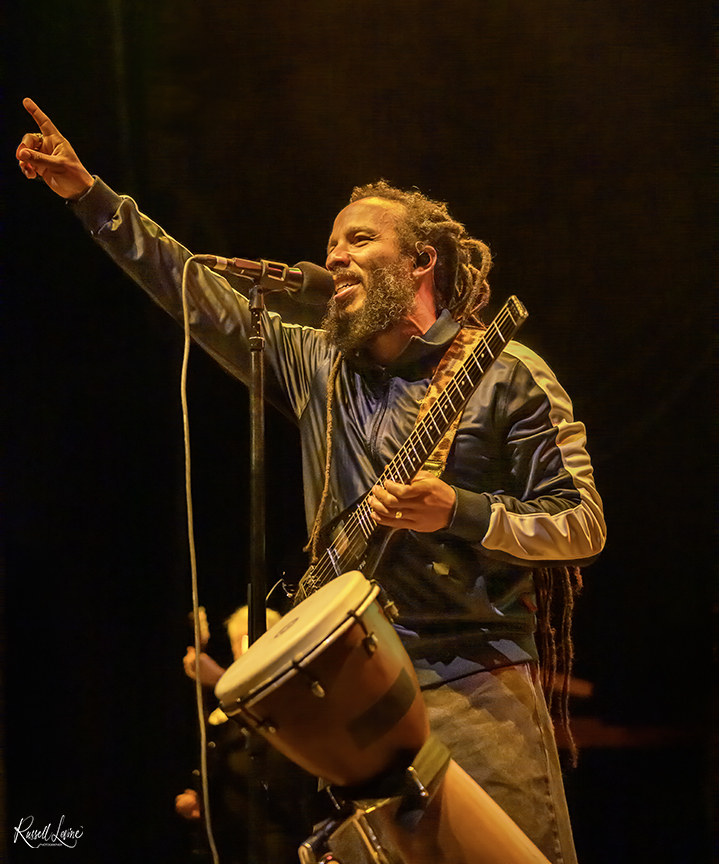
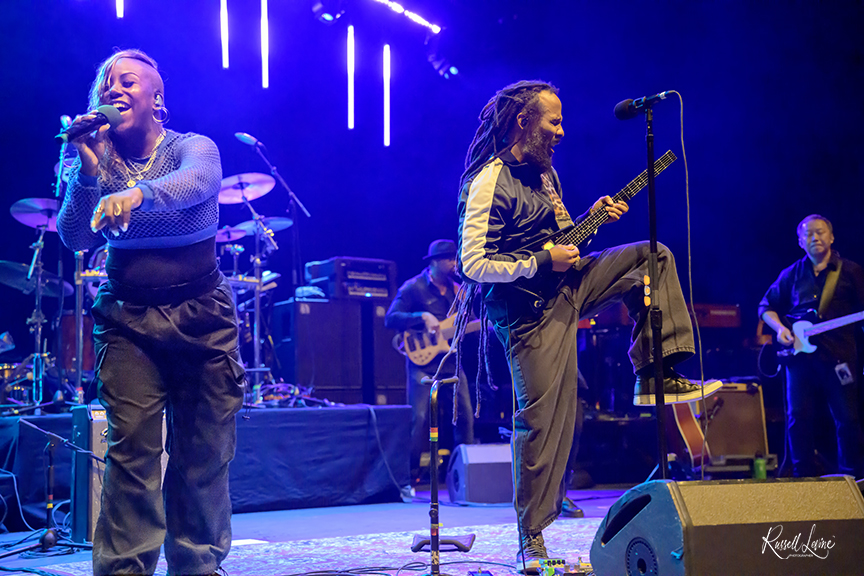
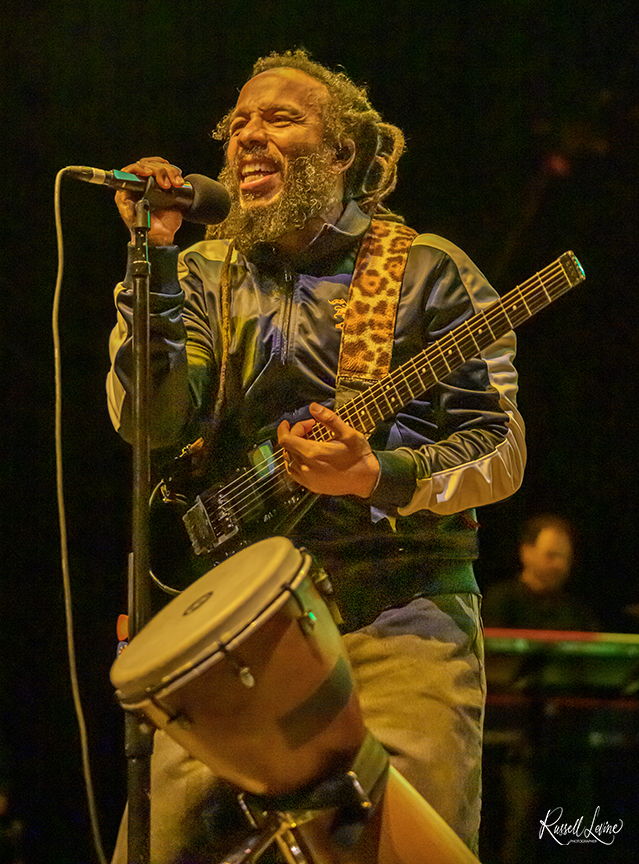
Ziggy Marley opened the evening with “Jah We Give Glory,” and from the first notes, it was obvious that this wasn’t going to be some polite reggae warm-up act waiting for the headliner. The bass was enormous, not merely loud but physical, the kind of low-end thunder that finds your rib cage and starts negotiating with it. The band was tight, the backup singers and dancers kept things moving, and the audience slowly began filling in. That slow arrival is hardly unusual for a reggae show; nobody seemed particularly worried about being early.
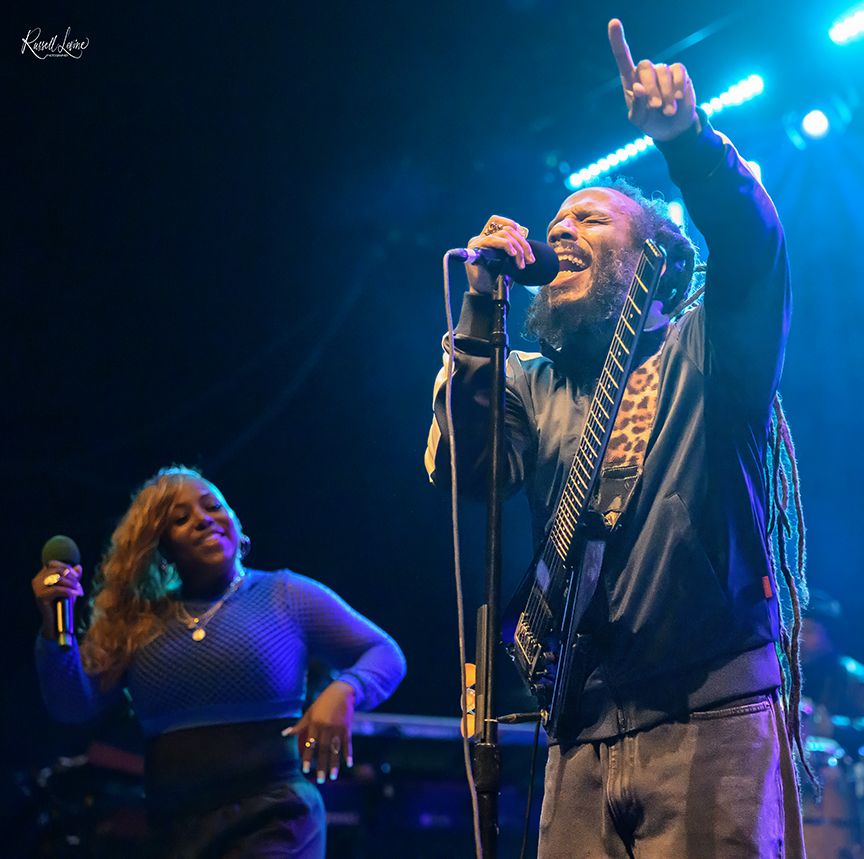

Once the room filled, however, the place was moving. Ziggy’s 17-song set moved effortlessly between his own material, songs from the Marley family catalog and music carrying the same social consciousness that has been woven through reggae for generations. “One Love” and “Jammin’” were obvious crowd detonators, but songs like “See Dem Fake Leaders,” “Racism Is a Killa” and “Justice” reminded everyone that Ziggy Marley is not simply operating a traveling Bob Marley jukebox. He’s carrying the family legacy forward while creating his own.
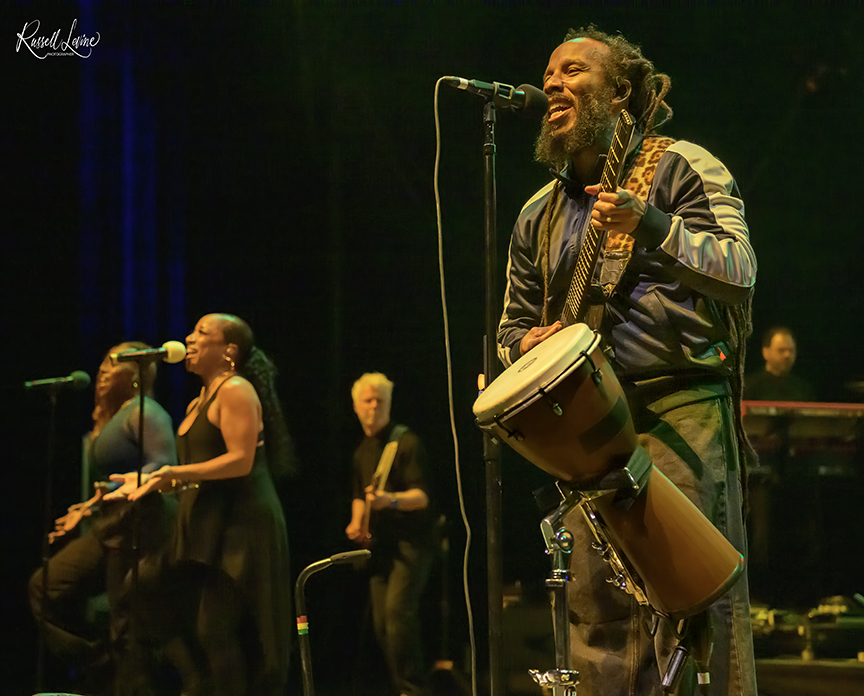
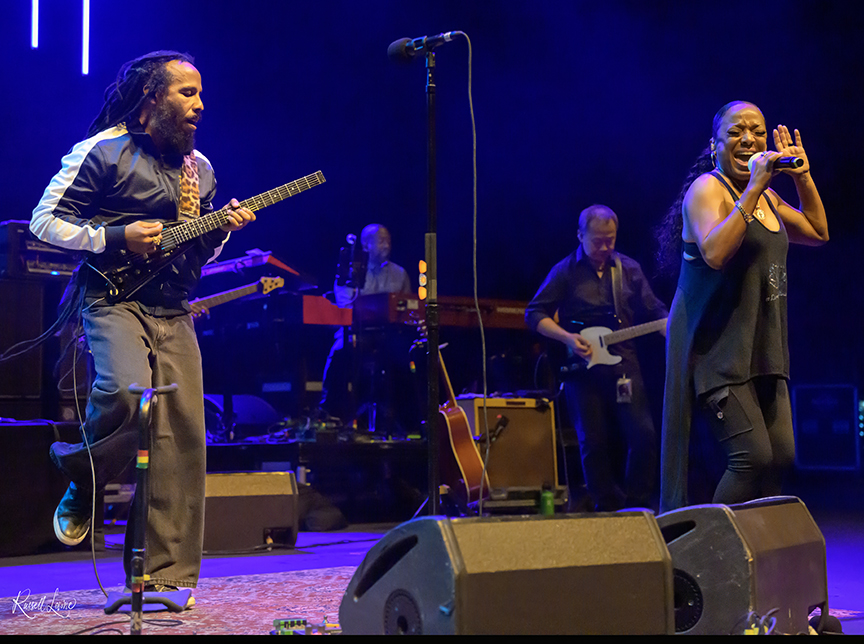
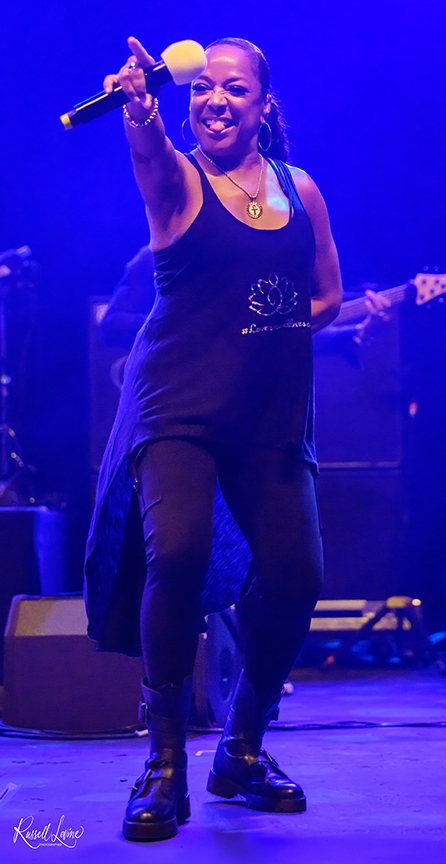
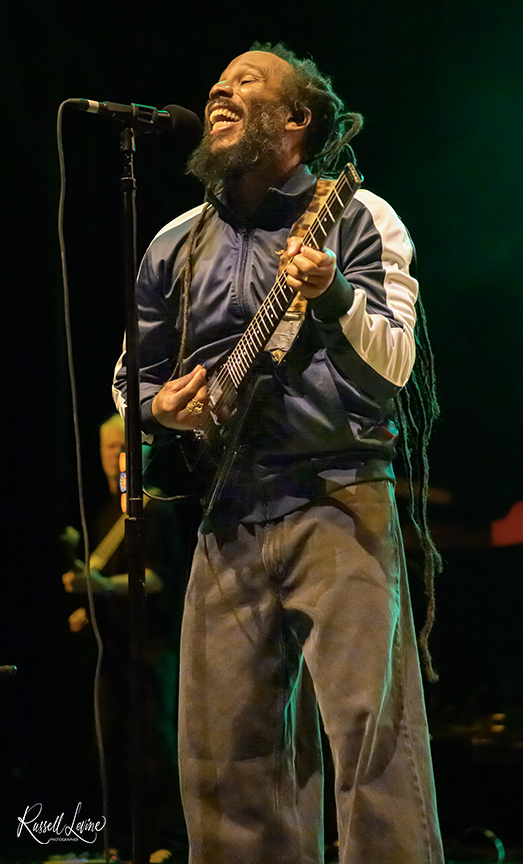
That distinction matters. “Beach in Hawaii,” “True to Myself,” “Personal Revolution” and “Wild and Free” gave the audience plenty of Ziggy’s own musical identity, while “Love Is My Religion” and “Could You Be Loved” brought the room back together. Several members of the Marley family appeared to be watching from the side of the stage, adding another layer to what was already a remarkable family legacy unfolding in front of us. Perhaps the most telling song of the night was the last one. Ziggy could have closed with another Bob Marley classic and brought the evening to an easy conclusion, but instead he finished with “Brightside,” his own music. The legacy may have opened the door, but Ziggy Marley is still walking through it on his own, and the Hollywood crowd seemed perfectly happy to follow.
Then the Mule Walked In
The crowd shifted between sets. Some of the Ziggy faithful headed toward the exits, while another wave of people came through the doors for Gov’t Mule. It was less a turnover than a strange musical migration—reggae fans moving out, Mule freaks moving in, and plenty of people apparently deciding they’d happily take both. By the time Warren Haynes walked onto the stage, the room belonged to the Mule.
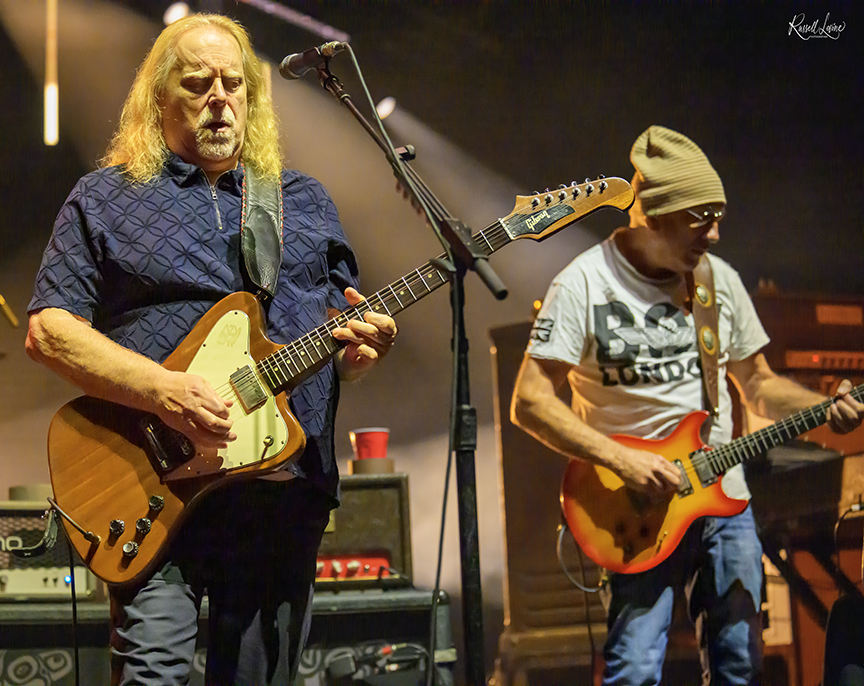
And Warren Haynes has never really needed an excuse to go back to the blues. The blues isn’t something Warren visits occasionally; it’s home. You can hear it in his years with the Allman Brothers Band, in Gov’t Mule, in his solo work, in the songs he chooses to cover and in the way he approaches a guitar. For Haynes, the blues isn’t simply a genre. It’s a vocabulary.
Haynes and the late Allen Woody formed Gov’t Mule in 1994 while both were members of the Allman Brothers Band. What began as an outlet for their heavier musical instincts eventually became one of America’s great improvisational rock bands, drawing from blues, Southern rock, funk, soul, jazz and whatever else happened to be lying around. More than three decades later, the Mule is still digging, still searching and still turning over rocks to see what might be hiding underneath. On this night, they found the blues, and they stayed there.
Behind Haynes was a slightly different version of the Mule than many longtime fans have become accustomed to seeing. Founding drummer Matt Abts has been away from the road while dealing with lingering injuries and other medical issues stemming from years behind the kit. Abts’ last live performance with Gov’t Mule was at Island Exodus 15 in January 2025, and after briefly missing shows that March because of the flu, he announced in August 2025 that he would take a touring hiatus to concentrate on his health and recovery.
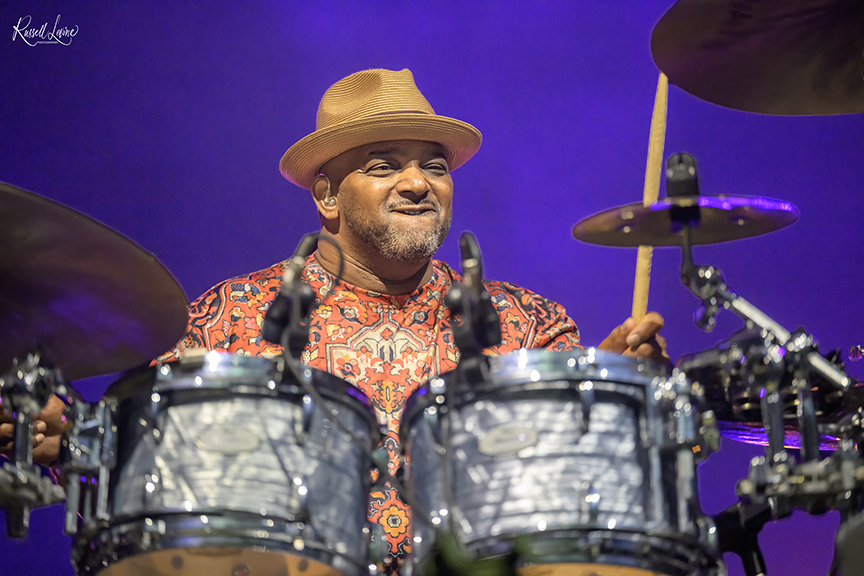
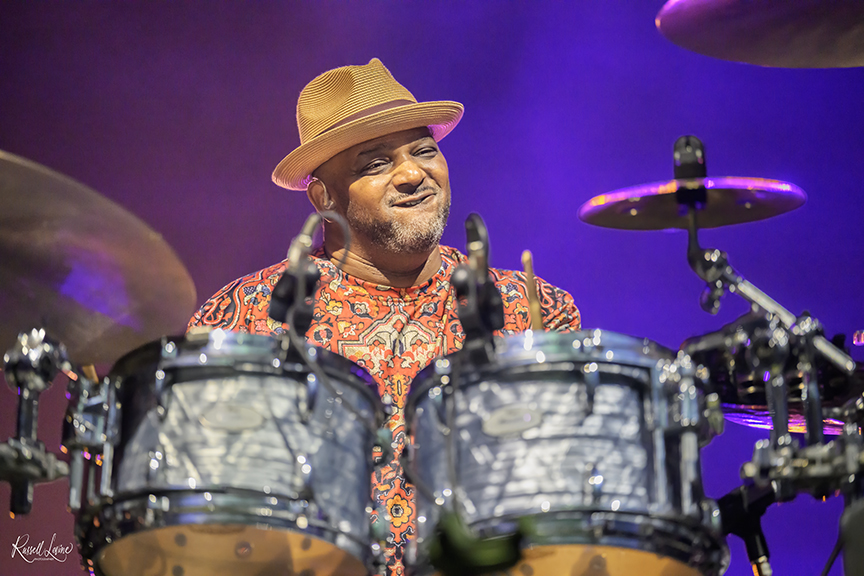
That is where Terence Higgins comes into the story, and calling him simply a substitute drummer doesn’t really tell the whole story. Higgins first stepped in for Abts for two shows in March 2025, but when Gov’t Mule’s Back in the Saddle Tour began that August, Higgins took over as the band’s primary touring drummer. More importantly, he isn’t some outsider parachuted into the Mule organization. Higgins has been a longtime member of the Warren Haynes Band, so he already understands Haynes’ musical vocabulary, his instincts and, perhaps most importantly, his willingness to let a song wander into unexpected territory.
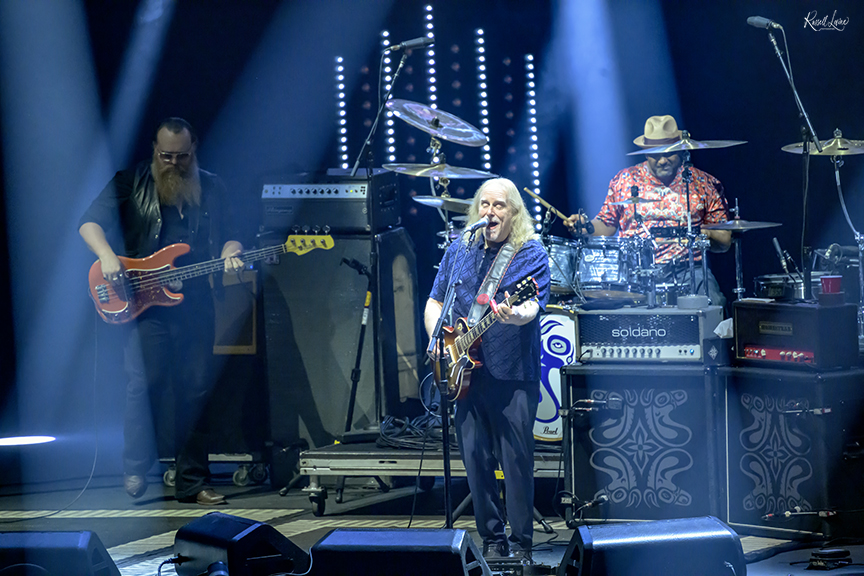
By the time Gov’t Mule arrived in Hollywood, Higgins had been behind the kit with the band for more than a year. He wasn’t trying to impersonate Matt Abts, and he didn’t need to. He brought his own considerable experience and chemistry with Haynes to the stage, giving the Mule a different rhythmic voice while keeping the machinery moving. And on this night, that machinery was running very well.
Three Songs, One Broken Guitar
I had three songs in the photo pit. In concert-photography time, that’s roughly equivalent to being handed the keys to a Ferrari and being told you have 180 seconds before somebody takes it away. Three songs disappear fast when you’re trying to photograph Warren Haynes, Danny Louis, Kevin Scott, Terence Higgins, moving lights, smoke, guitars and whatever the hell is happening behind you.

Then, during the third song, Warren’s guitar decided it had other plans. The strap broke, and the guitar actually came away from him. For about half a second, everybody in the photo pit had the same thought: Oh, shit. A guitar tech appeared almost immediately, but Haynes never lost his composure. He stood there calmly while the problem was fixed, then went right back to work as if guitars routinely tried to escape from him in the middle of a show.
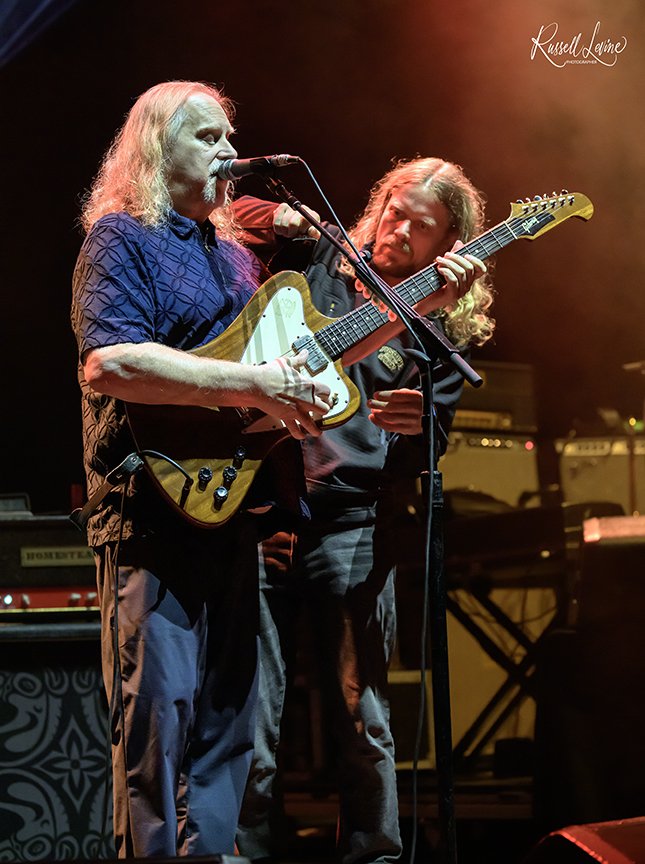
That’s the kind of thing you notice when you’ve been around musicians for a long time. Anybody can look cool when everything is working; the real test is what happens when the machinery suddenly tries to ruin the moment. Warren just kept going. I got the photographs, and frankly, that’s why I love doing this. You never know what you’re going to see through that viewfinder.
Unring the Bell
“Unring the Bell” came early in the set, and somewhere inside the song, the Mule slipped in a tease of Bob Marley’s “Get Up, Stand Up.” It was subtle, but after Ziggy’s set, it didn’t go unnoticed. There was no Warren-Ziggy collaboration that night and no grand crossover finale; that would come the following evening in St. Augustine. But the connection was there anyway, woven into the music rather than forced onto the stage.
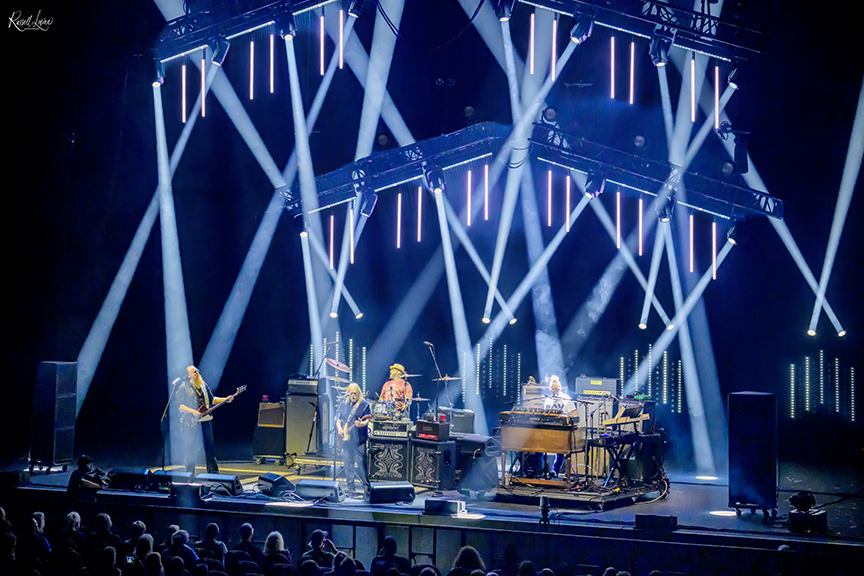
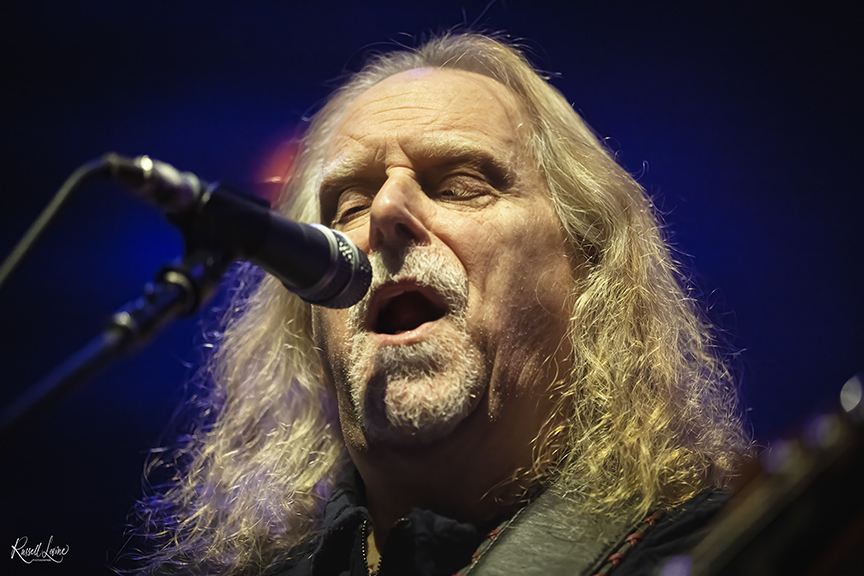
“Endless Parade” followed, and then Gov’t Mule went straight for the roots with Robert Johnson’s “32-20 Blues.” Suddenly, we were no longer simply at a rock concert. We were down the rabbit hole. Gov’t Mule doesn’t so much perform songs as use them as launching pads. A groove appears, somebody leans into it, the rhythm section digs deeper, Haynes finds a guitar line, Danny Louis adds another color, and suddenly everybody is somewhere else.
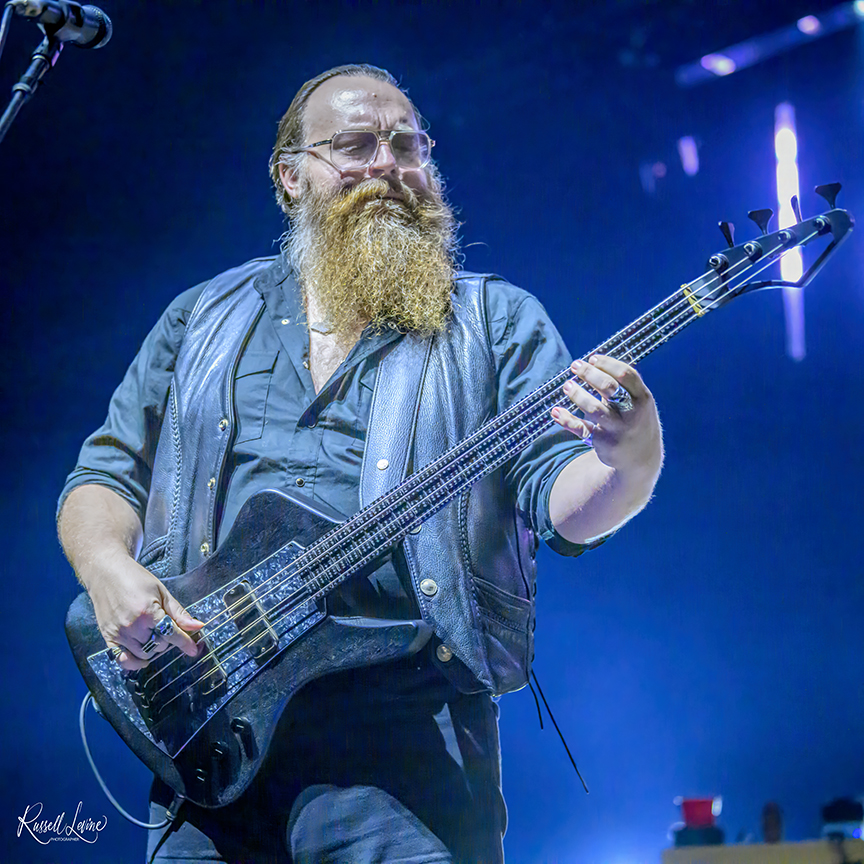
That’s the Mule. “Monkey Hill” followed, then “Doing It to Death,” and the evening was becoming increasingly blues-heavy. Heavy, heavy on the blues. And that suited Warren Haynes just fine. This is a guy who has spent a lifetime listening to the roots of American music. The blues isn’t an accessory to what he does; it’s the foundation. Higgins brought the muscle and flexibility necessary to let the band roam, while Scott and Louis helped keep the whole machine moving underneath Haynes. This wasn’t a band interested in simply checking songs off a setlist. They were interested in seeing what the songs could become.
Yola Enters the Mule
Then Yola came back. She had already opened the evening and spent the time between sets as the night’s DJ, but now she walked back onto the stage to sing “I Can’t Stand the Rain” with Gov’t Mule. Yola was the musical connective tissue of the evening, and what a voice she brought with her.
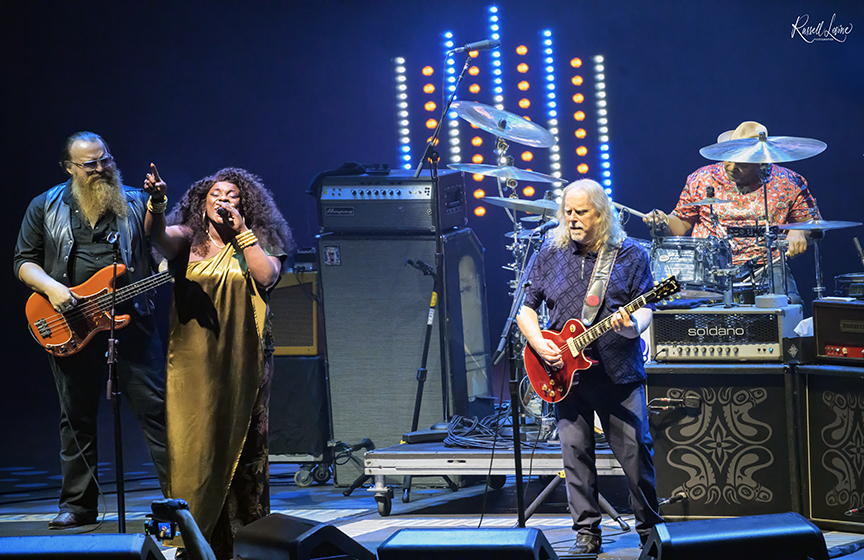
Rich, soulful and powerful without trying to overpower the band, she stepped into the song and immediately sounded like she belonged there. Warren Haynes did what great musicians do when they’re sharing a stage with a great singer: he listened. He gave her space, allowing her voice to carry the emotional weight while the Mule supplied the muscle underneath it. There was no attempt to turn the performance into a guitar competition. Yola brought the soul, the Mule brought the muscle, and for a few minutes, the two musical worlds that had occupied the building that night stopped looking quite so far apart. It was one of those collaborations that made perfect sense once you heard it.
I’m a Ram
Then came “I’m a Ram.” And there it was. For me, that was the one.
I’ve photographed a lot of concerts. I’ve seen enormous guitar solos, giant jams, pyrotechnics and arena-sized moments designed to make thousands of people scream. But sometimes the song that gets you isn’t the biggest one. Sometimes it’s the one that gets underneath your skin, and “I’m a Ram” did exactly that.
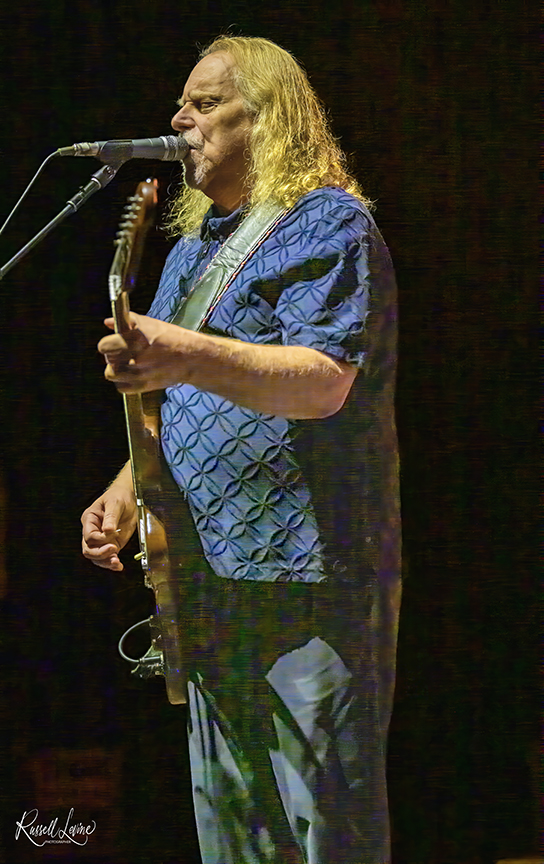
The Al Green classic was absolutely made for Gov’t Mule. It was greasy, soulful, funky and beautiful, the kind of groove that doesn’t ask permission before taking control of your body. Haynes didn’t need to turn it into a guitar Olympics exhibition; he sat in the pocket and let the song work. Kevin Scott and Terence Higgins locked into a rhythm that felt almost architectural, Danny Louis added the colors around the edges, and Haynes navigated the whole thing with the confidence of a musician who understands that sometimes the hardest thing to play is less.
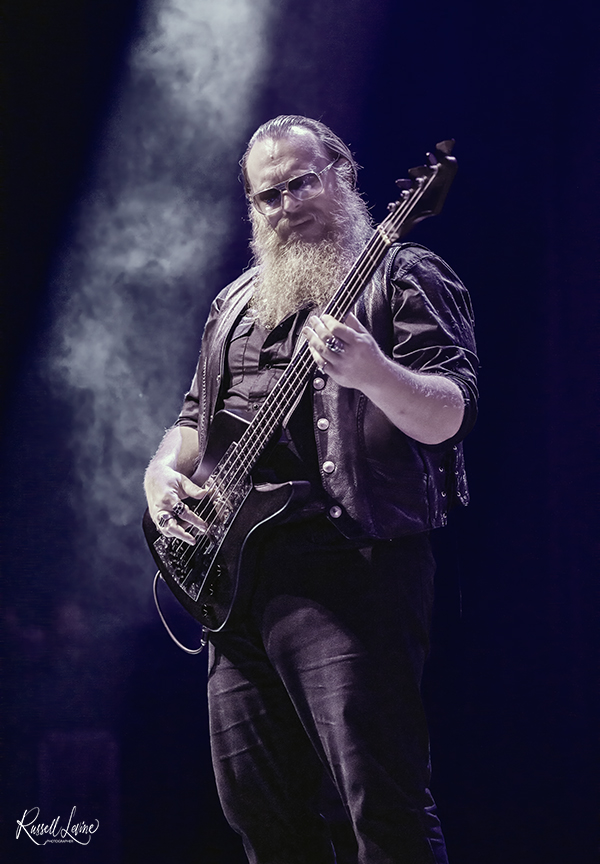
Nobody needed to prove anything. That was the beauty of it. For me, this was the musical high point of the night, and it wasn’t particularly close. I could have stayed inside that groove for another half hour. Hell, make it an hour. I wasn’t going anywhere.
The Old Mule Still Has Teeth
“After the Storm,” “Mr. High and Mighty” and “Blind Man in the Dark” brought the main set toward its conclusion. “Blind Man in the Dark,” in particular, carried the weight of a band that has spent decades learning how to stretch a song without breaking it. That’s an important distinction because improvisation isn’t simply playing longer. It’s listening, knowing when to push, when to back away and when to let another musician take the wheel.
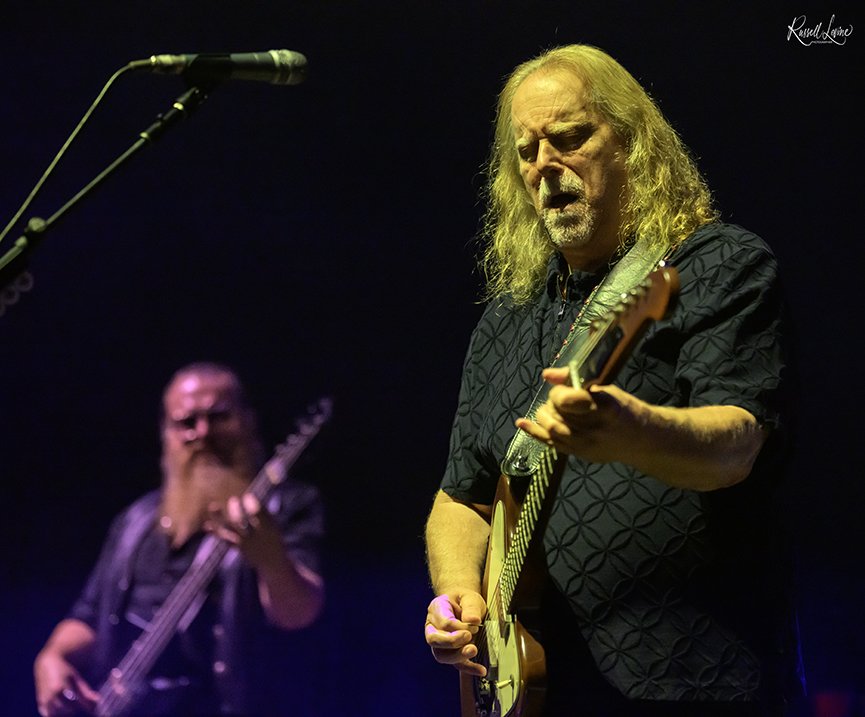
Gov’t Mule has been doing this long enough that the communication between the musicians often seems almost telepathic. The band’s history is enormous, but it isn’t trapped in the past. Kevin Scott is now part of the continuing musical lineage of Gov’t Mule, a band that has never been afraid to evolve while carrying its history with it.
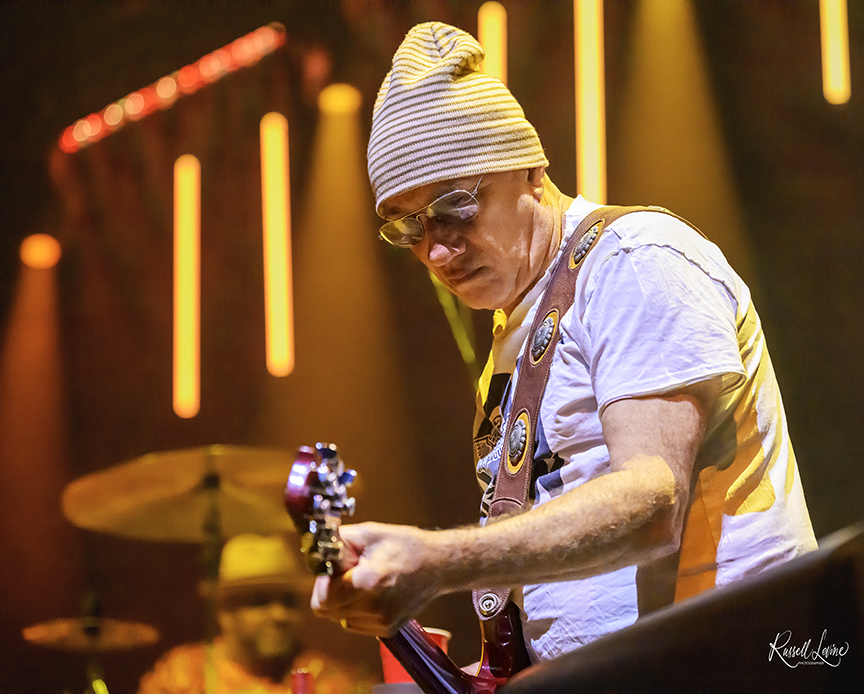
Then came the encore. Robert Johnson’s “Come On Into My Kitchen” flowed into “Gonna Send You Back to Georgia,” bringing the evening back to the roots. After a night that had wandered through funk, soul, reggae references and some exceptionally heavy blues, Gov’t Mule brought everything back to where much of American music began.
The roots. The blues. The beginning.
Dreaming the Same Dream
The title of the tour started making more sense the more I thought about it, not because Warren Haynes and Ziggy Marley shared the stage in Hollywood—they didn’t—but because beneath the obvious differences, there was a common musical language. Ziggy brought rhythm, message and the Marley legacy. Yola connected the dots with her voice. Gov’t Mule brought the blues, soul, funk and Southern rock muscle. Nobody needed to manufacture a collaboration because the common ground was already there.
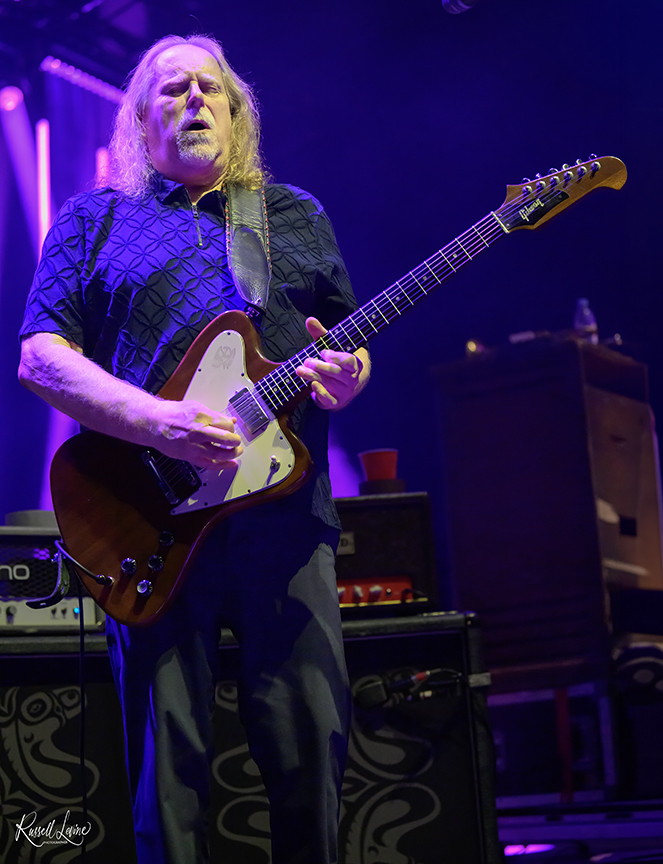
Haynes and Marley have known each other for many years and have written music together, including “Dreaming the Same Dream,” the song that gives this tour its name. The Warren Haynes Band recorded the song live at Austin’s Moody Theater in 2011, and it eventually appeared on Live at the Moody Theater. There has never been a studio version, which somehow makes the song feel even more appropriate for a tour built around the idea of two musicians finding common ground in the moment.
They also wrote another song together that has never been recorded. Maybe someday it will see the light of day. The night after Hollywood, in St. Augustine, Haynes and Marley finally shared the stage during the tour. But Hollywood had its own story, and it didn’t require a manufactured finale to make the point.
There was another piece of history hanging quietly over the evening. The day after this show, October 3, was Allen Woody’s birthday. Woody and Haynes started Gov’t Mule together in 1994, and although Woody has been gone for more than two decades, his fingerprints remain all over the band’s history. That’s the strange thing about this music: people leave, but the songs don’t. The grooves don’t. The lessons don’t. Sometimes, decades later, you can still feel somebody who isn’t there anymore standing somewhere behind the music.
The Dream Continues
I came to Hard Rock Live expecting a strange musical collision—reggae, Southern rock, blues, soul, Marley and Mule all occupying the same piece of South Florida real estate. What I got was something better. I got rhythm, history, the blues, a great Yola performance, Bob Marley sneaking into “Unring the Bell,” Warren Haynes losing a guitar and barely blinking, and a version of “I’m a Ram” that I won’t forget anytime soon.
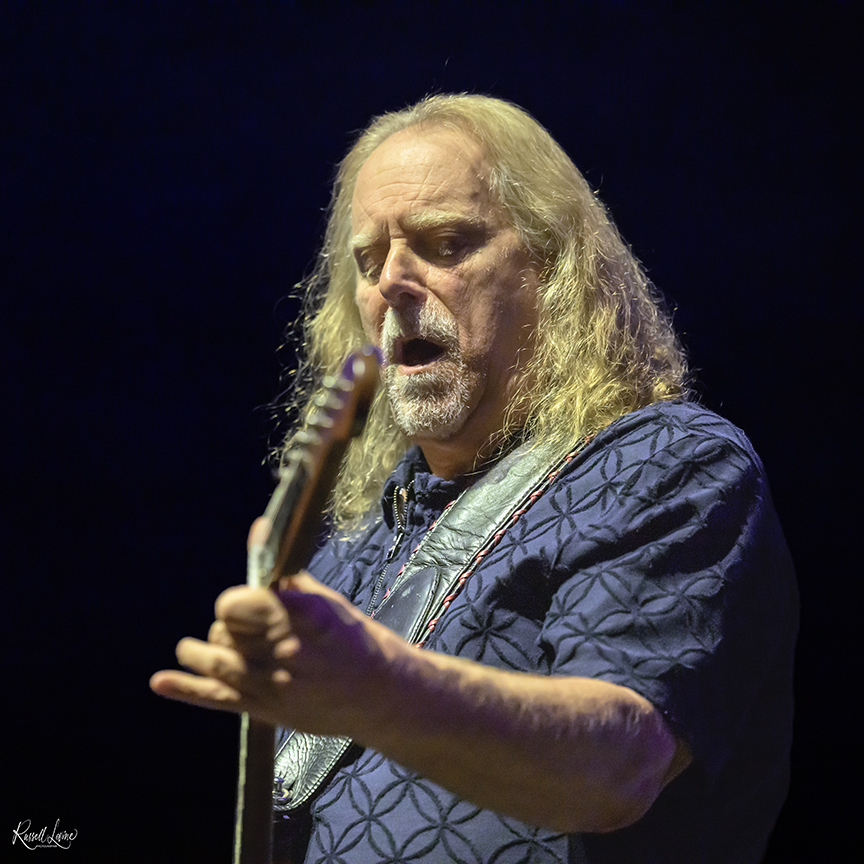
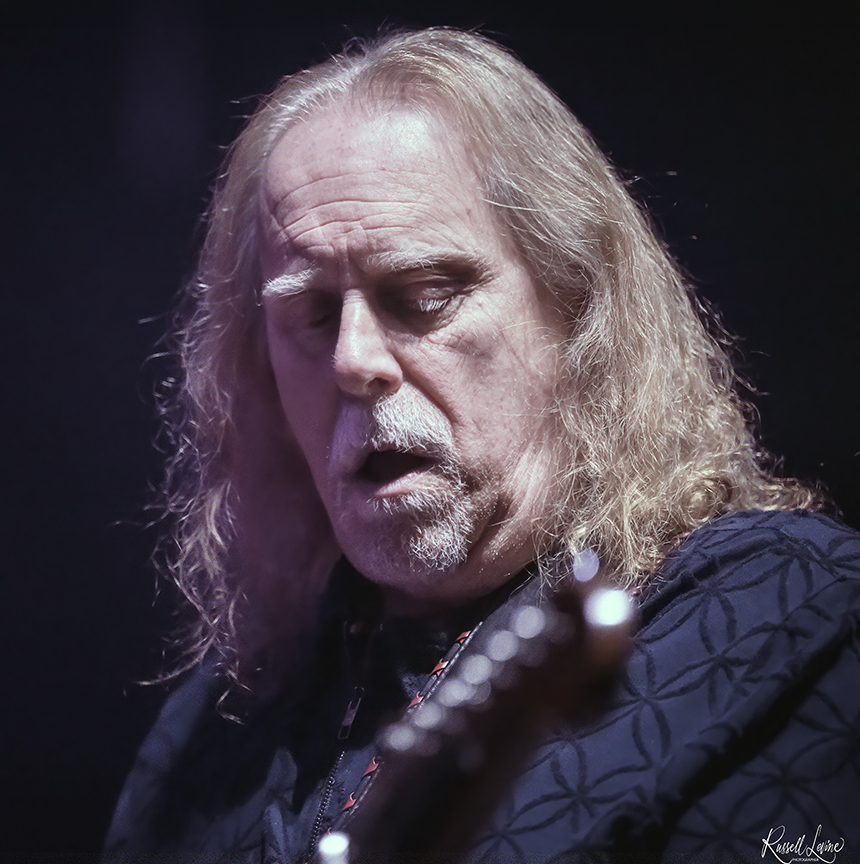
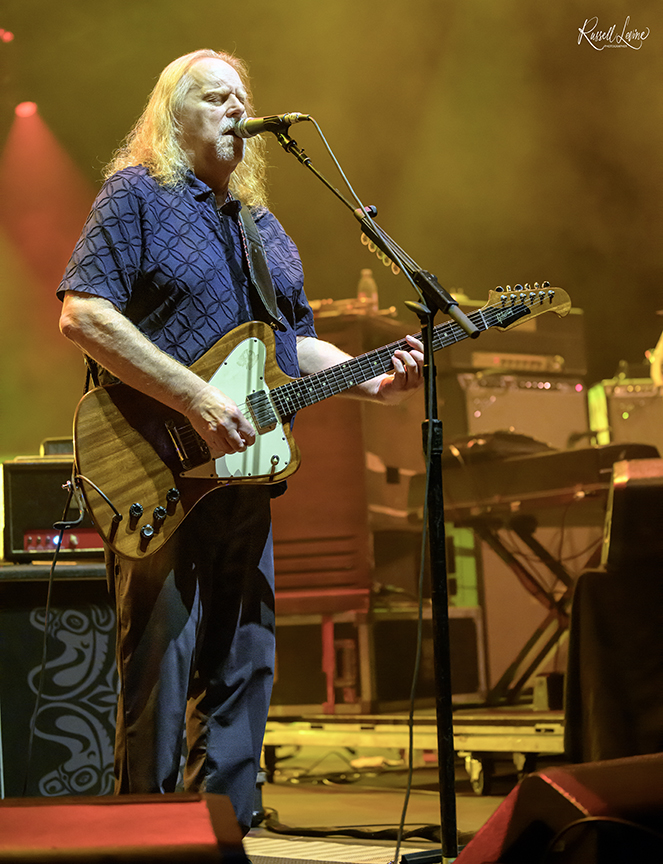
There wasn’t a neat Hollywood ending with Warren Haynes and Ziggy Marley standing shoulder to shoulder under a shower of lights. There didn’t need to be. Ziggy Marley delivered a joyful, bass-heavy performance that honored his family’s legacy while making a powerful statement about his own music. Yola provided the soulful connective tissue, and Warren Haynes and Gov’t Mule did what they have been doing for more than three decades: digging into the blues, following the groove wherever it wanted to go, and trusting the music to find its own destination.
Somewhere in the middle of that greasy, beautiful groove, with Warren Haynes leaning into the music and the whole damn room moving with him, I remembered why I keep doing this. Point a camera at it, write it down, and try like hell to remember what it felt like. Sometimes the biggest moment isn’t the loudest guitar solo or the longest jam; sometimes it’s simply four musicians locking into a groove so deep that nobody in the room needs to be told what to do.
You just move.
Russell Levine is a photographer and writer covering live music for Grateful Web. He has been documenting the jam band world and its community for years, camera in hand and a few decades of Dead shows in his bones.