Article Contributed by Gabriel David Barkin
Published on 2026-01-17
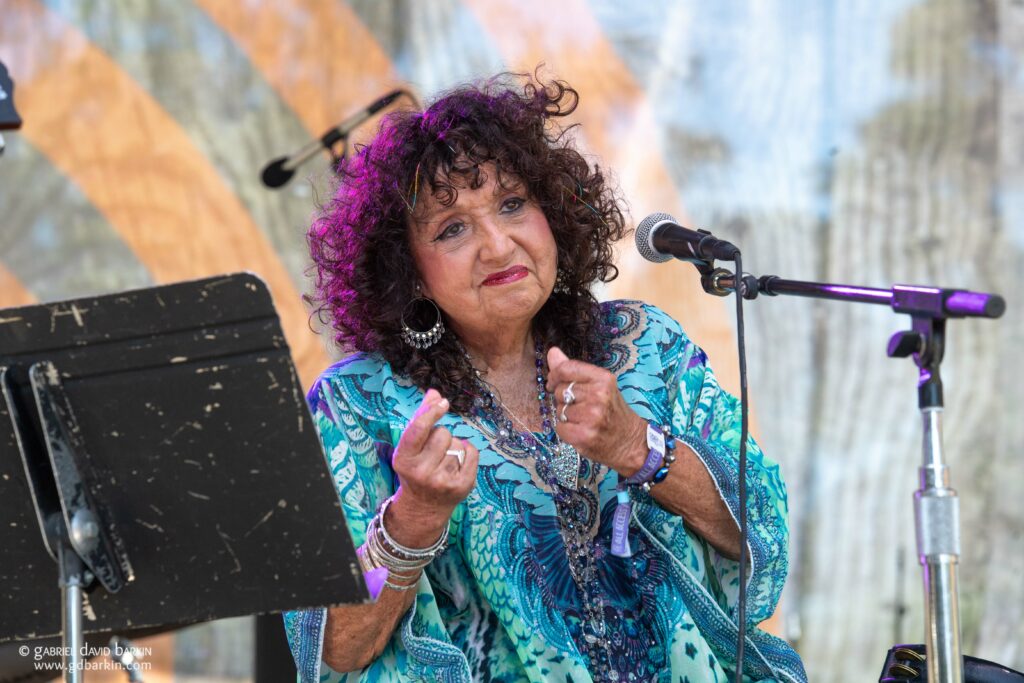
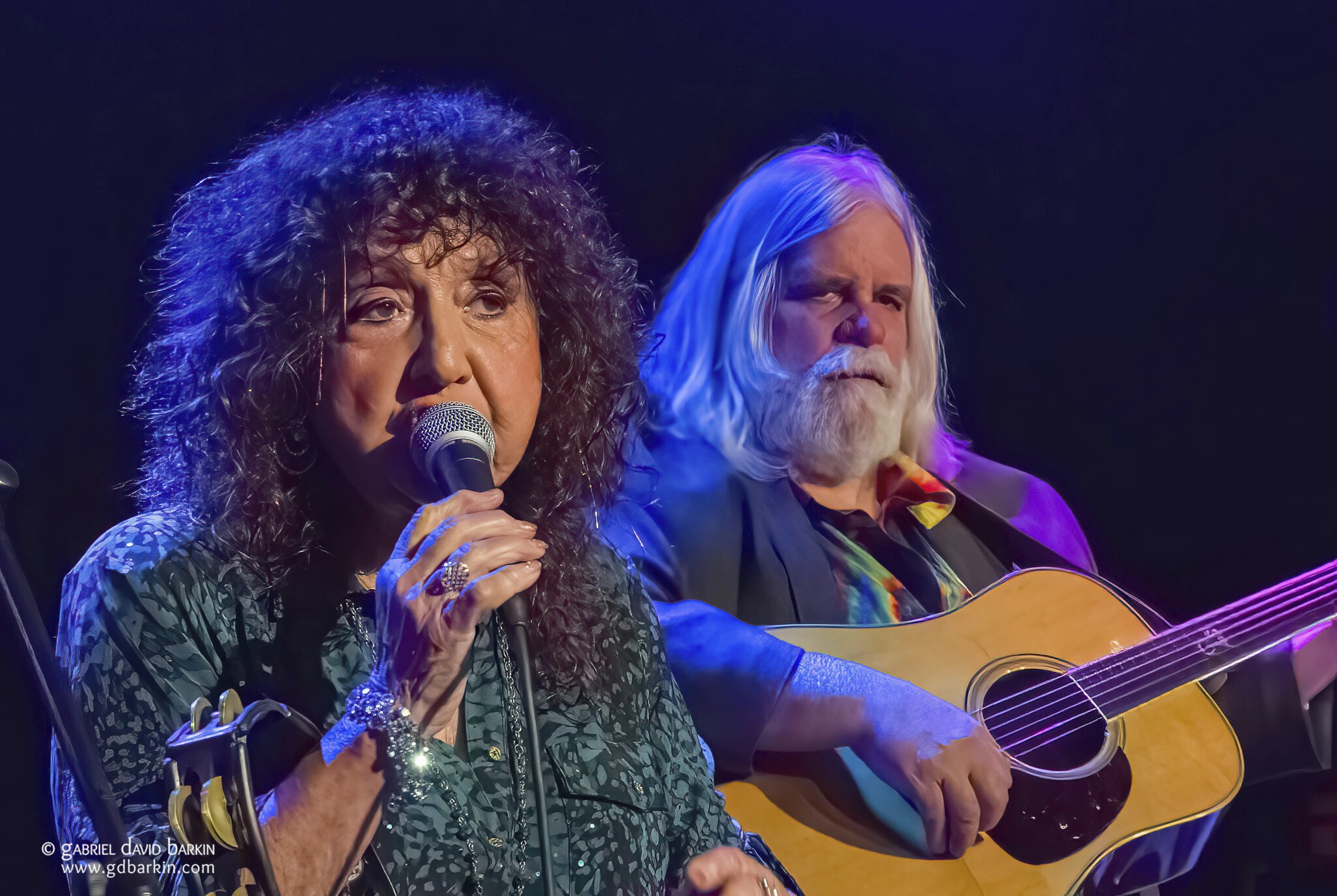
Maria Muldaur | photo by Gabriel David Barkin
“I’m kind of the Susan Lucci* of the blues.”
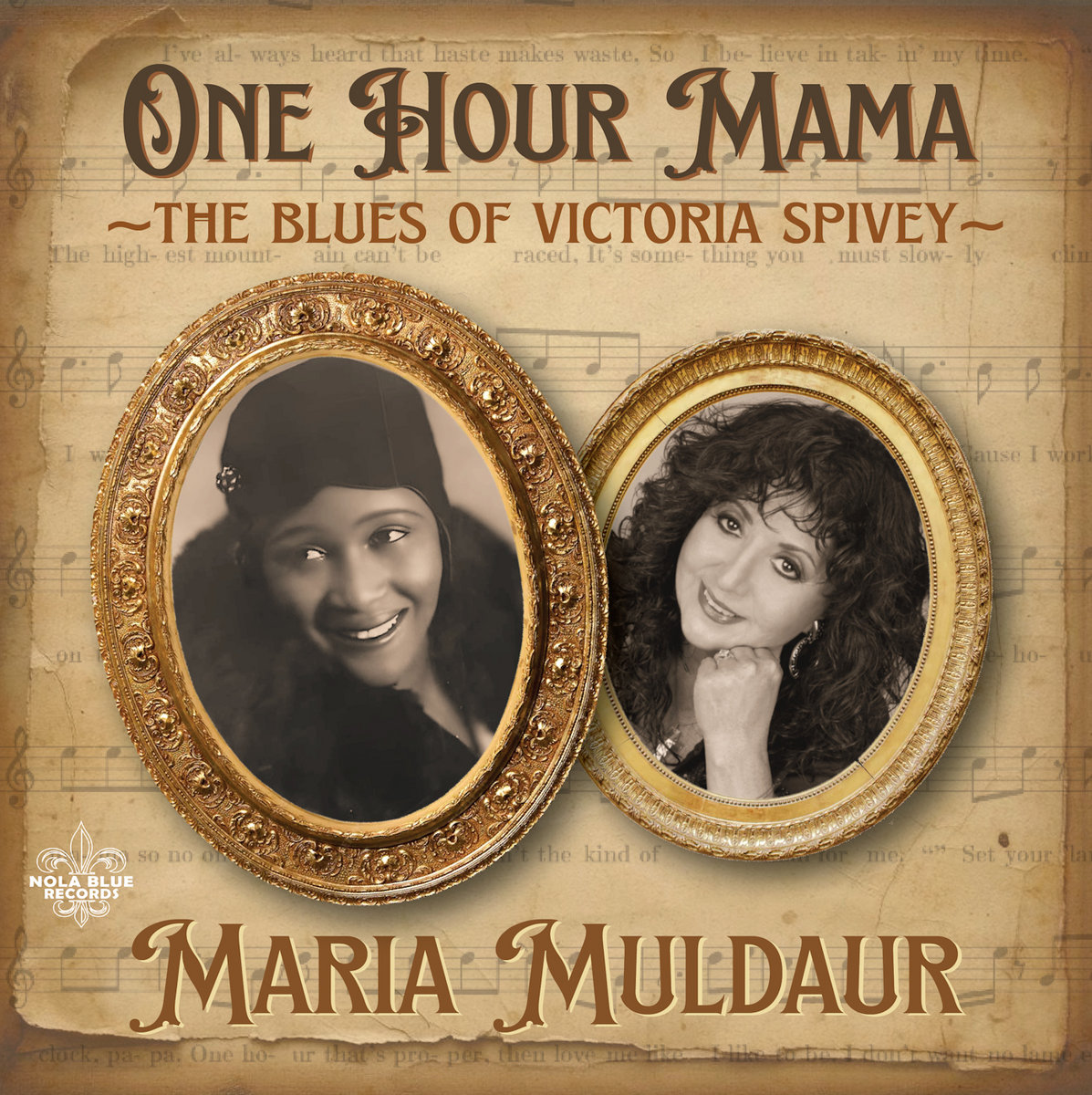
That’s legendary folk and blues singer Maria Muldaur commenting on her seven Grammy nominations, with nary a win under her belt to date. But that could change on February 1 this year if she pulls out a victory in the Best Traditional Blues category for her 2025 album One Hour Mama: The Blues of Victoria Spivey.
Muldaur and I talked on the phone in early January about her early days singing in New York City’s folk scene, her musical debt to blues icon Spivey, and her prospects of winning her first Grammy. (The transcript below has been edited for clarity and brevity.) Please join me in rooting for the great Maria Muldaur!
Maria Muldaur [MM]: Let’s do this. What are we talking about?
Gabriel David Barkin [GDB]: Well, I want to talk about the album you put out last year – for which you’re nominated for a Grammy. I’m going to admit, I don’t think I’d heard of Victoria Spivey before I heard the record, but now I’ve gone back and listened to a lot of her stuff. She’s fabulous. Your record is fabulous. Tell me about meeting her – and why you decided so many years later to do this record for her.
MM: I was a young, aspiring singer in the early 60s – in what in what my old friend John Sebastian calls “the folk scare” of the early 60s. I was born and raised in Greenwich Village, which is one of the epicenters of that scene, the folk music revival. And I was, along with many urban young people at that time, really immersed in exploring all kinds of American roots music. I was, among other things, playing Appalachian old timey fiddle that I was learning from Doc Watson’s father-in-law. I was going down to North Carolina to study old-timey fiddle with him.
I was also in a bluegrass band. Not too many people know this. A short-lived bluegrass band called Maria and the Washington Square Ramblers with David Grisman, who was just 18 at the time. I was also into blues. I had heard some old Bessie Smith albums and really was digging blues.
There was this woman named Victoria Spivey on the scene. She had been an original contemporary of Bessie Smith and the early classic blues queens, and she had recorded very successfully in the 20s and 30s. Then in the ensuing decades, the popularity of that music waned. But she was a real survivor, she had acted in in films, she was in stage shows, musicals, and all sorts of things.
By the time we’re talking about, [which is] the early 60s, she had moved up to New York City. She had started her own recording label called Spivey Records. I used to see her on the scene. There was a club called Gertie’s Folk City that had a hootenanny night, which is what we would call open mic night now. And she was always there because she was always out there scouting talent for her new label.
As a matter of fact, she was the first person to ever record Bob Dylan, way before Columbia Records ever heard of him. So she was she was a pretty hip, savvy old gal, and I knew her just well enough to say “Hi.”
GDB: But she took notice of you, didn’t she?
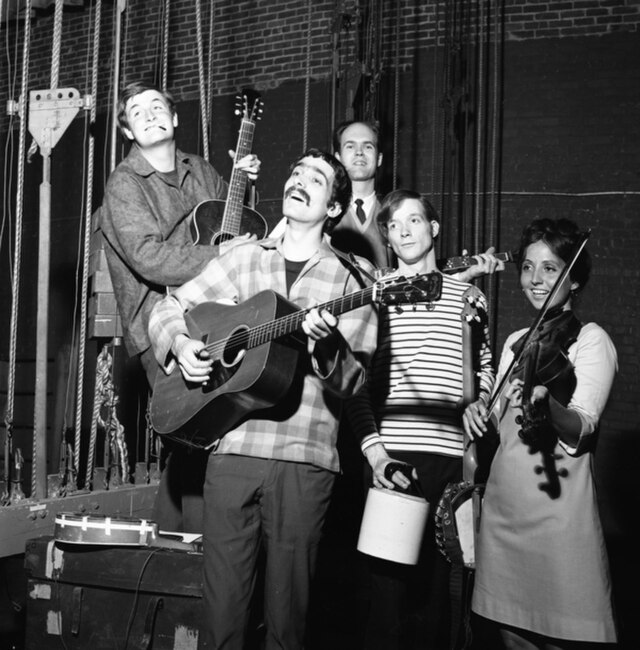
MM: One day she apparently heard these young guys in the Even Dozen Jug Band. [This band was started in 1963 by Stefan Grossman and Peter Siegel, and later included David Grisman, Steve Katz and John Sebastian among others]. She liked what she heard. I think it probably reminded her of the music that was popular back in her day. She came up to them and said, “You boys are good. I’m gonna give you a record contract.” Apparently, she went to one of their rehearsals – this was all told to me later – and said, “Y’all need some sex appeal up there. Why don’t you get that little gal I saw down in the park, the one that with the pigtails that plays the fiddle. You get her in your band, and you’ll really have something.”
So they came running up to me in Washington Square Park and told me, “[Victoria Spivey] says we need some sex appeal in the band. So will you join the band?”
My first question was, “Well, what’s a jug band?”
And once they explained that to me, I thought, well – it was way before women’s liberation, and I didn’t know enough to be insulted to be asked to join a band just for my sex appeal. It just sounded like fun to me. So I said sure. And since I was already in a band with David Grisman, I knew most of these guys.
GDB: So Spivey got you into the Even Dozen Jug Band, and then what?
MM: At that point, she took me under her wing, took me up to her apartment and started to try to find songs that would be suitable for my then-completely-undeveloped voice to sing. She played me lots of scratchy old 78s that she had up there, including some of her tunes, and Bessie Smith, Ma Rainey, people like that. She was the first person to ever play me a Memphis Minnie song, and I just fell in love with Memphis Minnie right then and there. It was ten years before I ever was able to find another recording of Memphis Minnie, but she remained a big influence on my life and my music.
[Spivey] was trying to find songs that would suit my voice – but she didn’t just give me musical advice, she gave me performing advice too. She would say, “Now, honey, I want you to listen to me. When you get up there, it ain’t enough to sound good. You’ve got to look good too. You’ve got to get up there and strut your stuff and make all eyes be on you.”
And then she looked at me dramatically and pointed her finger right at me and said, “That’s what they call stage presence!”
And I just said, “Yes, ma’am!”
GDB: And just like that, you got a gig playing in the Even Dozen Jug Band, and your career began to take direction.
MM: Yes, as it turned out, I did do a little recording with the Even Dozen Jug Band. [But] the band was so big, no folk club could afford to hire them. And besides, I think most of their parents said, “We didn’t pay for you to go to NYU so you could quit school and play the kazoo.” So the days of the Even Dozen Jug Band were short-lived.
But I soon thereafter joined the Jim Kweskin Jug Band. [Muldaur played in that ensemble for about five years through the mid-60s, and eventually also married bandmate Geoff Muldaur.] The rest is history.
But that woman, when I stopped to think about it, she gave me my start. She saw me from afar and picked me out of a crowd of people who were all singing and playing in Washington Square Park.
GDB: And all of that led directly to your latest album, a tribute to Victoria Spivey and her music. And your latest Grammy nomination.
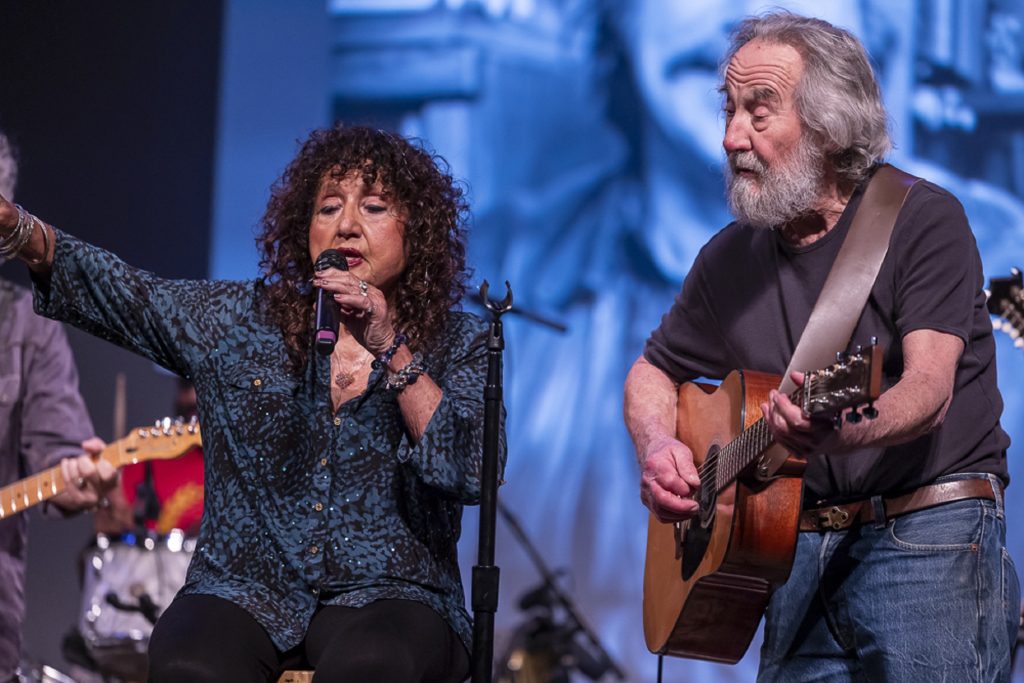
MM: Here I am at the age of 83, having made 44 albums. [After] I had made my 43rd, when I was thinking about what to do next, I had already done a couple of tributes to other blues women that deeply influenced me. I did one from Memphis Minnie, and several others – which were nominated for Grammys, by the way. Maybe, just maybe, seven is a lucky number.
But anyway, I started thinking and I started remembering, who gave me my start? It was Victoria Spivey! I just thought it would be appropriate to do an album paying tribute to her. Because as you say, a lot of people know who Bessie Smith is, and they’ve heard of Ma Rainey and even Sippie Wallace. But [Spivey’s] lesser known, although just as important a figure. She was very innovative in so many ways.
I had a wonderful time going through hundreds of songs she had recorded.
And you know, she was very – some reviewer compared her to Madonna. And I thought, what on earth are they talking about? But then the more I thought about it, she was very enterprising and ambitious. She was multi-talented, very versatile. She could sing, she could dance, she could play instruments. And she was such a survivor, you know, and very entrepreneurial.
Back in the day, she had her own blues newsletter. [She was] one of the first artists I know of to be savvy enough to have her own record label. In so many ways, she’s an inspiration and a forerunner and a trailblazer. That’s why I decided to make this album.
She was also known for singing what I call naughty bawdy blues. Very risqué.
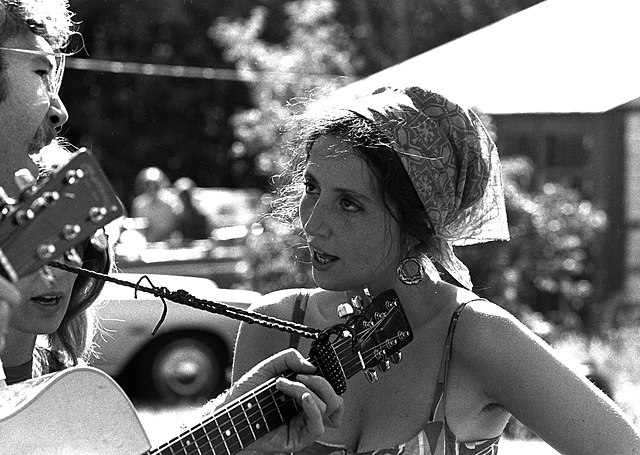
GDB: You’re known for that too, of course. And I want to tell you something really funny about that. In preparing for this conversation, I read your bio and looked at the stuff they have about you on Wikipedia – and I even asked ChatGPT a couple of questions about you for kicks and giggles. ChatGPT told me that in the 60s, “Maria Muldaur was considered a contrast to Joan Baez style chasteness.” How does that resonate with you?
MM: Well, I guess I was sort of different. You know, none of this was by design. I was just being my own little natural hippie mama self. Well, my beatnik mama self, because that came before hippies.
I guess the kind of music I played in the jug band was very rhythmic and so forth. I just naturally moved around a lot to the music. Nothing choreographed or even on purpose. It’s just the way I play and experience music. But they tell me it caught the eye of many a young man back in the day.
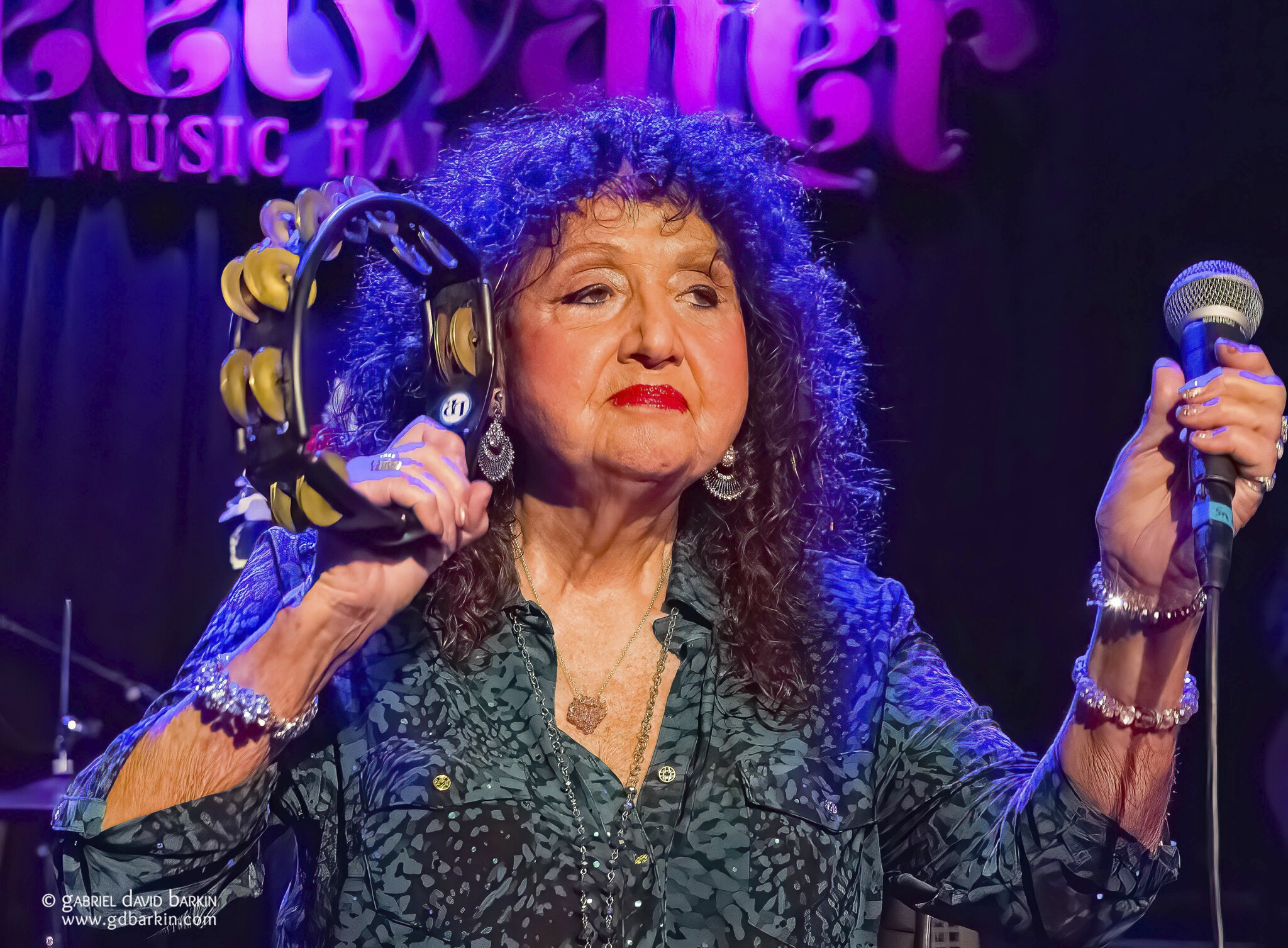
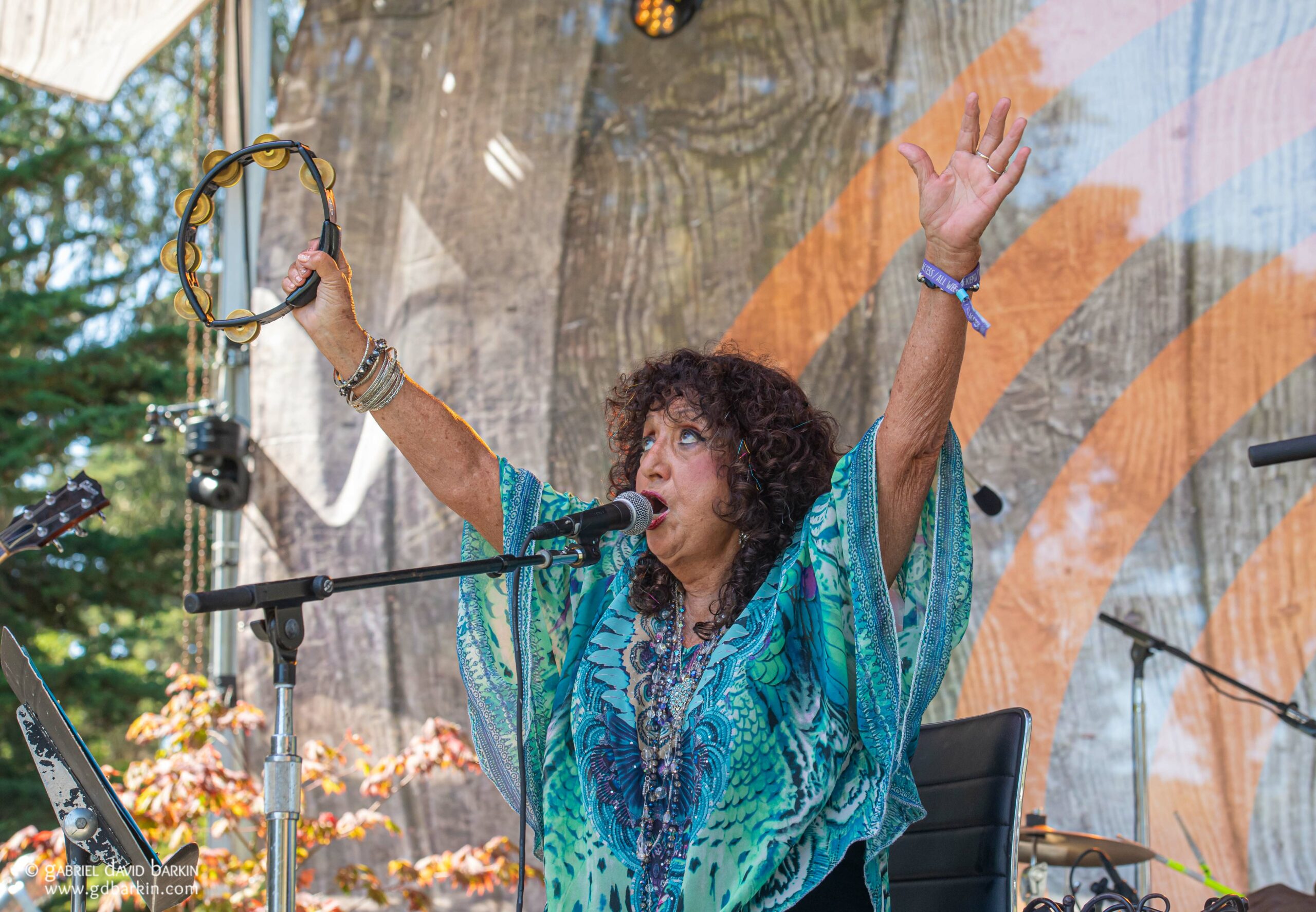
GDB: I’m sure it did. And you’re still captivating! You’ve been sitting on a stool now in concert for the past few years, but it’s still fun to watch you move to the music and play your tambourine.
MM: At my age, standing up for a whole show would be a bit challenging. I have a stool that swivels, so when the band gets cooking, I just wiggle around in my seat and have a good time. But I am planning to have a knee replacement, my first bionic part – and then, watch out!
GDB: Let’s get into the album now, which came out last summer of course. You’ve got some great musicians on there with you.
MM: I did this as a pure labor of love on a blues budget – what I call a “tweezer budget,” which is two steps down from a shoestring budget. And yet I got a lot of fabulous musicians to collaborate with me, including a couple of the cats in the in the California Honeydrops [Johnny Bones on saxophone and Beaumont Beaullieu on drums]. They’re a fabulous band. I’m gratified to find there’s a lot of younger musicians who are rediscovering all this great old vintage stuff and immersing themselves. And I discovered this brilliant young piano player from Petaluma named Neil Fontano. He’s just barely 30 years old and he’s channeling Fats Waller and all the great old pianists. So he was perfect for this project.
GDB: Then you’ve got Tuba Skinny on there. I feel lucky that I got to see them busking on Frenchman Street in New Orleans before they got their first nod to play at Jazzfest. How did you hook up with those guys?
MM: I used to live in Woodstock, and every summer I go back because I miss it so much. I still have a lot of friends and roots there. [A few years ago] I went to my favorite clothing store there and this fabulous old vintage jazz was playing. I said to the shopkeeper, “Who are you playing?” She said, “Tuba Skinny.” I had never heard of them. She went on to say they were a band of young street musicians. I said I did not believe her because they were so authentic. She went and dug up the album cover and showed me. And sure enough, they are a fantastic bunch of kids who are not so much kids anymore. Well, they’re about forty, so that’s “kids” to me.
They’ve just totally immersed themselves in this early vintage jazz and blues, just like I have, and made it their own. And they do it with great reverence and authenticity and a really great groove. So I fell in love with them.
I ended up doing an album with them three years ago during a break in the pandemic called Let’s Get Happy Together. So [for this new album], I flew to New Orleans and cut a few tunes with them.
GDB: And you’ve got some extra special guest stars on there too.
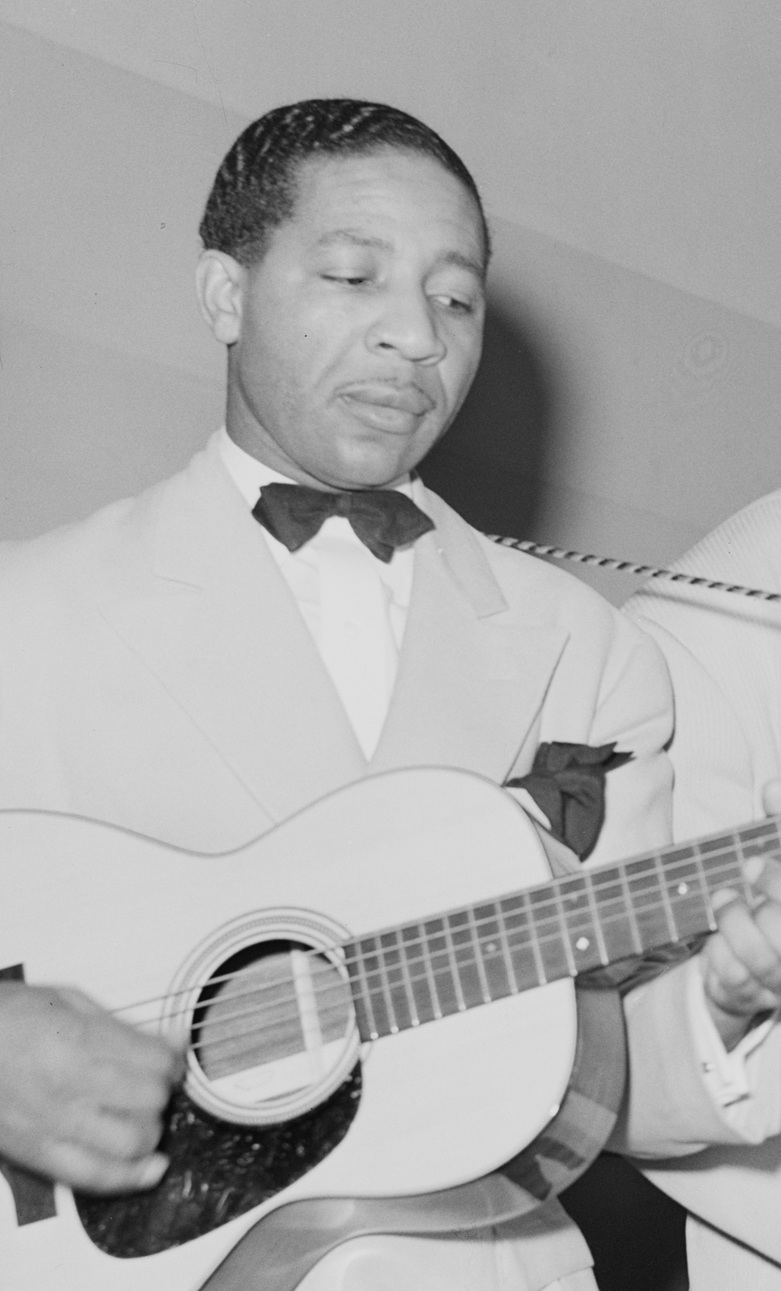
MM: Well Lonnie Johnson was a pioneer of blues and jazz on the guitar. Are you familiar with him? While I was doing this project, I found out that Bob Dylan has a huge respect and admiration for Lonnie Johnson. [Johnson and Spivey] were pals, and they recorded a lot of duets together. So I thought it would be great to do a couple of those duets to show another side of Victoria Spivey.
I got my old pal Taj Mahal to do one of them, and Elvin Bishop, whom I’ve also known since 1965, to do the other. So they represent Lonnie Johnson. At the same time, I have guitar player Danny Caron [who has played with luminaries including Bonnie Raitt, John Lee Hooker, Van Morrison, and Dr. John] – he’s just a fantastic musician! As a labor of love, he learned the Lonnie Johnson solos note for note, and that was no easy task. We did that to give, to convey, to present the most authentic version we could. And also to give people a taste of how fabulous Lonnie Johnson was as well.
GDB: Let’s talk about the Grammys. The Traditional Blues Album Grammy has been won by only one woman on her own, Etta James. Bonnie Raitt won in a collaboration with John Lee Hooker too. But I’m thinking because you’re the only woman nominated this year, and it’s a tribute to a fabulous, amazing woman herself (who also never won a Grammy) – I’m thinking that might give you an edge. What do you think your odds are?
MM: Well, I was thrilled when the record company owner called me up and said, “Guess what, we’re nominated!” And then I looked at who I’m up there with.
GDB: Wow, yeah. Heavy hitters.
MM: All the big dogs of the blues. Buddy Guy, Taj Mahal. Charlie Musselwhite. Keb Mo and Bobby Rush. All of whom I love and all of whom I know. And I thought, well, I’m in great company.
I feel like if I do win, I’ll be representing the feminine side of the blues.
Most people, when you think of the blues or even if you see artists do depictions of the blues, the immediate image is a guy with a guitar, right? But before there was that, there were the women in the blues. They were the first to have huge record sales with blues. Mamie Smith, the recording of “Crazy Blues” and Bessie Smith, all of them. [“Crazy Blues” is considered the first significant hit recording in the blues genre ever issued, and the first recording with a blues title by a Black artist.]
In a way, they’re the first rock stars or pop stars or whatever you want to call it. They were among the first people, even though there was such a racial boundary, to sell an enormous amount of records, starting in the early 20s. And the voice of women in the blues has always been a very strong expression of all the concerns of the human heart and spirit.
So if I were to be lucky enough to win against those odds, against all those fabulous other artists, I would consider it a chance to represent the feminine side of the blues.
GDB: Well, I’m rooting for you. Buddy Guy, because he was in the movie Sinners this year and the guy’s still doing his thing at 89 – I think he’s your big competition, but we’ll see.
MM: Well, listen, guess what? The last time I was nominated was in 2019, for another tribute album to Blue Lu Barker, who was the gal that wrote “Don’t You Feel My Leg.” And I lost to Buddy Guy. So it’s my turn.
GDB: Let’s switch gears for the last few questions. I’m doing this interview for Grateful Web, which as the name implies has a readership interested in all things Grateful Dead. So this is your opportunity to tell some fun story about Jerry that maybe you haven’t told before or in a long time.
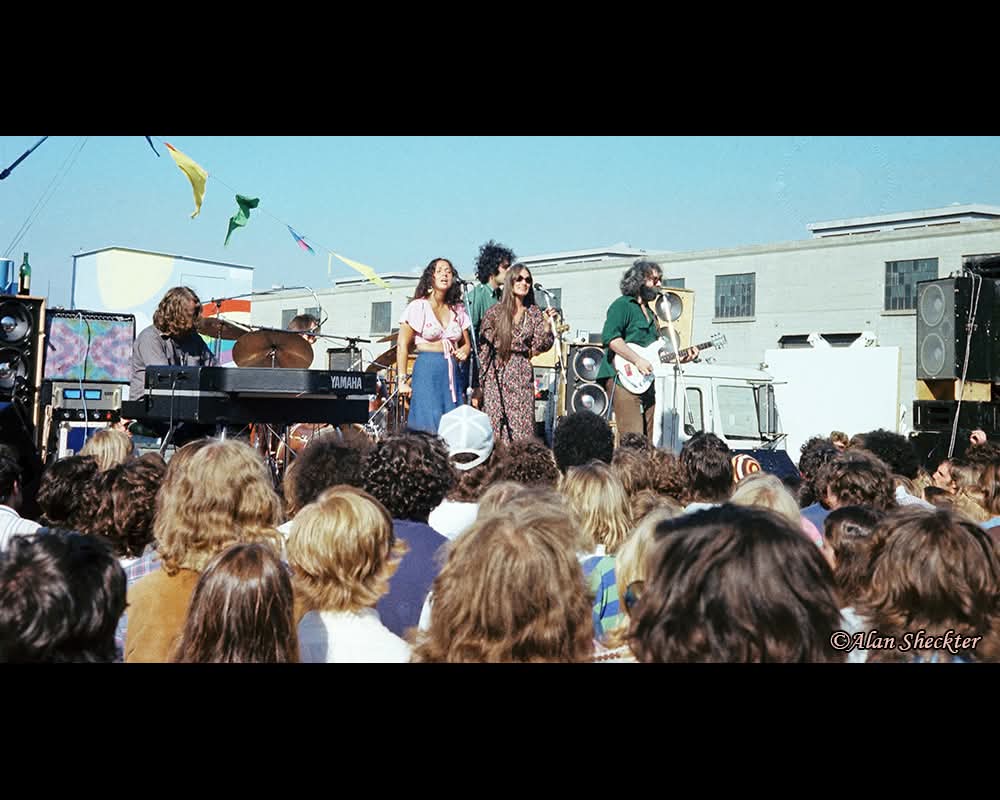
MM: Well, I just remember very fondly my days in the Jerry Garcia Band in the mid to late 70s. I recorded with them. I recorded on two of his albums. It was an amazing experience. I mean, what a band. John Kahn, Jerry Garcia. Ron Tut, Elvis’s drummer! And then Keith and Donna Godchaux. I could tell stories for days.
I know there are lots of Jerry tribute bands and so forth, but in the last five years or so I met a band called the Garcia Project. They do shows that are specific, different sets of the Garcia Band.
GDB: Sort of like what Dark Star Orchestra does with Grateful Dead sets.
MM: Yes. And they asked me, if they came [to play in California], would I consider sitting in with them and singing the harmonies I used to sing with Donna? I was a little dubious because like, oh God, a tribute band, how cheesy is this going to be?! But honestly, [guitarist Mik Bondy] – of all the Jerry offshoot bands I’ve heard, the way he plays is very much like Jerry, the tone of his guitar is just like Jerry.

GDB: And indeed, you have joined them on stage now a few times.
MM: Yes, and it was like – whoa! To see everybody in the audience reach that wave of ecstasy together and see all the chicks in the front doing what we used to call the “funky sun grope,” otherwise known as the “kelp dance.” It just brought back great memories.
GDB: I’d be excited to get to see you sing with the Garcia Project – and it sounds like you’re planning some shows with them for the spring to play songs from Spirit, the album you produced for them. [Spirit is a tribute album to spiritual songs Garcia performed, including tracks like “Sisters and Brothers” and “Palm Sunday.”]
Before I let you go, what else do you want people to know about Maria Muldaur?
MM: I’ve made 44 albums and I’m not done yet. I’m looking forward to doing a lot of cool gigs this year. Stay tuned. There’s more to come.
GDB: Thanks Maria, and good luck with that Grammy!
Muldaur has a few gigs on her calendar for NorCal fans with her Jazzbelle Quintet:
Visit https://mariamuldaur.com/ for more information about Muldaur’s albums and tour dates.
* Actress Susan Lucci was nominated for an Emmy Award for her role on the daytime soap “All My Children” 18 times between 1978 and 1998 without a win! She finally won on her 19th nomination.