Article Contributed by Gratefulweb
Published on 2026-06-11
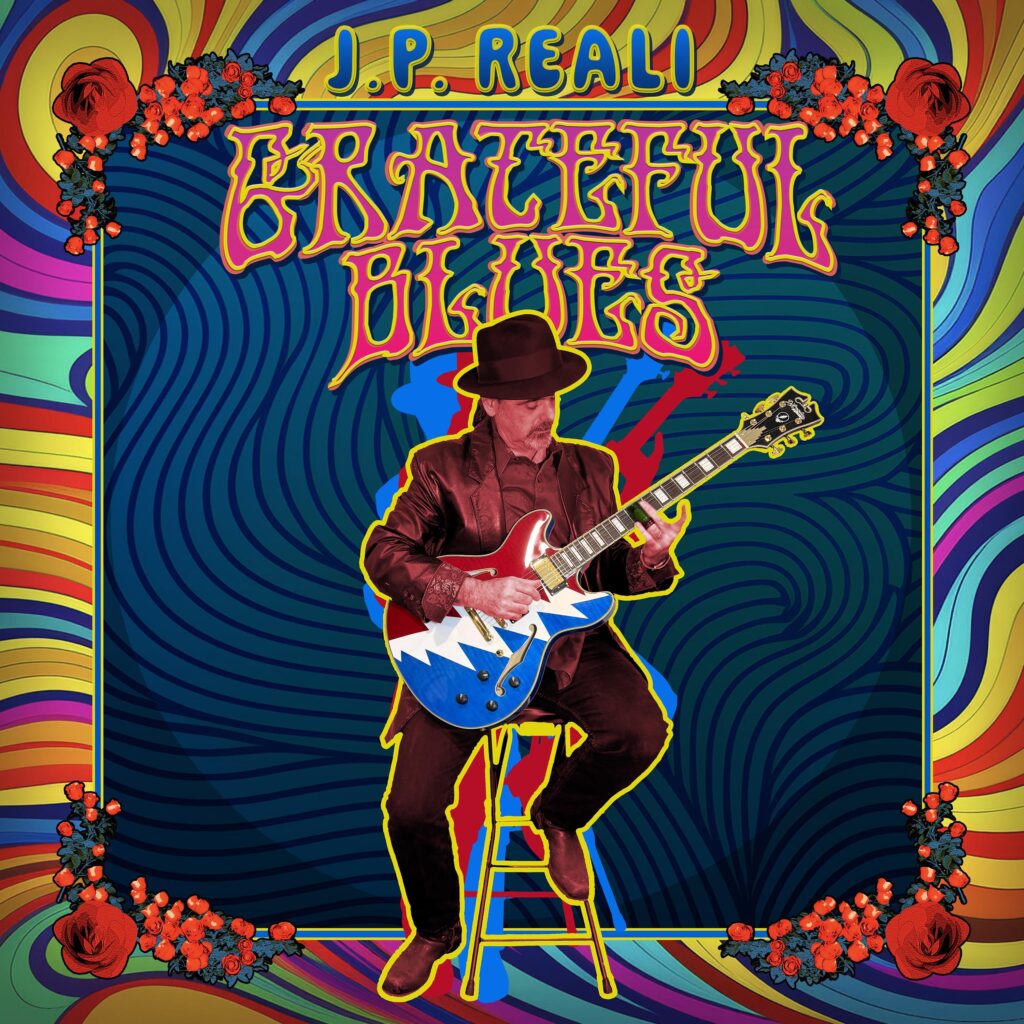
Blues guitarist, singer, songwriter, and longtime Grateful Dead fan J.P. Reali is bringing the Dead’s roots back to the surface with Grateful Blues, a new EP arriving July 31. The six-song project reimagines “Easy Wind,” “Loose Lucy,” “West L.A. Fadeaway,” “I Need A Miracle,” “Mr. Charlie,” and “Tennessee Jed” through Reali’s own blues-based lens, leaning into the deep connections between the Grateful Dead’s catalog and the American roots traditions that helped shape it.
For Reali, the project is not about recreating familiar versions of beloved songs. It is about finding the blues inside them, stripping the songs down, and giving them room to breathe in a different way. A veteran performer whose background spans Piedmont blues, Delta blues, roots music, audio engineering, and live performance, Reali brings both reverence and personal history to the material.
He also brings firsthand experience. Reali saw the Grateful Dead nearly 100 times, with special memories of the band’s 1983 East Coast run, Madison Square Garden, and the legendary 1989 Hampton shows billed as The Warlocks. That history informs Grateful Blues, but so does the larger idea that the Dead’s music has always been adaptable, communal, and rooted in the joy of musical freedom.
Recorded at Turtle Studios in Philadelphia with producer Jim Larson, Andy Kravitz, Rich Budesa, and Monty Cullum, Grateful Blues finds Reali honoring the spirit of the Grateful Dead while staying firmly in his own wheelhouse. The result is a blues-forward tribute that looks back to where the Dead began: five guys playing old blues tunes in a pizza parlor in 1965.
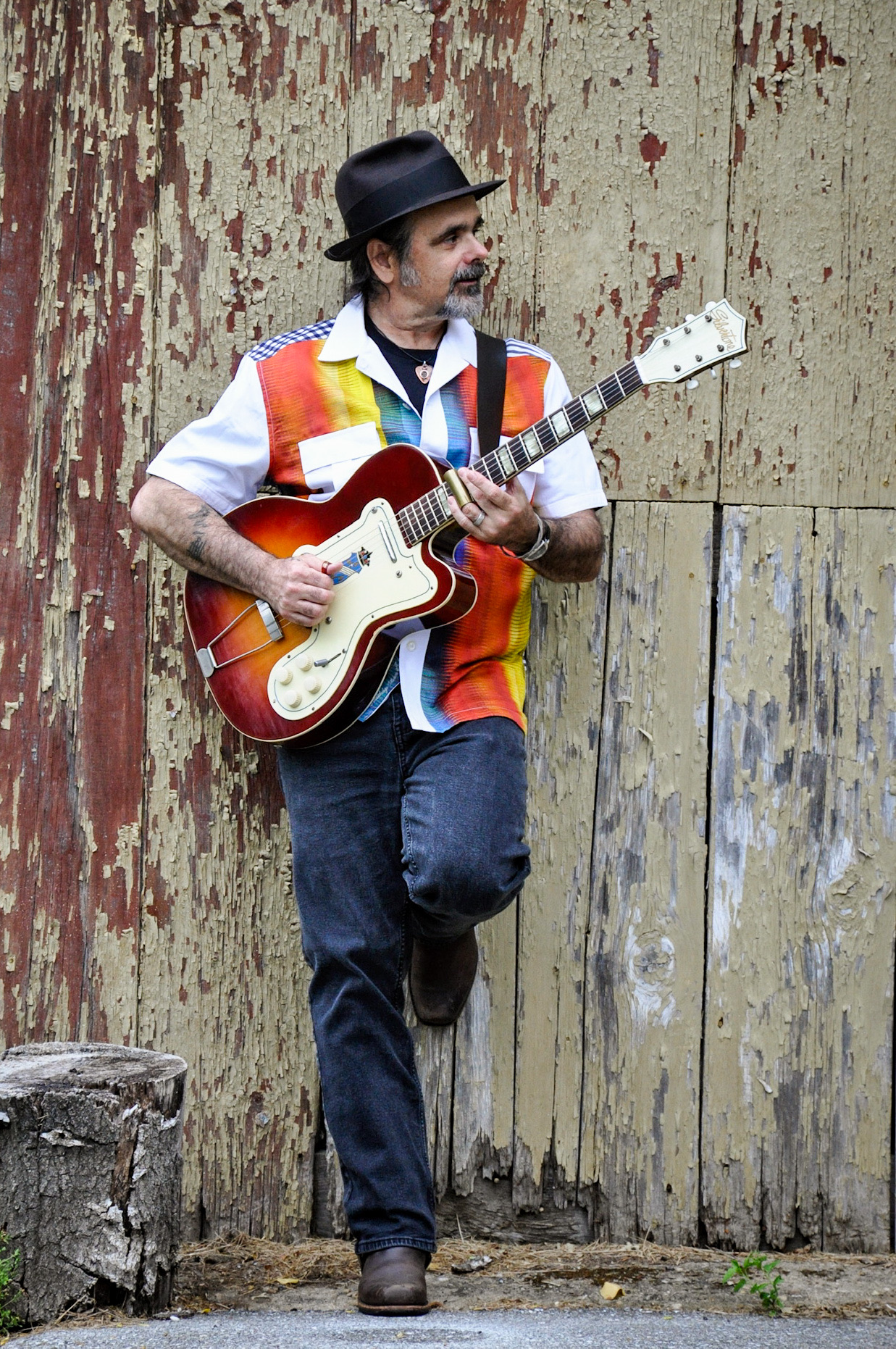
Grateful Web caught up with JP Reali to talk about the inspiration behind Grateful Blues, the Dead songs that first grabbed him, the band’s blues roots, and what comes next after the EP’s July 31 release.
What first inspired you to make a blues-based tribute to the Grateful Dead?
I have always loved the way the Grateful Dead incorporated blues into their music, and I wanted to showcase some of their songs that I thought could translate into great blues material.
Do you remember the first Grateful Dead song or album that really pulled you in?
The song “Shakedown Street” with the funky auto-wah or envelope filter on Jerry's guitar really made me take notice. There were not many guitarists using that effect at that time.
Did you get a chance to see the Grateful Dead live? If so, are there any shows or moments that still stand out to you?
I saw the Grateful Dead perform about 95 times, I honestly can't remember! The fall 1983 East Coast tour they did was a magical time for me, and I have very fond memories of all the shows, especially the two nights they played at Madison Square Garden. St. Stephen! Also, the 1989 shows in Hampton, Virginia, when they billed themselves as The Warlocks, were epic!
You’ve mentioned seeing dozens of Dead shows in the 1980s. What was it about that era of the band that connected with you?
My connection with the band during the 1980s came from simply not being allowed by my parents to see them in the 1970s. I was 16 years old when I saw my first show in 1982, so it was a coming-of-age sort of experience for me. They represented musical freedom, and I was thirsty for the freedom that comes with leaving home and going to college.
The EP includes “Easy Wind,” “Loose Lucy,” “West L.A. Fadeaway,” “I Need A Miracle,” “Mr. Charlie,” and “Tennessee Jed.” How did you choose these six songs?
The six songs came from a larger list that my producer Jim Larson and I whittled down from over a dozen other songs. We focused on songs that I was able to bring a solid vocal performance to, while also finding musical space for my guitar playing.
Were there any Grateful Dead songs you considered for the project but ultimately left off?
We considered more Pigpen songs, like “Chinatown Shuffle Operator” and the Garcia-penned “Deal,” but when the original plan to record a full album fell apart, we were forced to rethink the entire project.
“I Need A Miracle” gets a Texas shuffle feel and even teases “Bertha.” How did that arrangement come together?
The Dead would often segue from “Miracle” into “Bertha” simply because the outro vamp on “Miracle” is in the key of G major, which is what “Bertha” is in, too. It is just a natural transition that is easy to do.
When you approach a Grateful Dead song, how do you balance honoring the original with making it your own?
I am always very conscious of being a “tribute” act, meaning I do not want to recreate the original versions. Instead, I look for common ground between the song and the style that I like to perform in. Trying to keep in my “wheelhouse” is always a consideration. I love to play shuffles!!
The Dead always had deep roots in blues, folk, country, and early rock and roll. As a blues musician, where do you hear the blues most clearly in their catalog?
Much of their early material has a strong connection to blues and roots music, like Workingman's Dead and American Beauty. As they became more sophisticated musicians, their songwriting reflected that change also. There are elements of the blues on all three of their albums from the 1980s: Go To Heaven, In The Dark, and Built to Last. So while their music took on its own personality, it was still tethered to roots and blues.
What did you want listeners to hear in these songs that maybe they haven’t heard before?
By stripping these songs down, I want listeners to really appreciate where the Dead's music came from and remember how it all began: five guys playing old blues tunes in a pizza parlor in 1965.
Can you talk about recording the EP at Turtle Studios in Philadelphia and working with Jim Larson, Andy Kravitz, Rich Budesa, and Monty Cullum?
Turtle Studios in South Philadelphia is a great room to work in. It was keyboard player Rich Budesa that recommended it to me. We spent a 10-hour day tracking with all of us: me, Jim, Monty, and Rich. One of my mantras when recording, and playing for that matter, is we must have fun! We certainly did, and Andy Kravitz really polished everything and made the fun of the music jump out of the speakers!
You’ve had a long career in blues, roots music, audio engineering, and live performance. How does Grateful Blues fit into the larger arc of your musical life?
I have been wanting to make this album for a few years, and after the success of my previous three albums, I felt it was time to change it up a bit and make an album of someone else's songs. Musically, I am moving away from the structure of straight-ahead blues into a looser, more improvisational style, which is where I started in the 1980s. Making an album of Dead songs is always a great way to let music breathe and stretch out, so it just seemed natural.
Your background includes Piedmont and Delta blues traditions. How did those styles shape the way you approached these Dead songs?
I thought about “bluesifying” these songs, and we went through several iterations of each one until we found a version that worked. Some of them came together quicker than others. For example, I always heard a fingerstyle Piedmont version of “Tennessee Jed.” We did that song in one take.
What do you think makes the Grateful Dead’s music so adaptable across different styles and generations?
I think that the Grateful Dead and their music have always been about enjoying yourself and having fun, serious fun. People are always looking for something for a good time, and live music is a great outlet to do just that, and that translates across generational lines.
After Grateful Blues comes out on July 31, what’s next for you? Are you planning to perform these arrangements live?
We have an album release concert on Saturday, August 1, Jerry's birthday, where we will perform all six songs on the EP as well as my originals and some blues classics.
Pre-order the new album here: https://ffm.to/jb9bwdv