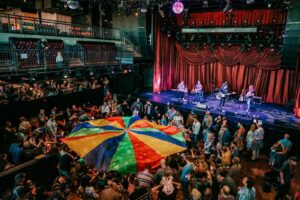
Article Contributed by Russell Levine
Published on 2026-01-05

Oteil & Friends | The Parker — Fort Lauderdale, FL | December 31, 2025 | photos by Russell Levine
By the time the house lights dropped at The Parker, 2025 was already staggering toward the exit, wounded and unwanted. The crowd felt it. Oteil Burbridge felt it. This was not a night for champagne clichés or forced celebration. This was a night for truth — preferably delivered at a reasonable volume.
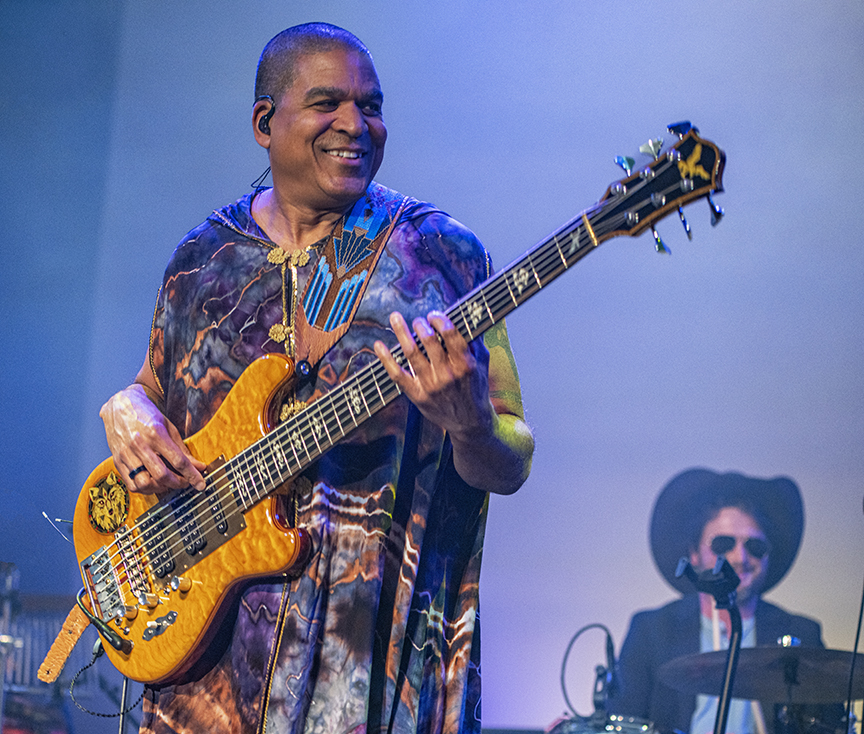
Oteil stepped into the glow dressed not like a rock star but like a traveler returning from somewhere ancient, wrapped in a flowing Egyptian galabiya that turned the stage into something closer to a sanctuary than a venue. It wasn’t a costume. It was context. Freshly back from Egypt, Oteil carried that journey with him — not as spectacle, but as feel. His bass lines moved like currents instead of riffs, circular and grounding, more about gravity than flash.

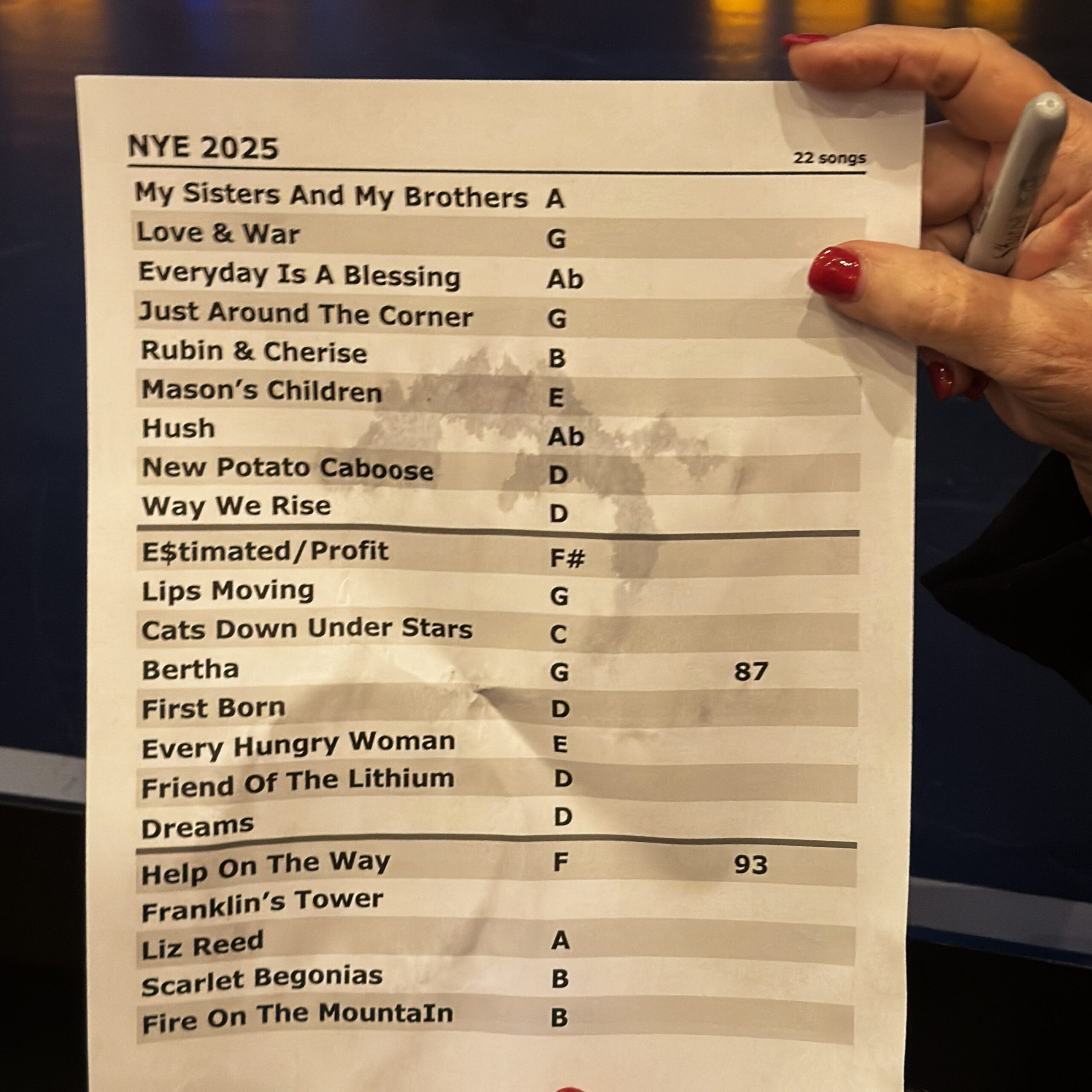
From the opening notes of My Sisters and Brothers (In Christ), Oteil made it clear he wasn’t there to dominate the room — he was there to hold it together. His bass didn’t shout; it guided. Thick, funky, elastic grooves wrapped around the band like scaffolding, giving everyone else permission to stretch, explore, and breathe. This was leadership by feel, not force.

Love and War followed, a song co-written and sung by Lamar Williams Jr., and one of the night’s emotional anchors. Oteil and Lamar locked in with the kind of familial ease that can’t be rehearsed — a groove built on shared history and mutual trust. The rhythm didn’t push forward so much as pull everyone inward, asking the crowd to listen instead of react.
That restraint defined the night.
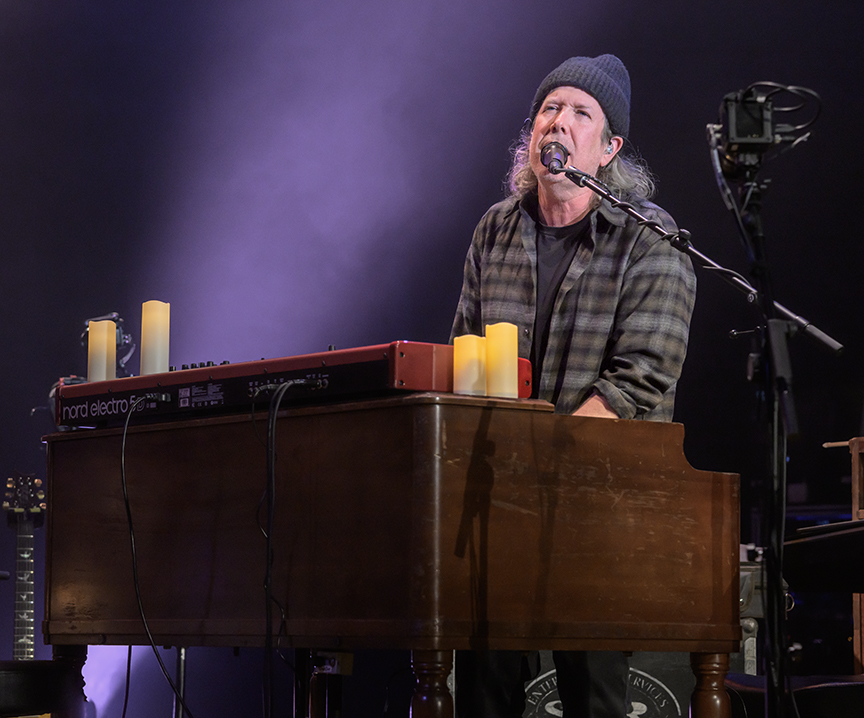
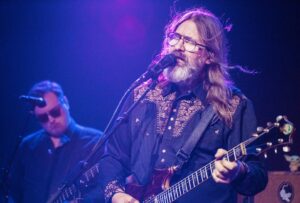
At the center of the sound stood Jason Crosby, whose restless musicianship moved fluidly between keyboards, vocals, and strings. His long journey — from Santana and Tedeschi Trucks to the extended Allman and Grateful Dead families — showed not in volume, but in intuition. Mason’s Children arrived lean and dangerous, played with discipline instead of indulgence, reminding everyone that the Grateful Dead were never meant to be wallpaper.
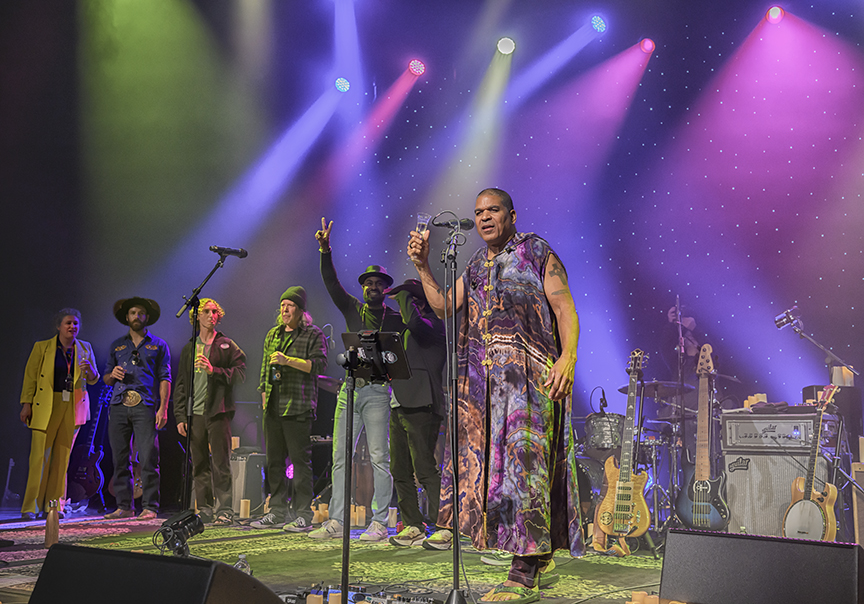
Set two cracked the room open. Bertha shook loose stiff joints and stiff drinks, while Estimated Prophet slithered in behind it, sharpened by a sly Pink Floyd “Money” mash-up. The familiar pulse crept beneath the rhythm like an intrusive thought about time, power, and the strange ways we measure value. Oteil’s bass turned the moment from novelty into commentary — funky, elastic, and quietly ominous.
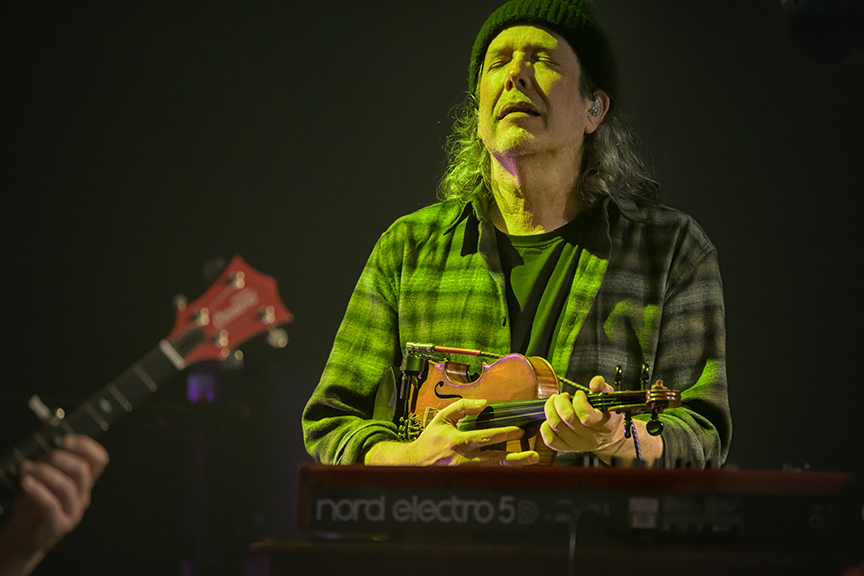
When Friend of the Devil emerged, Crosby picked up the violin, steering the song into unexpected territory. His fiddle lines added a Marshall Tucker Band–style Southern looseness, turning the tune into something front-porch and back-road, less stadium Dead and more human confession. All the while, Oteil remained the compass — steady, patient, unshakeable.

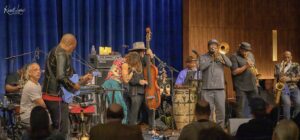
Behind him, John Morgan Kimock anchored the pulse with drumming that favored feel over force, letting space do as much work as sound. Alongside him, percussionist Jimmy Rector added texture rather than clutter — coloring the grooves with restraint and intention. Rector, a multidisciplinary artist with over two decades of touring and studio experience, brought a subtle but essential dimensionality to the rhythm section. His résumé spans collaborations with Oteil & Friends, Jaimoe, Marcus King, Melvin Seals, Béla Fleck, and Sam Bush, and his touch reflected that breadth — never busy, always supportive.
Then the clock cracked open.

Help on the Way → Slipknot! → Franklin’s Tower wasn’t chaos — it was controlled release. Oteil’s bass carried the transition like a heartbeat, steady and insistent, guiding the room across the threshold. At midnight, there was no eruption. The crowd exhaled collectively, as if realizing it had been held upright the entire time.

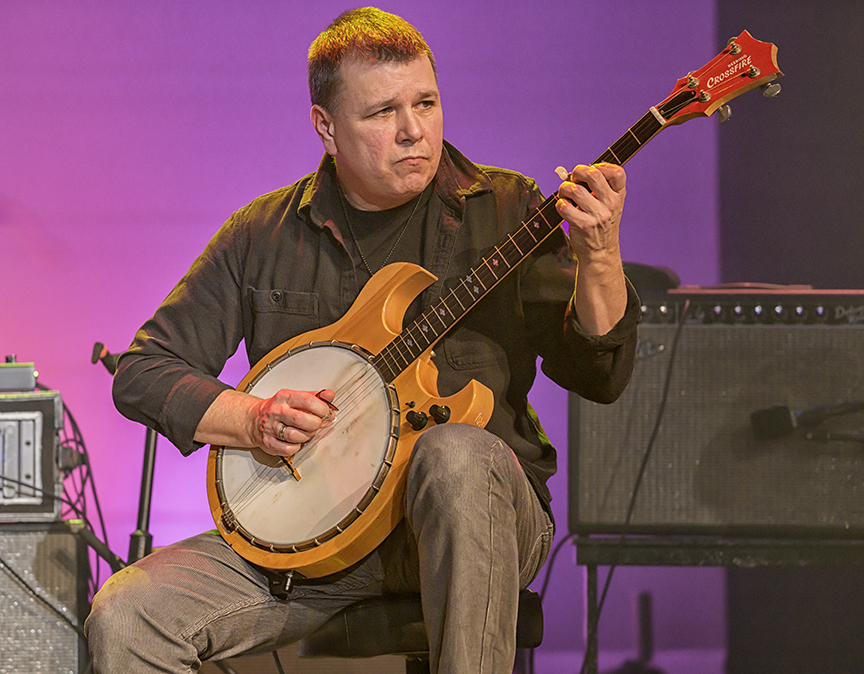
After the turn, In Memory of Elizabeth Reed arrived exactly as it should — instrumental, reverent, and unspoken. The Allman Brothers’ spirit was present but not summoned, honored through melody rather than spectacle. Guitarists Tom Guarna and Jaden Lehman approached the tune from opposite ends of the generational spectrum, meeting in the middle with restraint and respect.
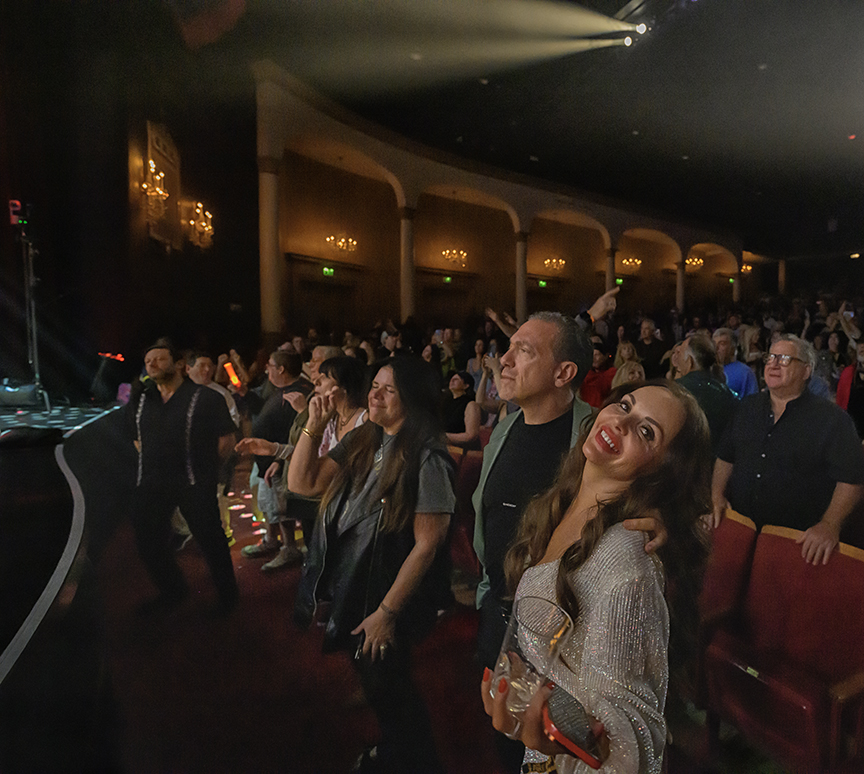
Scarlet Begonias and Fire on the Mountain followed, the fire choosing to smolder instead of explode. And when the encore, Mighty High, finally arrived, it felt less like a finale and more like a gentle release back into the night.

This wasn’t a New Year’s Eve blowout. It was something better: a musical reality check, delivered by a band unafraid to trust silence, space, lineage — and groove.
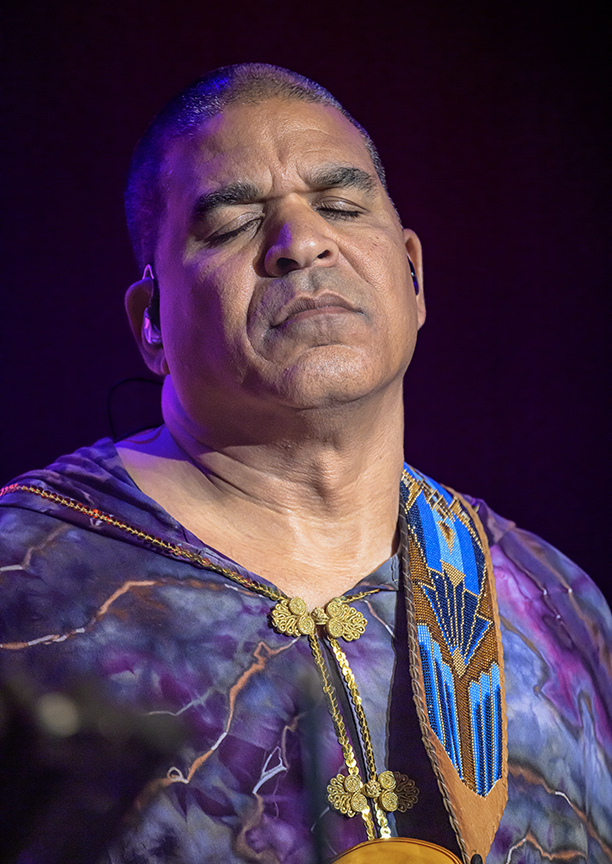
Fresh from Egypt, dressed like a pilgrim, and playing like a healer, Oteil Burbridge didn’t just lead the band.
He held the room together, one deep, funky, ancient bass line at a time, while the calendar flipped.
And sometimes, that’s the real miracle.