Article Contributed by 23 PR
Published on 2026-05-02
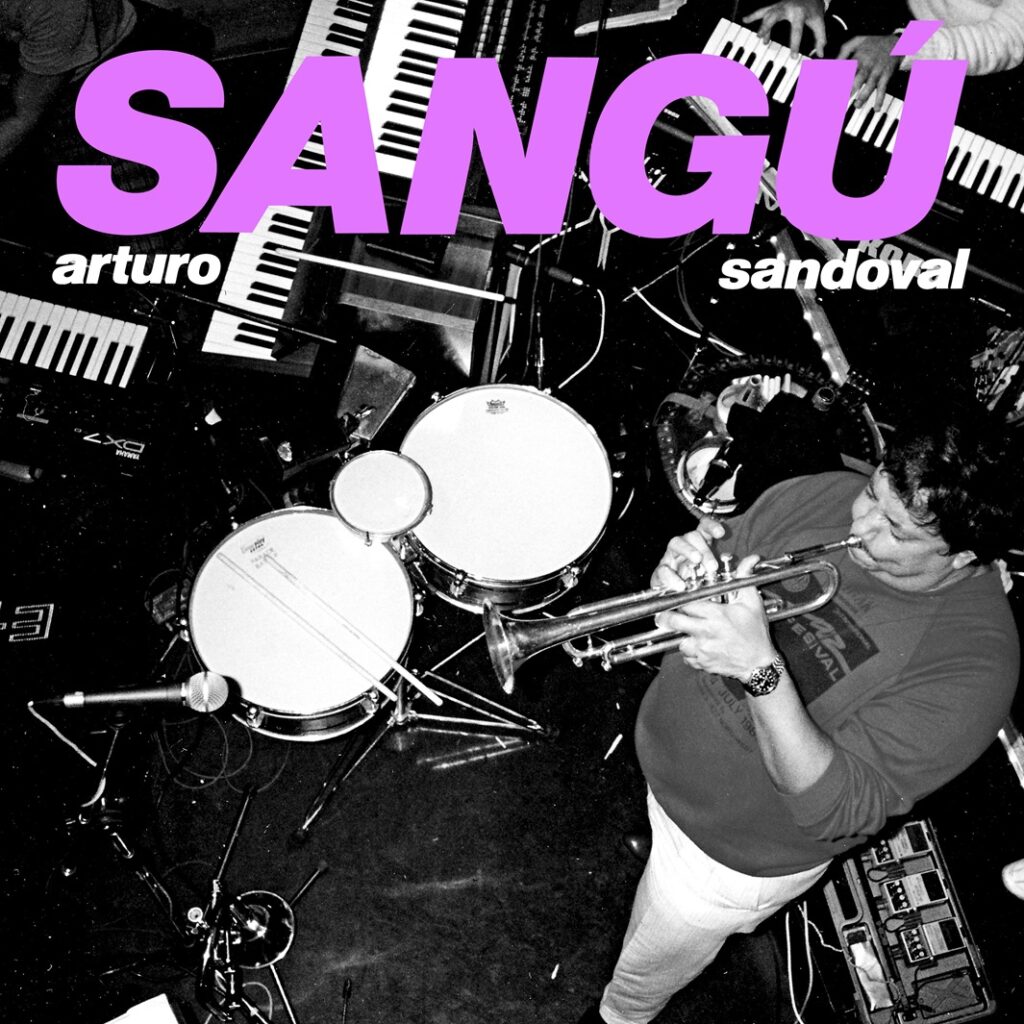
Today, Arturo Sandoval — the peerless trumpeter, bandleader, composer, and Latin music icon who has been recognized with 10 GRAMMY Awards and a 2013 Presidential Medal Of Freedom, who maintains an omnipresent relevance in pop culture (he just joined Karol G during her history-making headline Coachella performance) — shares a thrilling new album SANGÚ. Sandoval will play across the US this summer and fall, including residencies in both LA and New York City. Find all dates below; listen to SANGÚ here.
SANGÚ captures the 76-year-old Sandoval in a moment of undeniable creative vitality. Throughout the album's 12-tracks, SANGÚ delivers a gloriously unbound vision of Afro-Cuban funk, one that’s both ancestral and strikingly modern. It’s a swirl of bebop, fiery jazz fusion, and batá-inspired rhythms, punctuated by left-field flashes throughout: you can hear hints of Fela Kuti's expansive Afrobeat, Chet Baker's dusky ambience, organ-powered Memphis soul, and even slick French house. This is Sandoval at his most rooted, most expressive, and most fearless.
Born from an intimate, family-driven creative process, SANGÚ — an accidentally Spanglish iteration of "sounds good," and a beautiful representation of Arturo Sandoval's history and permeance across cultures — was shaped at home and built from trust, play, and deep musical kinship. Conceived and created in collaboration with his son Arturo “Tury” Sandoval III and daughter-in-law / manager Melody Lisman, the album opened a new space in Sandoval’s life and work, igniting an intergenerational artistic dialogue. Together, they set out to create a record that could carry Arturo’s sound into the future while honoring the elemental forces that shaped him: Afro-Cuban percussion, Yoruba spiritual memory, Cuban phrasing, bebop, funk, folklore, and the electrifying spirit of risk.
As a result, SANGÚ represents one of his most deeply rooted and expressive works in recent years, while it reconnects Sandoval with the powerful musical heritage that shaped his earliest artistic identity, formed in his hometown of Artemisa, Cuba. The DNA of SANGÚ reaches back to the pioneering spirit that animated Irakere, the groundbreaking group Sandoval co-founded in Cuba with Chucho Valdés and Paquito D’Rivera. SANGÚ taps into that era's fearless fusion, distilling decades of experience into a showcase for an artist fully in command of a disparate but alchemical musical vocabulary: Batá-inspired rhythms, congas, bells, güiro, brass choirs, montuno language, jazz harmony, and funk propulsion packaged into an emphatic, organic whole.
SANGÚ is generous with its richness, whether it's the the simmering and indefatigable “Scat,” driven by a deep Afro-Cuban funk groove, the patient restraint and lyricism of "Red Trumpet," the spiritually stirring "Babalu Ayé" (a tribute to Sandoval's profound connection to San Lázaro), or the ritualistic and urgent collision of bebop bite and percussive Afro-Cuban momentum on the album's title track, "Sangú." In a sense, SANGÚ is biography abstracted into sound — an immediate and joyful journey that reveals, over its twelve tracks, an artist synthesizing his life's work, still curious and willing to surprise himself as he expands his artistry.
From the earliest stages of its creation, SANGÚ was recognized and nurtured by Daisuke Oda and Darren Romanelli, whose creative spirit, vision, and unwavering support helped make the project possible. Through Magic House in Tokyo, they did more than support an album; they helped protect and champion a work of deep artistic and cultural significance. As visionary cultural supporters and early champions of this music, Magic House and its founders are woven into the story of SANGÚ in a lasting and meaningful way.
Learn more about Magic House here.
Even after a lifetime of extraordinary accomplishments, Arturo Sandoval approaches music with the same curiosity, passion, and joy that first inspired him as a young boy in Cuba. His trumpet playing remains instantly recognizable for its radiant tone, astonishing range, and emotional depth; it universally represents true artistic freedom, cultural exchange, and the enduring power of music to transcend borders. Reflecting on his life in music, Sandoval once said, “The only thing I hope is that when I am gone people remember me as someone who loved music deeply and respected it completely.”