Article Contributed by Russell Levine
Published on 2026-05-02
Photos by : Russell Levine
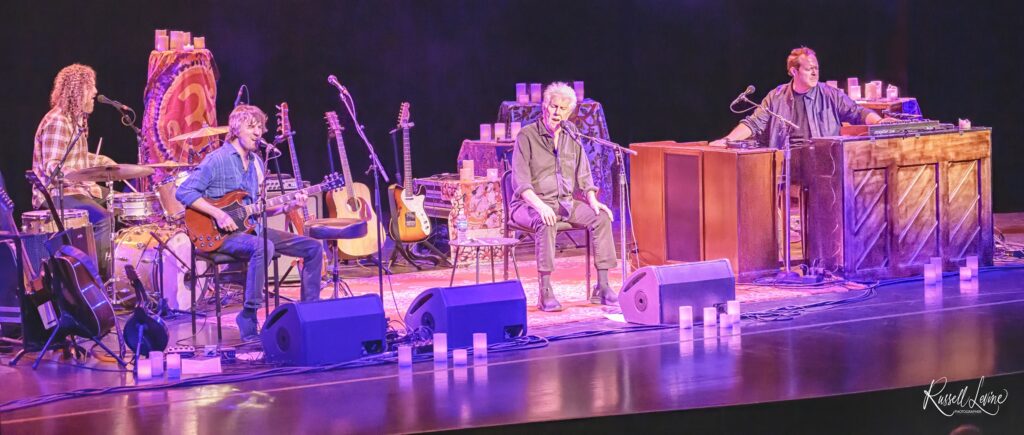
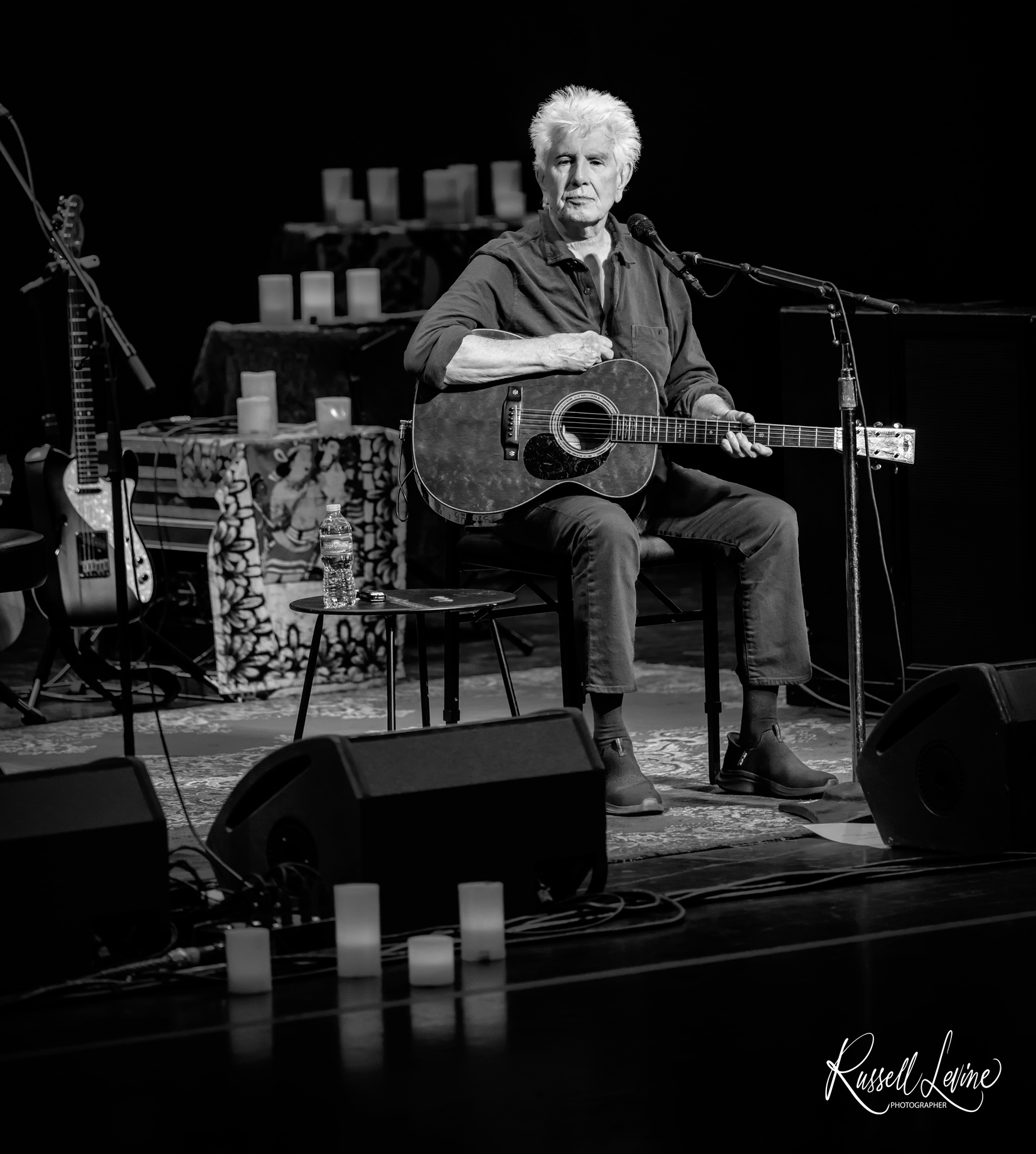
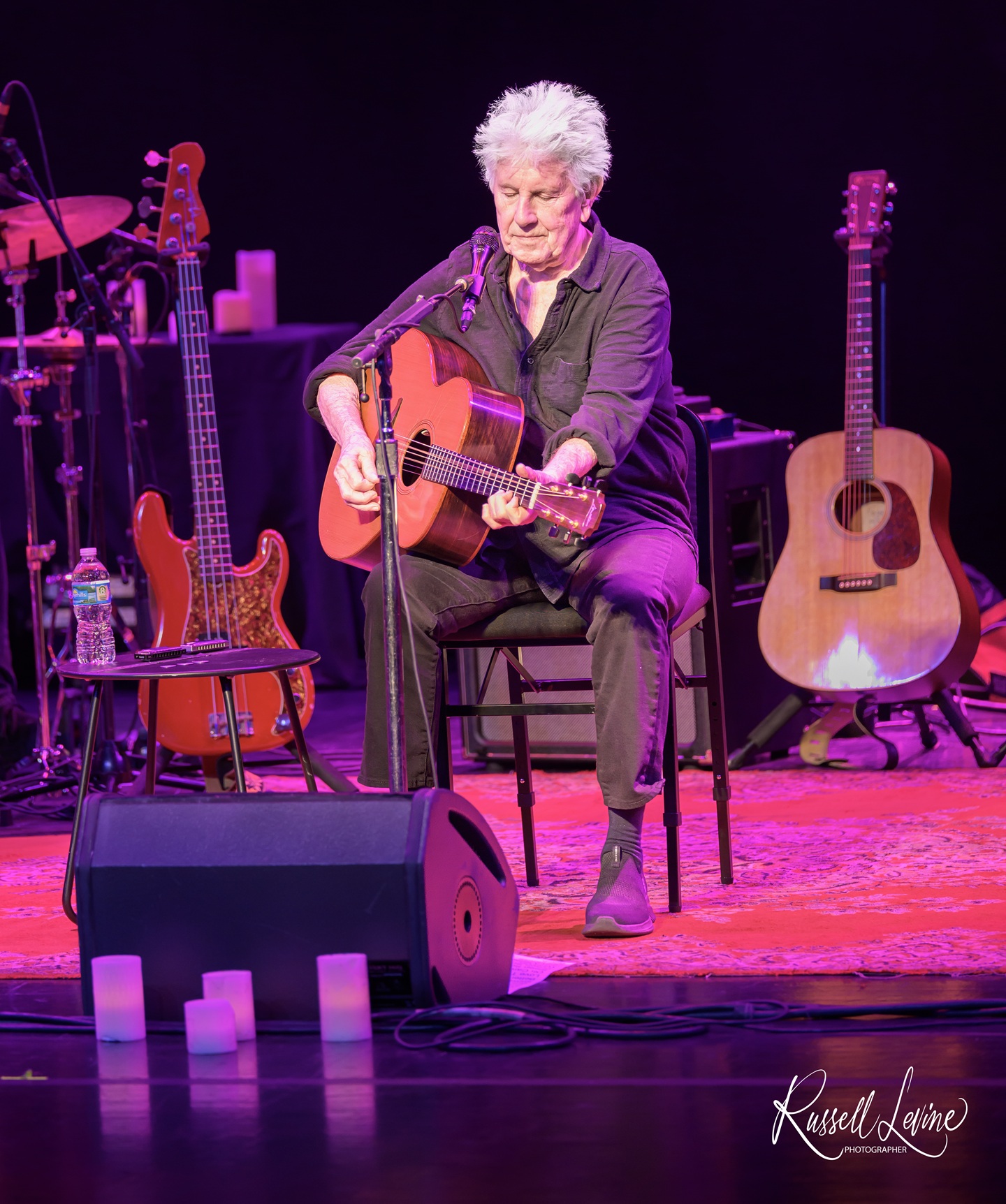
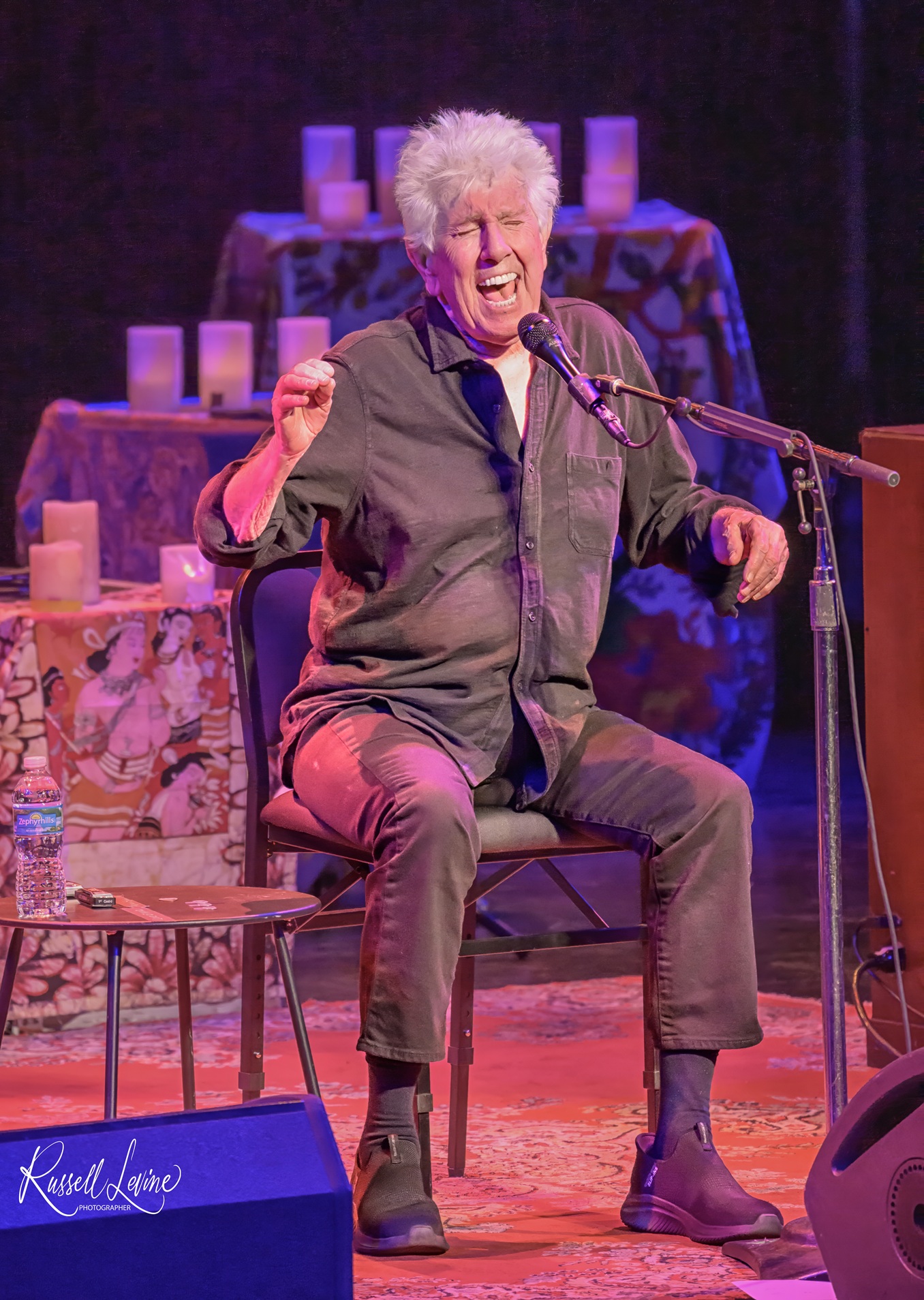
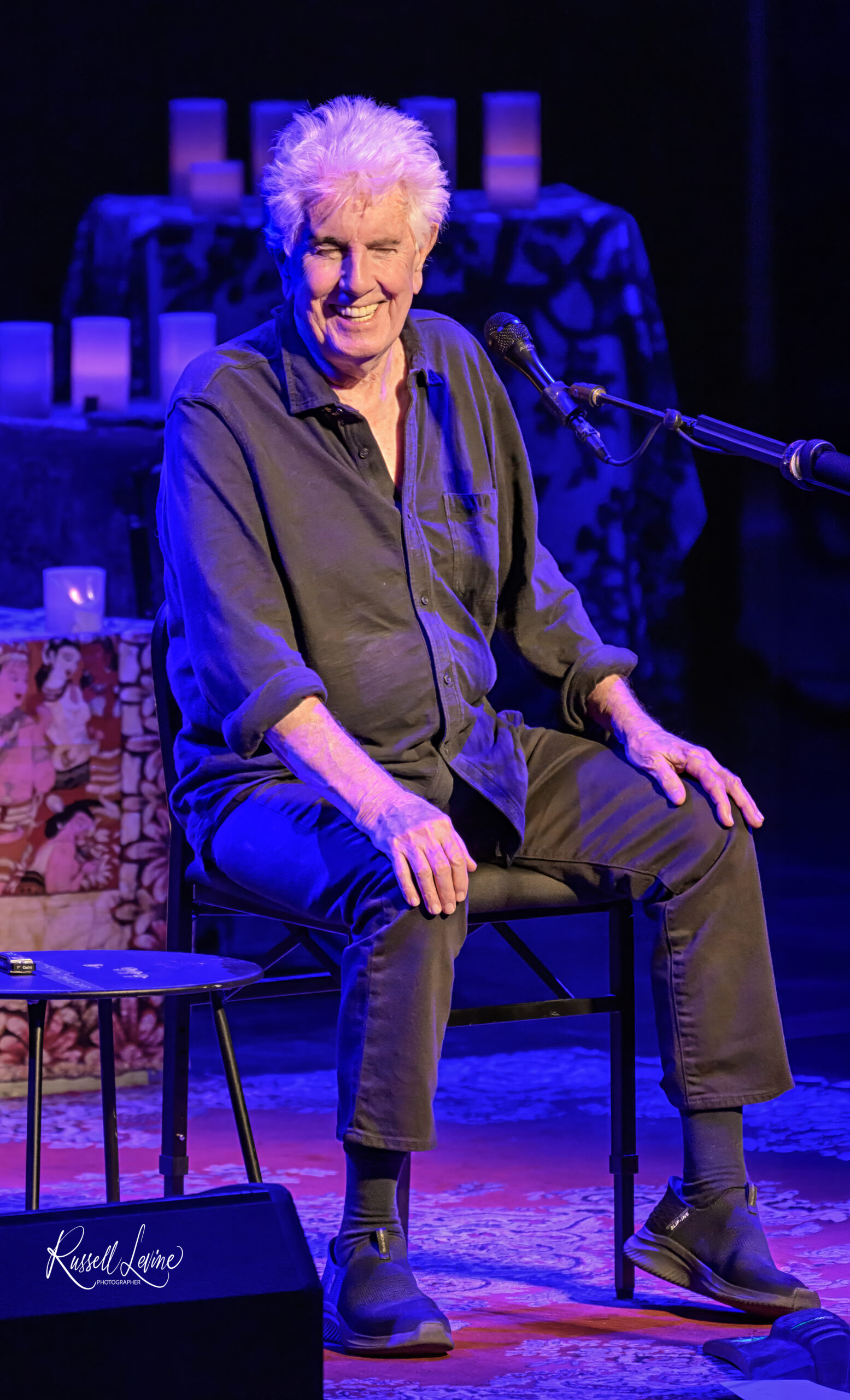
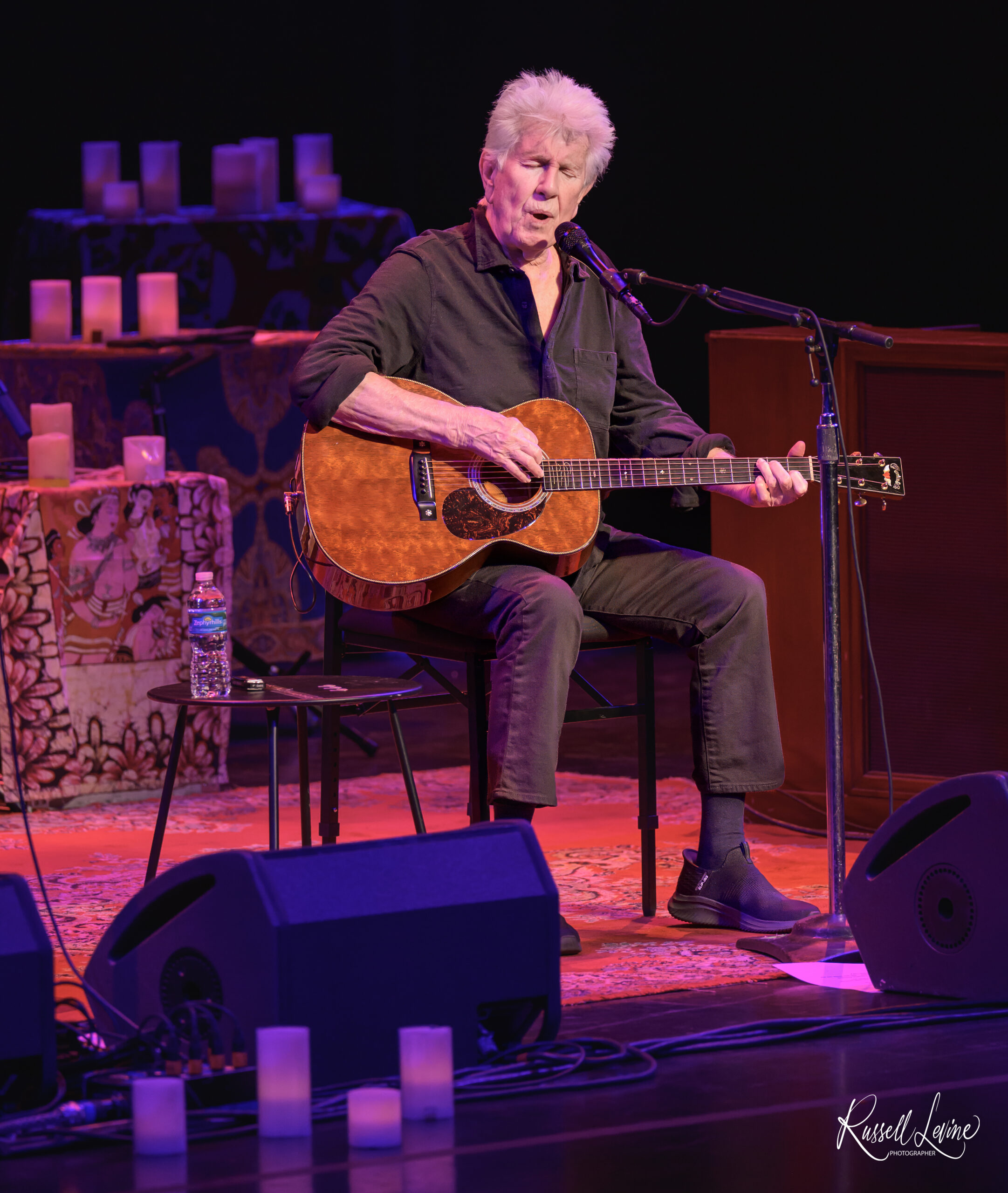
The air in Fort Lauderdale felt like it had something to confess Wednesday night, thick, electric, slightly untrustworthy. Inside Parker Playhouse, the lights dropped low, candles flickered like quiet conspirators, and out walked Graham Nash, 84 years old and still carrying the kind of truth most people spend a lifetime avoiding.
This wasn’t nostalgic.
This was memory with teeth.
Opening the Vault
“Pre-Road Downs” landed steady and unflinching, and right away you could hear it. His voice is still clear, still precise, still capable of cutting clean through decades. Not thinner, not faded, just sharpened by time.
The crowd skewed seasoned but engaged. These weren’t passive listeners. They were participants.
“Marrakesh Express” cracked something open. Memories didn’t drift in. They surged. Beneath it all, Zach Djanikian subtly reshaped the edges, adding a loose, conversational feel that kept the song from settling into nostalgia.
Stripped to the Bone
“Wild Tales,” delivered without a guitar, stopped the room cold. No safety net. No distraction. Just Nash’s voice, still reaching, still expressive, still capable of lifting into those familiar upper registers when it mattered.
“I Used to Be a King” followed with quiet weight, reflective and unguarded. Then “Military Madness” tightened everything. The first political strike of the night came sharp and direct, its urgency reinforced by Adam Minkoff, who locked into a more percussive groove that gave the song a subtle but undeniable edge.
Nash doesn’t sermonize.
He connects dots.
Stories That Carry Just Enough Weight
The “Bus Stop” story, young Graham Gouldman and a polite visit that unearthed a hit, came quick and efficient. Nash knows when to move on.
“Immigration Man” followed, grounded in lived experience rather than abstraction, its message landing with quiet clarity.
Where the Floor Drops Out
“Prison Song” shifted the emotional gravity. Nash spoke about his father’s imprisonment, one moment, one decision, permanent consequences.
But he didn’t leave it there.
He tied it forward, pointing to modern sentencing disparities and stories that echo the same imbalance decades later, collapsing past and present into a single, uncomfortable throughline.
No theatrics.
Just truth that still stings.
Echoes That Don’t Fade
A recorded “Critical Mass” with David Crosby filled the room like a signal from another time, fragile, haunting, unmistakably human.
“Wind on the Water” followed, guitar lines bending into something almost oceanic, mimicking whale calls with eerie precision. The moment didn’t ask for applause.
It demanded reflection.
Craft, Chance, and the Shape of a Song
“Just a Song Before I Go” brought a flicker of humor, a 20-minute bet turned into a permanent piece of the culture.
“Our House,” tied forever to Joni Mitchell, softened the room again. The crowd didn’t just sing. It leaned in, voices blending into something communal and protective.
The Jerry Garcia Moment: “Teach Your Children”
Then Nash turned toward a story that still feels like folklore and happens to be true.
During the Déjà Vu sessions with Crosby, Stills, Nash & Young, it was Crosby who suggested bringing in Jerry Garcia, who at the time had only been playing pedal steel for a few weeks.
Garcia walked in, heard the track once, and laid down the now-iconic part in a single, spontaneous take.
Then immediately doubted it.
He wanted another pass.
Nash refused.
Because what Garcia heard as mistakes, Nash heard as life. The looseness, the breath, the humanity that makes the track endure.
That moment didn’t end in the studio.
Nash later gifted Garcia a vintage ’55 Stratocaster, the guitar that would become the legendary “Alligator,” a gesture tied to their broader collaboration during that era, including Nash’s solo work. In return something less tangible came but just as lasting. A cross-pollination of sound, where CSNY’s harmonic precision and the Grateful Dead’s evolving vocal blend informed each other in real time.
All of it lingered as the song began.
And when “Teach Your Children” rose up, those pedal steel lines, nearly erased before they ever existed, cut straight through the room. The audience didn’t just sing. They committed. Voices rising together, not out of nostalgia, but recognition.
The Moment That Stopped Time
“Find the Cost of Freedom” arrived without warning and froze everything.
As those stark harmonies took hold, the image from Life magazine, the girl screaming over a fallen student at Kent State shootings, flashed through my mind with brutal clarity.
Then came the vinyl memory.
“Ohio” on the A-side. “Find the Cost of Freedom” on the B-side. A 45-rpm record that carried fury on one side and mourning on the other.
A small object that held a country breaking apart in its grooves.
That record brought back a flood of memory all at once. Vietnam on the evening news. Campus protests. The sense that the air itself had turned unstable.
It hit hard without warning.
A memory I lived.
And one I carry.
And judging by the stillness, the absolute stillness, I wasn’t alone.
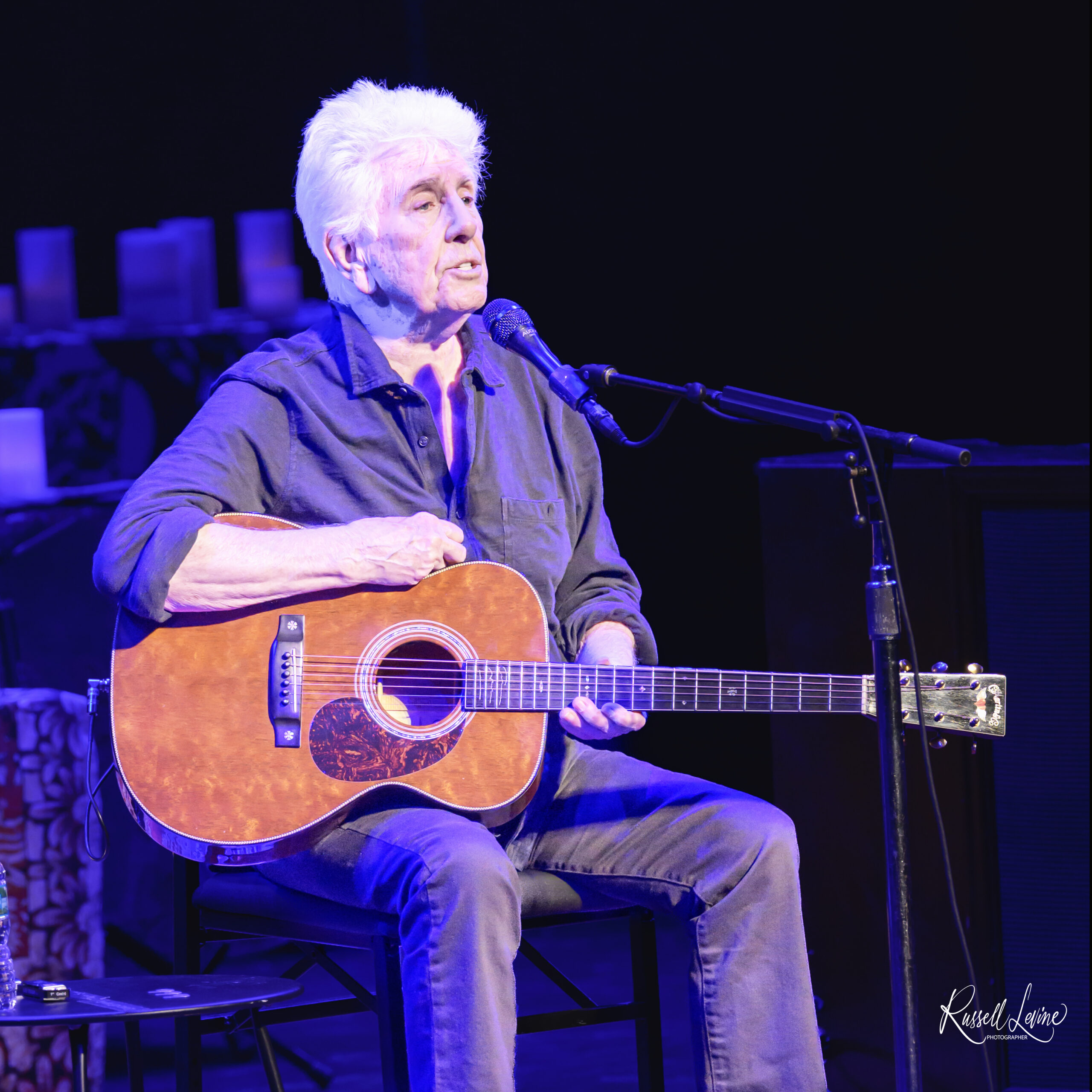
The Engine Beneath It All
Behind Nash, the music never stood still.
Adam Minkoff and Zach Djanikian weren’t just supporting. They were actively shaping the night. Instruments changed hands constantly, bass, guitar, drums, sax, yet nothing felt rushed or showy.
Minkoff made transitions feel invisible, at times holding rhythmic and melodic responsibilities simultaneously without breaking flow. Djanikian added texture and air, his phrasing giving songs an elasticity that kept them alive rather than preserved.
Their harmonies mattered just as much, close, careful, and deeply felt, honoring the architecture without locking it in place.
They didn’t recreate the past.
They kept it breathing.
Closing the Circle
“Woodstock” broke the emotional tension, release, joy, something close to catharsis.
“Suite: Judy Blue Eyes” sealed it. Nash still reached for those high harmonies and still landed them with conviction. The standing ovation wasn’t automatic.
It was earned.
Final Transmission
This isn’t a nostalgia act.
It’s a living archive. Songs are still doing the work they were written to do.
And on nights like this, they don’t just revisit the past.
They bring it forward, sharp, unresolved, and very much alive.
Russell Levine is a photographer and writer covering live music for Grateful Web. He has been documenting the jam band world and its community for years, camera in hand and a few decades of Dead shows in his bones.