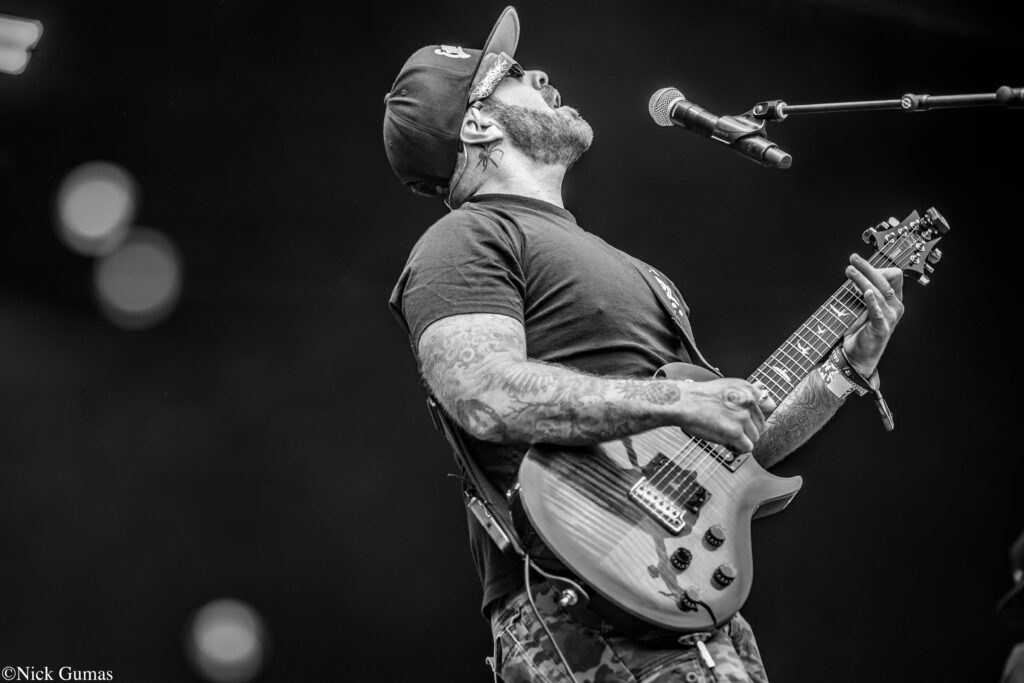
Article Contributed by Nick Gumas
Published on 2026-05-29

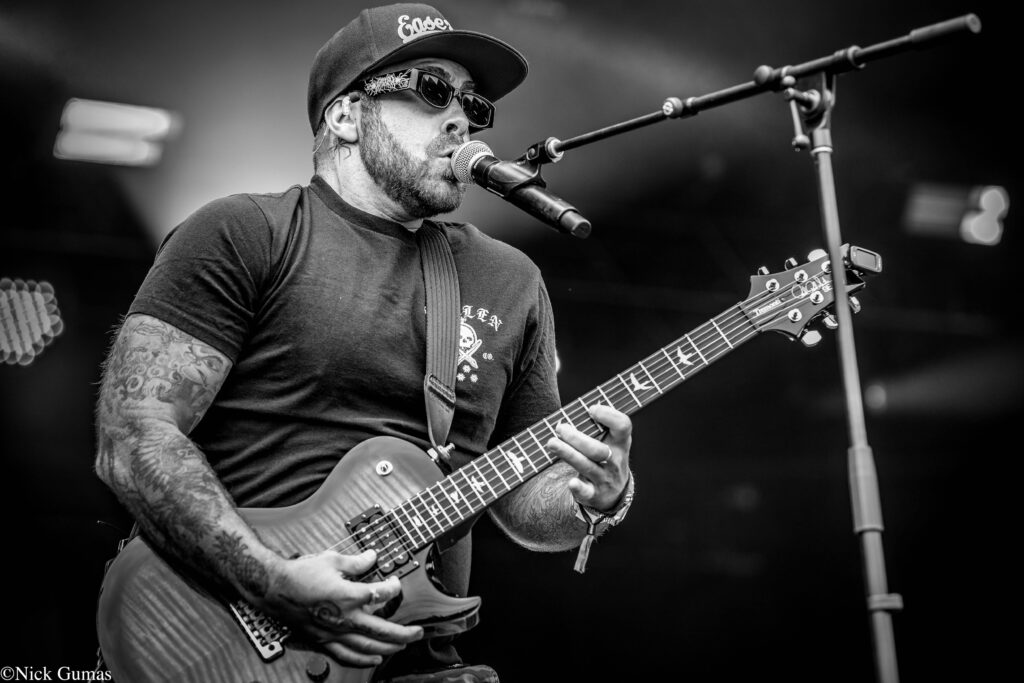
Earning the attention of fans across the globe, Ventura, Ca-based artist Kyle Smith has been pushing the boundaries of “Cali reggae” since fully committing himself to his music over a decade ago. Defined by his mission to create work that not only resonates with his fans, but sits with them for the right reasons, Smith has worn his vulnerability as a badge of honor as he continues to produce work that defines the human condition as seen through his eyes.
Grateful Web got to sit down with Smith shortly after his set at this year’s Cali Roots festival to speak with him about his determination to bring his music to bigger audiences, the purpose he feels every time he begins to write, and his unrelenting proclivities to seize every opportunity he continues to make for himself.
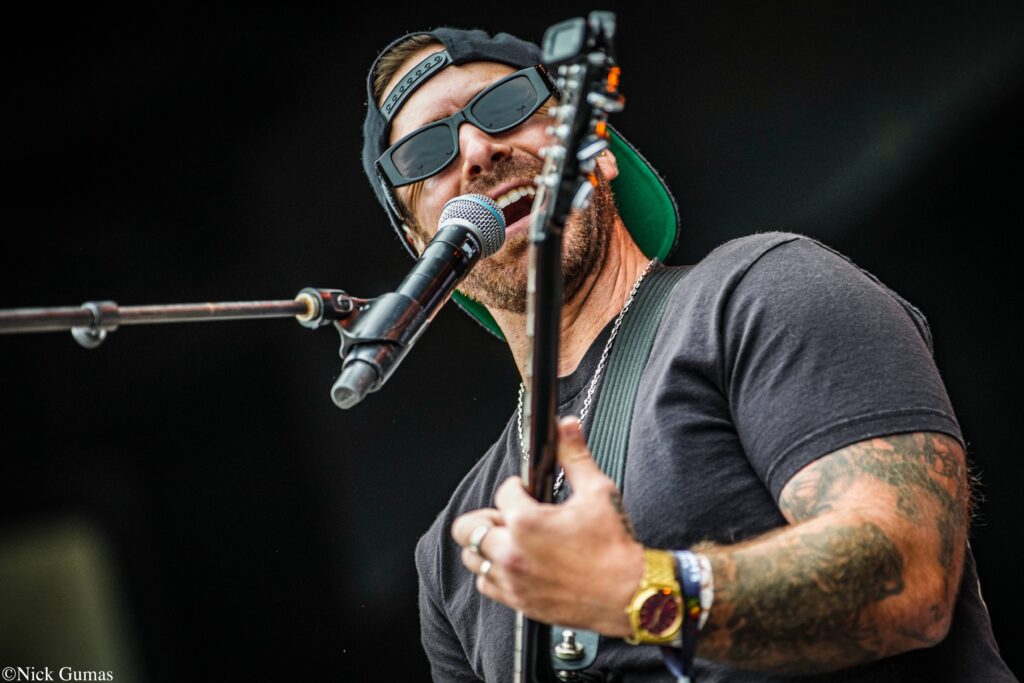
Grateful Web: So we first met at Cali Roots in 2022. We were backstage and you were handing your newest CD right after Lost Cause came out, and having conversations with everyone about your work, and now you’re back playing the headlining stage. From initially coming here as a fan, to earning a spot on the pop up stage in 2018, to earning a real place in this family, what has this festival meant to you and what kind of milestone was your set today personally?
Kyle Smith: Well, there are a lot of music festivals out there, and this is one of the only ones where it is all of our friends, all in one place, all at the same time. Everybody loves each other, everybody's checking on each other, “How have you been? What have you been doing the past year?” Backstage here is such a hang. There is no genre discrimination here, it’s just every kind of music that you can think of all in one festival, and we just love that. I’ve been just such a huge fan of this scene, even before I picked up a guitar or made my first record or anything, I was just always trying to get to Cali Roots somehow. So to be able to come here and do that, and to play in the Bowl is a very, very big deal. Super grateful.

GW: I still have that CD you gave me up on my bookshelf, and I was looking at it before I came down here and thinking about all the artists you collaborated with on that record. From “Ballyhoo!” to "Bumpin Uglies," you’ve gotten nods from so many staples in this community. Where do you see your place in modern reggae and ultimately how do you want your legacy to read?
KS: I would almost consider us more of an alternative artist. With all the albums, we’re not really reggae, we’re not really punk, we’re not ska, we’re just kind of a little bit of everything, and I’m hoping that we can create something new or that nobody’s ever done before, which could take, who knows what. But I’m glad that we have a home here.
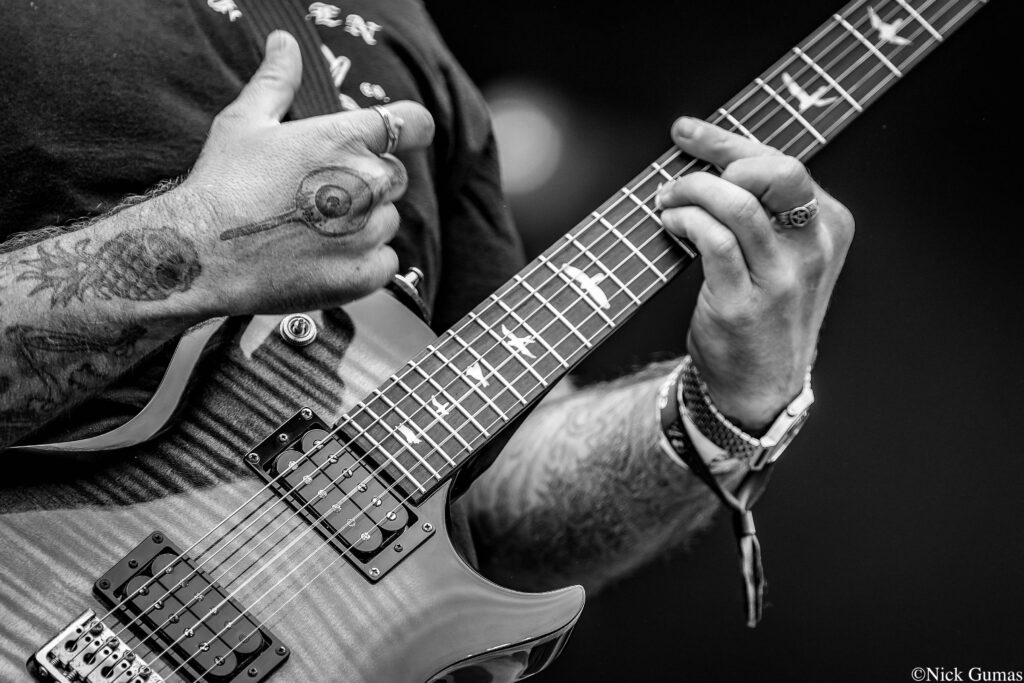
GW: What does bootstrapping it as an artist mean to you in a post-radio, post-Reverb Nation, post-SoundCloud era? What paths do you see to success for anyone coming up right now?
KS: I would just say to focus on the positives. You have the unlimited opportunity to reach anybody on earth in a matter of a second in your pocket with you at all times, take advantage of that. I know that there is a lot of doom and gloom around being an artist. A lot of people say that it's hard, that it's impossible, but right now, I don’t think there has ever been an easier time for the entire world to access your music right now. All somebody has to do is go to a platform and type in your name, and that's it. Back in the day, you would go to a record store you would hope that they have a copy of whatever you’re trying to seek out, you don’t even get heard unless you get signed by a big label, so I think right now, we as artists are at an incredible advantage of having social media and streaming platforms. Even though it is a little bit of a financial hurtle, or people talk about not making any money off of streaming platforms, you still have that ability for anybody in the world to hear your music, which is something that we should definitely be capitalizing on if we’re trying to be heard by as many people as possible.
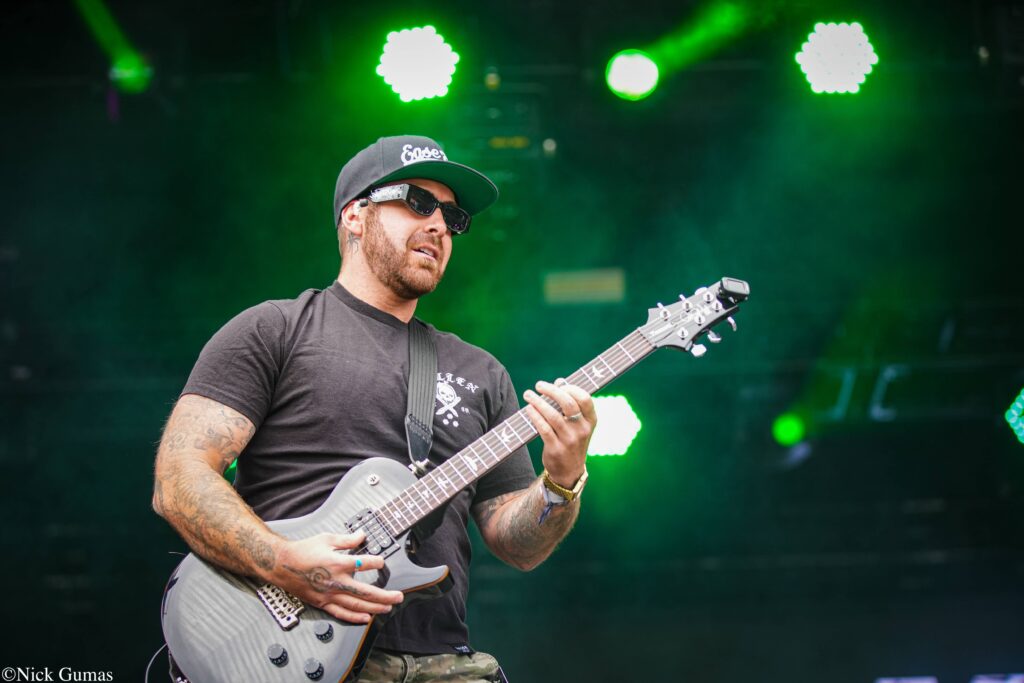
GW: I don’t think I’ve ever had a conversation with anyone about you where they haven’t used a synonym for "Tenacious" to describe you. How do you stay so motivated on this path?
KS: Well, I don’t know, man. We have our days, it’s not like some days aren’t easy, and I’ve especially, like through 2025, I’ve had moments where I went “I don’t know if I can do this or not” and I’m a very hard-headed, “pick yourself back off, wipe off your blood, sweat, and tears, go handle shit” kind of person. Because, what else am I going to do? I’ve put in a decade on this. And after putting in a decade, you get a very, very “no matter what” mentality. Whatever that looks like, whatever me playing music 10-25 years from now, no matter what, we’re not going to stop and no matter how hard it gets, we just make adjustments and pivot, change, adapt, and I hope that we can keep doing that. So I would just say I would rather get to the end of my life knowing that I gave it everything that I could versus throwing in the towel now and being 80 wishing I would have never stopped doing that, because who knows where it could have taken me?
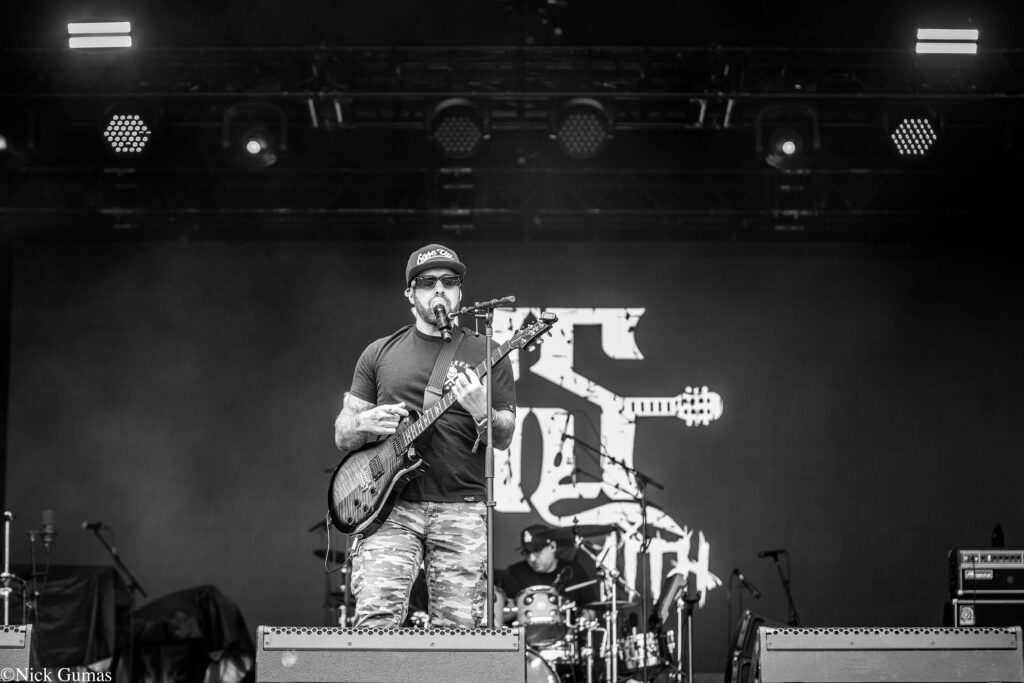
GW: So many of your songs like “Understand You” and “Struggle” do such an incredible job of articulating your own internal focus on personal growth, self-care, and navigating through grief. When writing something so narratively motivated, what comes first in your process? What do you want people to take away from your think pieces?
KS: Well, what I want people to take away when I’m writing, obviously the number one thing is someone who feels like nobody can understand what they’re going through, I want them to be heard. If you ever feel like nobody would ever understand the situation that you’re in or nobody ever feels the way that I do, or nobody ever understands how loud my head is, I’m thinking about those people eve feels the way that I do, or nobody ever understands how loud my head is, I’m thinking about those people every time I pick up a pen, and I just want to focus on how the song is received, and how it makes people feel is the most important part of it. Obviously, the instrumentation of it, I want it to be cool, but I think that the lyrics, and the melody, and the composition of the song matching is so important. You can get away with certain songs that are sarcastic-happy, or like super happy music with really dark lyrics, in certain situations, but for the most part, if I write a song like “Understand You”, that’s going to be some heavy shit. If I’m going to write a song about how life is a struggle and not giving up, of course we want that anthem going. I would just say that the first thing that I think about is how is it going to make people feel? And if it makes them feel better, or if it makes them feel like they’re not alone, or it makes them feel like they can do better in life or have a second chance, or that they’re worthy, which is really important, then hopefully I’m doing my job as a musician or at least contributing to the world in a positive way a little.
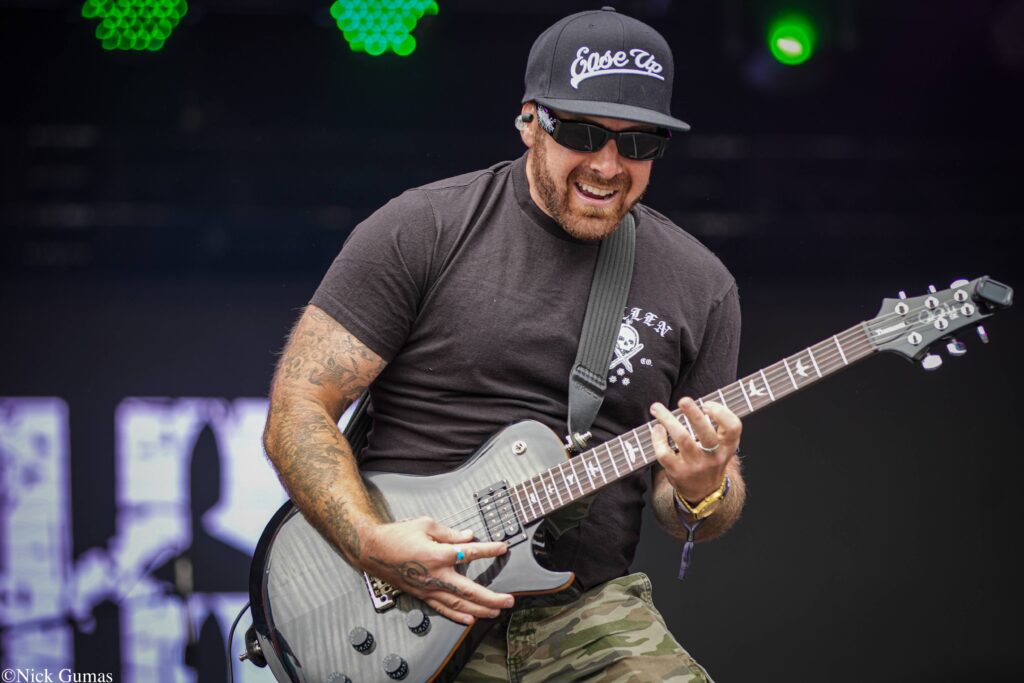
GW: The further you go down this road, the more time you have to spend on the road, how do you balance priorities and make sure everyone back home gets the attention you want to give them?
KS: Well, no kids, now have a girlfriend, that’s pretty much the one person who waits on me nowadays to come home. For a long time, that was the hardest part of getting close to anybody, because we might hang out and it might be a while before I got to see them again, but in such a fast moving society, you leave home for seven weeks, and then you come home and nobody even remembers you. It sounds sad, it sounds pretty heavy, but it's real. With the way that everything is now, everyone just wants instant gratification, and everyone wants your attention 24/7, they think that they have access to you all the time. When I was trying to make friends or trying to have relationships with people, it was a huge hurtle. We’d go “That was a great month and a half we hung out together, but I’m gone for another seven weeks." and it's just, everything changes. So every time I come back home, there's a new building somewhere, something looks different, there’s always something that changes. It definitely messes with your brain a little bit, and it plays with your mind and your heart, and it’s just something that everybody that is in contact with you has to know what they’re signing up for. They have to know that your job is very, very serious and you travel for work. It’s definitely one of the hardest parts, but it's not impossible, and you can always navigate around anything that you need to, and I think anybody that cares enough will make the time and the effort.
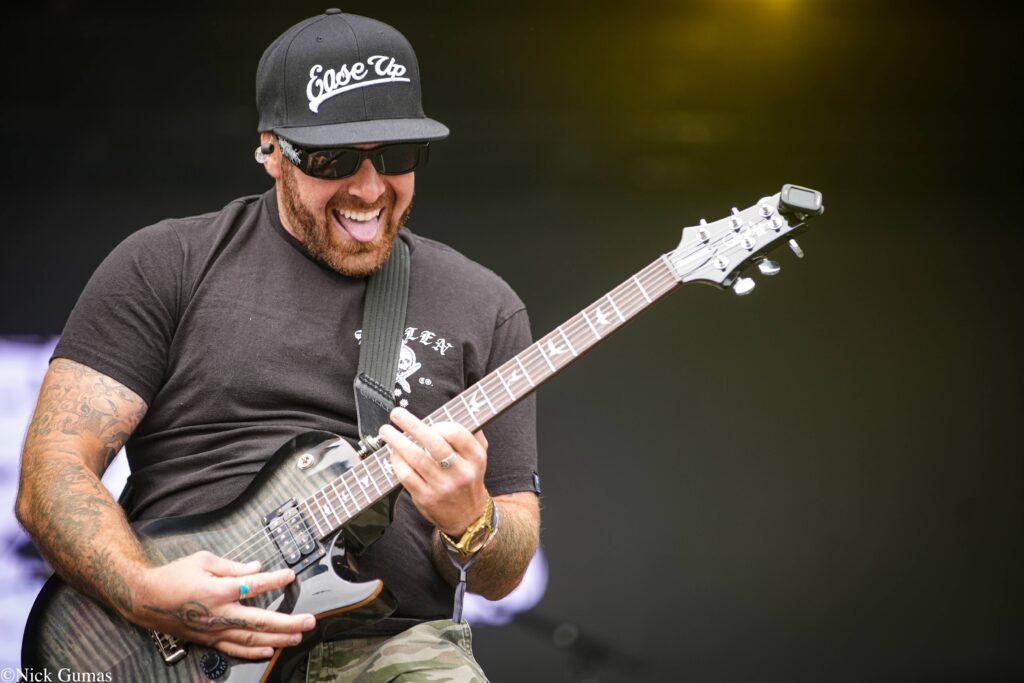
GW: Anything new you’ve been working on?
KS: Our new album, Summertime. We’ve been dropping singles like “Red Flags,” “Struggle,” “Understand You,” I’m trying to get the album out by August. I don’t have that much I can share about it, but I’m sitting on like 17 really crazy, really weird awesome bangers that I’m stoked about. I’m just trying to embrace the weirdness. I’ve tried to make it a reggae album, or make it this, or make it that, this time, we’re going “fuck it.” We’re just grabbing a mic and letting our fucking soul pour out and letting the song be however its supposed to be.
GW: You’ve been doing media for over a decade now, what's one question you’ve never gotten in an interview?
KS: What are you allergic to? I am deathly allergic to peanuts. Everywhere I go, it's like a trap.