Article Contributed by Gratefulweb
Published on 2026-11-04
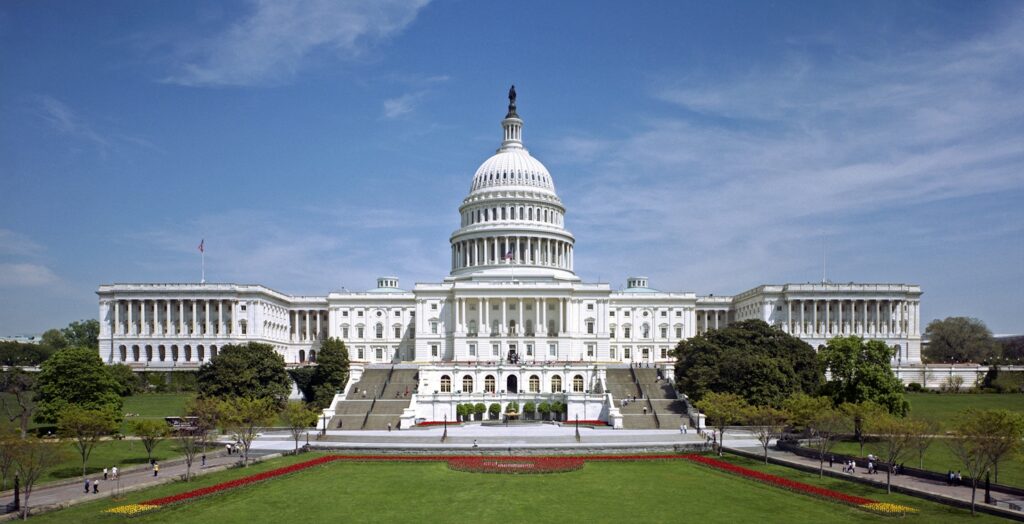
The west front of the United States Capitol in Washington, D.C. The November 3, 2026, midterm elections brought a significant shift in congressional power, with Democrats winning control of both the House of Representatives and the Senate. Photo: Architect of the Capitol / U.S. Government; edited by O.J. / Wikimedia Commons. Public domain.
On November 3, 2026, American voters delivered one of the most consequential midterm election results in recent memory, electing Democratic majorities in both the U.S. House of Representatives and the Senate while producing unexpected victories in states that have been Republican strongholds for generations.
The results invite comparisons to other defining elections in modern American history, including Barack Obama's first presidential victory in 2008. Although the two elections took place under very different circumstances, both demonstrated how quickly the country's political landscape can change.
What makes the 2026 election particularly striking is not simply the number of seats changing hands, but where those changes occurred.
In Kansas, Democrat Adam Hamilton defeated Republican Senator Roger Marshall, becoming the state's first Democratic U.S. senator elected since 1932. That ended a 94-year drought and marked a remarkable political breakthrough in a state long associated with Republican dominance. The result was among the most striking developments in an election that saw Democrats flip at least seven Republican-held Senate seats, according to Ballotpedia's November 4 election analysis.
Texas also delivered a significant surprise. Democrat James Talarico defeated Republican Ken Paxton, securing a Senate seat that Democrats had spent decades trying to reclaim. Talarico became the first Democrat to win a statewide election in Texas since 1994. In South Carolina, Democrat Annie Andrews prevailed over Republican Senator Darline Graham, producing another major shift in a traditionally conservative state that had not elected a Democratic U.S. senator since 1998. Both victories were among the historic results highlighted in Reuters' election analysis.
Iowa, North Carolina, Maine, and Ohio also contributed to Democratic Senate gains. In Iowa, Josh Turek defeated Ashley Hinson, while former North Carolina Governor Roy Cooper won his Senate race against Michael Whatley. Troy Jackson unseated longtime Maine Senator Susan Collins, and former Senator Sherrod Brown defeated Jon Husted in Ohio's special election. Together, these victories gave Democrats control of a chamber that Republicans had entered the election expecting to retain.
The House of Representatives changed hands as well, with Democrats winning majorities in both chambers of Congress. When the new Congress convenes on January 3, 2027, those victories will fundamentally alter the balance of power in Washington for the remaining two years of President Donald Trump's second term. The Associated Press reported that the results reflected widespread dissatisfaction with the administration and substantial Democratic gains across the country.
According to election coverage from the Associated Press and Reuters, voters expressed frustration over the cost of living, the war with Iran, and concerns about government accountability. The results reflected a combination of national dissatisfaction and local political circumstances rather than any single explanation for every race.
For perspective, Obama's historic 2008 victory delivered Democrats the presidency alongside substantial congressional majorities. The 2026 election did not involve a presidential contest, making direct comparisons difficult. Still, the geographical breadth of the Democratic victories, particularly in states such as Kansas, Texas, and South Carolina, stands out as an important development in American electoral history.
The consequences may extend well beyond the next election cycle. U.S. senators generally serve six-year terms, meaning most of those elected to full terms this November will remain in office until January 2033. The Ohio special election, which filled the remainder of an existing term, is one exception.
Democratic control of Congress will also bring practical consequences. Beginning in January, the new majorities will have greater authority over congressional investigations, oversight, legislation, and Senate confirmation proceedings. They will be able to challenge administration policies, conduct investigations, and influence the federal legislative agenda. At the same time, the president retains veto power, and the two parties will still need to confront disagreements over spending, economic policy, foreign affairs, and other national priorities.
Whether November 3 ultimately represents the beginning of a lasting political realignment cannot be determined from a single election. American political history is filled with dramatic victories followed by unexpected reversals.
What is already clear is that voters crossed long-established political boundaries in several states, delivering outcomes that would have seemed improbable in earlier election cycles.
For a country whose cultural history has often been shaped by periods of political upheaval, social movements, and generational change, the 2026 election offers another moment to consider how public attitudes evolve and how those changes can reshape American life.
Not every question raised by this election has been answered. Some races, including Mississippi's closely watched Senate contest, remained unresolved as results continued to be reported on November 4.
But the larger result is established: American voters have elected new majorities in Congress, setting the stage for a significant change in Washington when those lawmakers take office in January 2027. The consequences will be felt for years to come.
Sources: Associated Press, Reuters, Ballotpedia.