Article Contributed by Gabriel David Barkin
Published on 2026-11-29
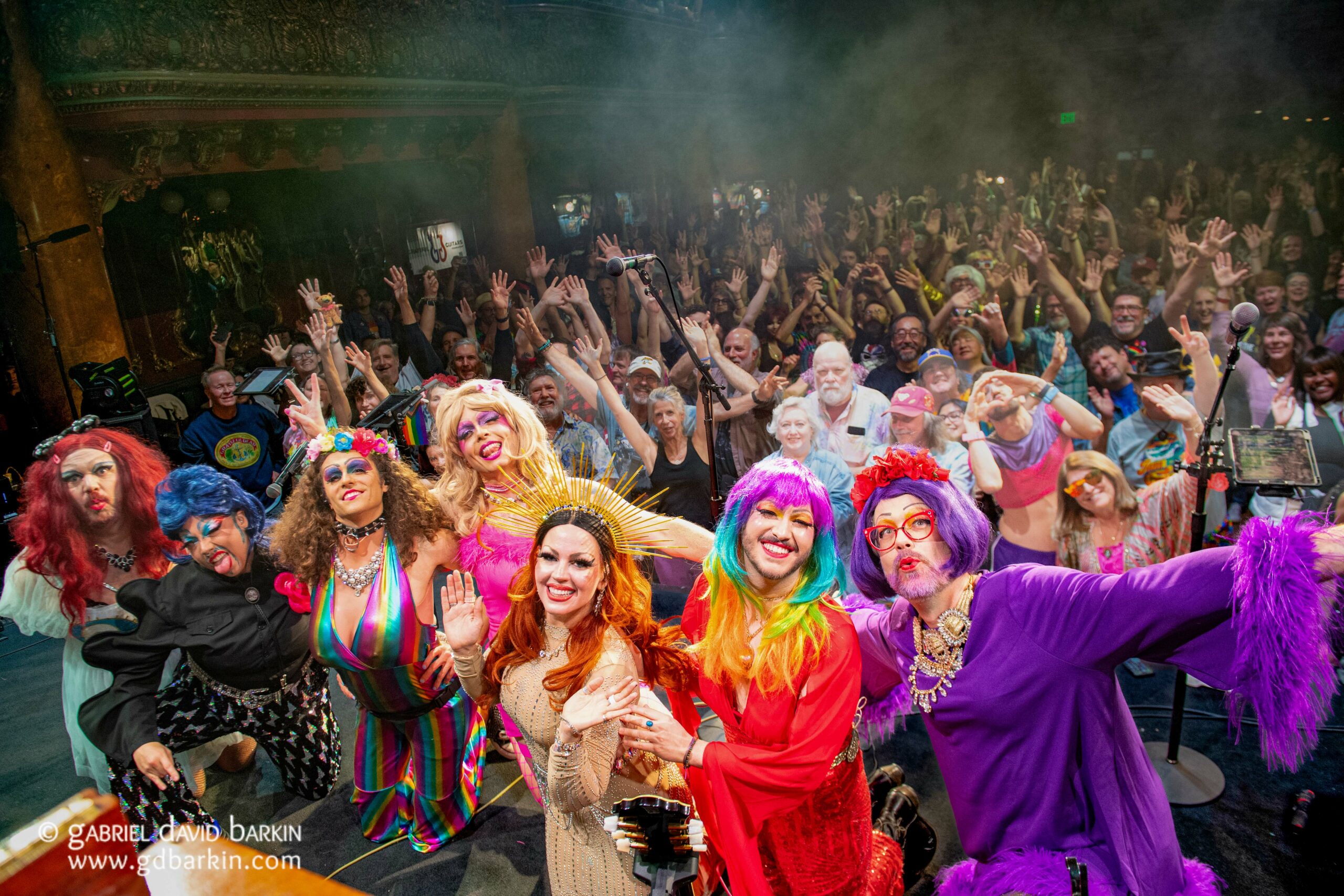
After Jerry Garcia died in 1995, a Deadhead janitor working at Area 51 used a time machine to retrieve Jerry Garcia’s severed middle finger. Scientists mixed Garcia’s DNA with some LSD in a failed attempt to create a clone of the recently deceased Grateful Dead guitar player. The experiment was not a total flop, however, producing seven musical mutants, with the chops of their father but a physical form yet unseen in the jam band world — that of a woman.
That’s a shorthand version of the official backstory on the BERTHA: Grateful Drag website. Spoiler alert! There may be more fiction than truth in that version of events.
The bona fide story behind the world’s first all-drag Grateful Dead cover band may not have all those fantastic sci-fi elements, but it’s a long, strange trip worth telling nonetheless. And who better to tell the tale than the Berthas themselves
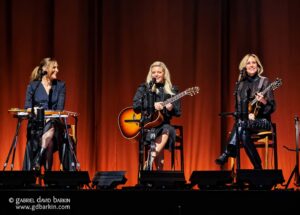
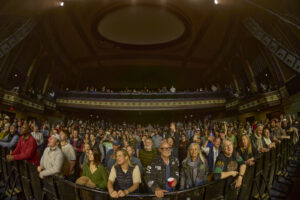
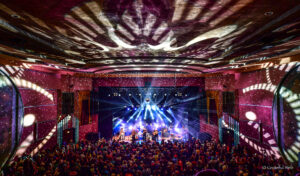
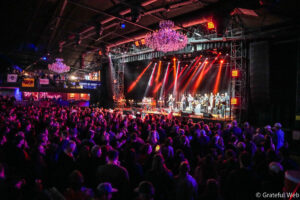
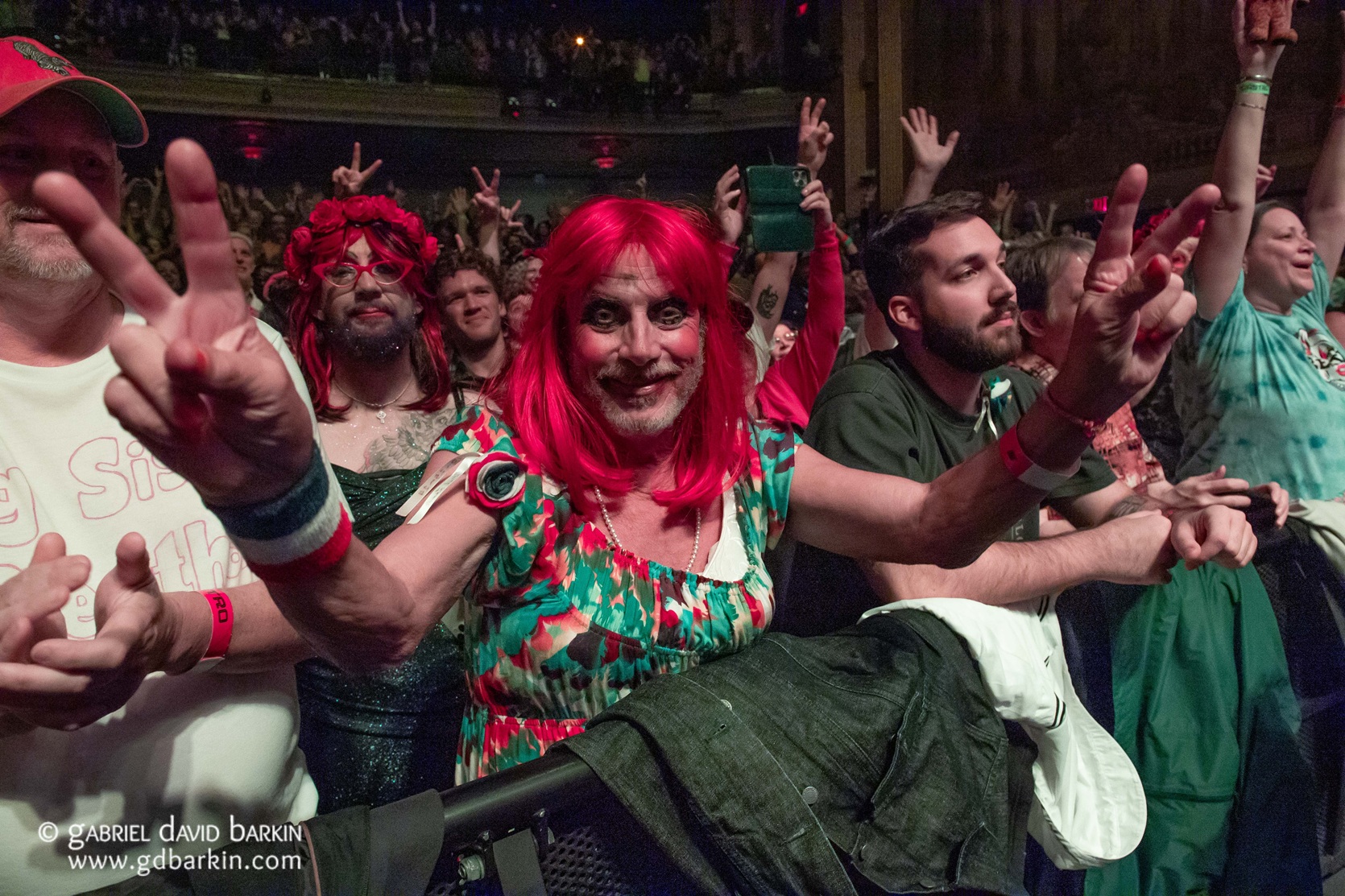
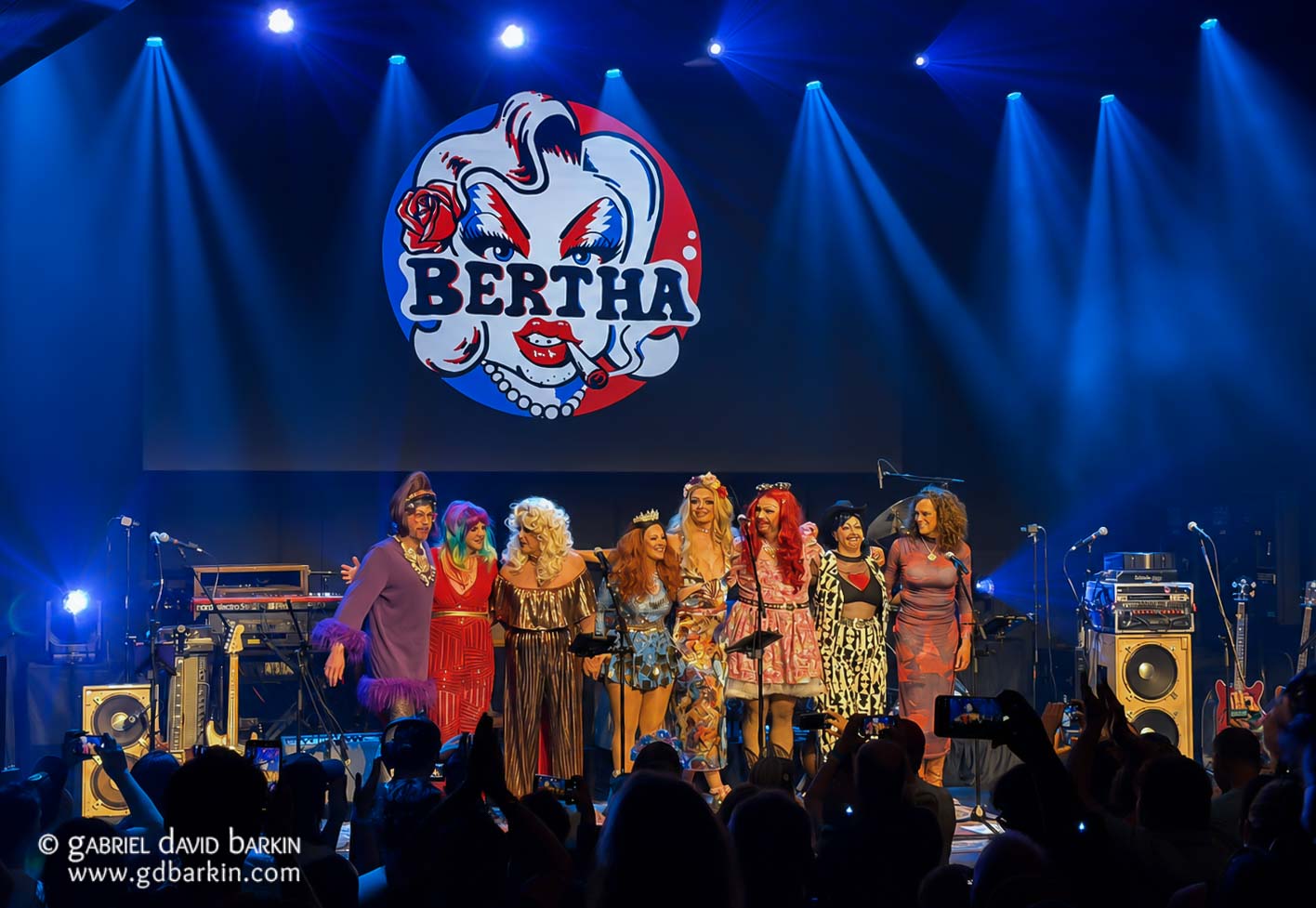
BERTHA has skyrocketed to the upper echelons of the Grateful Dead music world in less than four years since the band’s inception (which, in case you didn’t catch my drift, was not the result of an implausible chemical mishap). This past weekend’s appearance at the Castro Theatre in San Francisco sold out quickly, with over 1,400 Deadheads in attendance on Saturday night. The secret is in the sauce — an eminently tasty, entertaining mixture of musical excellence, campy fun, and a mission-driven ethos illuminating the wonderful diversity of humanity.
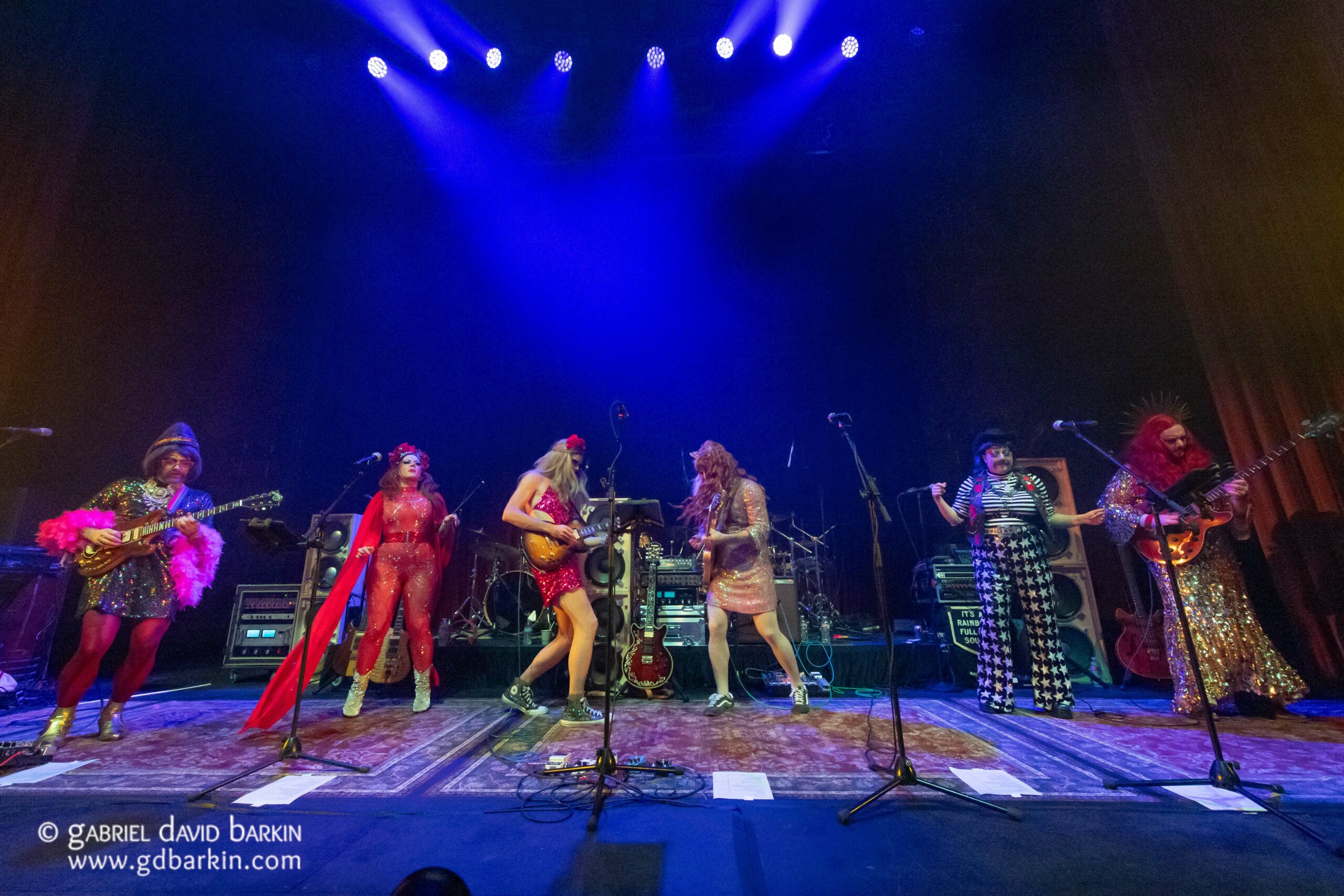
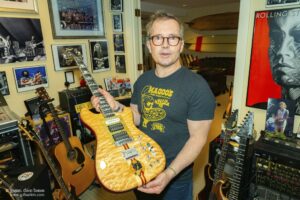
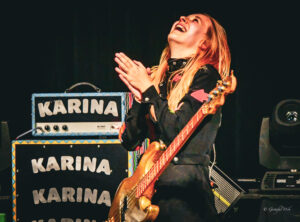
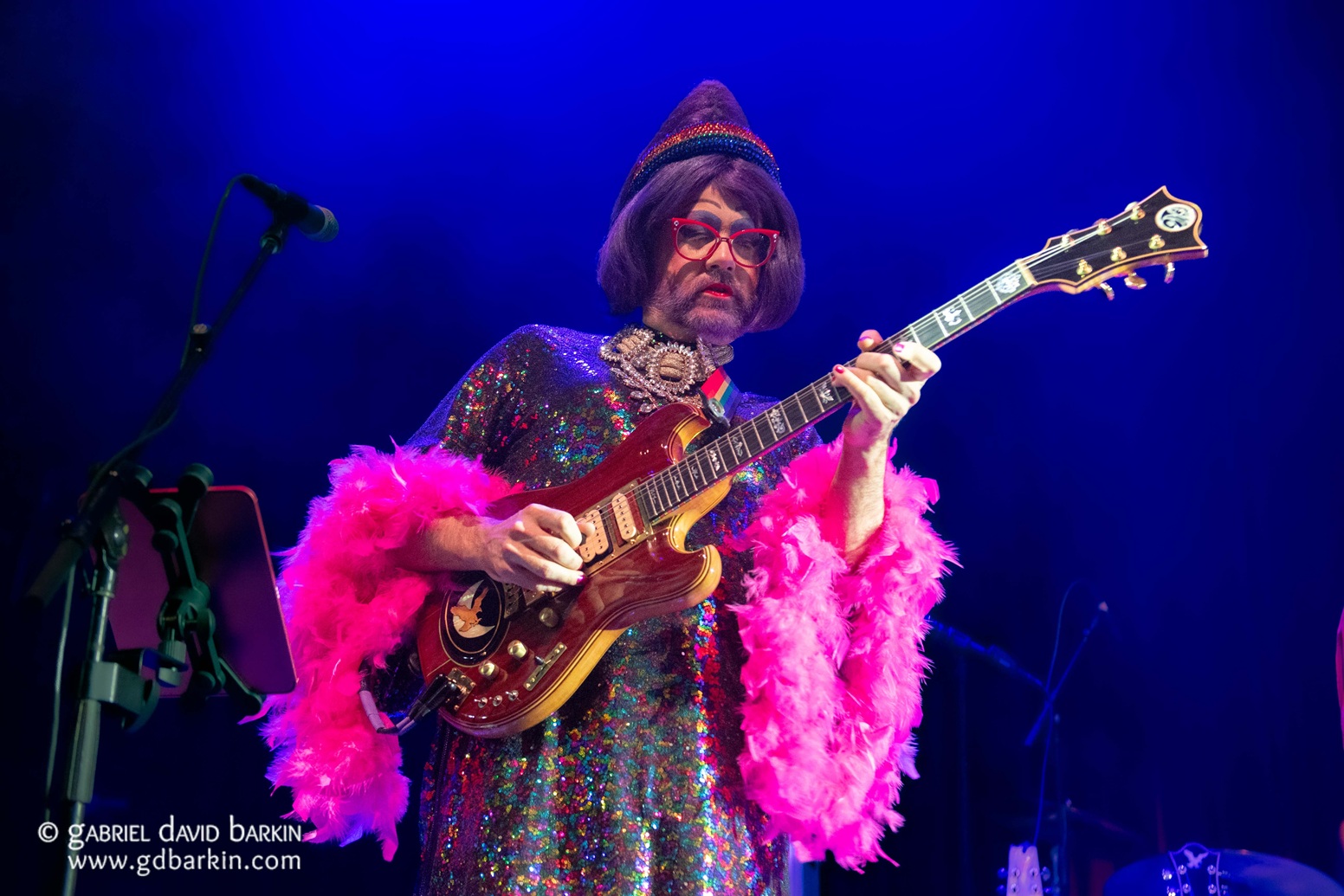
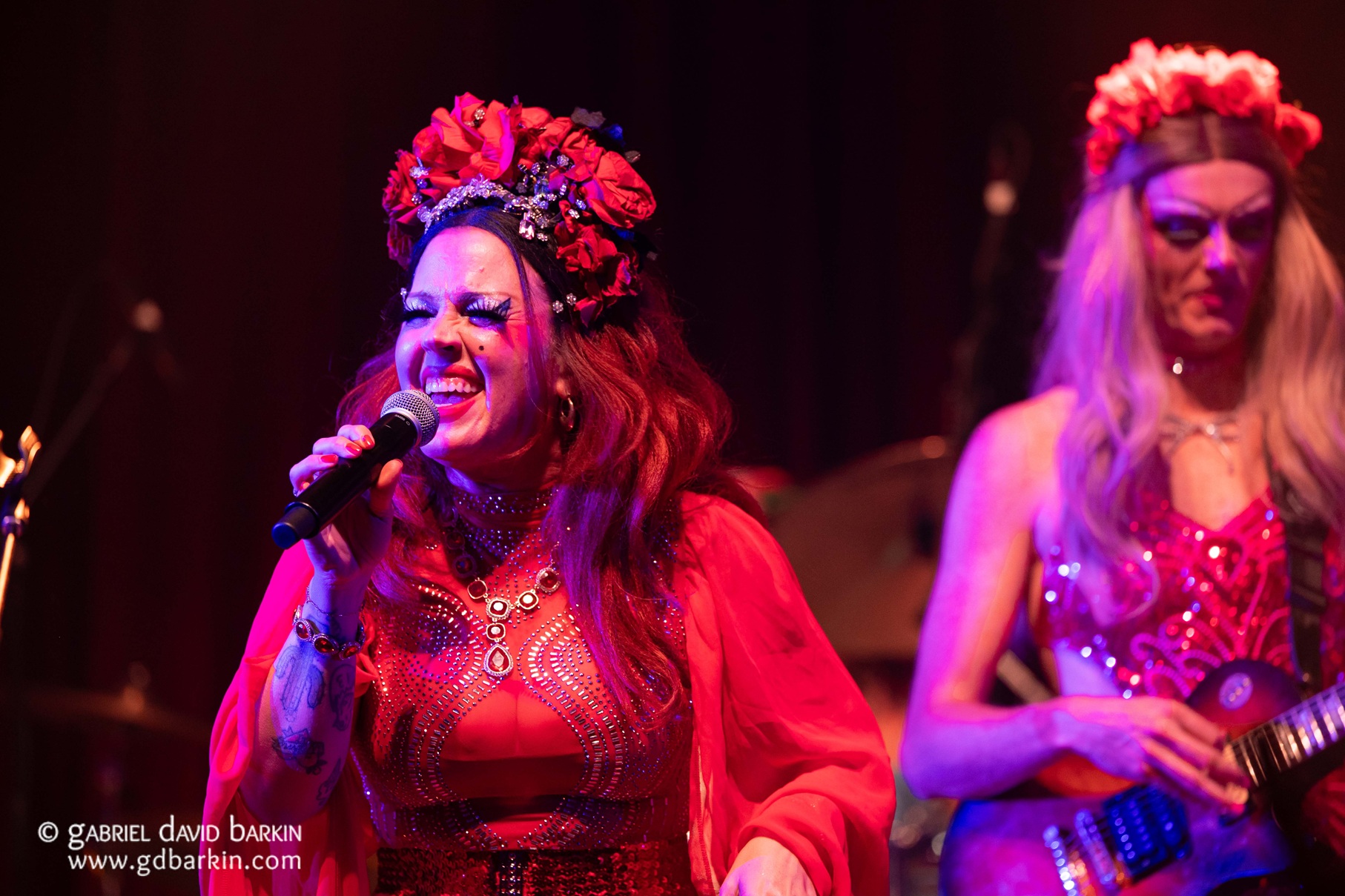
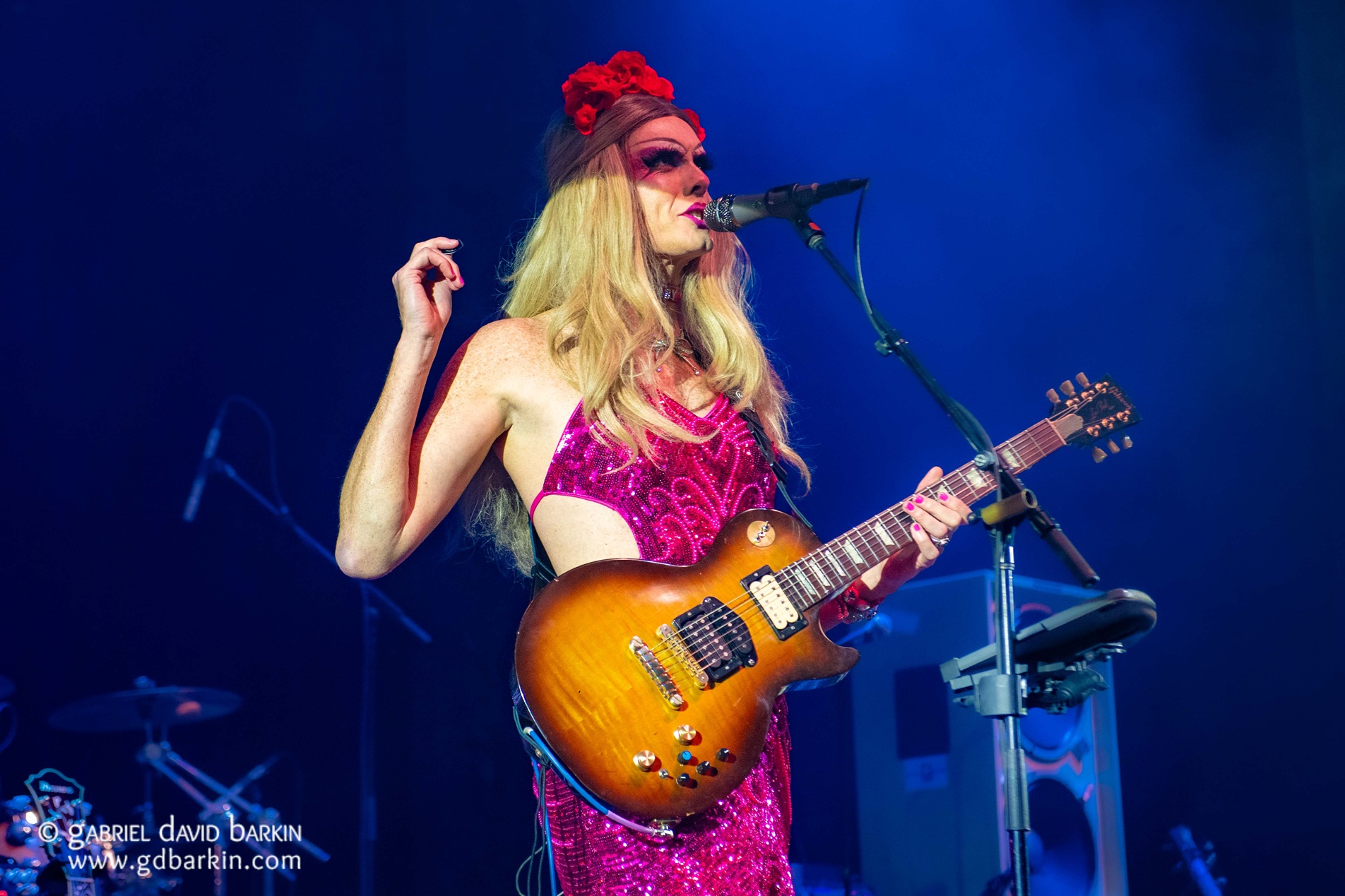
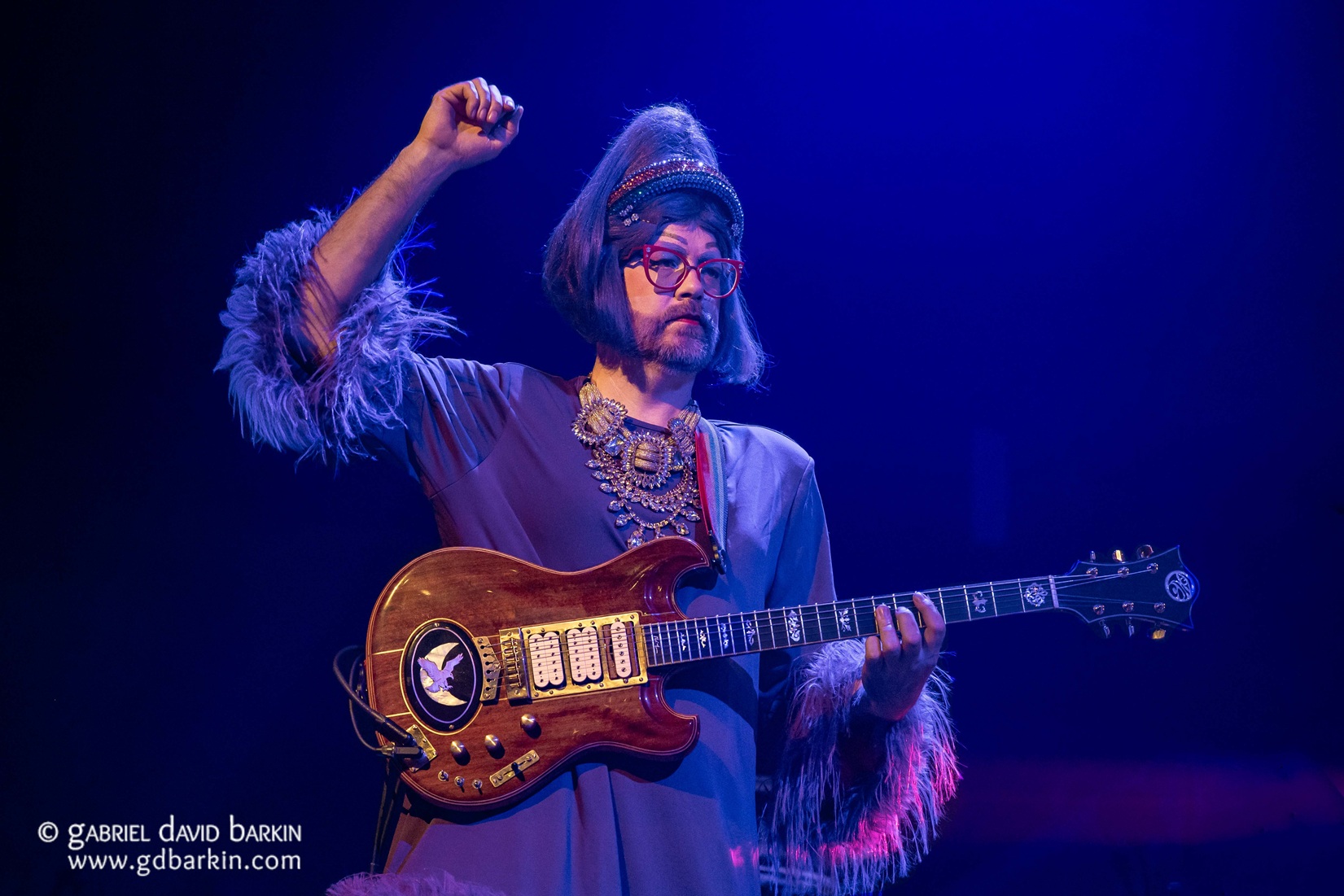
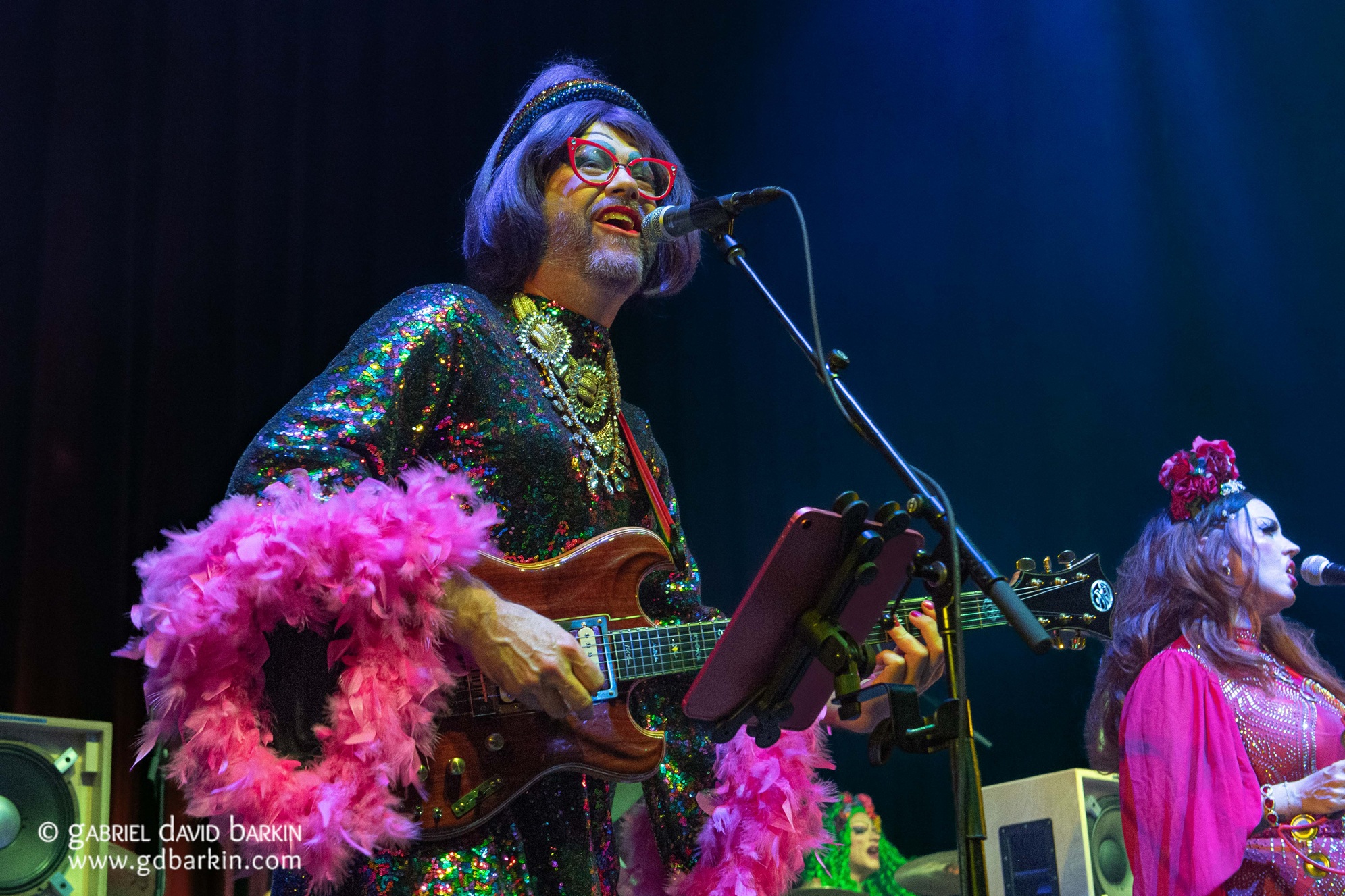
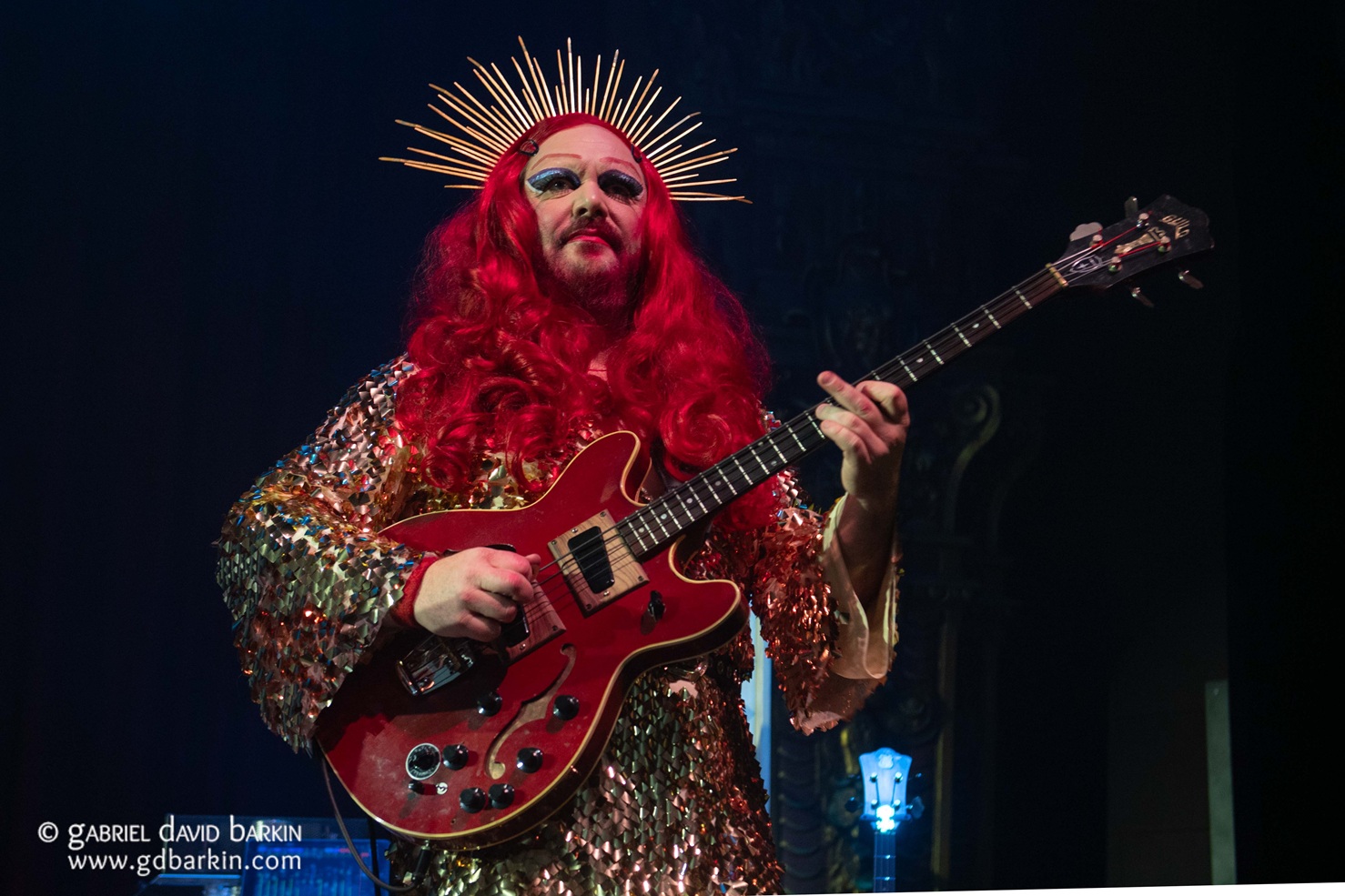
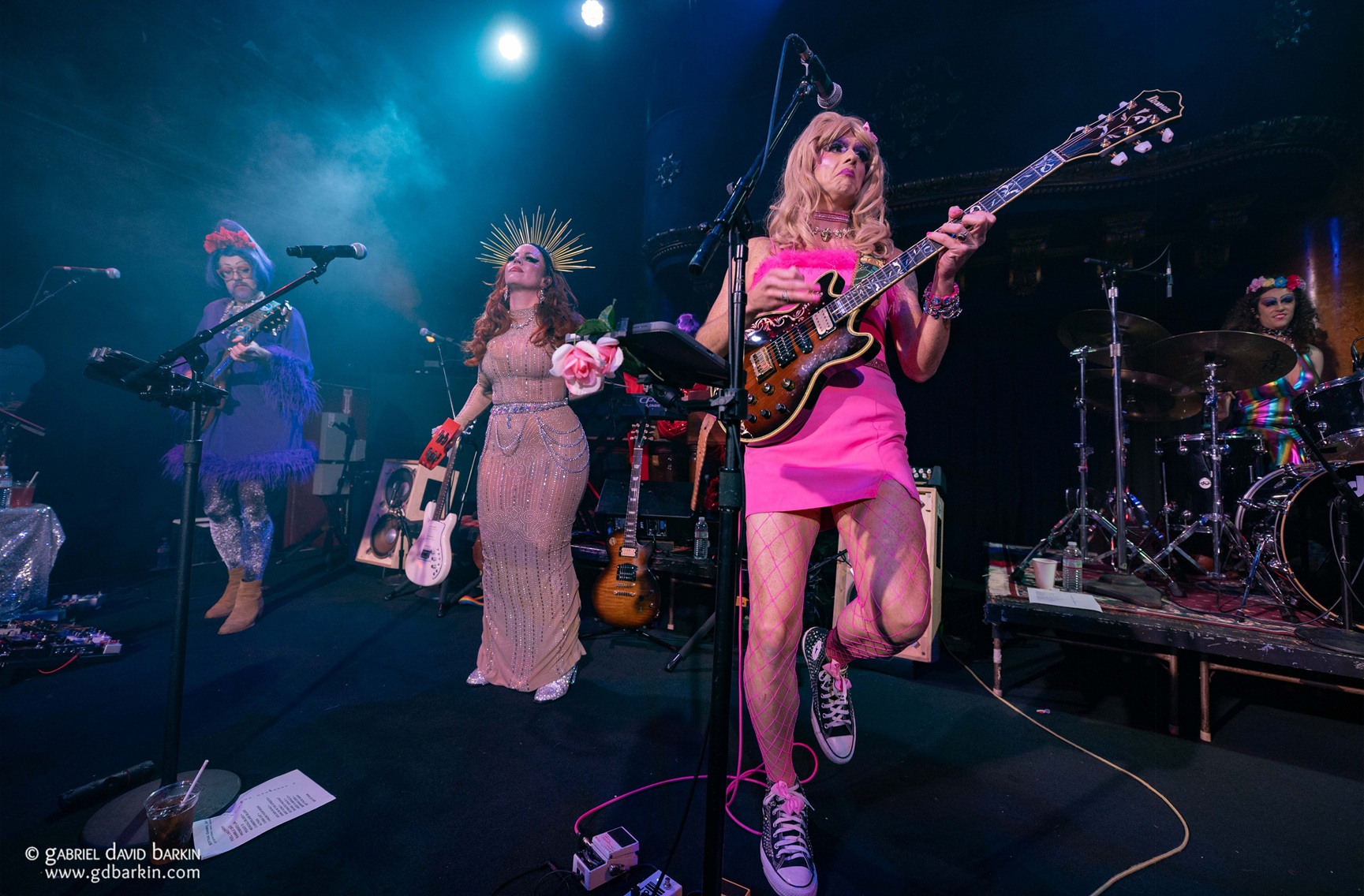
BERTHA may be described as a cover band of a sometime-cover band (the Dead played a ton of other people’s music as well as their own), with members “covering” their own skin with outfits and personas. The Castro show also featured some “cover” instruments loaned by Andy Logan and Grateful Guitars Foundation, including a replica of Garcia’s Tiger played all evening by guitarist Thomas Bryan Eaton a.k.a. Auntie Bertha, and “Little Brown,” an Alembic bass that is a close cousin to Phil Lesh’s famous “Big Brown.”
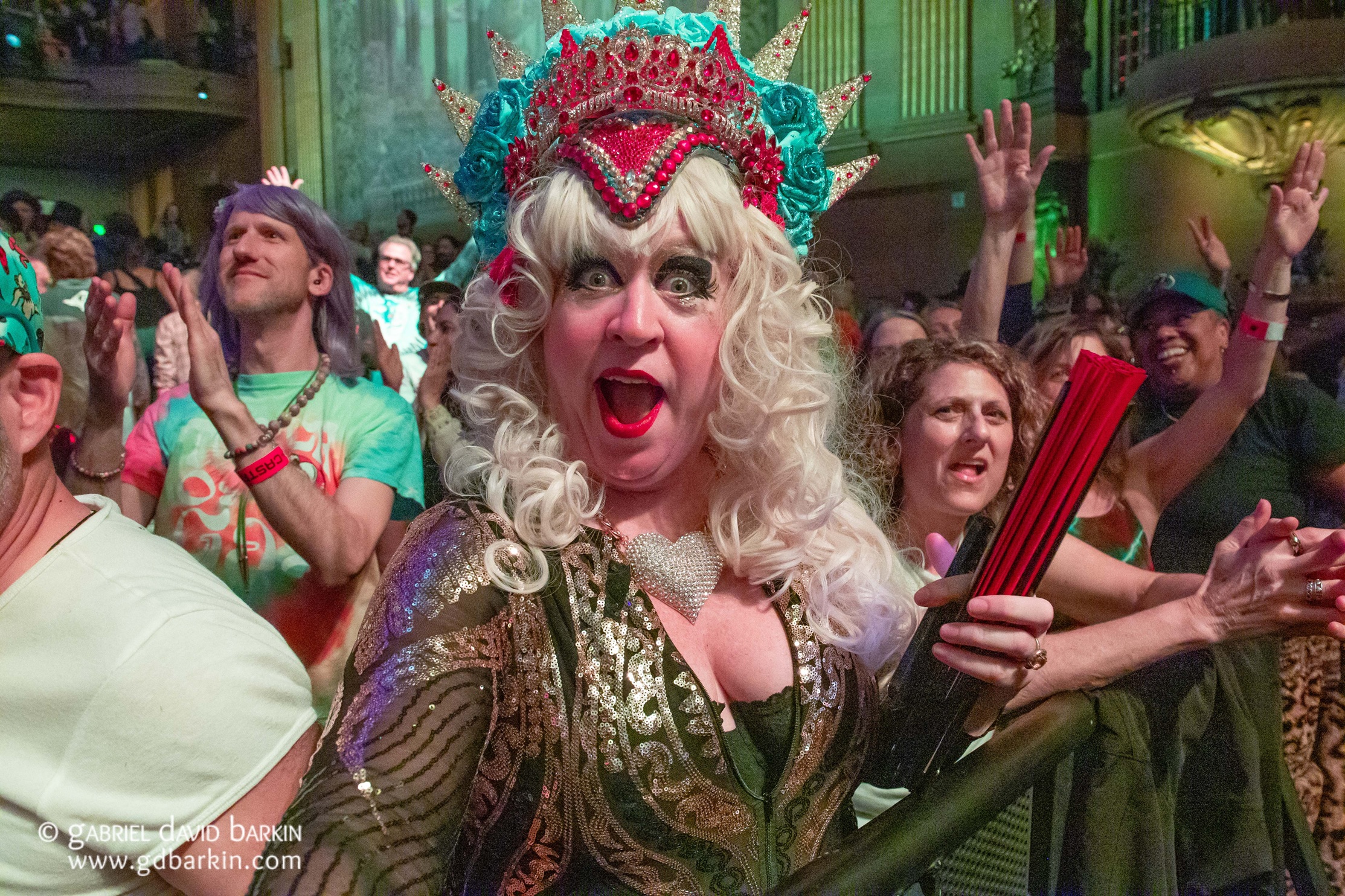
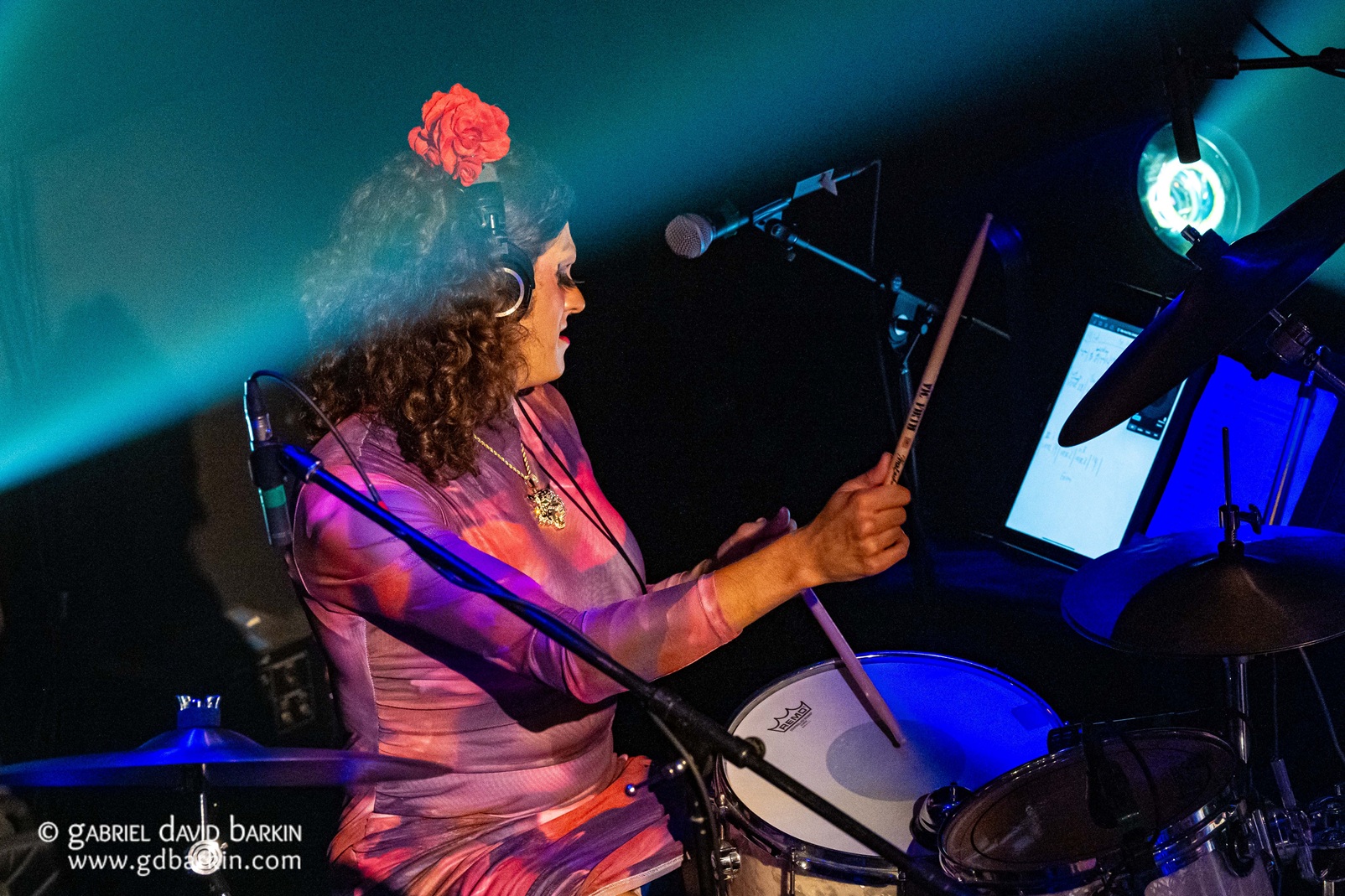
Other people often join the fun, which entails a willingness to dress in drag alongside the Berthas. Guest musicians Jay Lane (of Dead & Co. and Primus) and Grahame Lesh (Midnight North, Phil & Friends) did just that on Saturday in San Francisco. Lane played a second drum kit all night in full drag, adopting the moniker “Jane Lay.” Lesh, appearing as “Gramantha,” joined on guitar and vocals for several songs. For bonus points, San Francisco performer Brenn Badd entertained the audience between sets with an athletic, stunt-heavy drag routine.
BERTHA is driven perhaps first and foremost by a passion for supporting LGBTQIA+ rights. The band was born directly in response to Tennessee’s 2023 law broadly banning nearly any performance with male or female impersonators in public or any place where children could see it. That legislation (which remains on the books today, although court challenges are continuing) was widely seen as reactionary, homophobic, and transphobic, particularly by the LGBTQIA+ and performing arts communities most harmed by the restrictions.
This cultural battleground “lawfare” was the direct result of the right-wing-o’sphere’s demonstrably false and bigoted impression that drag results in “transgendering” children. (That’s not a thing, folks.) Although some members of Nashville’s music community had been kicking the idea of an all-female or perhaps all-drag Dead cover band for a few years, the time was ripe. A sense of moral urgency led to BERTHA’s first gig, a small benefit in Nashville supporting opposition to the anti-drag law.
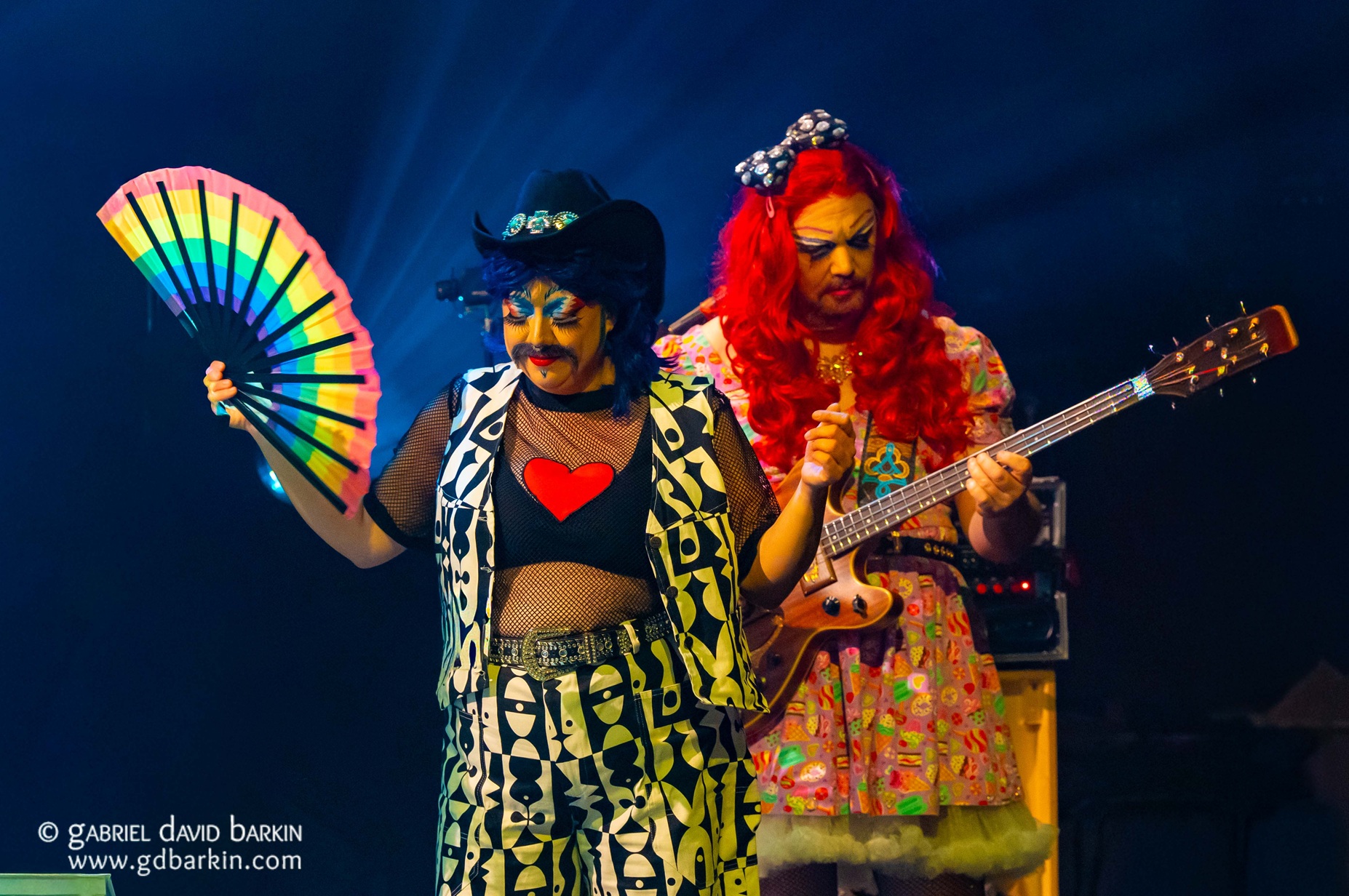
The ignorance and confusion among wide swaths of the population conflating drag performance with being transgender, gay, bisexual, etc. continues to confound and even harm the LGBTQIA+ community. Drag doesn’t make kids lesbian or gay or trans, nor is being lesbian or gay or trans a requirement for doing drag. Drag is all about having fun, often in the guise of a persona that a performer finds expressive and liberating. Being lesbian, gay, bisexual, transgender, queer, questioning, intersex, asexual, or anything else that might be captured by that plus sign in “LGBTQIA+” is just part of the expansive rainbow of humanity. BERTHA set out to drive home that point by playing some damn good Grateful Dead music while wearing dresses and makeup.
And as silly as that might seem, it’s important work.
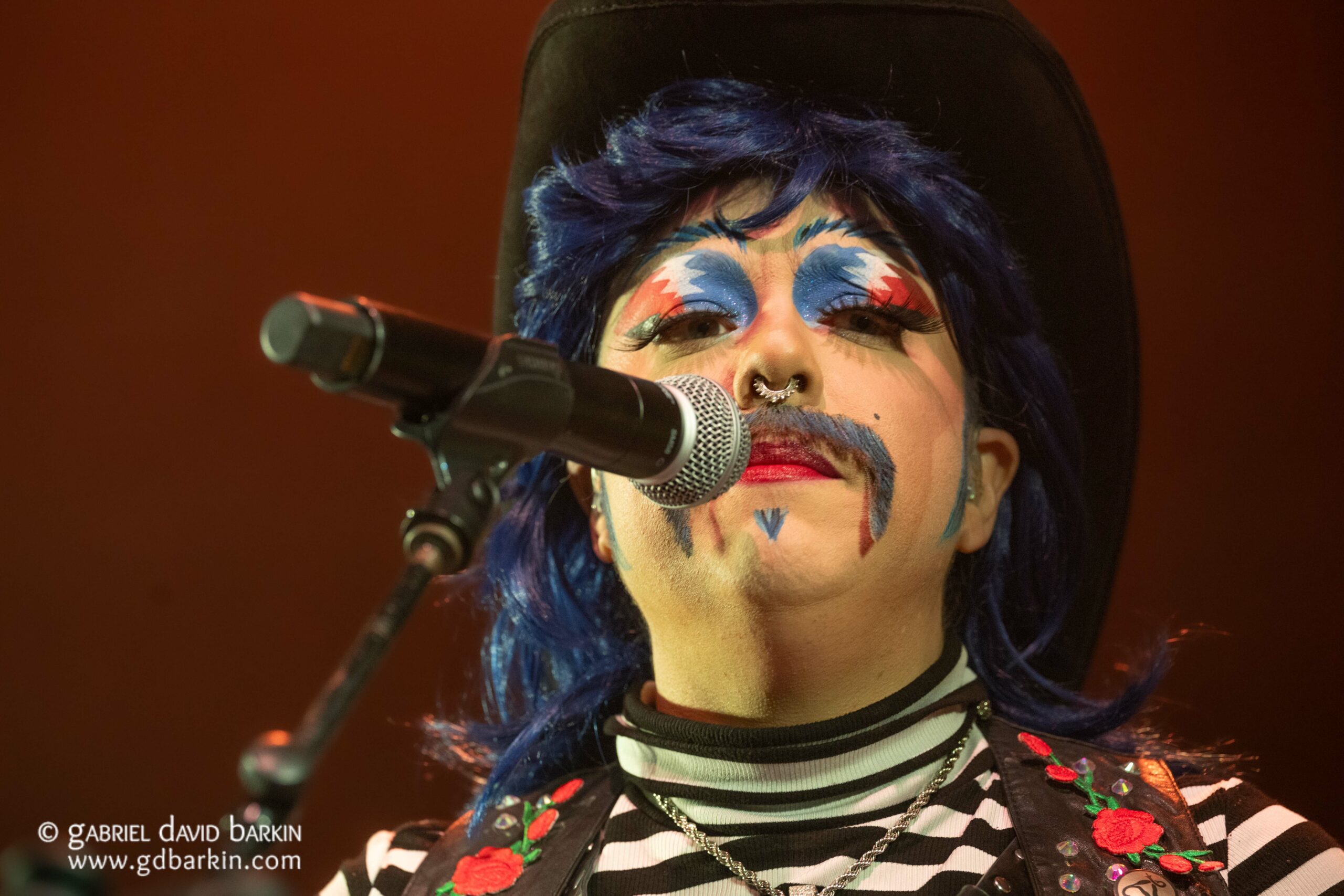
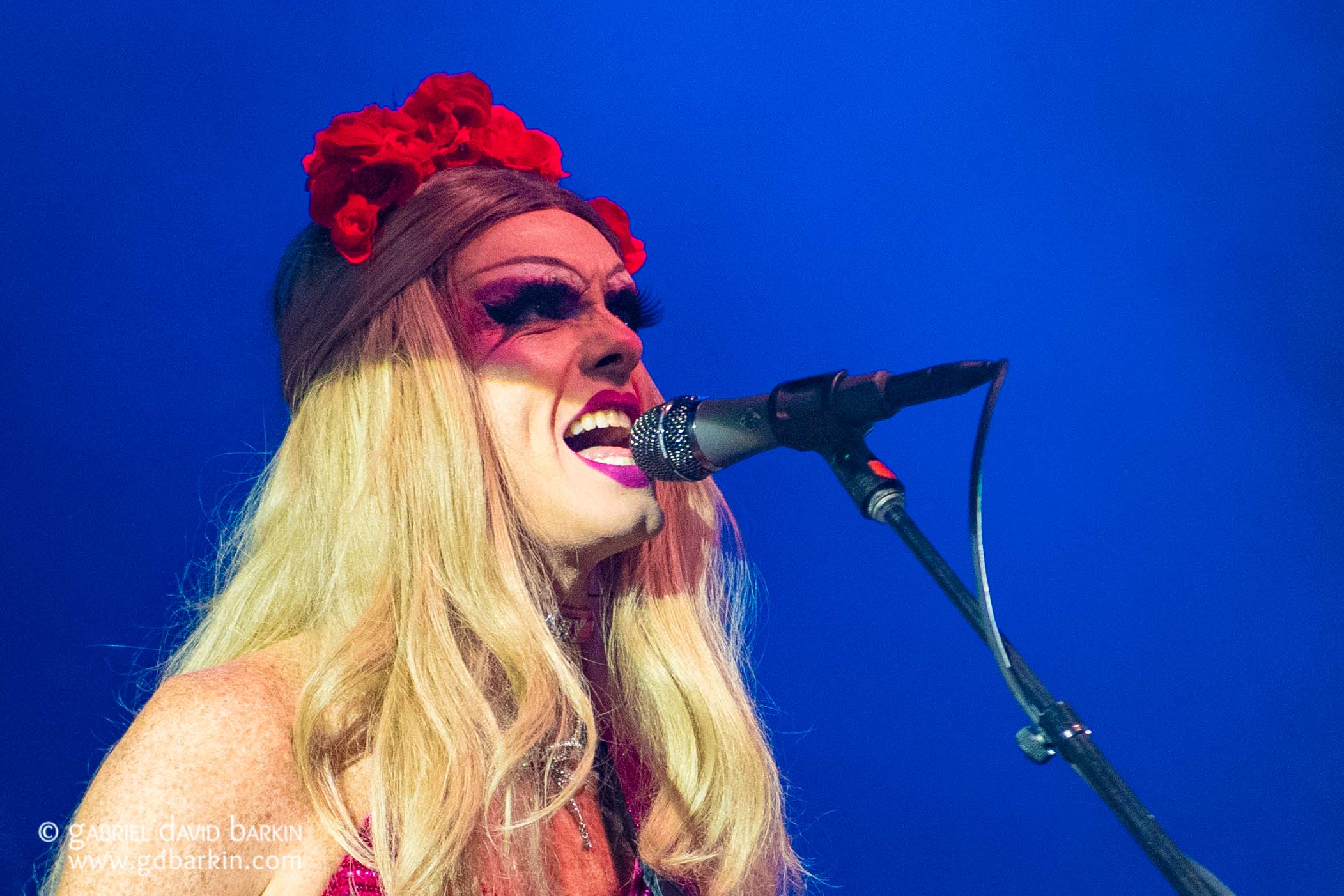
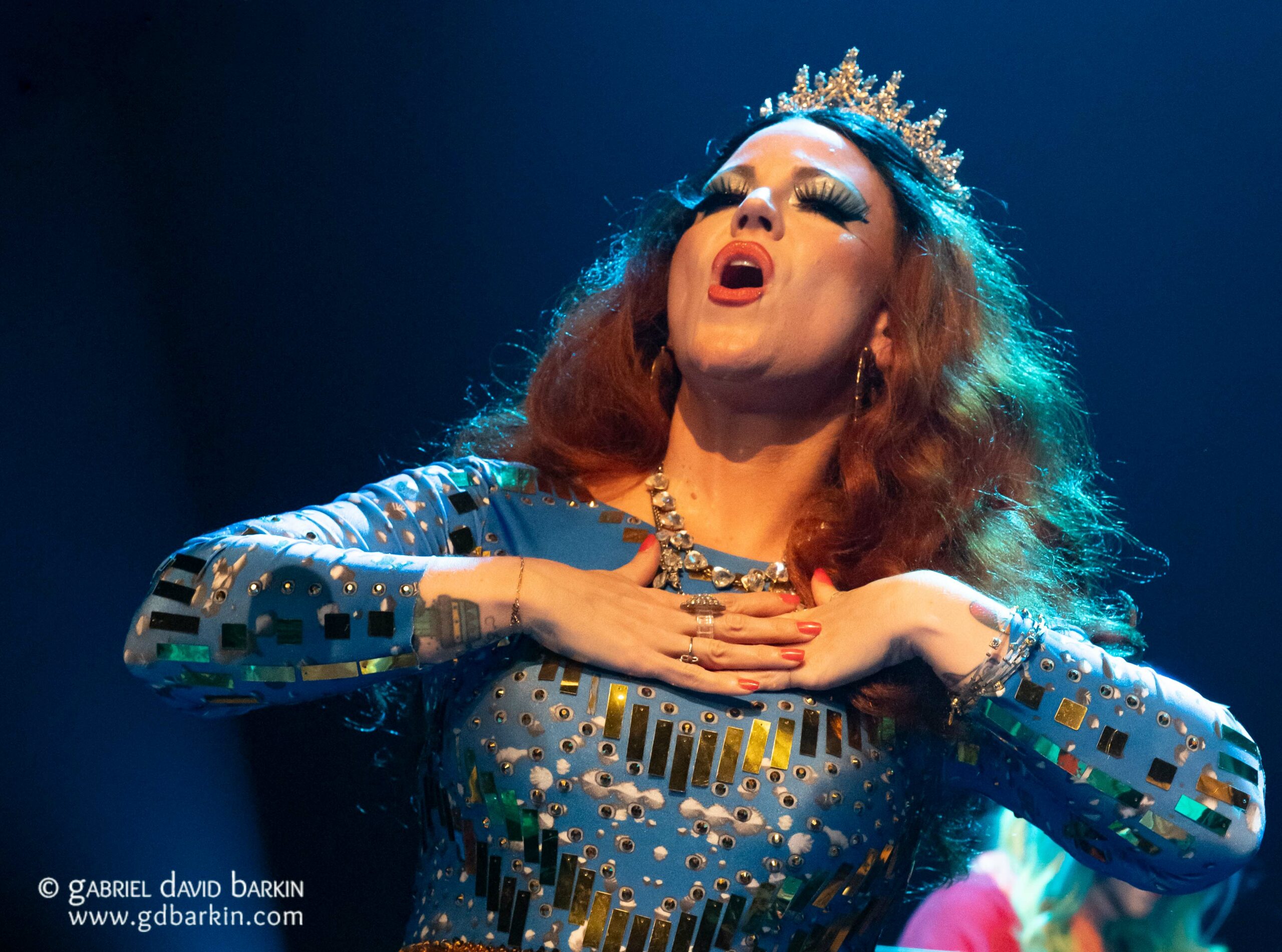
Singer Caitlin Doyle (“Mommy Bertha”) says this is a vital component of BERTHA’s own identity. “Eighty percent of it to me feels like we’re on a mission. It feels like there is a momentum that is bigger than we are.”
Melody Walker, who appears on stage as singer “Daddy Bertha,” concurs with her bandmate. BERTHA “needed to have some community element to it to make it worth it for me.” In keeping with this ethos, BERTHA regularly donates portions of ticket sales to local LGBTQIA+ organizations and invites members of regional communities to introduce the band on stage and host fundraising tables in performance venues where the band is appearing.
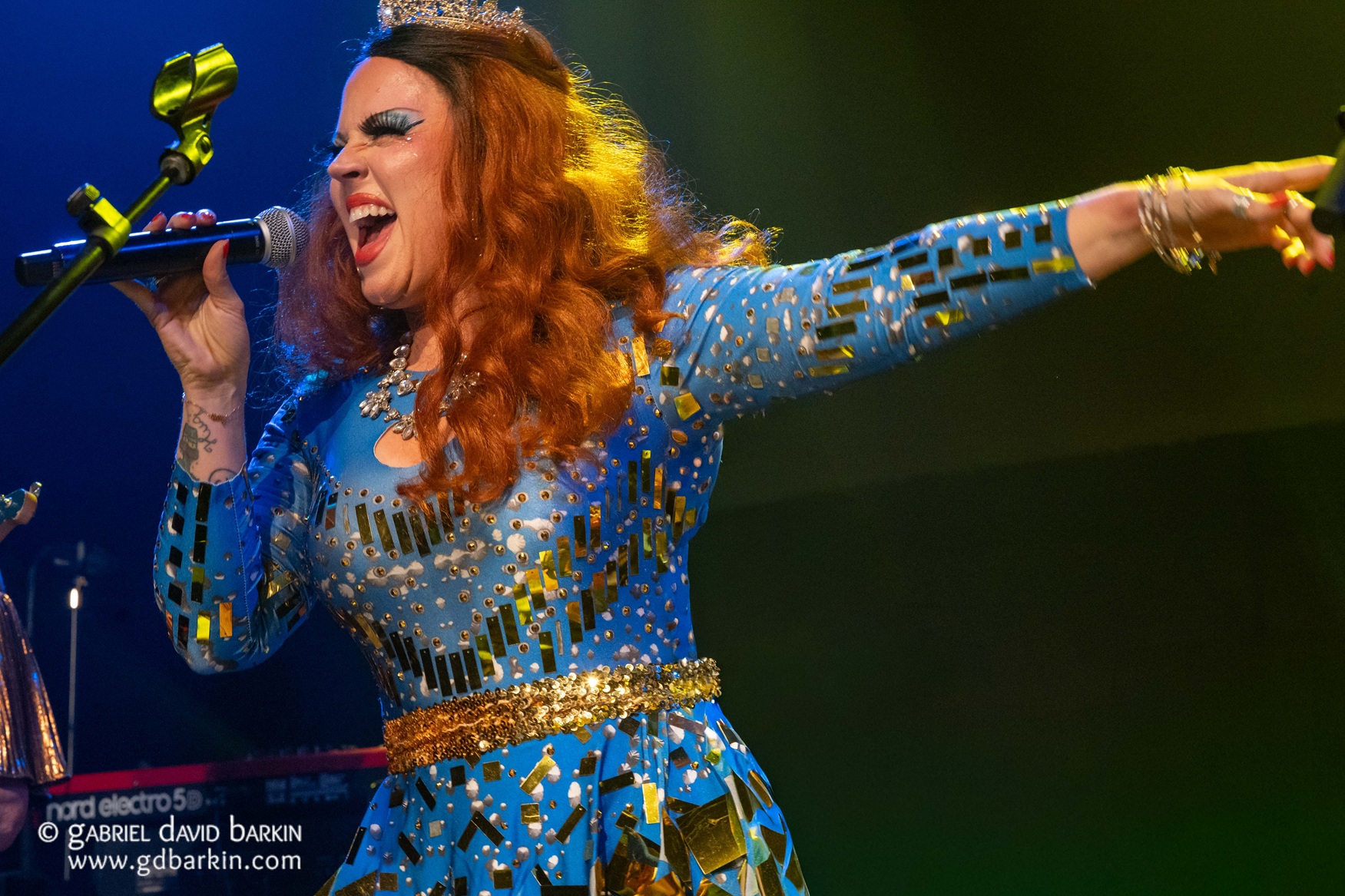
Even so, the social/political aspect of the band is focused less on overt instruction and messaging, and more on modeling the wide variety of perfectly normal, fun, and creative aspects of being human. “I think it’s more a place of joy and positivity than it is education,” says Mike Wheeler, the band’s “Baby Bobby Barbie Bertha.”
Suzanne Ford, the Executive Director of San Francisco Pride, introduced BERTHA for their second set at the Castro Theatre this weekend. Ford, who is transgender, spoke to me earlier in the week about the upcoming show. “I’m elated that I get to be my authentic self and go listen to music I love,” she said. The main thing about BERTHA, she told me, is that “the music is good! If their music wasn’t any good, this wouldn’t matter.”
A Deadhead since her twenties years (well before she transitioned), Ford encapsulated the importance of a band like this to her and many others:
“Dead fans aren’t all straight. They’re not all white. They’re not all middle class. We need to be having these discussions in our Dead community. Because we could do better. We should do better. We should be celebrating each other. If there’s one place in the world you ought to be your authentic self, it ought to be when you’re dancing [to Grateful Dead music]. Jerry wasn’t going to lead the movement to make sure trans people are okay. I think he expected us to do that work — and BERTHA’s doing that work. So I think it’s a win!”
It’s time to meet the Berthas before they begin to tell their story.
I interviewed each member of the band over a six-week stretch prior to this weekend’s show. The following excerpts tell the true story of BERTHA in their own words. Note that they were not performing when we talked, so I am quoting them here using their “real” not “stage” names. Also, these conversations have been edited for clarity and brevity.
For additional insight into the founding of BERTHA (after you read the interview below, of course), check out this video interview of Big Sissy Bertha (Jacob Groopman) posted by Only in the Green Room:
BERTHA: Grateful Dead, Drag, and Community at the Capitol Theater
CHAPTER 1. “BERTHA…COME AROUND HERE!”
How did BERTHA come to be? How did we get here?
Caitlin Doyle: Melody and I were talking about how we both lost our bands during COVID, and how we were feeling burnt out on the industry. We wanted to do something for the fun and the joy of music. That led us to think, okay, let’s just do a cover band, play music for fun.
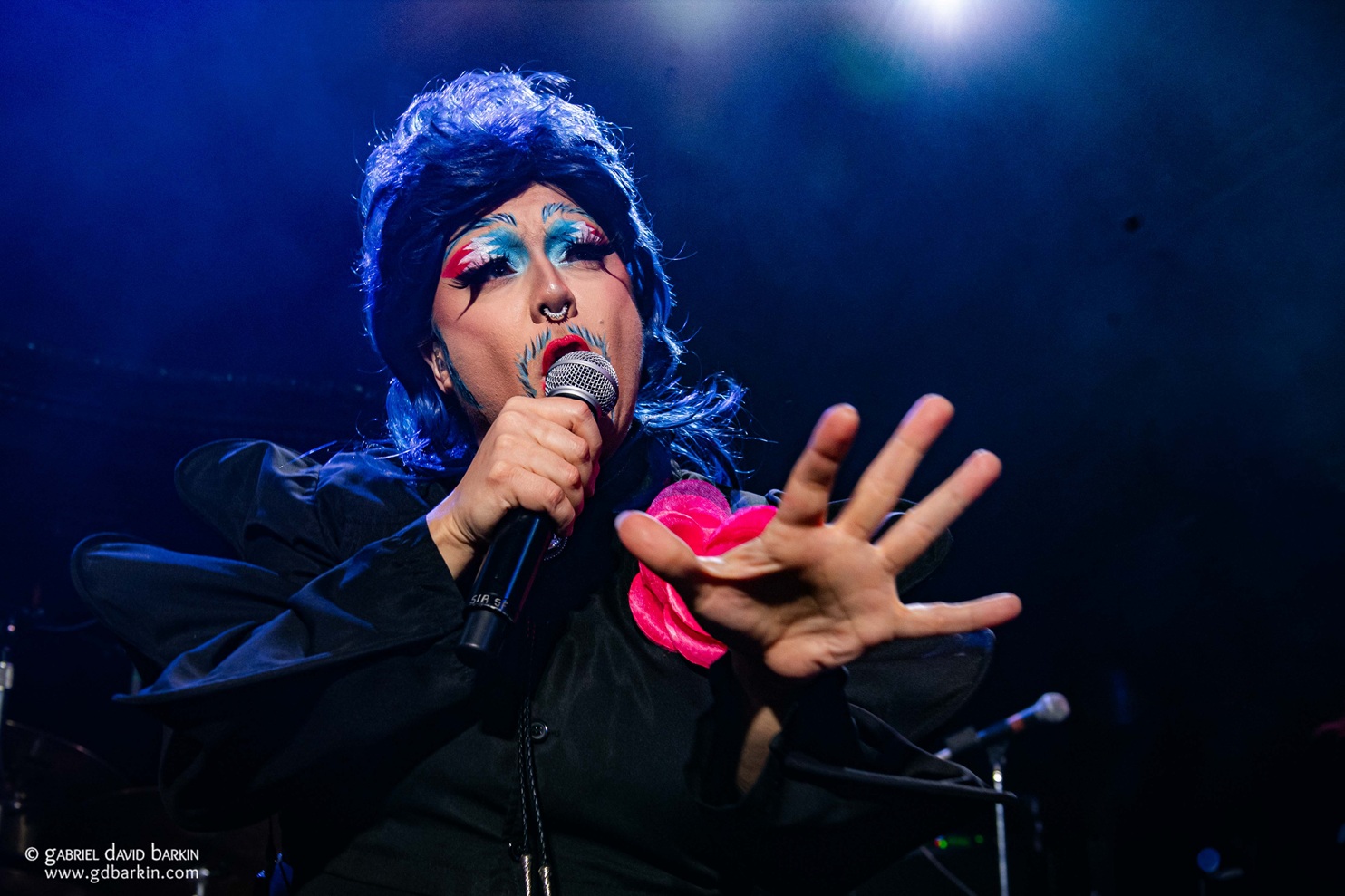
Melody Walker: We thought starting an all-women Dead band could be fun. We realized there were already people doing that, and we didn’t want to compete with them, necessarily.
Caitlin Doyle: We both grew up on the Dead. And we thought, There’s not enough women that are represented in the jam band world. So let’s see if it can be an all-woman band. [But] we couldn’t find enough women [where we lived in Nashville] that wanted to play this music. Makes sense, considering there’s not a lot of representation. It’s not really a space that a lot of women feel all that comfortable in — especially growing up hearing people complain about Donna [Godchaux].
Jacob Groopman: I got wind of this and was basically like, I want to be in your Grateful Dead project. [They said], “Well, if you dress in drag, then it could be all girls.” It was just this joke that we were kicking around for a couple months. A fun idea that wasn’t even that serious.
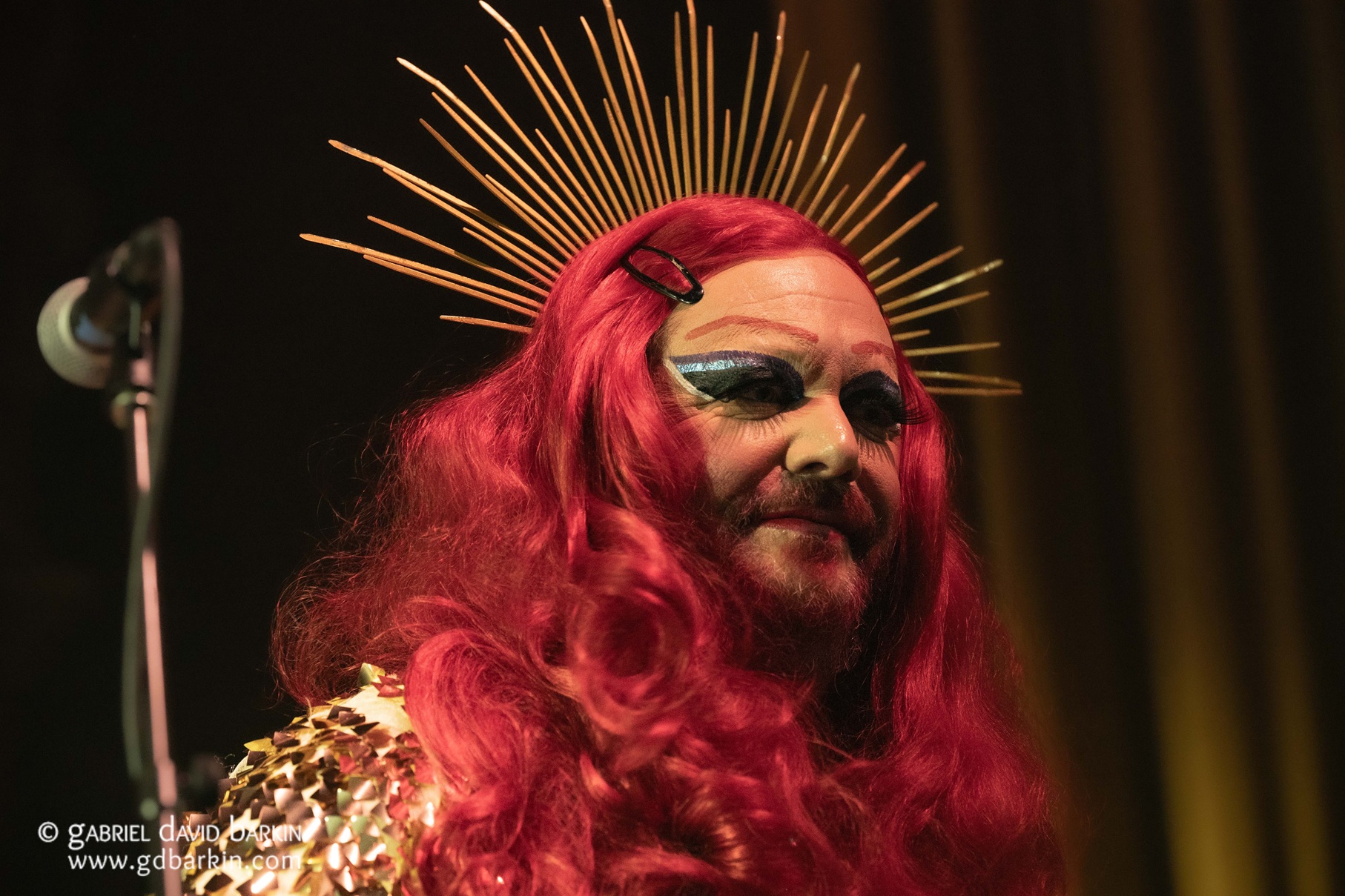
Caitlin Doyle: We’re like, “Well, you got to dress up as a chick,” and [Jacob’s] like, “Cool. All right, no problem.”
Thomas Bryan Eaton: The idea to do a drag Grateful Dead show came before the mission. But it wasn’t until Tennessee was trying to ban drag that we were like, Oh, remember this fun thing that we talked about doing that probably never would have happened? Let’s actually do that and make this a mission, make this a benefit.
The mission made it a reality, if that makes sense.
Melody Walker: They were trying to ban drag performance in public. They were saying that it was dangerous and subversive. And when people say stuff like that, I’m like, Sign me up.
Jacob Groopman: We all know enough people around Nashville that are either Deadheads or Dead-adjacent friends. [We said] Let’s just do a show and a benefit. We’ll do it at Dee’s. It’s our kind of hometown spot where we play a lot of bluegrass and Americana. It was just Let’s just do this one time for fun.
We were so incensed by this ridiculous legislation. We knew it was gonna be dangerous for our trans friends and our LGBTQ community in Nashville. Nashville is a very bright blue dot in a red sea.
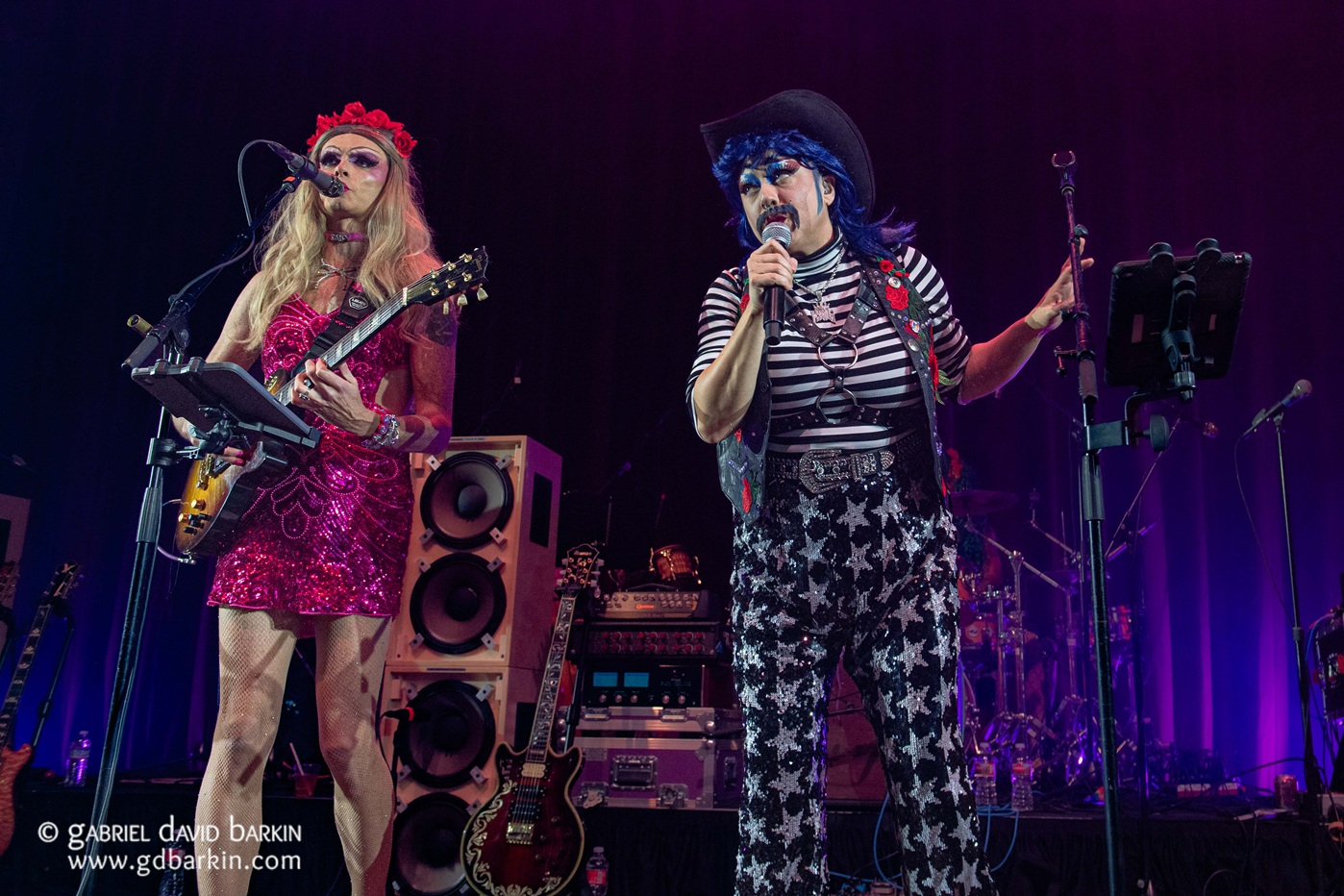
Caitlin Doyle: Our governor tried to make it illegal to perform dressed in drag. We’re thinking, Well, this is perfect. We’ll have this show be a benefit.
We started promoting it, and people gravitated towards it. People were calling from out of state because they wanted to be able to make it. It turned into this huge thing! We got written up in Rolling Stone and Yahoo Entertainment. It just kind of caught fire. Our livestream was very well attended. We ended up raising, I don’t know, maybe three grand just from our little show at this dive bar.
It was supposed to be just a one-off, but it turns out that the world needs us. So here we are.
Jacob Groopman: Because Dee’s was a private establishment, we weren’t doing anything illegal. [The legislation was] all about public forums and blah, blah, blah. But the reaction was surprisingly strong.
We started coming up with names. “Bertha” — immediately, it should be called Bertha, because that’s a perfect name for a Grateful Dead drag band, right?
We’re all very opinionated Deadheads. How are we ever gonna decide what to play? Well, let’s just narrow it down to all Dead songs about women. That narrows it down to about a show’s worth of songs.
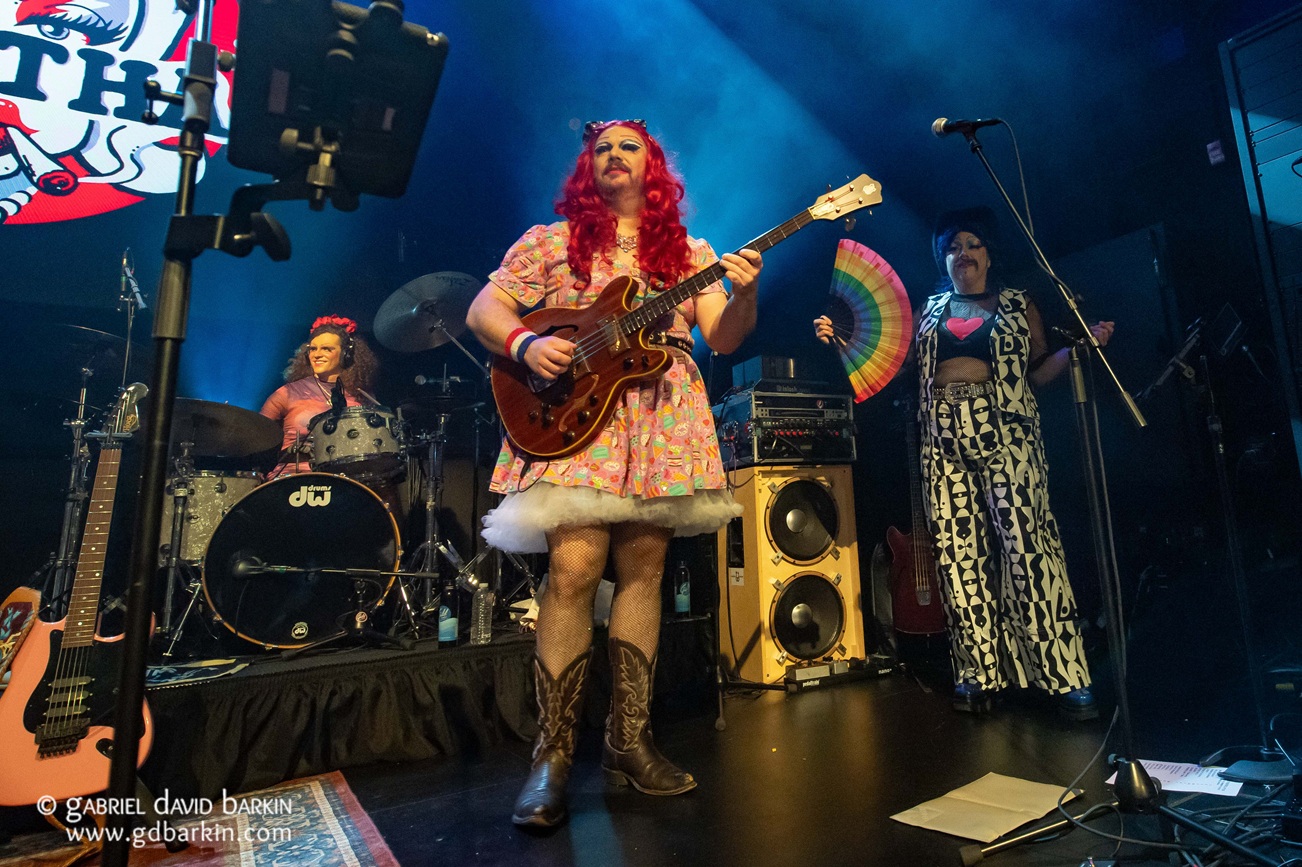
Caitlin Doyle: We decided the whole band was going to be a chosen family. Therefore, we had to figure out who was Mommy, Daddy, Baby, et cetera. I was “Mommy” because I’m dressing as a woman.
Jacob Groopman: None of us had played Grateful Dead music in any real way in a while. I had never played a gig on bass, ever. I thought it would be fun. And I knew a guy who would be way better at guitar than me for this — Thomas, who is in the band.
We had to hire our friend to help us do makeup. We looked pretty ridiculous for that first show. It was a total chaos factory. We got dressed at Thomas’s and just destroyed his house, getting ready with makeup and madness.
Mike Wheeler: When the idea came around and Melody hit me with what was brewing, I asked if she had a Bobby guy. I nominated myself.
I’m almost positive that I wouldn’t have just joined a regular Dead band. I’ve got my own music career and do my own thing, and there’s about 700 Grateful Dead cover bands out there. [But] knowing who was on board, I had a feeling it was going to be something special.
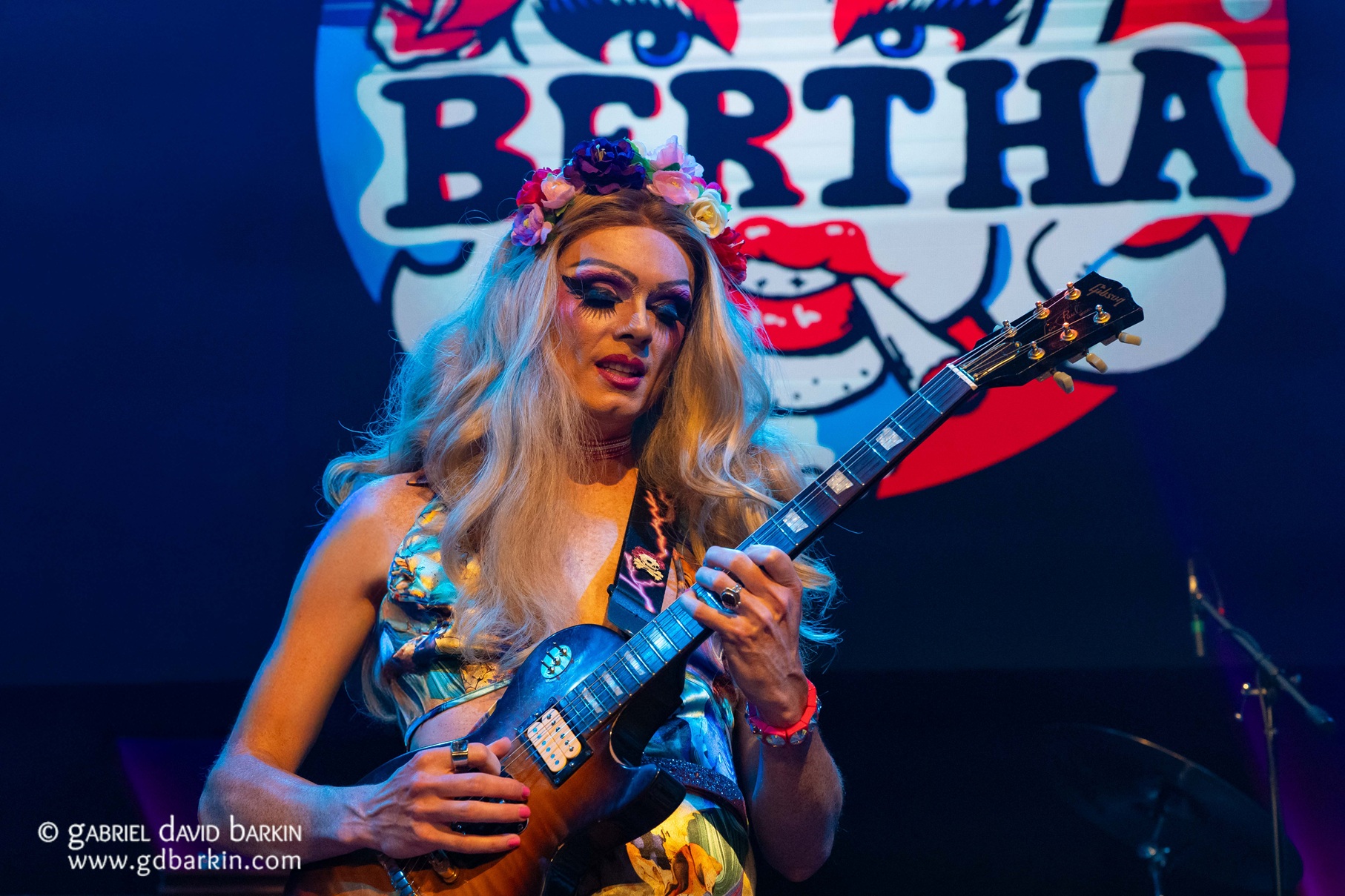
Jacob Groopman: That first year was only two shows. We played that one gig at Dee’s, another show in October in Nashville. [Then] we played another show in Nashville in February. We didn’t leave Nashville as a band until about two years ago. September ’24.
Justin Vorp: Mike came in probably around the second show. I came in probably a year and a half after they started. I met Jacob … and later, he called me. “We need a drummer to go on the road with us.”
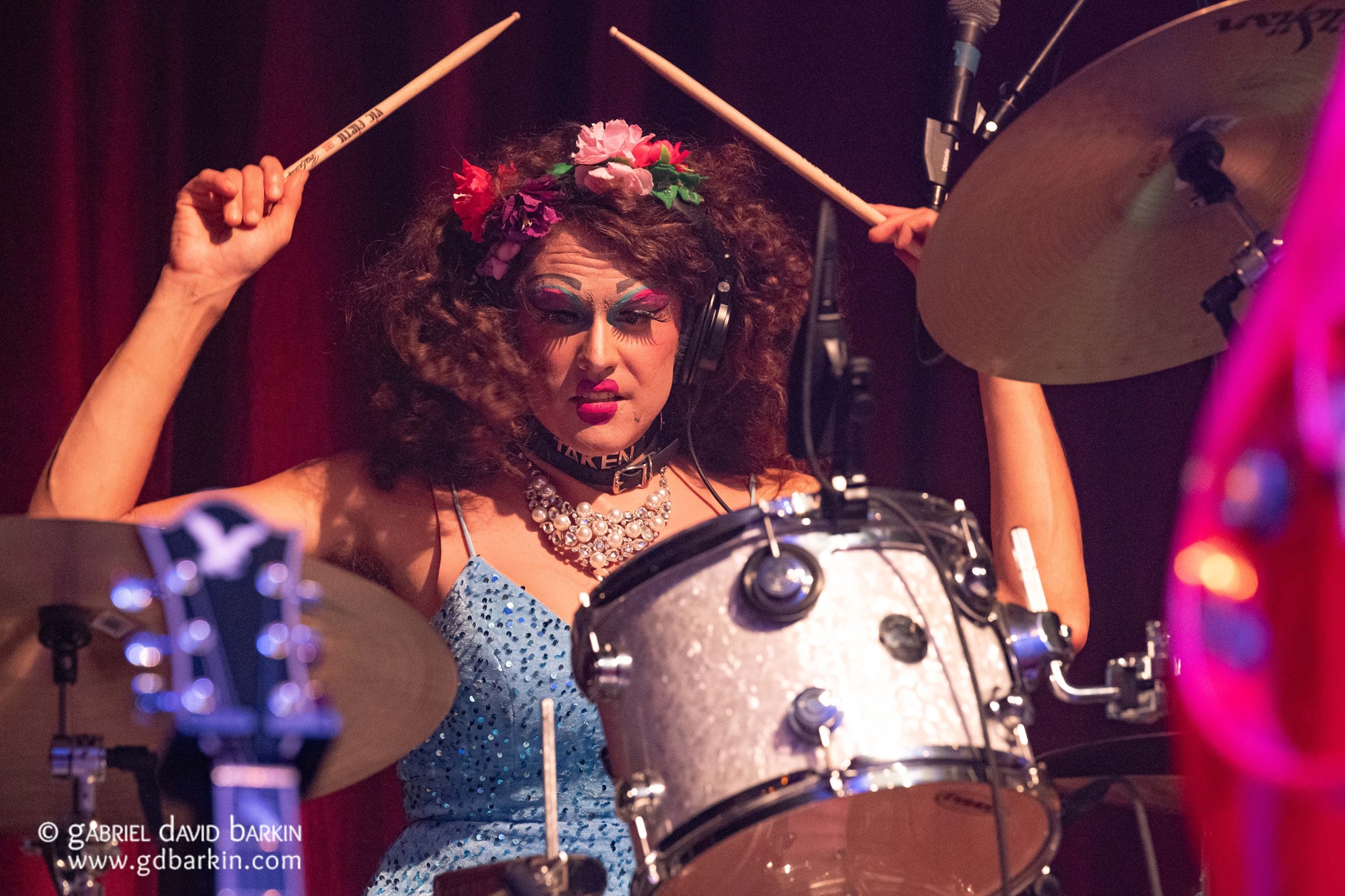
Alex Jordan: Well, Ellie, [a member of] my management team, was friends with Mike and Melody and Jacob. She casually mentioned to me one day that she wanted me to meet this guy Mike, and she mentioned that he did the drag band thing but I had a bunch of stuff going on.
I wasn’t really thinking about this drag Grateful Dead band in Nashville. Surely there’s no way that’s going to be any good, right?
A couple months later, I went [to Nashville], and Ellie said, “The drag queens are playing in Nashville tonight.” I had just flown in, and I was tired, but I went out anyway. They were pretty good. They could definitely play.
I decided to offer Grateful Guitars backline services for their upcoming West Coast dates. Offering Grateful Guitars backline services is me obligating myself to a job. I don’t know why, but I was compelled to do it. I thought they would enjoy playing all the nice gear. We worked out a donation for Grateful Guitars, and I showed up with a van full of gear. [Jordan ended up sitting in with BERTHA at that gig.]
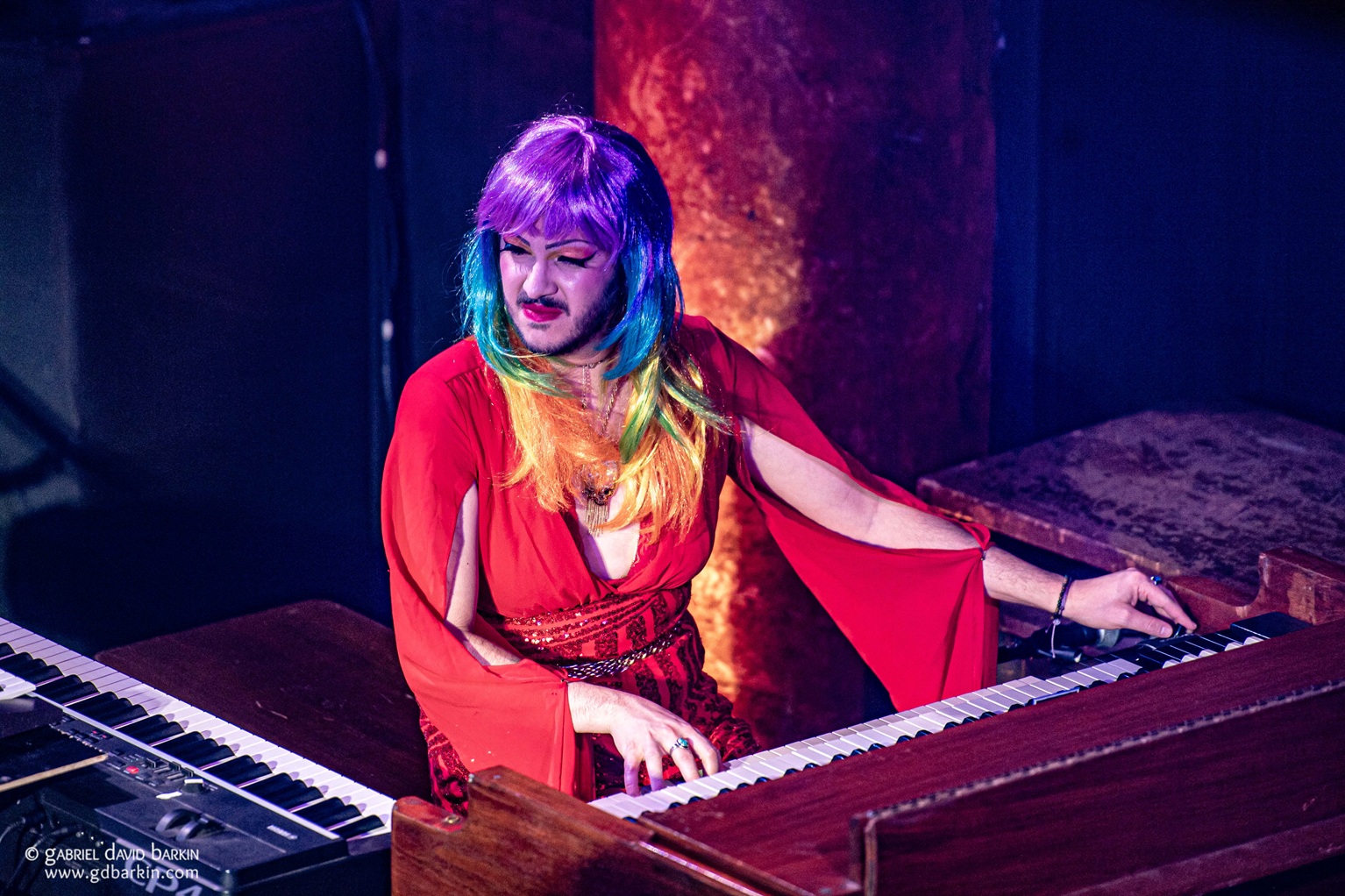
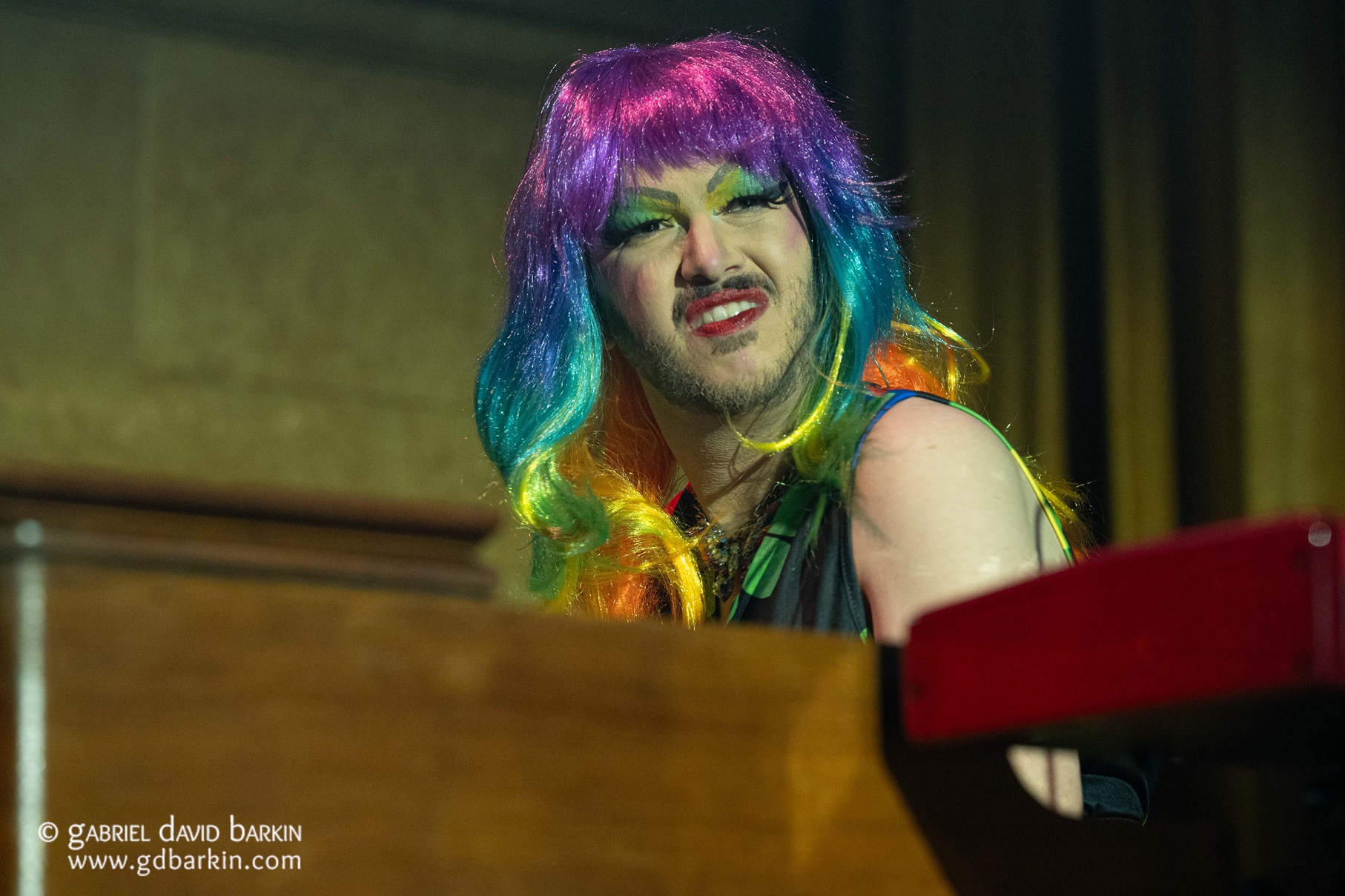
Jacob Groopman: We were in need of keys, because there’s not a lot of great keys players in Nashville who were down with the Grateful Dead and getting in drag. So I basically was like, “Alex, you have to be in the band.”
Alex Jordan: If you had asked me to join the band before that gig, I might have said no. But I had a really good time, and it was a little harder to say no at that point.
I was searching quietly for a really long time for a way to be an ally without feeling performative. This was the first thing that hit me — Oh, I can get behind that, that feels like that would be a really genuine thing! And when we hit the stage, there’s this feeling of joy and acceptance in the room even before we play the first note. It’s amazing. The world just needs a hell of a lot more of that.
Jacob Groopman: I like to say that I didn’t really give him much of an option to not be in the band.
CHAPTER 2. “PLAYING IN THE BAND”
Were you a lifelong Deadhead? Have you played much Grateful Dead music as a performer?
Melody Walker: I played a little bit of Grateful [Dead] music, but mostly a cover song here and there. It was music that I have come to appreciate more and more as I mature as a musician. Playing Grateful Dead music was something I was interested in doing post-pandemic to get back into the joy and the magic of music.
I never got to see Jerry. I never got to see the Dead. I’m a little bit too young. But that culture is steeped in the Bay Area. I grew up around my dad and his bluegrass friends playing the Old & In the Way type stuff.
Jacob Groopman: Lifelong Deadhead. I got into them when I was twelve or thirteen through my dad. By the time I finished high school, I had a couple hundred tapes, and I was well versed in the lore and the history of the band. And I played guitar all through high school in a Grateful Dead band. In college, I studied jazz guitar, but I also played in a Dead cover band with the guy who’s now the lead singer for the California Honeydrops.
I met David Gans in about 2008, and I re-sparked my interest in playing the music. He and I used to get together to play. I was in some of his projects for the next five years until I moved to Nashville.
Alex Jordan: I grew up aware of the Dead. I remember the day Garcia died, seeing it on the news and realizing it was important. I grew up hearing “Truckin’” on the radio and things like that, but I wasn’t really a Deadhead at all.
Then one of my friends in middle school sent me a track. It was mislabeled as “Cocaine,” but the song was “Casey Jones.” So by age 13, [the Dead] was on my radar, along with Dave Matthews and Béla Fleck.
My dad had the live disc of [the Grateful Dead’s] Hundred Year Hall. I would listen to it after school and bounce a ball in the yard to blow off energy before doing my homework. There’s this “Truckin’” into “The Other One,” and at some point there’s this moment where Garcia noodles away, [then] there’s a moment of silence and then some feedback and then more silence. They eventually find their way into the first verse. And when that happened, I realized I was sitting on the ground, drooling, and the ball had rolled into the corner.
I was like, Whatever this band is, I’m in.
Mike Wheeler: My first band was a jam band in high school, and some of the first songs that I performed live were Grateful Dead songs. We played original stuff, but we would do “Feel Like a Stranger,” “The Other One,” “Eyes of the World.” The other guitar player in that band, Rob Eaton Jr., is the son of Rob Eaton from Dark Star Orchestra. [So] we had Dark Star kind of as our mentors from age 15, and I had a front-row seat to that world but never thought that I would actually join a Dead cover band.
I think I’ve seen Dark Star probably 80 times over 25 years, so it’s been a huge part of my life.
Justin Vorp: I grew up listening to the Grateful Dead, so it’s really the perfect gig for me, honestly.
CHAPTER 3. “FEEL LIKE A STRANGER”
Did you have any experience doing drag performance prior to BERTHA? What have you had to learn about being a drag performer?
Melody Walker: I was not involved in the drag community when I lived in the Bay Area. I was involved in theater in high school but not doing drag. I wasn’t even seeing drag regularly.
[But] if we’re going to present the Grateful Dead music correctly, we have to present the drag respectfully. Especially because none of us were drag performers before this. It’s important that we put effort into [the drag aspect] — at least equal effort — even if we want to have a messy look, a look that isn’t necessarily selling a femme fantasy and is more of a gender nightmare. That needs to be intentional.
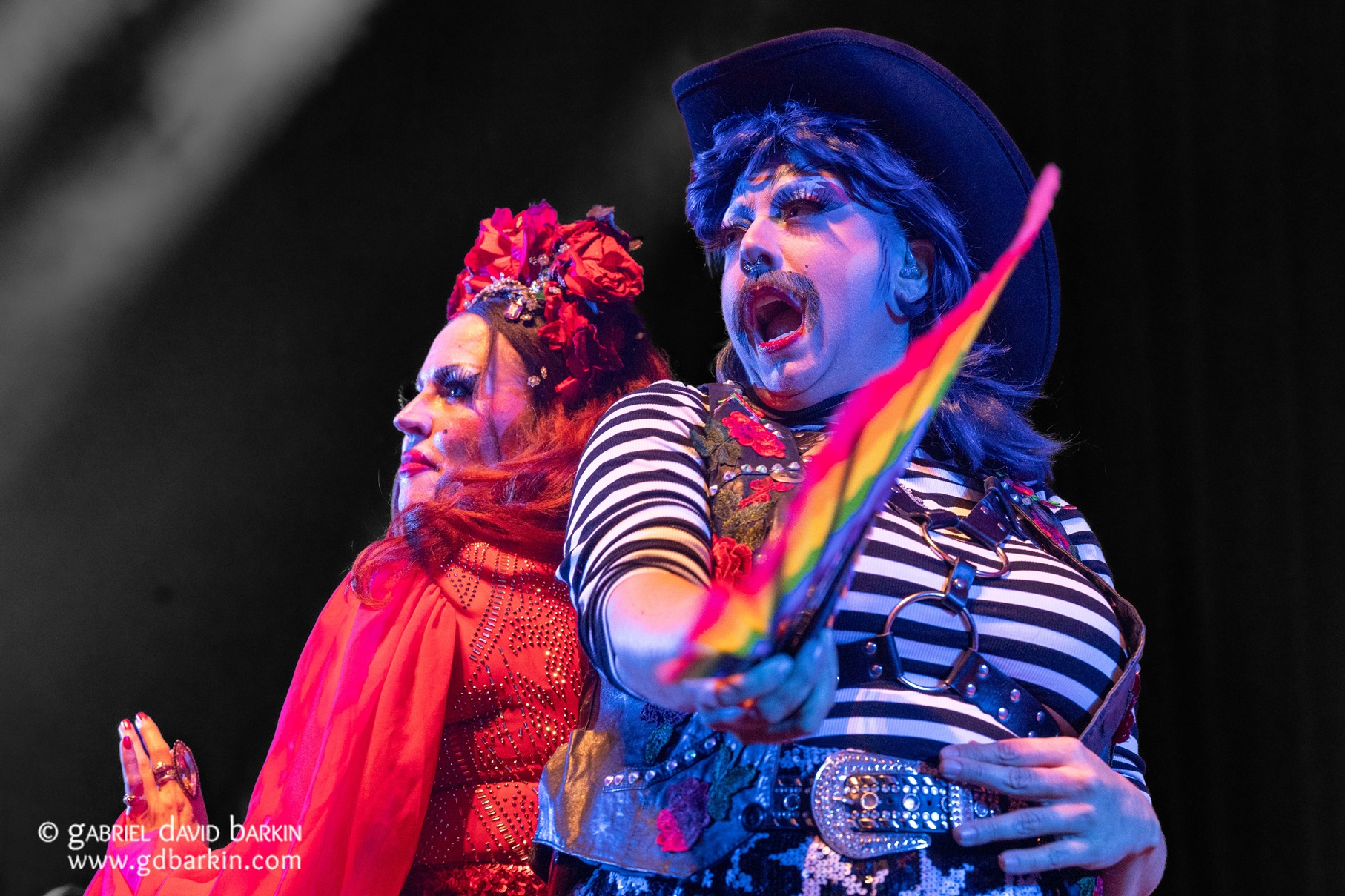
Jacob Groopman: I’d never really done drag for real. In college, there was a drag ball at Oberlin, which was a big thing, and I got dressed up. But not really with makeup or anything.
I wasn’t super aware of the drag community. I didn’t watch Drag Race. I knew that it existed, and I knew what drag queens were, but it wasn’t part of my life really at all.
Thomas Bryan Eaton: [Being in a Grateful Dead drag cover band] was definitely not on any bingo card of mine. I never considered or thought of doing drag before this. But I have been a woman for Halloween numerous times. My sisters used to dress me up in dresses when I was a kid. I remember I definitely wasn’t super excited, but I also didn’t hate it. It was like, Okay, this is fun. We’re playing this thing now.
Performing in costume is definitely a freeing thing that I’ve felt before.
Justin Vorp: I’ve worn dresses in the past. It’s always been funny. I’ve always been okay with, and super comfortable, wearing ridiculous things on stage and stuff.
Melody Walker: You know, we all do our own makeup, right?
Jacob Groopman: We’ve all had to learn how to do our own makeup. Melody and Caitlin are not about to have anybody walk on that stage that’s not in real drag. Not, as they call it, “frat drag.” If you’re gonna sit in with us, you’re not just gonna put on a wig and a dress. You gotta sit for two hours of makeup. You really gotta do the drag right.
Alex Jordan: My makeup is so much better now. [My first time], I looked in the mirror, and I got kind of giddy.
Mike Wheeler: It’s certainly a whole other realm of accessories and clothes and makeup, and keeping an eye out for on-stage wear. “Baby After Dark” wear.
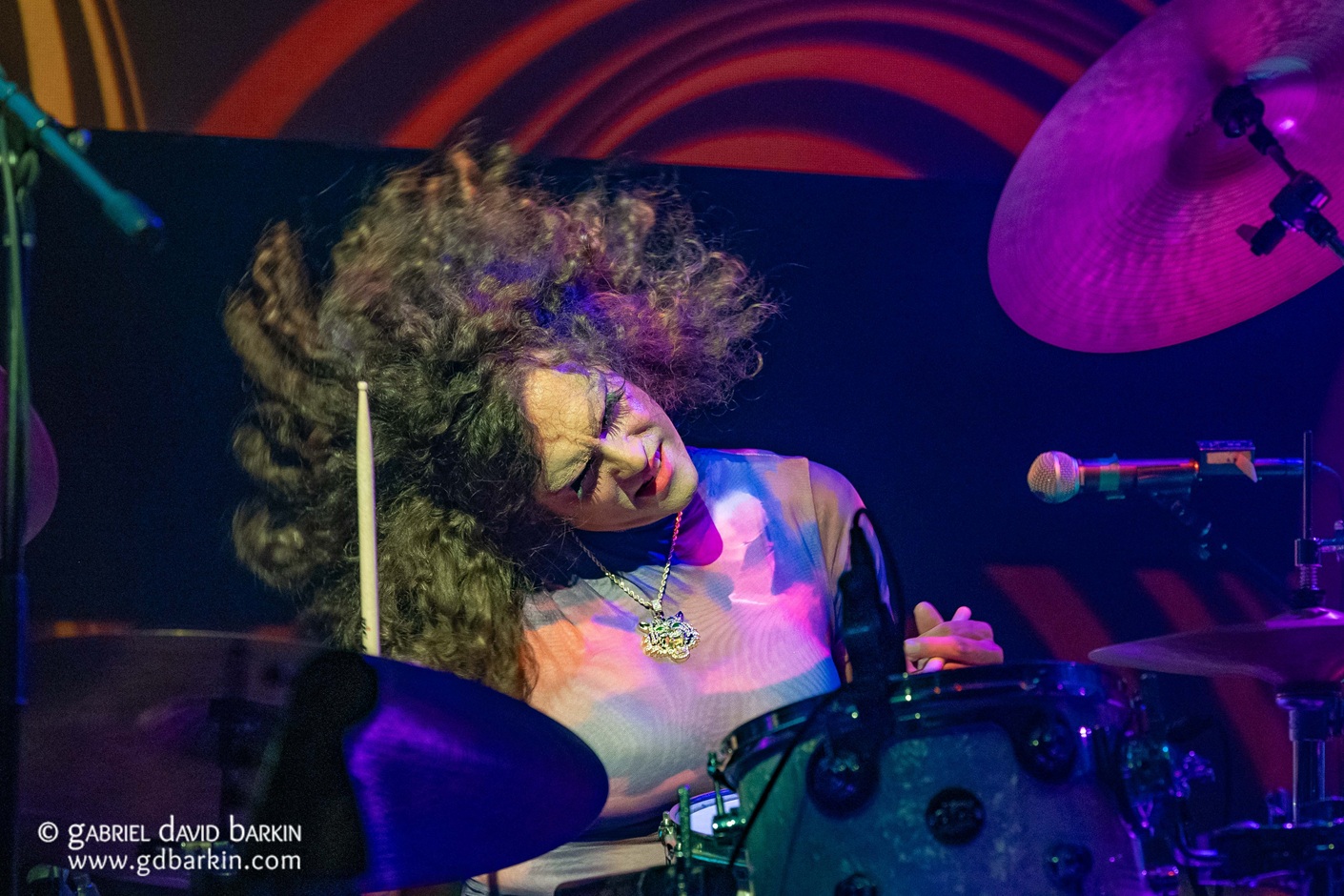
Justin Vorp: My wife loves it. She’s always looking for dresses for me and stuff like that.
CHAPTER 4. “THEY LOVE EACH OTHER”
Prior to BERTHA, were you already immersed in any facet of the LGBTQIA+ community, or have friends and family in that world?
Melody Walker: I’ve always been a card-carrying bisexual myself. You can put it in print, baby. As are several people in the band, although that is their story to tell.
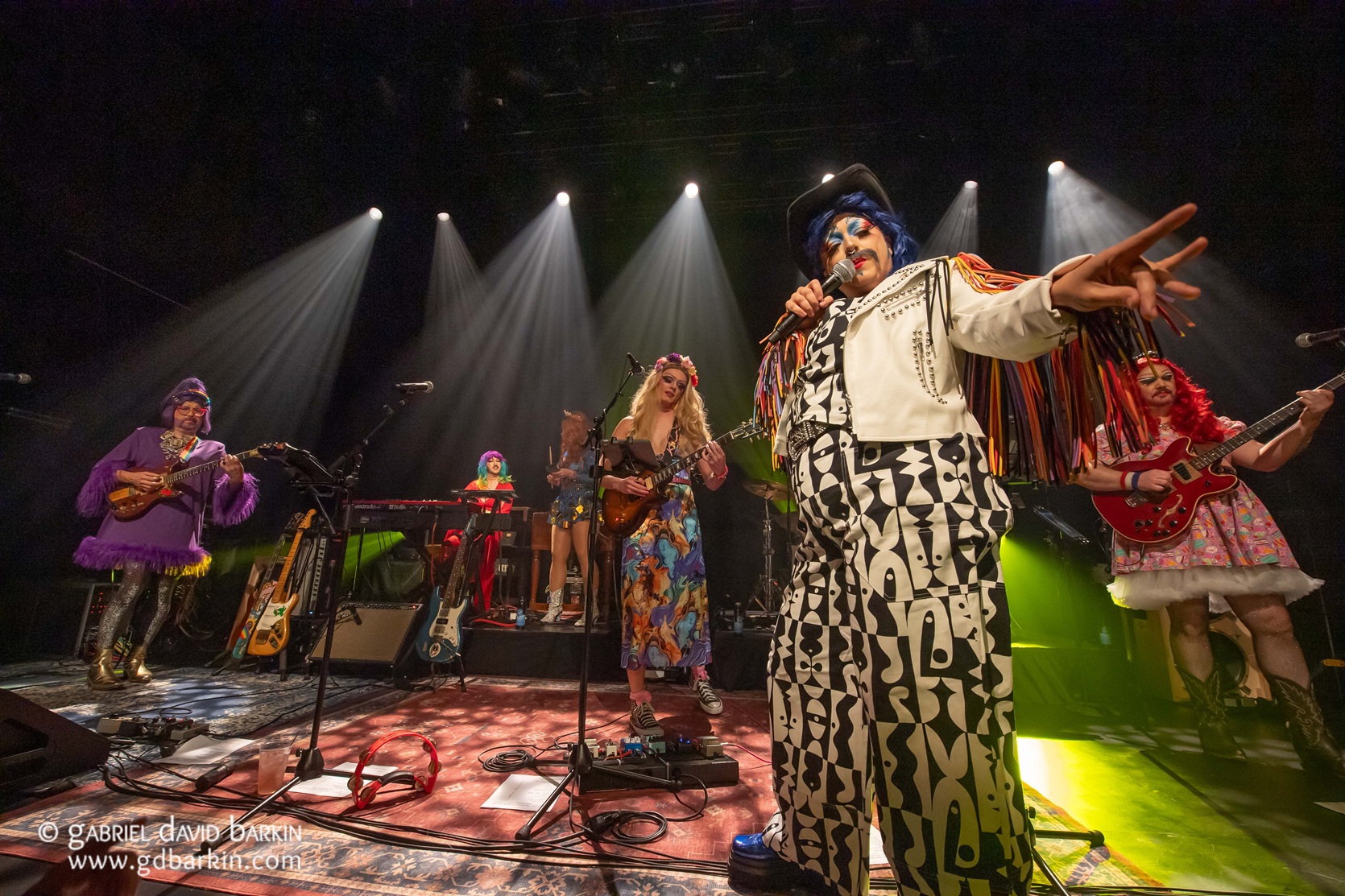
Caitlin Doyle: I’m queer, and I’m definitely more femme. I’ve never really identified with the queer community, sadly, because I never felt like I was a part of it. Because I don’t look the part. I don’t look the stereotype. So this has opened doors for me with my queer community and chosen family, definitely.
Mike Wheeler: I have lots of friends in the LGBTQ community. I had been to a lot of burlesque shows and drag shows, and I dated a couple of burlesque dancers. I love [the drag] world, and I’d always wanted to participate, too, to some degree. [But] I didn’t really kind of know where my place could be.
Thomas Bryan Eaton: I lived in New York City for a long time, and you live out in the Bay, right? Huge cities, there’s so many different circles of friends that people sometimes exist in. As a musician and an extroverted introvert, I had a lot of different friend groups and circle groups — definitely a bunch of gay community in New York. But I wasn’t raging at gay clubs with them much.
I’ve been to drag shows and stuff, but never a ton. I’m such a music-focused brain. That’s kind of all I think about, for better and worse.
Justin Vorp: It’s honestly pretty new. I’m around the community a little bit, but other than that, I’m a musician first, for sure.
CHAPTER 5. “ALL OF MY FRIENDS…”
So now you play Grateful Dead music wearing a wig and makeup. What has been the response of your friends and family?
Thomas Bryan Eaton: I have definitely [run] into confusion … between drag and trans from a lot of different places and people. From hateful places, of course, but also from non-hateful, from very loving places, like even some family members of mine. Or from some friends who are not hateful at all, they’re just confused.
And if you haven’t thought about [drag and/or LGBTQIA+ identities] or don’t know, that’s okay. Sometimes it’s helpful to talk about it — and then, Oh, okay, that makes total sense.
Justin Vorp: Sometimes they’re like, “You’re great musicians. Why do you got to dress up?” Which is a gimmick, but it’s also a great gimmick, and it’s a positive gimmick. Usually they see us play and then they get it.
It’s great, as a straight person, to show my friends and family that This is okay. This is cool. This shouldn’t be a weird thing. It should just be a normal thing. I think it’s great to just be a positive force.
CHAPTER 6. “AIN’T NO TIME TO HATE”
What about the larger Deadhead community? Have you seen any of the rare but occasional shade on Facebook, for instance, denouncing BERTHA for being “sick” or “disgusting”?
Melody Walker: The vast majority of the “hater-ade” that we have received has been online, from people we don’t know and who don’t know us either. People who feel they can talk to us a certain way.
Everything they say is a million percent about them and their own issues.
We don’t know who is staying away and why. We don’t often get to ask people. You don’t get to know why you didn’t get the job, you know what I’m saying?
Caitlin Doyle: We get some negativity, of course. Facebook is the worst for that. We haven’t had anyone say stuff to our faces. It hasn’t been so bad, thank God.
Thomas Bryan Eaton: We did have our first protesters at a show in Connecticut. There was a priest of some sort and a couple other people standing in silence out front. One of their signs said, “God made them male and female.” Another one said, “Purity is for everyone.” It’s hard to not think more is coming at some point. Assuming things continue moving in this trajectory with more visibility, there will come more of that. That’s something we all definitely think of, and we have to be conscious about security at shows.
Jacob Groopman: We see all the same things you see — all the nasty comments from Deadheads and trolls. It’s gotten a little better. But it seems every now and then, a post would go down the evil rabbit hole. It would move into the manosphere and be co-opted by haters. I’ve been collecting a list of my favorite disparaging remarks on social media that one day we’re gonna post. But for every one post that’s obnoxious, there’s usually three that are backing us up.
We’ve never encountered anything directly at the shows. I continue to wait for that to happen — somebody yelling something from the audience or showing up while we’re loading in or loading out — but that’s never happened yet. It’s all just people behind the screen saying stupid stuff.
There are a lot of Republican Deadheads, and I’ve always kind of found that kind of funny, because — why not? They love the music just as much as we do.
The gender thing — for a lot of people, it’s one thing just being gay or being lesbian or being queer. But the trans thing, and “transgender ideology” or whatever they want to call it, that makes people crazy. People, especially older Heads, they can’t deal with it, and it really makes them viscerally angry. And also, they don’t understand the difference between drag and trans. Drag is a performance art; trans is a gender. They’re just not the same thing. People don’t get that. They’re so confused: “You guys are a bunch of men, act like it!”
It’s just part of this culture war. Republicans have kind of given up on the gay thing and are now moving to the trans agenda as their number one villain, another thing to keep people distracted from the damage they’re doing to the country.
I can guarantee you that 97% of the people who are talking smack about BERTHA and trans people don’t know a single trans person, have never talked to a single trans person about their own experience.
Mike Wheeler: I think there’s a little more of it than we had expected. Sadly, that’s kind of the way things are these days. It’s not entirely shocking, it’s the nature of the internet — people troll away from behind their digital curtain. I guess people can’t help themselves.
Some people, they come out and they have to tell us — the classic older, straight white guy — “I’m just here for the music. I don’t care what you guys are wearing.” That’s to make sure that they can feel cleansed of whatever impurities the drag might make them.
Thomas Bryan Eaton: The Grateful Dead are such an all-encompassing thing. We know there’s people of all different political persuasions, for lack of a better way to put it, involved in that community. And honestly, that’s great.
The thing that we’re trying to do is this: whatever you think or however you want to express yourself, that’s great. Come have fun if you want to have fun. If you don’t want to have fun, if you don’t like this, don’t come. That’s fine.
The surprising part to me is, Do you not understand this music? How [the Grateful Dead] approached their music and their lives is very much all-encompassing. Do what you want, we’re gonna work together. But you do you. That’s what makes [the Grateful Dead] such a unique band. Everyone was able to kind of do whatever they wanted. That’s a core part of their ethos.
I’m not gonna judge, but it’s confusing that people don’t see that aspect of it. When people are like, “Jerry would hate this,” or whatever, it’s like, Are we listening to the same person? Are we listening to the same band?
Justin Vorp: It shouldn’t be weird. It’s pretty ridiculous. Comments on Facebook — these people, they just look bad. Why do you do this? Why is there so much hate?
CHAPTER 7. “THE MUSIC NEVER STOPPED”
How important is the musical aspect of what BERTHA does?
Melody Walker: It never was a drag show. It’s always been a musical endeavor first.
I think one of the biggest barriers to people coming to check us out is that they think it’s going to be lip-syncing, like a traditional drag show. It’s not a traditional drag show. We always incorporate local drag performers so that people get a taste of that vibe. But we’re all musicians first and Deadheads first.
The music of the Grateful Dead is wildly experimental and non-judgmental in its way. It’s about taking risks, and it’s not about being perfect. And so that is very healing for a musician.
There have been a lot of people carrying on that tradition. But the younger generation has to also come in with new bands and new perspectives on the music. We’re just trying to add our perspective.
Jacob Groopman: I feel really good about this band because we’re not young guns. We’ve all been doing this for a long time.
Our biggest hurdle is convincing people that we’re actually a pretty good band — until they see us. I’m a pretty cynical person sometimes, and a very opinionated Deadhead. If I were just Joe Schmoe in Nashville and I saw this band coming through, I’d be like, There’s no way that’s going to be good. It looks fun, and I love the mission, and maybe I’ll go see it eventually, but it’s probably mediocre music.
I don’t mean to toot my own horn, but I do think we’re pretty good.
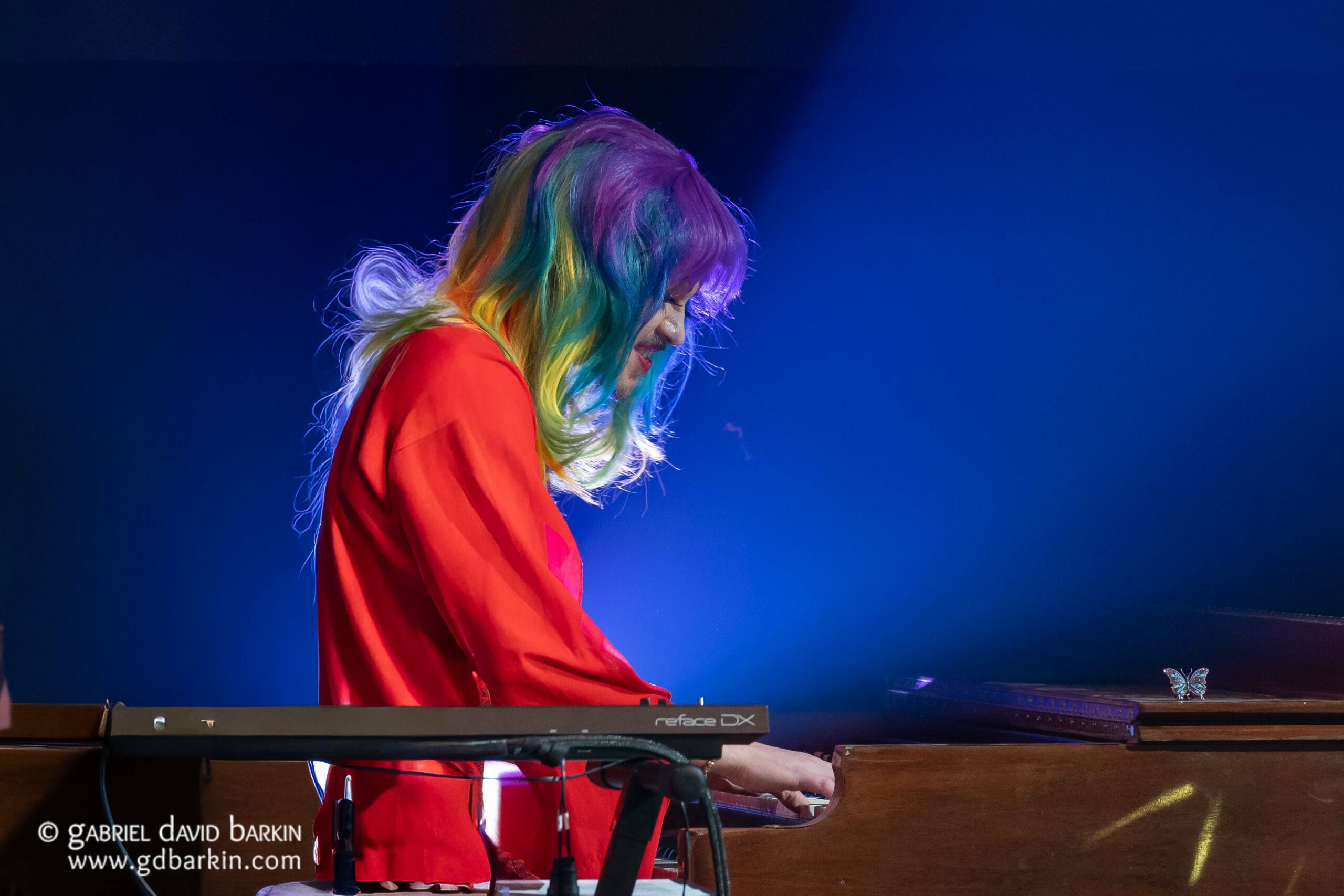
Alex Jordan: At first, I didn’t even give BERTHA a second thought. This is the first Grateful Dead cover band I’ve ever been in. [Though Jordan has played Grateful Dead music in countless informal lineups, BERTHA is his first regular, dedicated Dead group.] To be with a group of people where you can work on things musically, with consistency, that’s really rewarding.
Jacob Groopman: It’s really disrespectful to drag, and disrespectful to the Dead, if one or the other is bullshit.
We spend a lot of time on the music, and the nuance, and the feels. I just want this band to be the Dead cover band that I always wanted to see.
Melody Walker: I spoke with an older lesbian at a show recently who said she just thought it was a gimmick — and that it likely wouldn’t be good. She’s a member of the community, but also a Deadhead with discerning taste. But she saw a video or something and realized that we didn’t suck.
CHAPTER 8. “THE OTHER ONE”
Doing That Drag: What do you experience when you put on your wig and makeup etc.? What does it feel like?
Melody Walker: I’m Daddy Bertha. I’m the drag king representation.
It is definitely liberating to perform in drag on a number of levels. It’s hard to have your ego attached to what we’re doing when you’re in full costume and people are looking at you. I look like a clown on stage by design. And it’s pretty hard also to have any kind of issue with your bandmates or judgment of each other’s musical execution or ideas when you look around you and everybody looks absolutely ridiculous and beautiful.
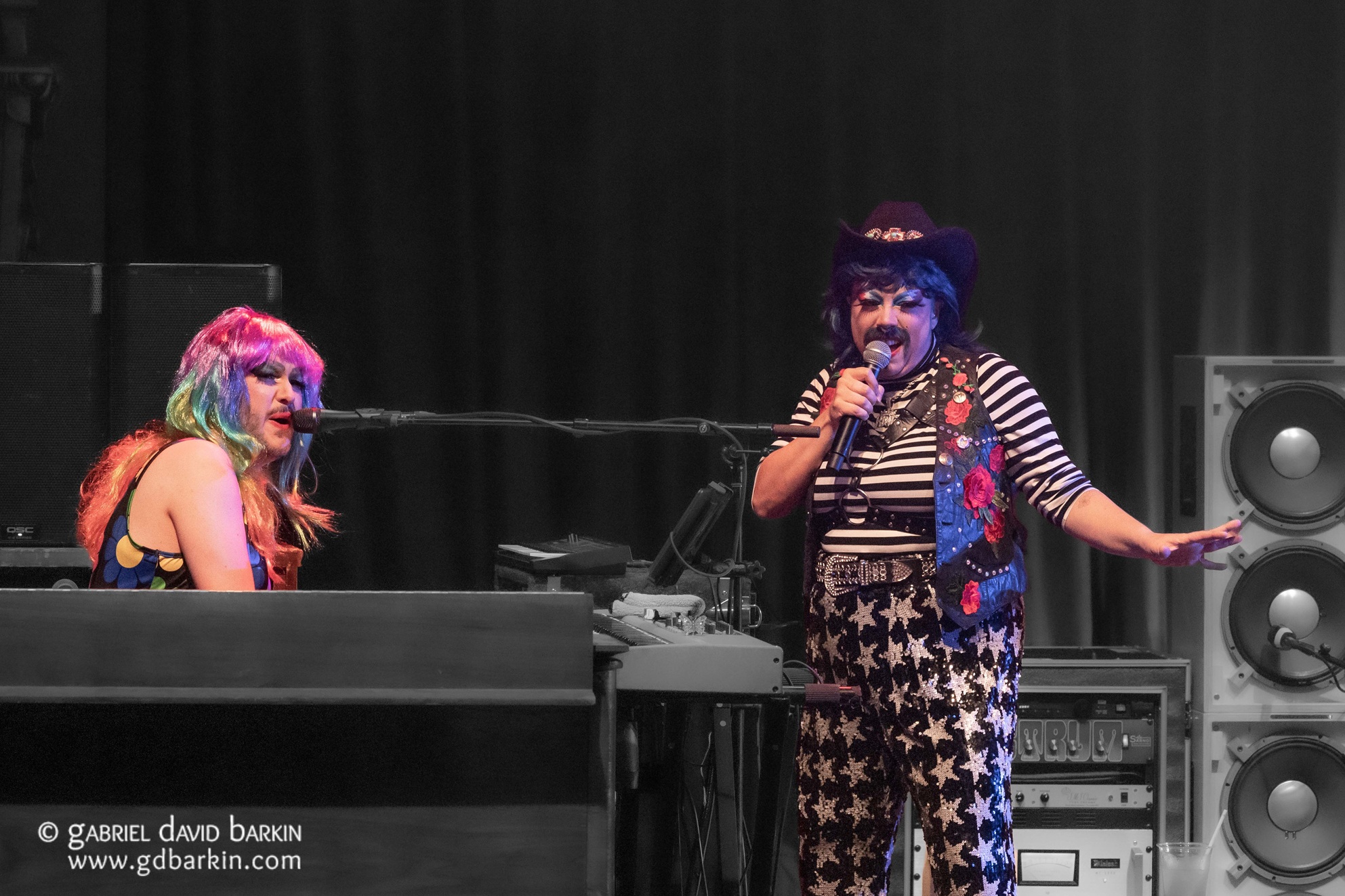
Caitlin Doyle: It’s a space where I can be as femme as I want to be. I love Dolly Parton, and she takes it to the max. My identity has always been feminine. Even with my queerness, sometimes I would dress more tomboyish, but that never really felt like me. So I can fully be my authentic, very femme self and not be shamed for being curvy — be celebrated for being curvy.
[When] someone dresses in their opposite sex, they feel empowered, and they feel like they can be themselves.
Jacob Groopman: Feeling like a different person has really come in the last kind of couple years as we started developing the show. Now when I get on stage, I really do embody this persona that I’ve built for Big Sissy Bertha on my side of the stage. It’s just not me. It’s not Jacob.
I have colors that I wear. I have this instrument that I play. I don’t sing a lot in the band, so I’m usually just playing and able to walk around the stage and bother other people who are trying to play. I’m the only member of the band who’s wireless, so I like to run around.
I’ve been developing this “Big Sissy” playful, ridiculous, bassist thing. I’m much more reserved and normal-ish, whatever that means, when I’m playing bluegrass or anything else. But I try to be a lot more extroverted and outgoing when I’m Big Sissy. I’m sure it’ll continue to develop.
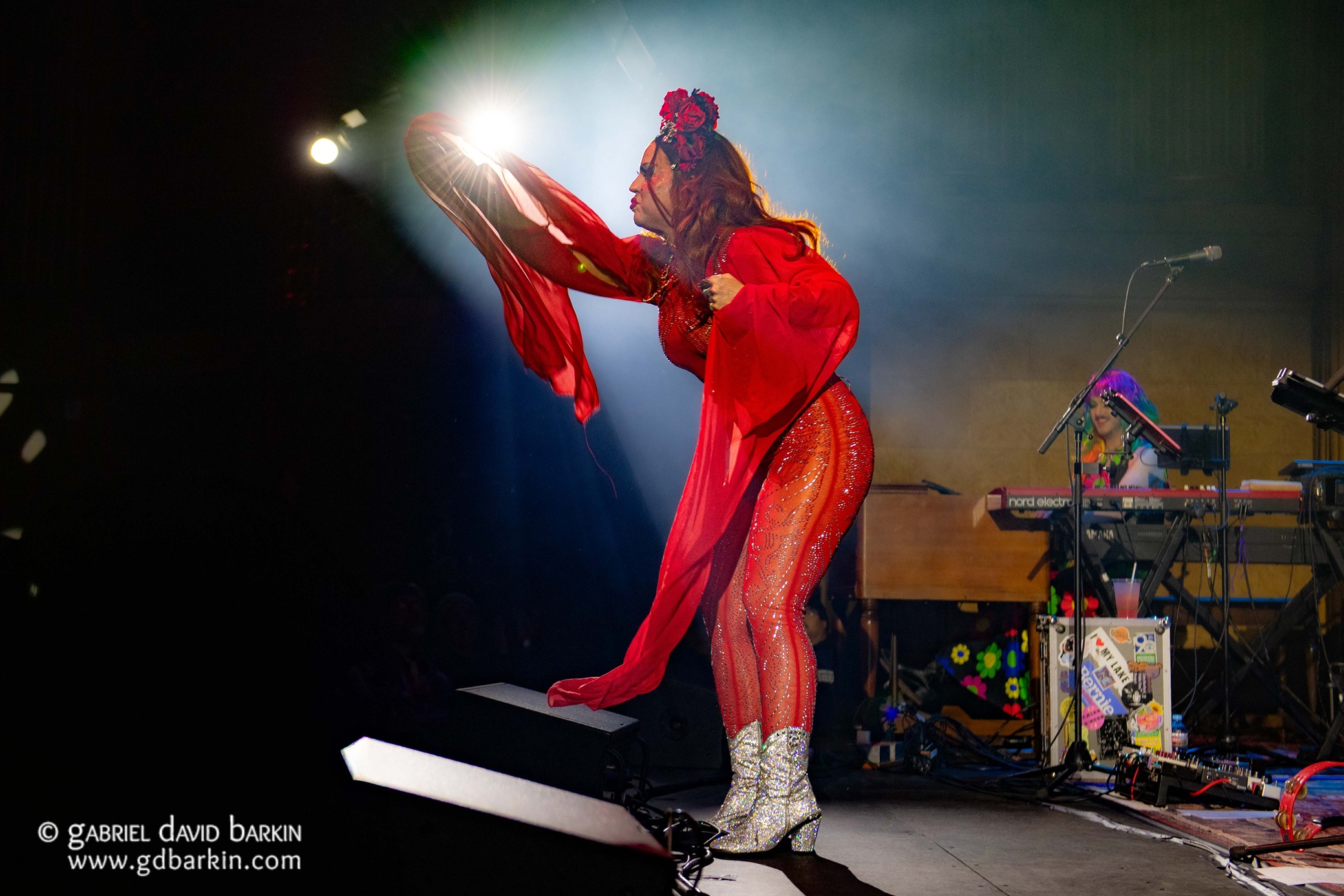
Alex Jordan: I grew up doing theater, so wearing costumes and getting in character was one thing. This was different, because it wasn’t a character. It was a different mode of expression. And honest to God, the closest I can equate it to is being on acid. I look in the mirror and go, It doesn’t look like me.
I grew up admiring the Prankster thing. They would wear all kinds of weird outfits and face paint just to freak people out. And I love that [wearing my drag makeup and wig] freaked me out. That was the coolest part about it.
Mike Wheeler: It’s a different thing, a different persona to a degree. I think that can shift around, certainly with the cognitive abilities required to handle some of the Bob Weir playing.
This is hard to articulate, but it is kind of an alter ego. I’ll come out of the dressing room, and someone in the band will be like, “Oh, there she is.” As if Baby has arrived.
Thomas Bryan Eaton: At first it felt very different. I remember our first time playing in the Bay Area, at the UC Theatre. These shows were overwhelming. Wavy Gravy sitting five feet from me the whole show. I’m playing [Garcia’s guitar] “Alligator.” There’s all these guests. I just have to focus on the music, and the music is me. Me thinking about the music. So that part is definitely me.
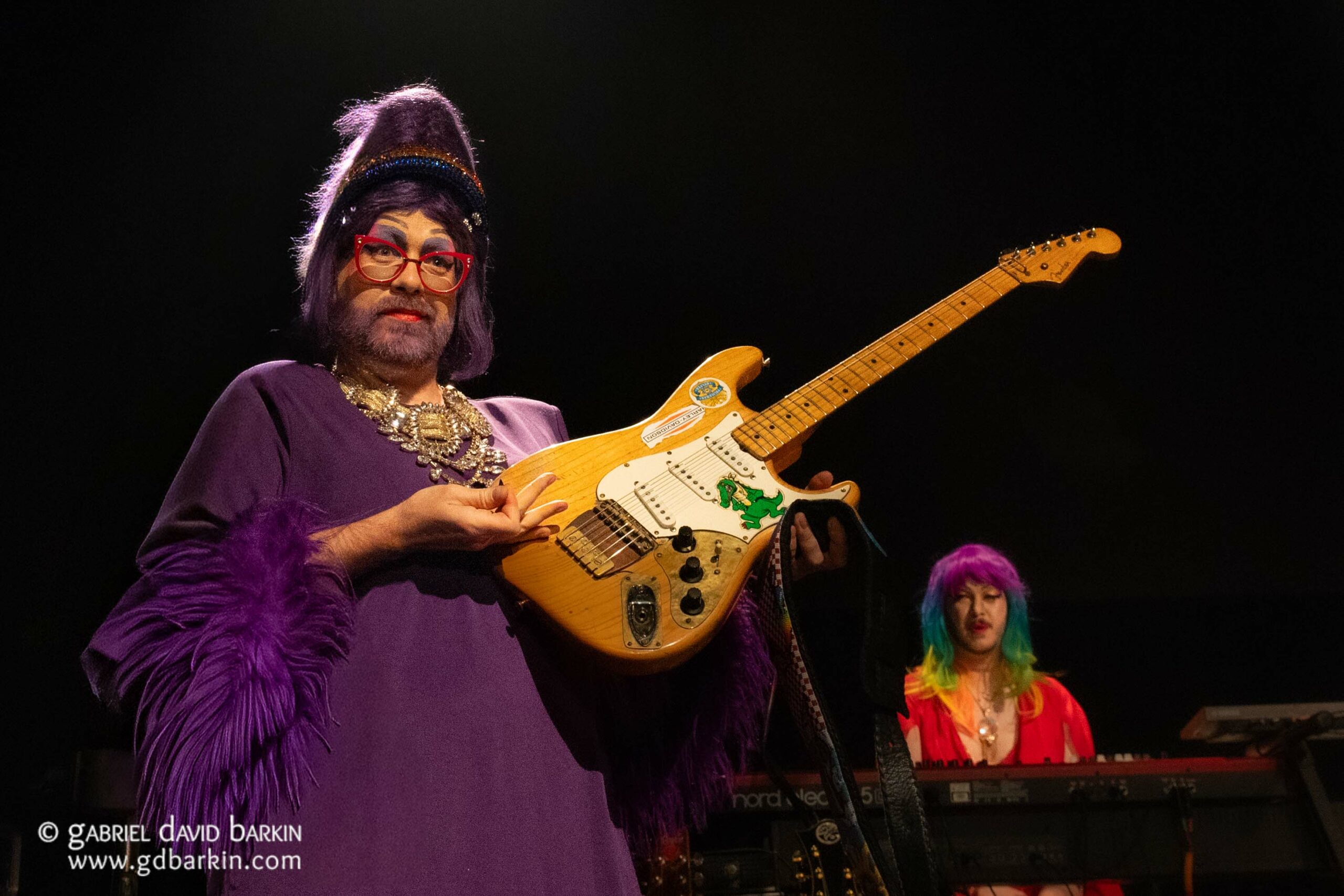
But as we’ve done it more, I think the costume does allow something else to come out. There definitely is an Auntie persona that I’m still learning about and exploring, something that is deepening and developing. And it is very freeing. It’s affected my normal non-drag shows also in various ways.
If there were two poles of Thomas and Auntie being two different things, they’re definitely merging, or learning how to dance together more. Things are starting to feel way more like, Oh, this is just a normal part of my life now. Which is a wild thing — to spend three or four hours putting a bunch of makeup on, getting into tights and a dress, and playing Grateful Dead music for three hours. For a long time, that wasn’t normal.
When you put on different clothes or a different face or a costume of some sort — I don’t know if it’s quite ego death, but you’re not yourself anymore. And that’s a wonderful thing. People spend a lot of time trying to do that in all sorts of various ways. That’s a good thing to explore, however people might want to explore that — some type of ego death, or realizing there’s other perspectives, or whatever.
That’s also a part of music and the Grateful Dead’s music. You have to let go a part of yourself. That’s just one of the many intersections of drag and Grateful Dead music that we didn’t really quite understand at first. We’re still kind of learning.
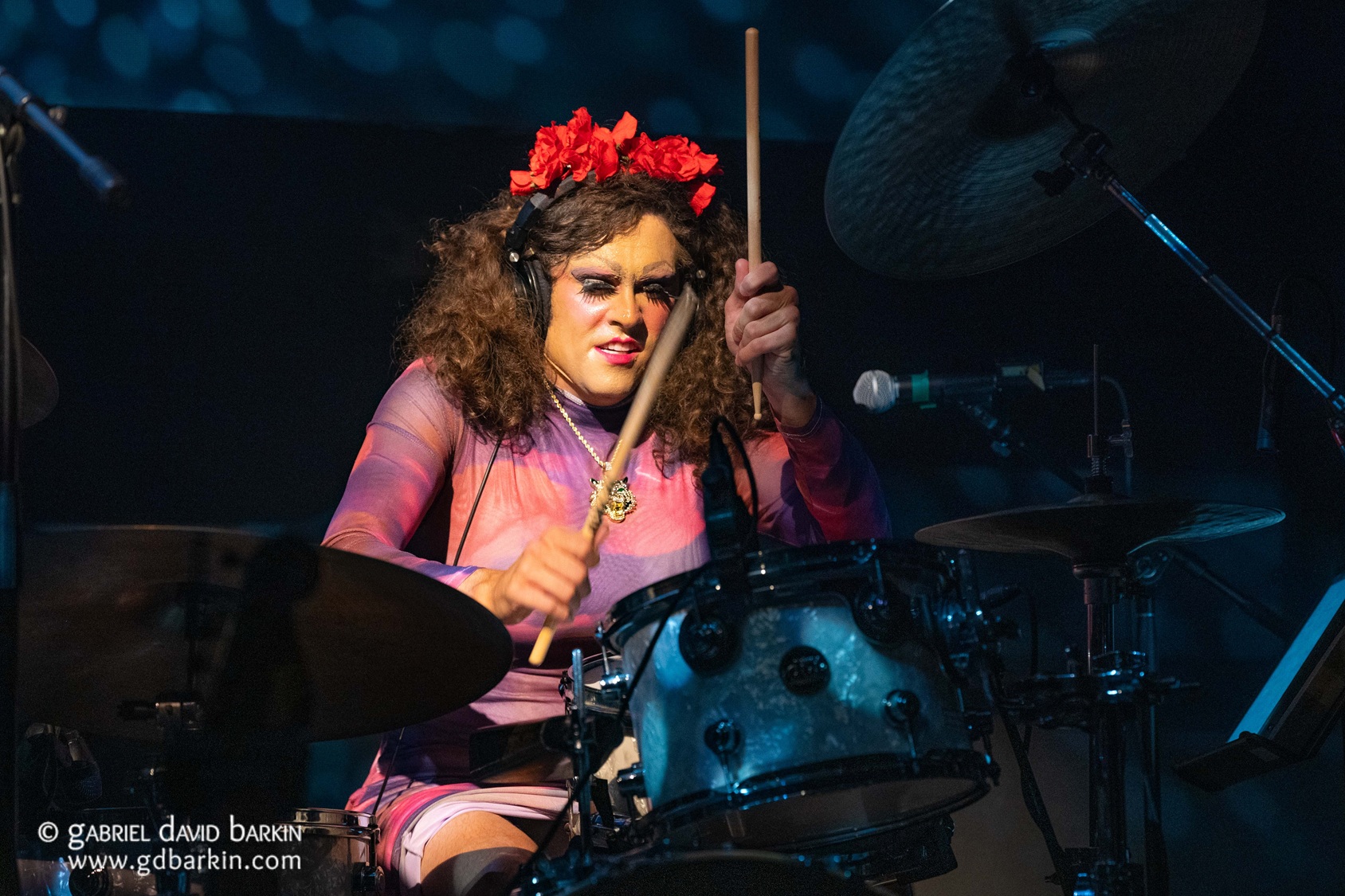
Justin Vorp: I just feel like me. I just look like a sexy woman. People seem to like it. If I try to do a sassy voice or something, it doesn’t really feel natural. So I’m just doing it. It’s really just me with big old titties.
CHAPTER 9. “LET IT GROW”
What is BERTHA’s mission? What sort of takeaway do you want the audience to bring home with them? And what does the audience bring to the table?
Melody Walker: We joined the “gender terrorist fight,” you could say, to show solidarity with not only the LGBTQIA community and with drag performers, but to show solidarity for the arts in general.
Art and free expression are all part of the same fight as gender expression and liberation in general. Part of the argument that [Tennessee’s Republican legislature and governor] were making was that anybody cross-dressing on stage was doing something harmful to society. [But] there’s been a long tradition, going back to vaudeville, going back to medieval times, to Shakespeare, of cross-dressing on stage. It’s not something that needs to be regulated. It’s about personal freedom and expression.
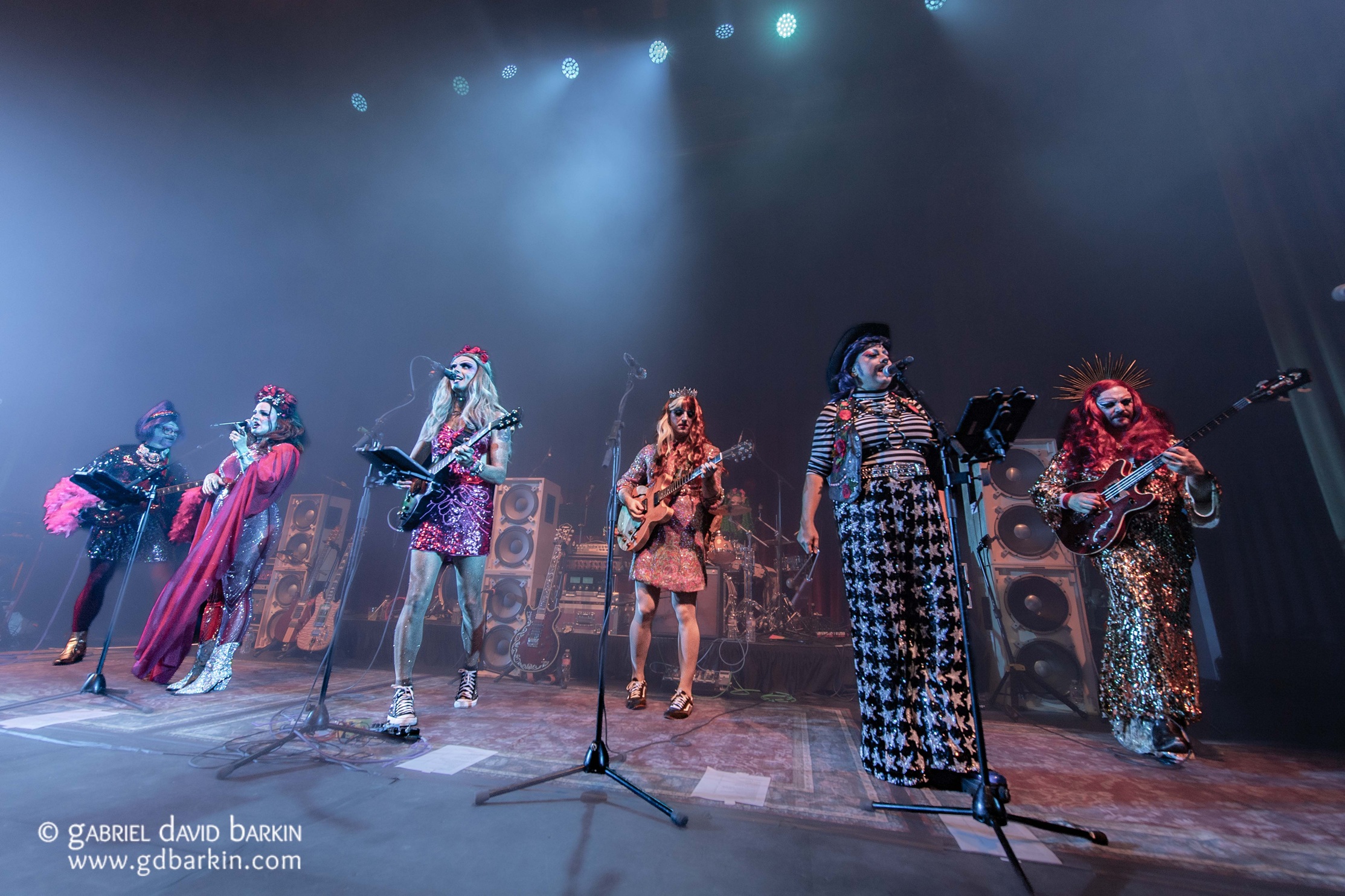
It’s not even necessarily just something about the LGBTQ community. This affects all artists. This is the point that we wanted to make.
The protest and the drag aspect were really important. I made a commitment to have a why behind what I was doing. It had to be about more than just playing live music, touring, being an artist. It needed some community element. And so with BERTHA — not only is the Deadhead community amazing, so is the LGBTQ and drag scene. These are two incredible communities that I feel privileged to be earning my place in.
We often get people who come for the music because they know it’s going to be a really good Grateful Dead tribute band. And they start out by just tolerating the drag part. We usually win them over because they can see how it all is integrated in the same fight — the fight for free expression, for LGBTQIA rights, for what you wear on stage, for the type of music you play that people might not understand. That fight for free expression is exactly what the Grateful Dead was fighting for, too, and what the Merry Pranksters were fighting for. Counterculture values.
I’m a native San Francisco Bay Area kid, so to me, this is deep lore. It lives in my heart.
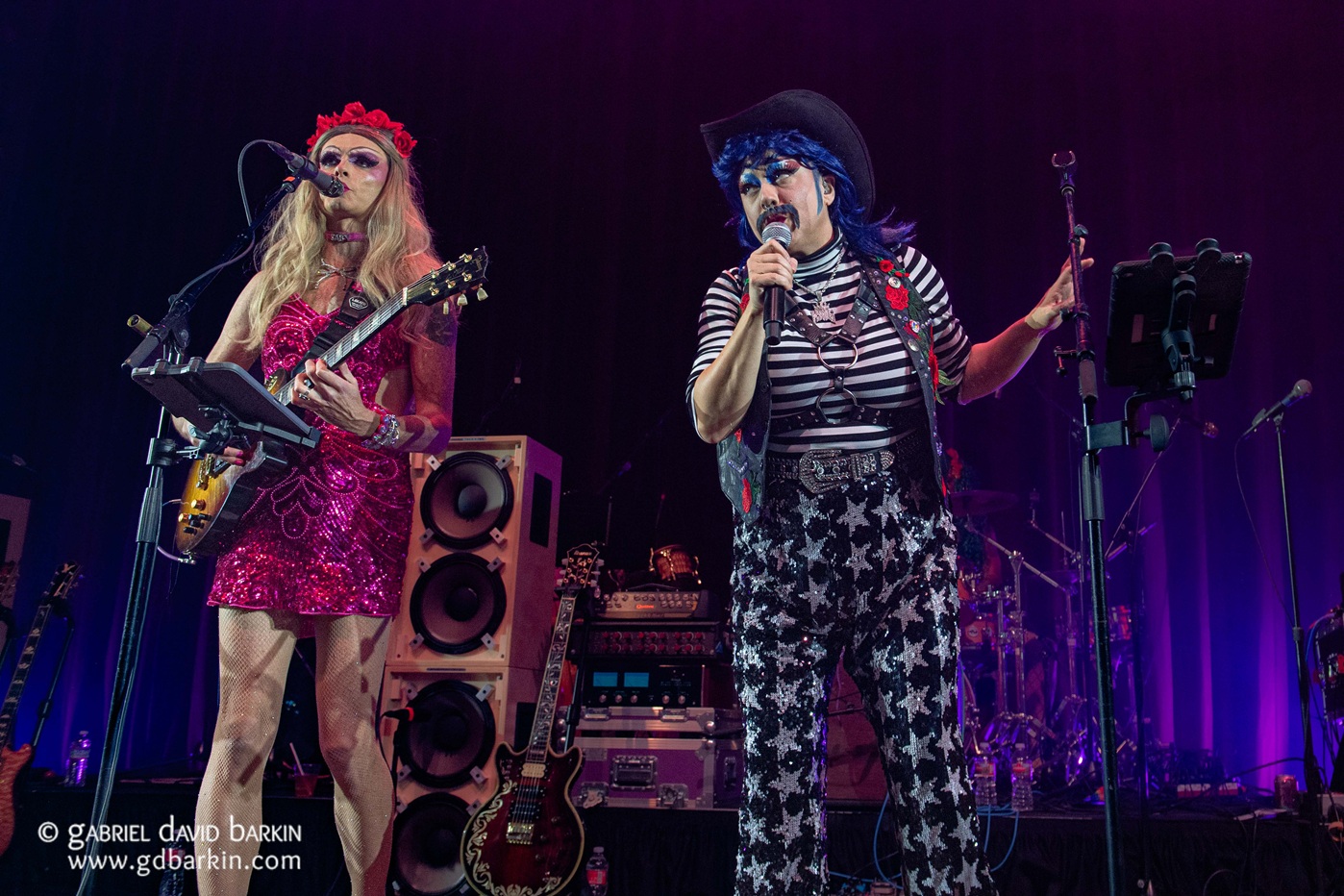
Caitlin Doyle: I want people to feel confused. People ask me all the time, “Wait, you’re dressing as a woman, but you’re queer, but you’re not...” When people feel confused, that’s just a doorway into learning. Then people start questioning things. I think that that is a good thing.
Much of our mission is to spread awareness and to raise money and help the underdogs. It feels like there is a momentum that is bigger than we are. I know that sounds cheesy, but we care so much, and this feels so important because it was a mission from day one. We feel a pretty big responsibility towards the project.
We’re all flailing right now, trying to figure out how to save the world. Like, Do we donate here? Do we vote for this person? Who do we talk to? Whose mind do we have to change? I read something about funneling all of that energy into one cause — that’s where you can make the biggest difference. When this came along, I said, I found it. I found my one cause that I’m going to put all of this energy into as much as I can.
I tell people at shows, You’re helping the cause and changing the world just by going to our show and being in community with people that might look different than you.
Mike Wheeler: I don’t think it’s up to us to teach people the exact difference between drag, cross-dressing, transgender. That kind of goes beyond our duties.
Thomas Bryan Eaton: But that’s one of the things I do love about my involvement in this. Helping clarify those kinds of things and having people learn more about that and understand it more, is very good.
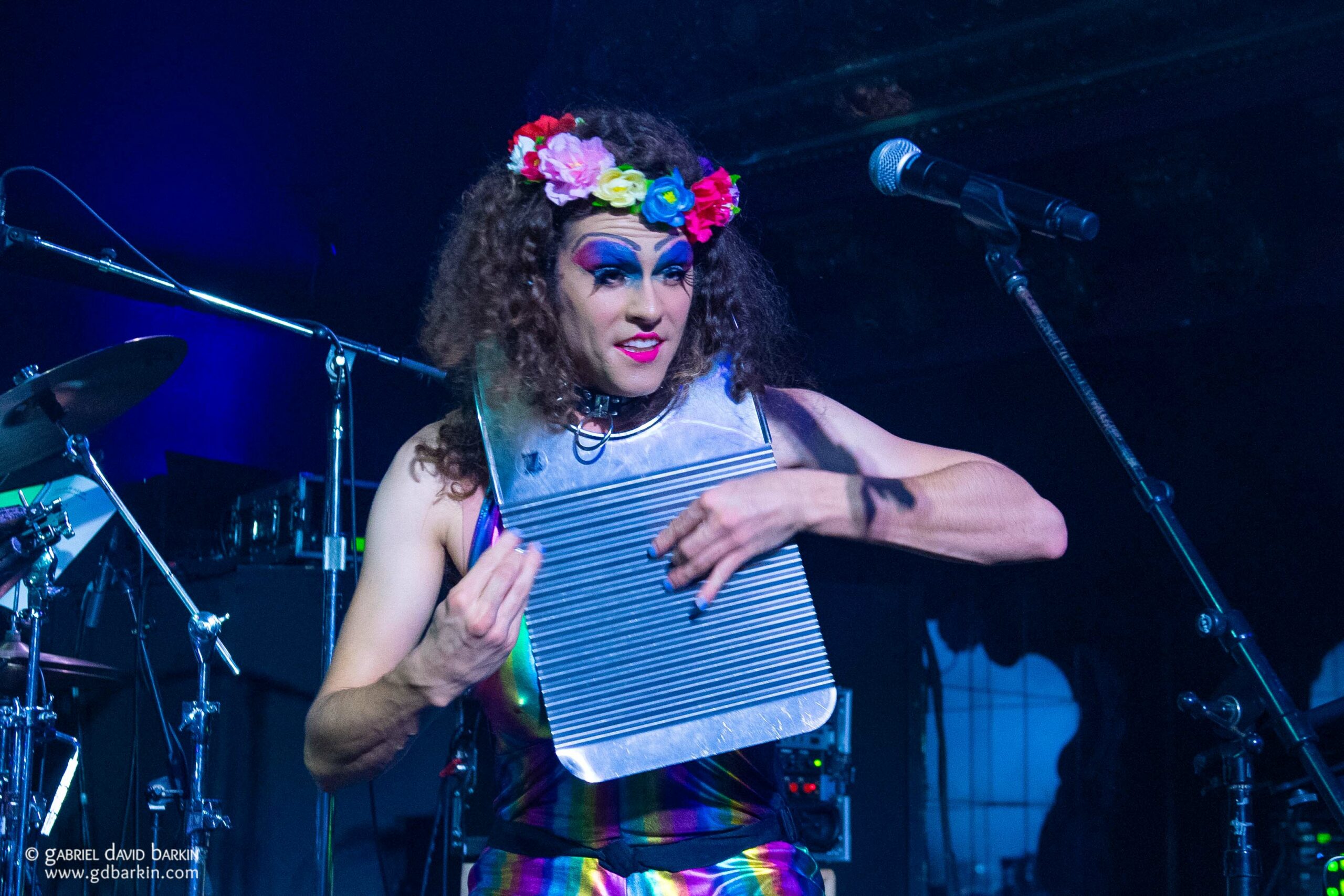
Justin Vorp: Absolutely. It’s great to bring positive language and stuff to the LGBTQ communities. Why is this a problem to so many people, especially in this country and what's going on right now? There “ain’t no time to hate, barely time to wait.” Just let people be, man.
Melody Walker: Everyone is welcome to dress up for a BERTHA show. We wish more people would, honestly, because it’s a safe place for people to express themselves in ways that maybe they’ve never tried before in public. We love that. That’s really beautiful.
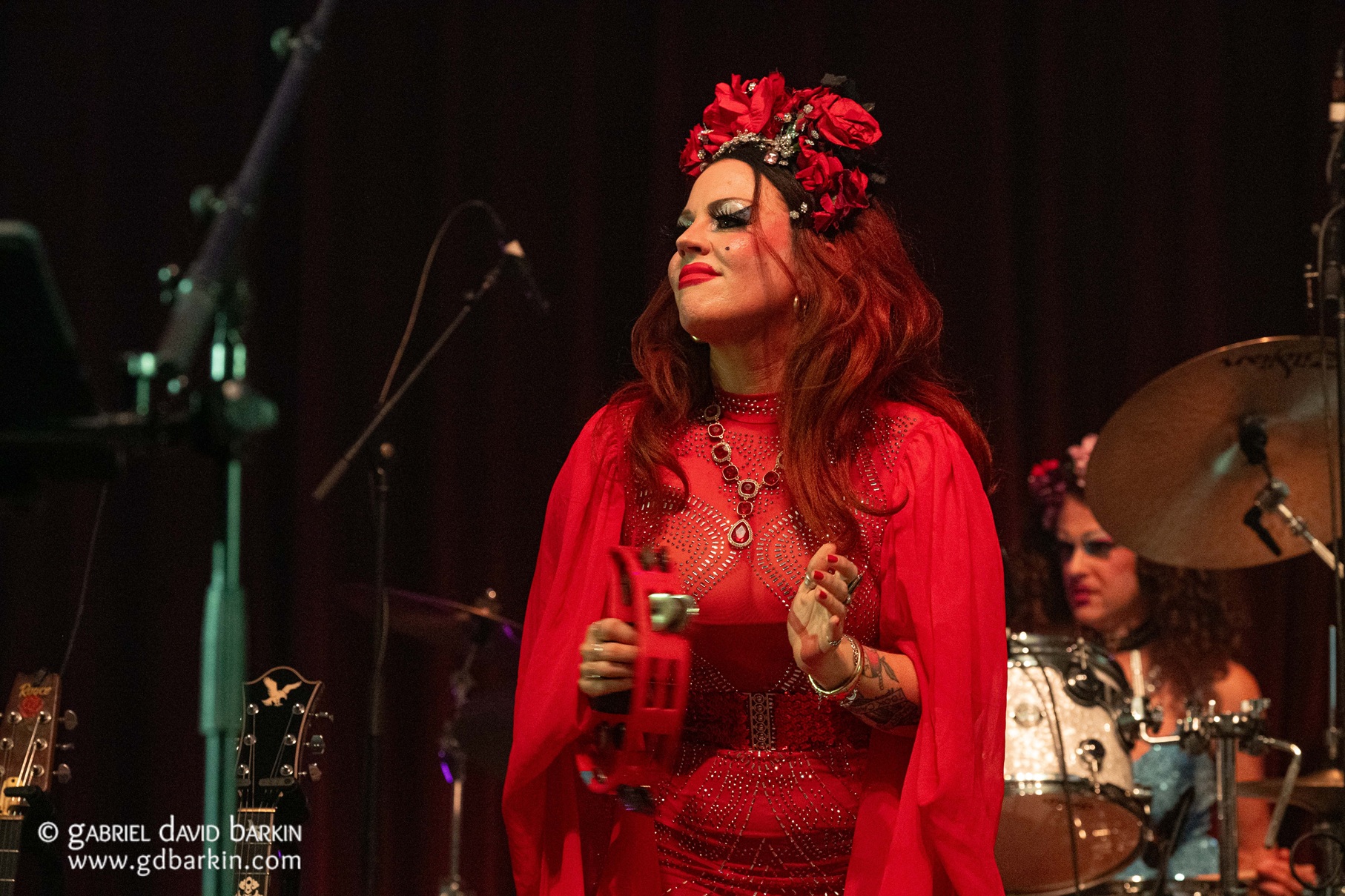
Mike Wheeler: If we know it’s an all-ages show, that informs what type of burlesque act might occur. It’s gonna change certain things, and we’ll make sure that it’s age appropriate. It’s not super common, but folks do bring their kids. It’s kind of up to the parents, up to the state laws. [But] we’re just up there in drag playing music. It’s not like we’re doing anything super risqué. There might be some innuendo in a lyric or something, or some banter. Maybe some of the burlesque performances would be a tad spicy for a ten-year-old. So take them out into the lobby.
Caitlin Doyle: I have had people come up to me and say, “I really want to bring my friend, but my friend would never come to this in a million years because …” The drag thing. People don’t understand it. I say two things. “Is your friend a heterosexual male?” And the answer is usually yes. And then I say, “Okay, well, tell him that he can do two things to make him feel comfortable at a show. Number one, he can just close his eyes. And number two, he can come and stand in front of Mommy, because she dresses femme. So her boobs are real, so you can look at those boobs and feel okay.”
Jacob Groopman: I’ve never really been one to spend a lot of time looking at the audience, but that’s changed with this band. Looking out at the audience, seeing the looks on people’s faces is just so incredible. If there’s ever a moment where maybe I feel like I missed a chord, or I’m annoyed at whatever dumb thing that I did, it doesn’t matter. I just look out in the audience, and everybody’s just having the time of their life.
But honestly, the thing that really is rewarding is when we go out into the audience after the show and walk around and meet people. The amount of people that come up — often it’s maybe an older Deadhead couple with their queer child, or some trans Deadheads — and they thank us for doing it. “Thank you for existing. I can’t believe that you’re doing this. This is incredible.” That’s all I need, really, to keep wanting to do it.
Mike Wheeler: I think people are able to get a glimpse into the queer world and have some experiences, meet some folks that they possibly wouldn’t have otherwise. From what we’ve heard, it’s a lot of people’s first drag show. It’s also a lot of people’s first Grateful Dead experience, so there’s crossover on both sides.
And then from there, some conversations happen. Certainly, folks come up and open up about friends and family members, or what it’s meant to them personally — trans folks in the South, or the parents of trans kids. And that’s all great.
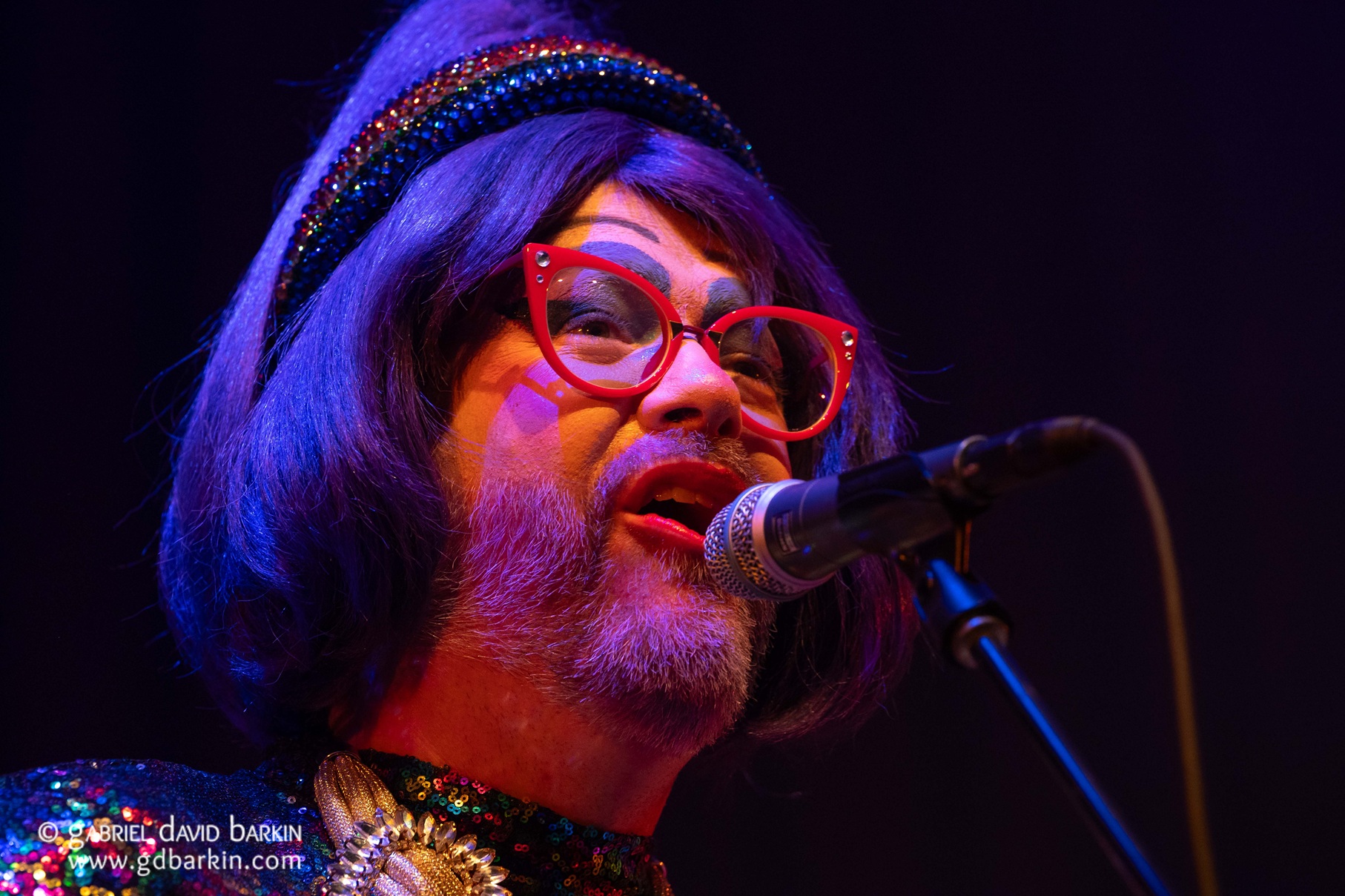
Thomas Bryan Eaton: One of the best parts about this is the community support. We had people at our show in Chattanooga who live in L.A., flew here, got friends from Asheville to come, and they’re coming to all of our California shows. It’s pretty wild, the community that has sprung up and supported this whole thing. And it’s beautiful. I feel so fortunate to have a part in it. It’s something we all need.
CHAPTER 10. “PEOPLE JOINING HAND IN HAND”
Let’s talk about guest performers. Any dream guests? Has anyone turned you down?
Jacob Groopman: We’ve definitely had people turn this down. I’m not gonna name any names. Like, “It’s really cool, but not for me.” We never had a guest who was skeptical who we had to talk into it. We’ve only had guests who really wanted to be there and were excited about it.
Melody Walker: We have special guests, and it’s probably their first time getting in drag.
I would love to get Gill and Dave [Gillian Welch and David Rawlings] in drag as each other. I feel like that’s just a bisexual dream right there. It was our dream to have Bob sit in, but we did not make that happen. [Jacob shouts out something to Melody in the background of the phone call.] Jacob says John Mayer.
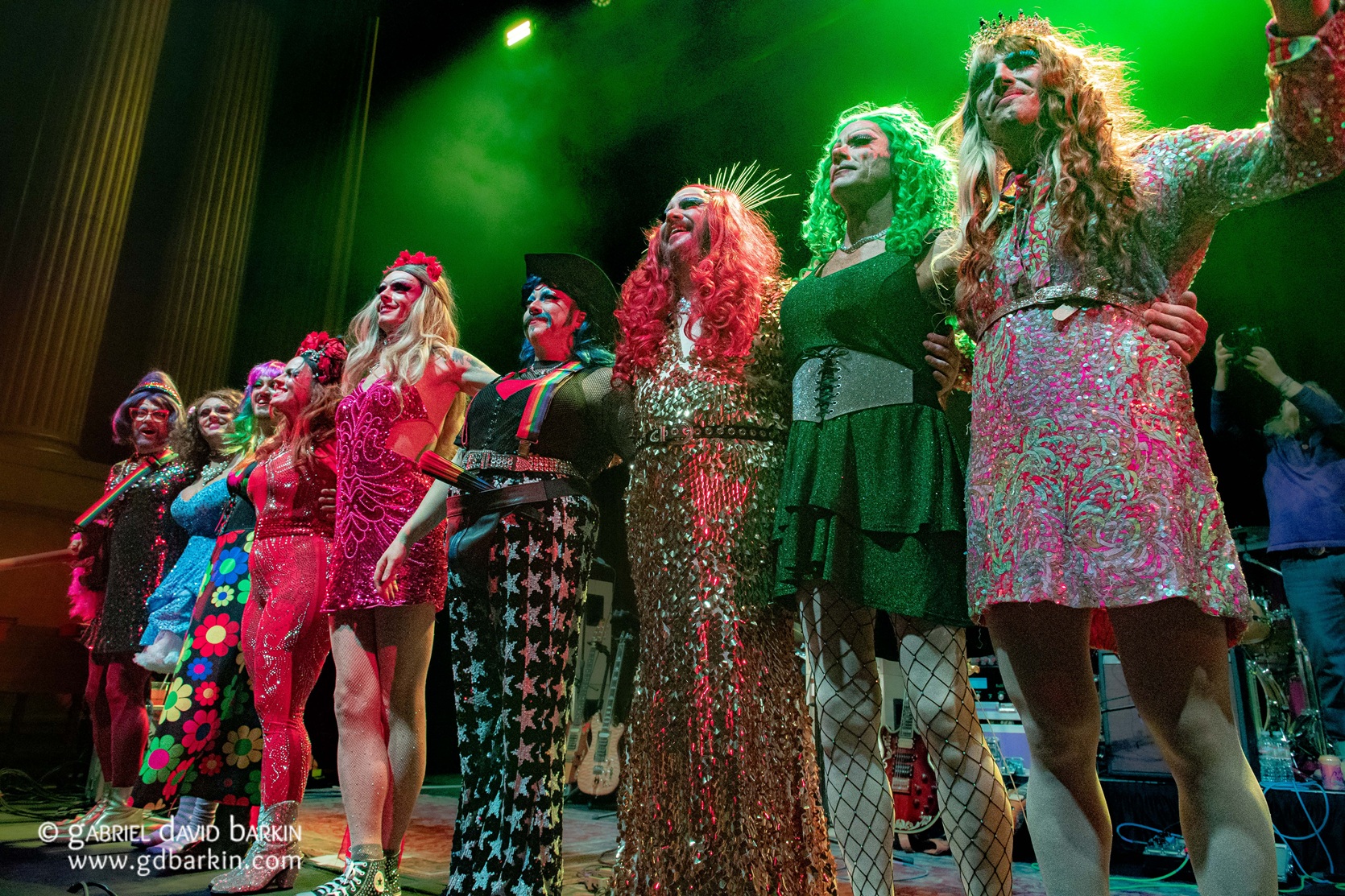
Caitlin Doyle: [When asked who her dream guest would be.] John Mayer. I mean, hands down.
CHAPTER 11. “FARE YOU WELL, MY HONEY”
Any final thoughts?
Thomas Bryan Eaton: I very much hope there’s a BERTHA in five years. I feel like we’re really just getting started, even though it was a quick off-to-the-races kind of thing. Obviously, getting some more butts in the seats helps make everything move a little better.
This is a lot of work for all of us. And it’s rewarding in a lot of ways. [But] as much success as we’ve had, which I’m incredibly grateful for and surprised by in a lot of ways, we’re still kind of under the radar, especially in the Dead world.
Mike Wheeler: None of us thought it was going to take off the way that it did. It all happened pretty quickly. We’re just doing our best to keep the drag dial[ed], the tunes dial[ed], and adding more songs to the repertoire, and, I don’t know, keeping it a safe environment and a joyful environment.
For tour dates and more information about BERTHA: Grateful Drag (including the full version of the time machine / lab experiment version of the band’s inception), visit https://www.gratefuldrag.com/