Article Contributed by Russell Levine
Published on 2026-04-19
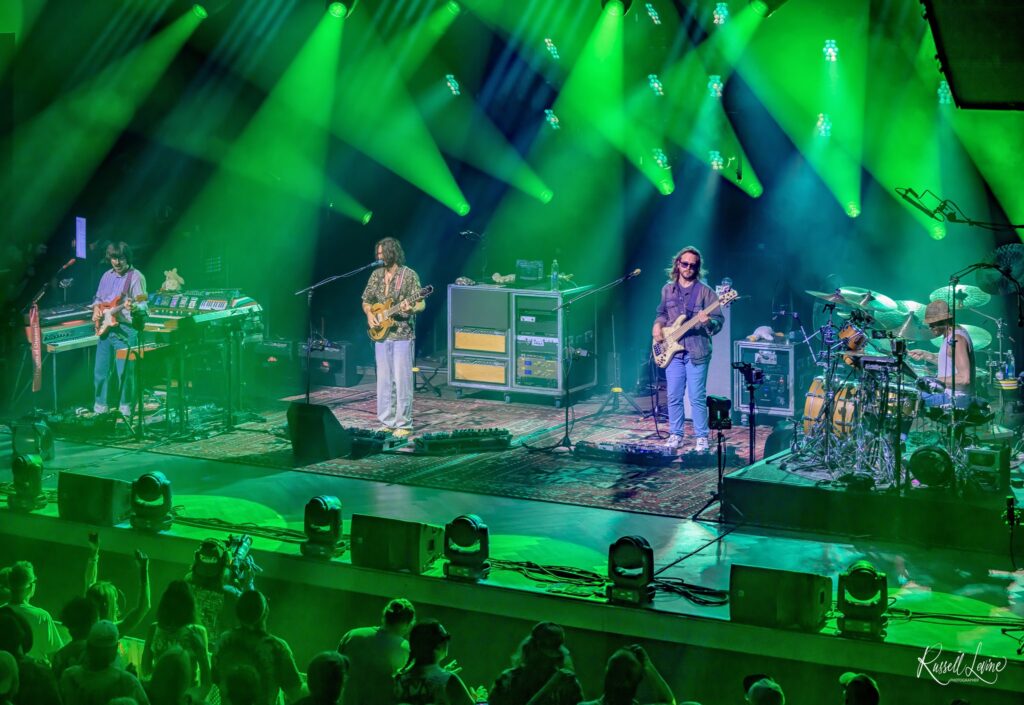
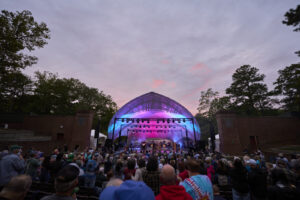
Goose | Fort Lauderdale. Florida | April 14th, 2026 - photos by Russell Levine
I walked into the War Memorial Auditorium on Tuesday night expecting a story.
Not a clean one—but something that moved forward, built up, paid off.
That’s not what Goose gave me.
By the end of the night, it felt less like a concert and more like I’d stepped into something already in motion—something that had no interest in resolving itself just because we were there to witness it.
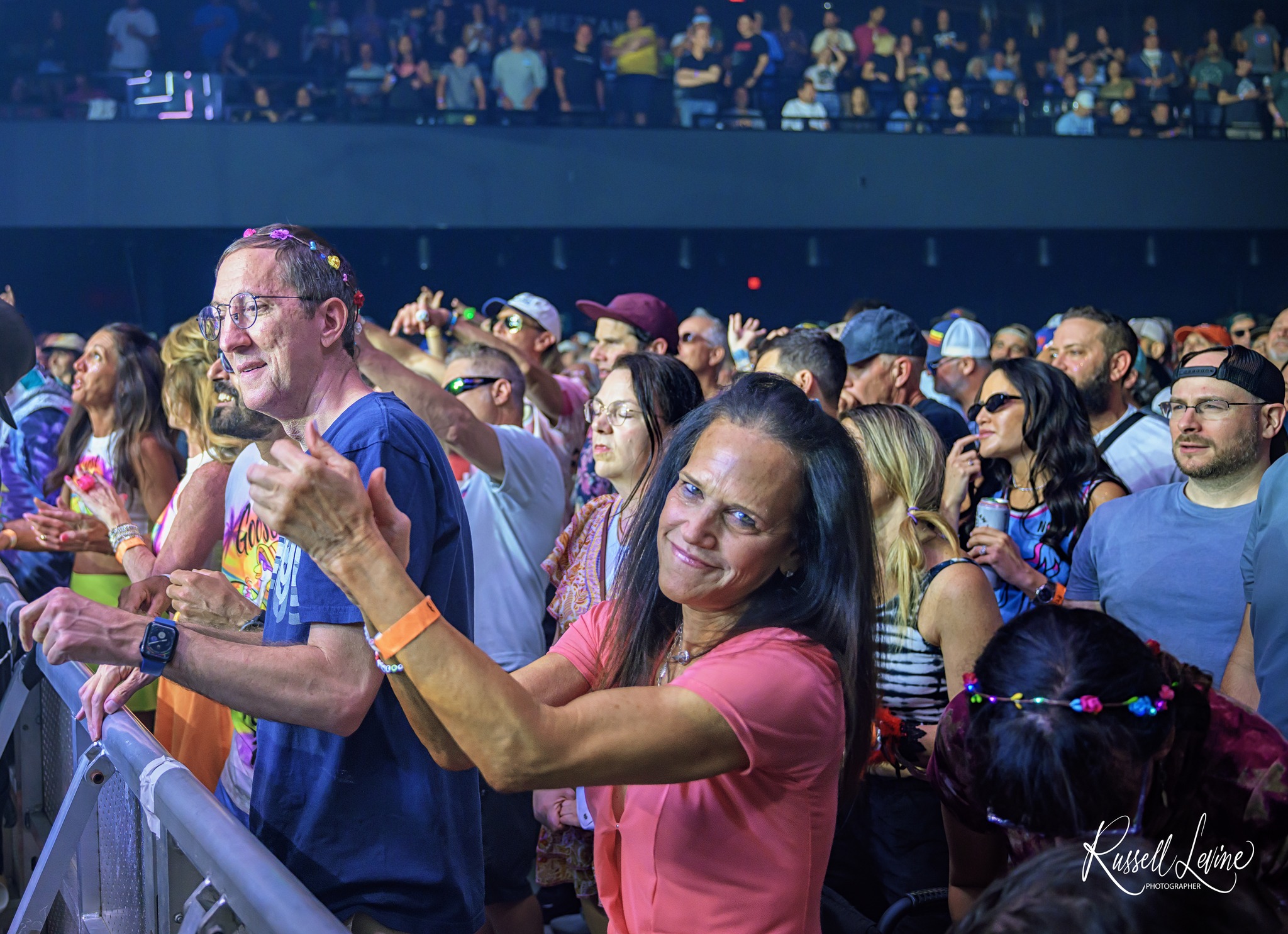
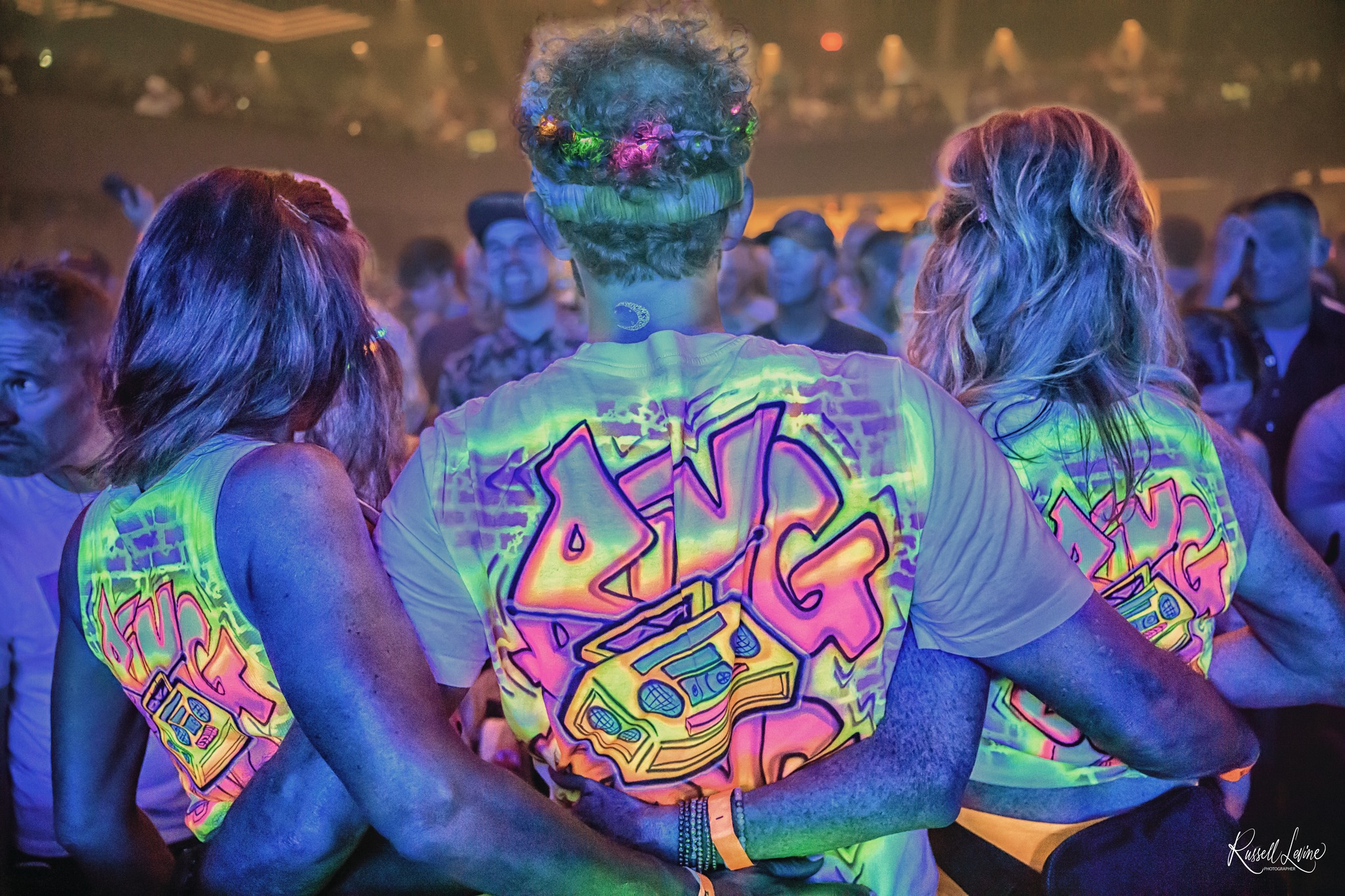
Time to Flee didn’t open the show so much as hover. No surge, no release—just a low, steady pulse that refused to tip its hand. I kept waiting for the lift. It never came.
By Turbulence & The Night Rays and Hot Love & The Lazy Poet, the pattern was clear: this wasn’t about peaks. It was about pressure. Sustained, deliberate, just uncomfortable enough to keep you leaning in.
Then Mas Que Nada slipped through and loosened the room for a minute—shoulders dropped, people swayed, a flicker of relief.
Gone just as fast.
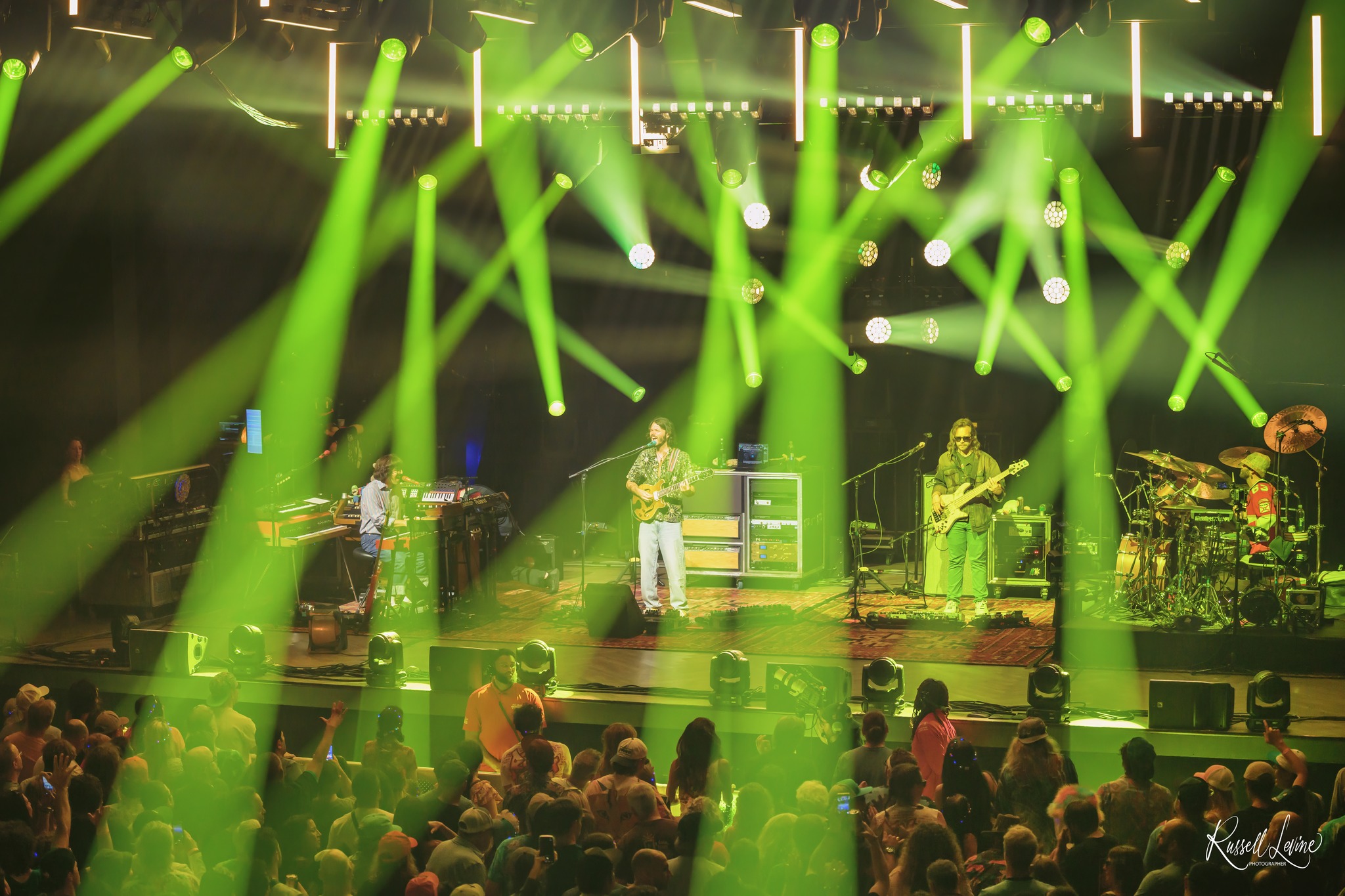
Silver Rising felt suspended. Your Ocean came back altered—familiar, but not stable. Not a throwback. A rewrite. In that moment it clicked: these songs aren’t fixed anymore. They’re being rebuilt on the fly.
Around me, people weren’t erupting—they were exchanging looks. Half-smiles, raised eyebrows. That quiet, shared realization that something different was happening.
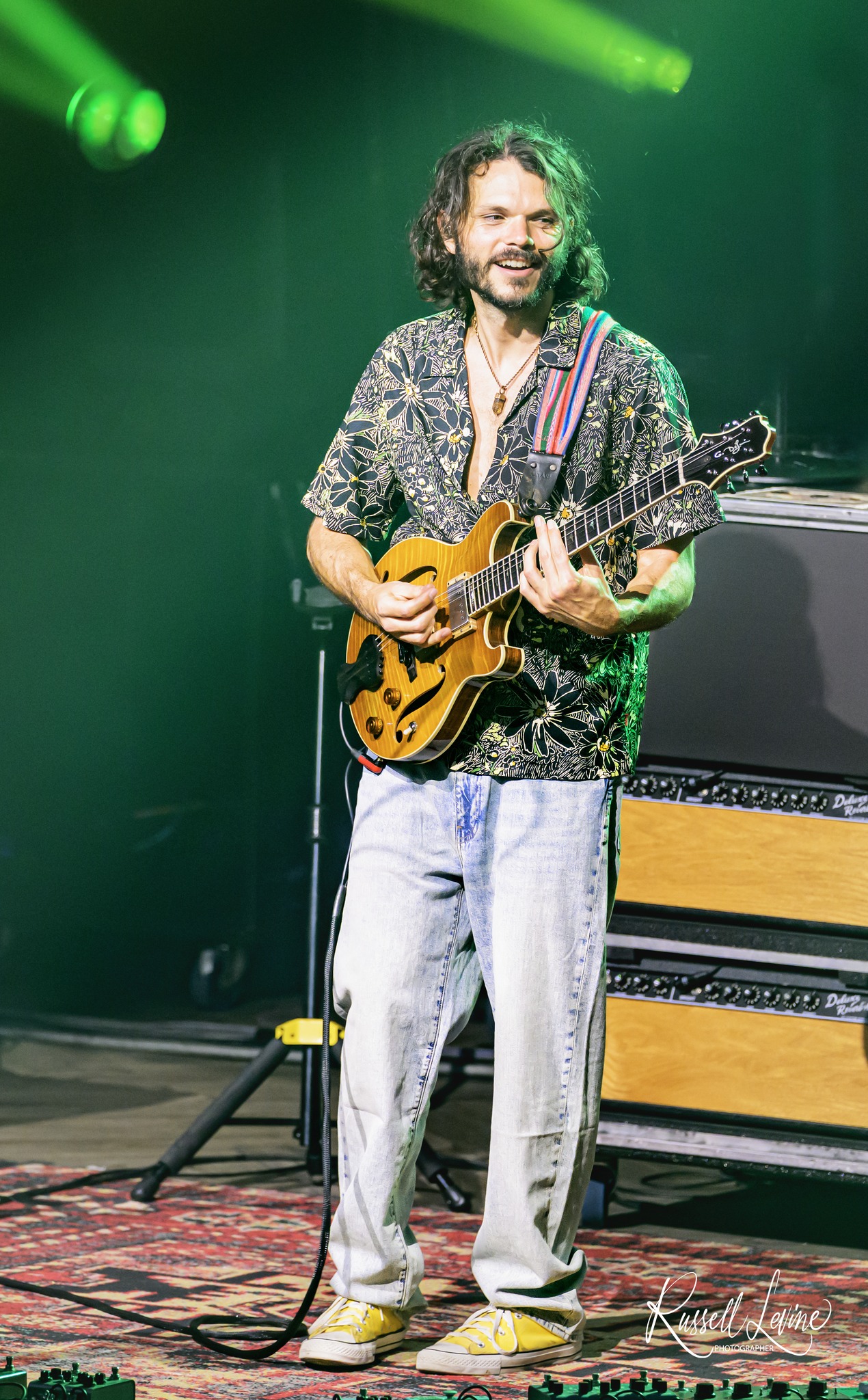
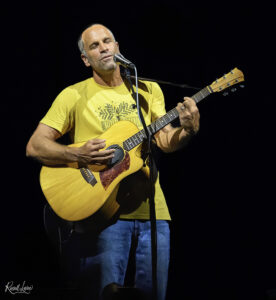
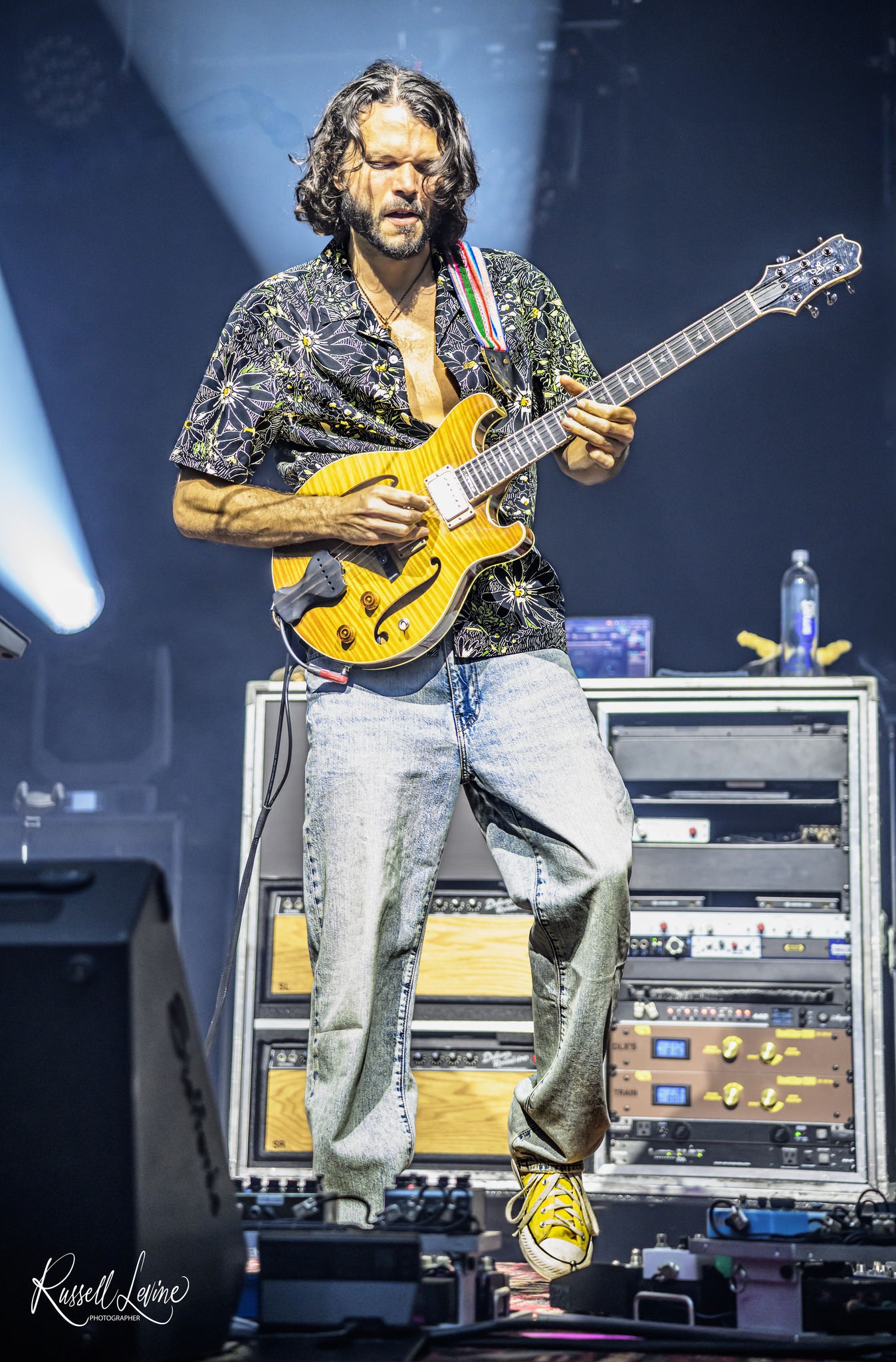
Rick Mitarotonda played like he was testing the weight of every note. Letting phrases hang a second too long. In Feel It Now, a familiar idea flickered—maybe Fish in the Sea—but it slipped away before it could land.
Nothing fully arrived.
Set one didn’t end. It just stopped asking.
Set two pressed harder.
Echo of a Rose locked into a dark, circular groove and refused to break. I waited for the explosion. Everyone did.
It never came.
And somewhere in the middle of it, the expectation itself dropped away. The tension wasn’t building toward anything—it was the point.
You could feel it settle into the room. Not release—acceptance.
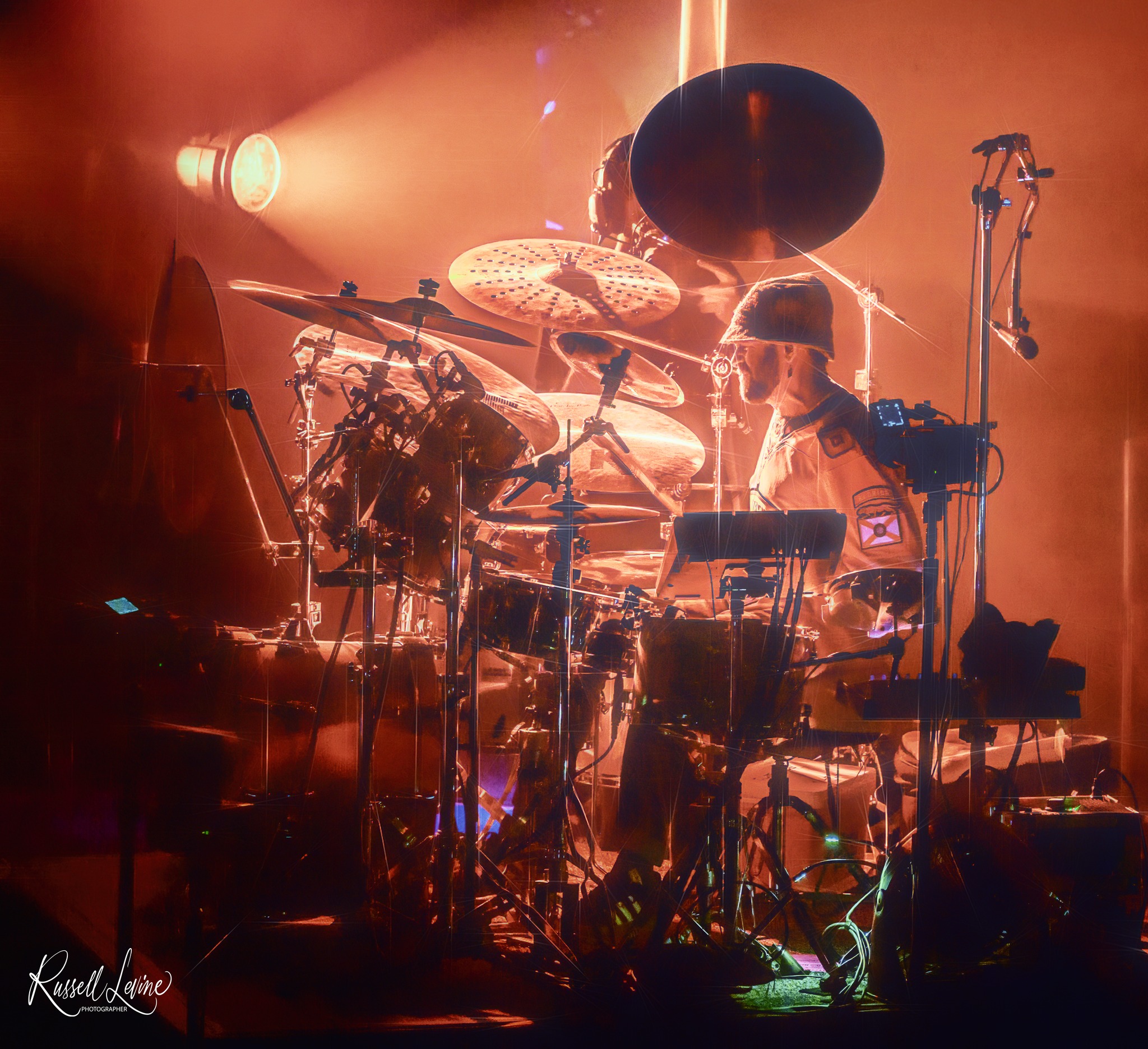
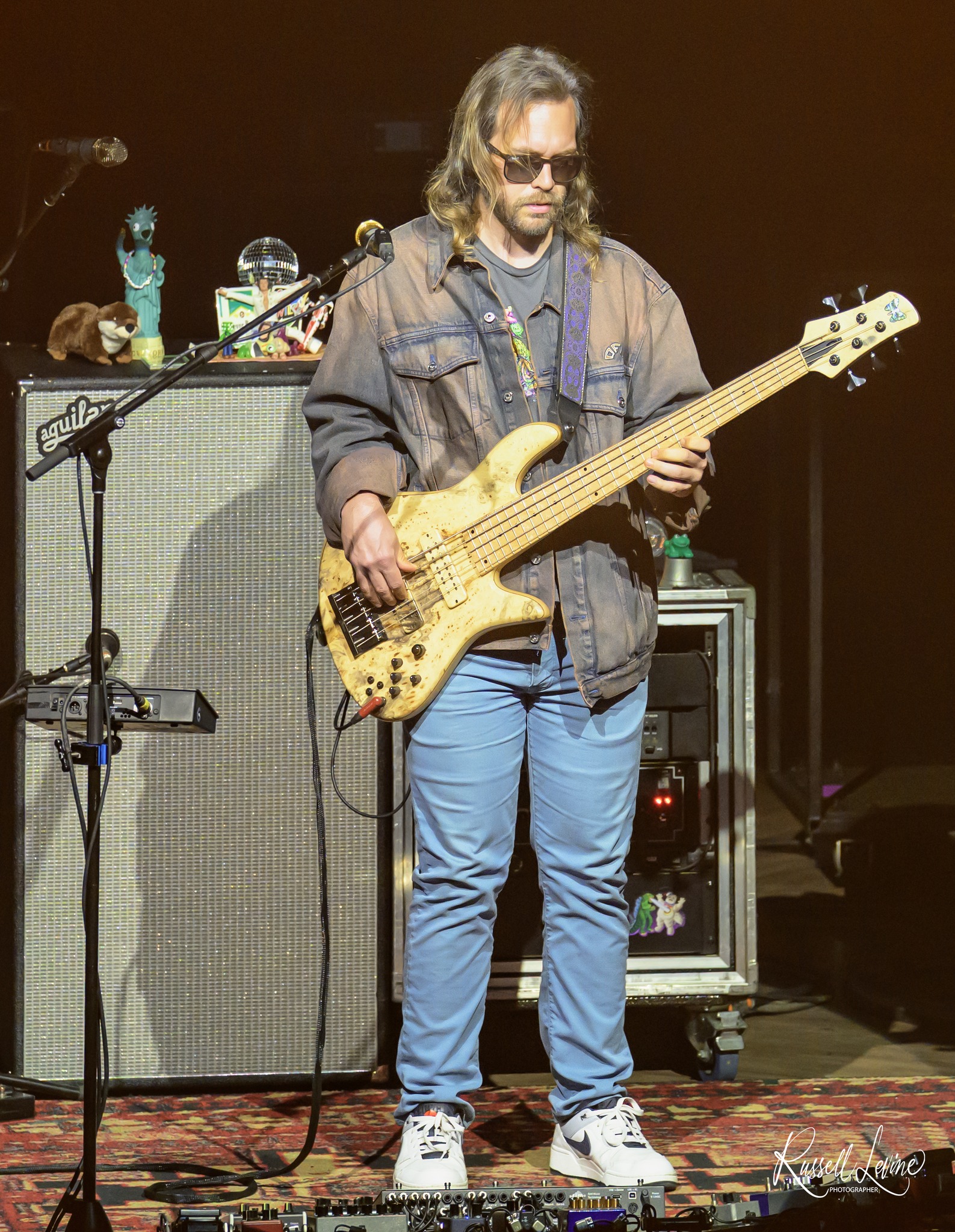
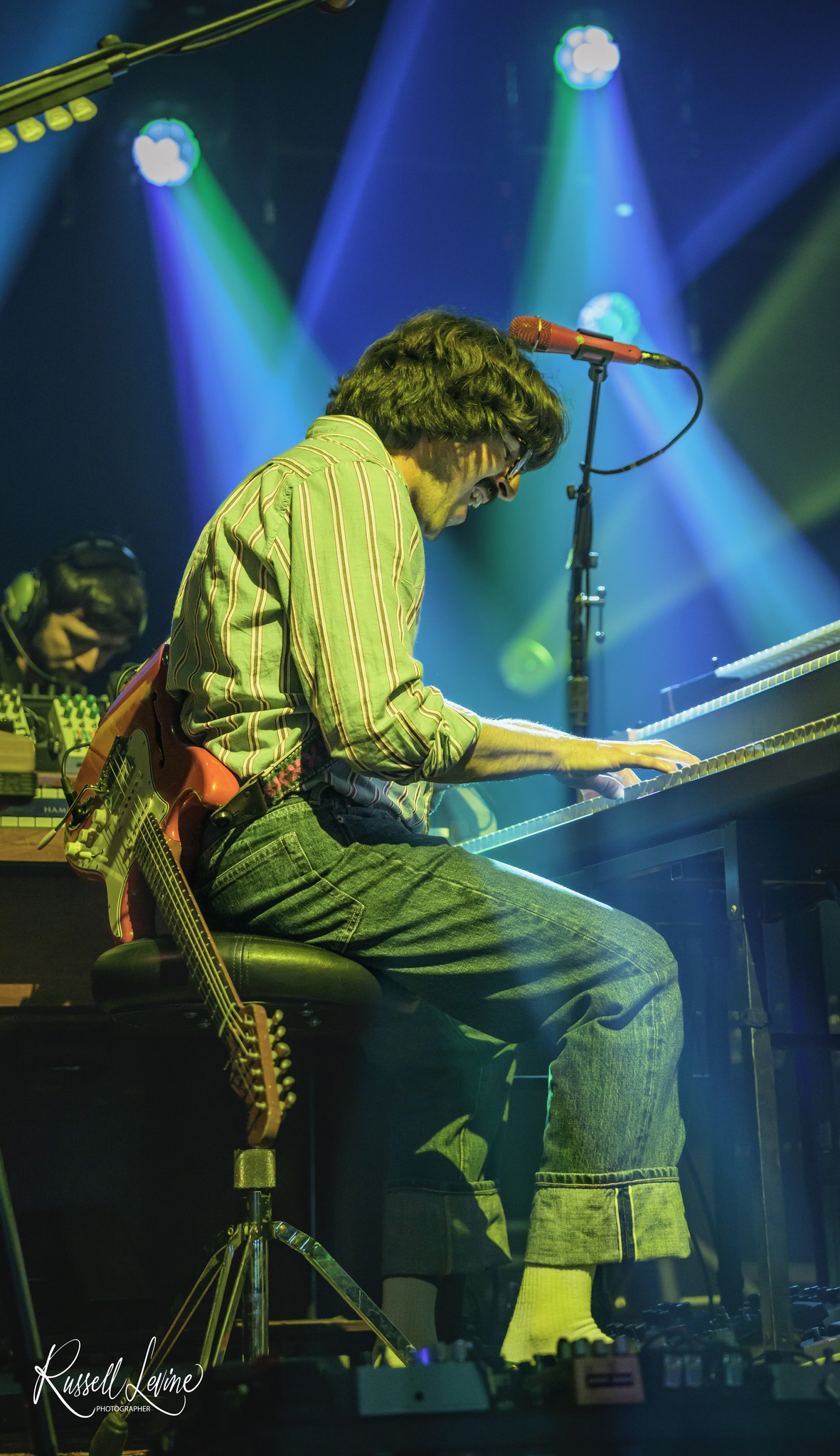
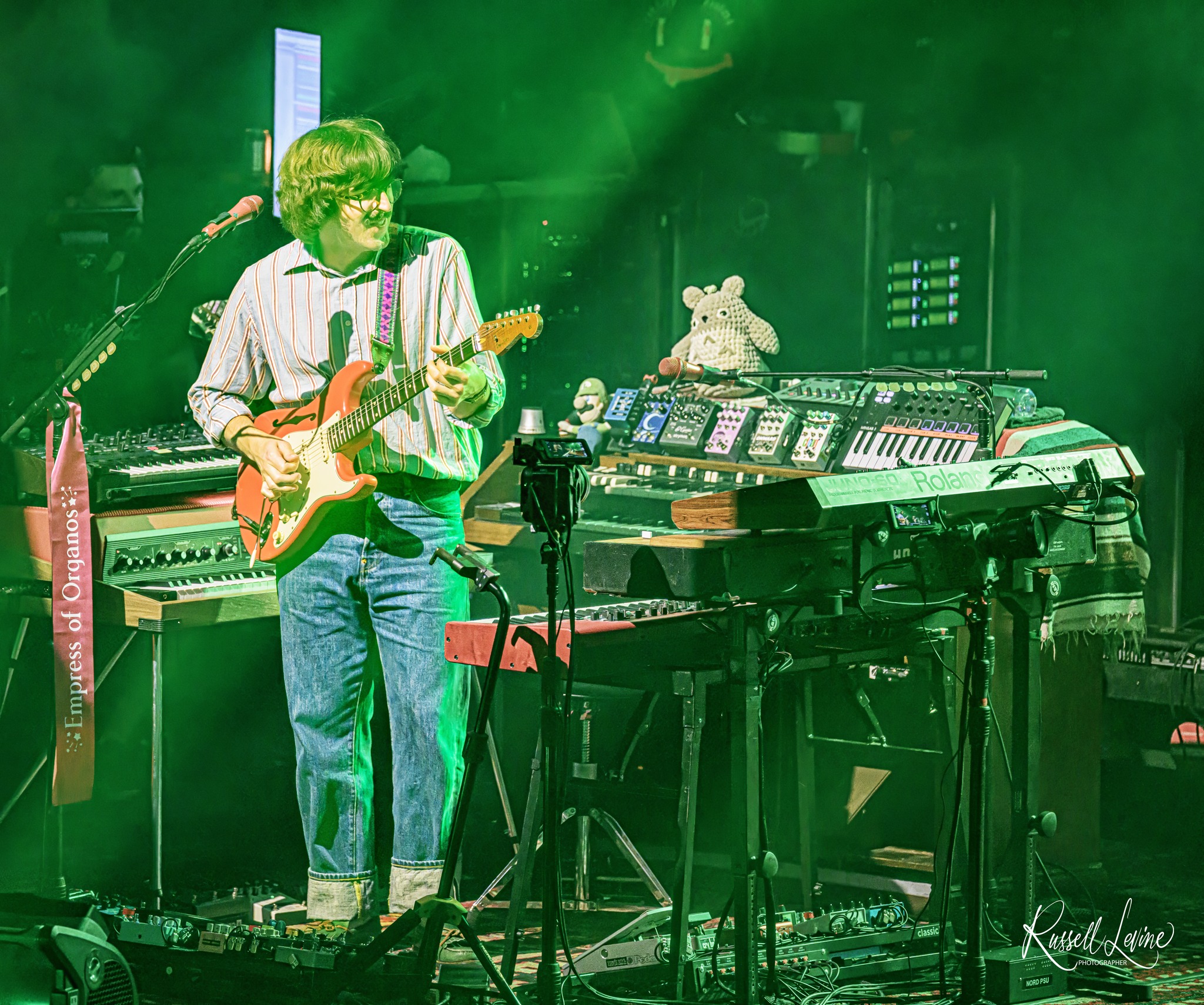
Cotter Ellis kept everything contained, almost restrained. Trevor Weekz circled tight bass patterns that felt less like movement and more like gravity. Peter Anspach turned empty space into atmosphere—synths drifting, organ swelling, nothing wasted.
And Mitarotonda kept pushing forward, like he was daring the band to crack.
They didn’t.
Please Forgive Me landed soft but exposed. Not relief—just a shift in weight.
From there, the set unraveled with intent. Interlude II flashed by. Jive I built speed and vanished before it could peak. Green River hit with something close to familiarity—warm, grounded—and for a split second it felt like the release had finally arrived.
It hadn’t.
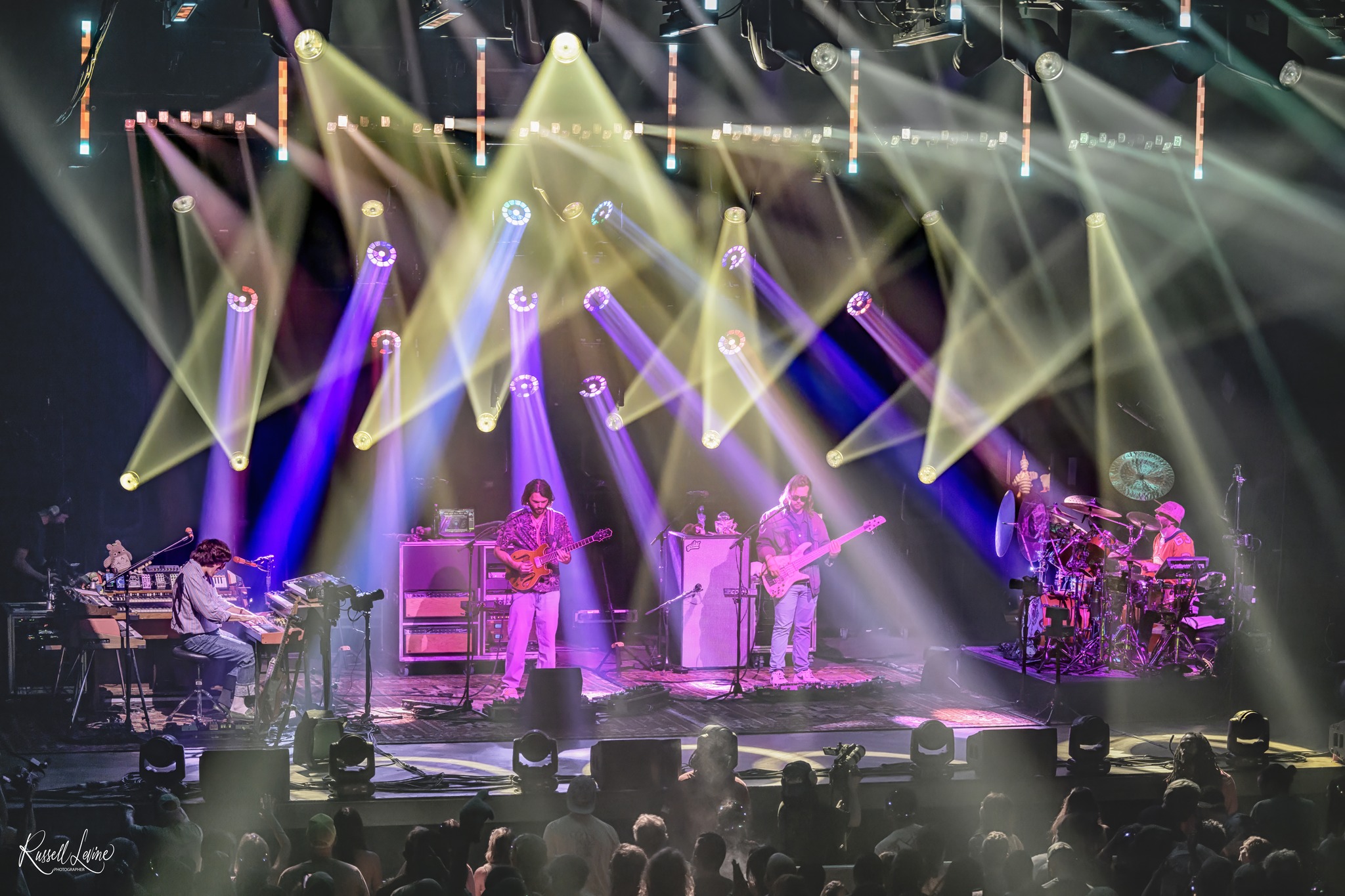
It slipped straight into Loose Ends and dissolved.
That stretch said everything. Not through excess—but through absence. Songs didn’t finish. They bled into each other, evaporated, reformed before you could name them.
No payoff. No clean landing.
And nobody seemed to mind.
By the time Loose Ends drifted through, it felt less like a title and more like a statement of intent.
Then, almost as a joke, they came back with How It Ends.
It didn’t.
But here’s the thing—it didn’t need to.
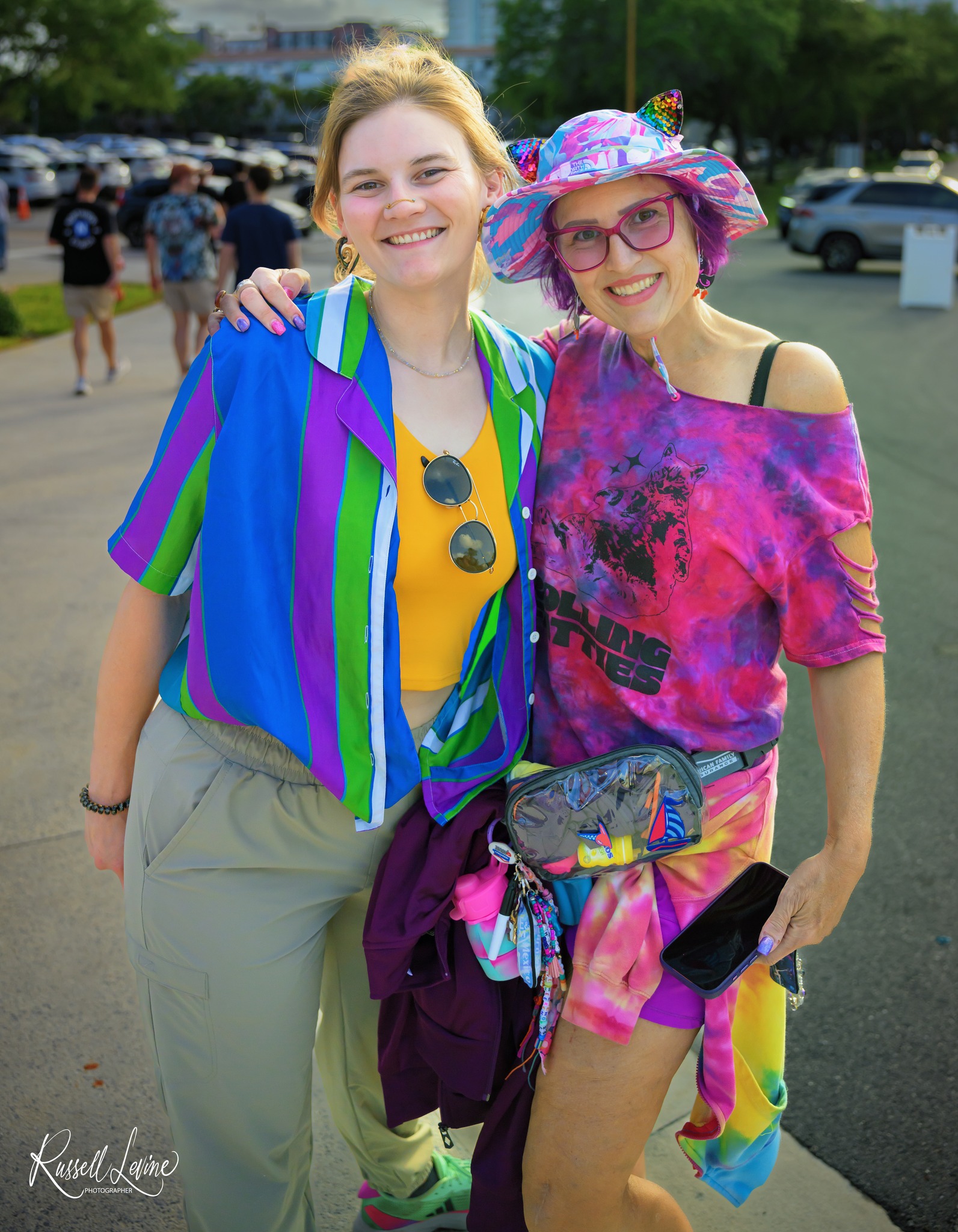
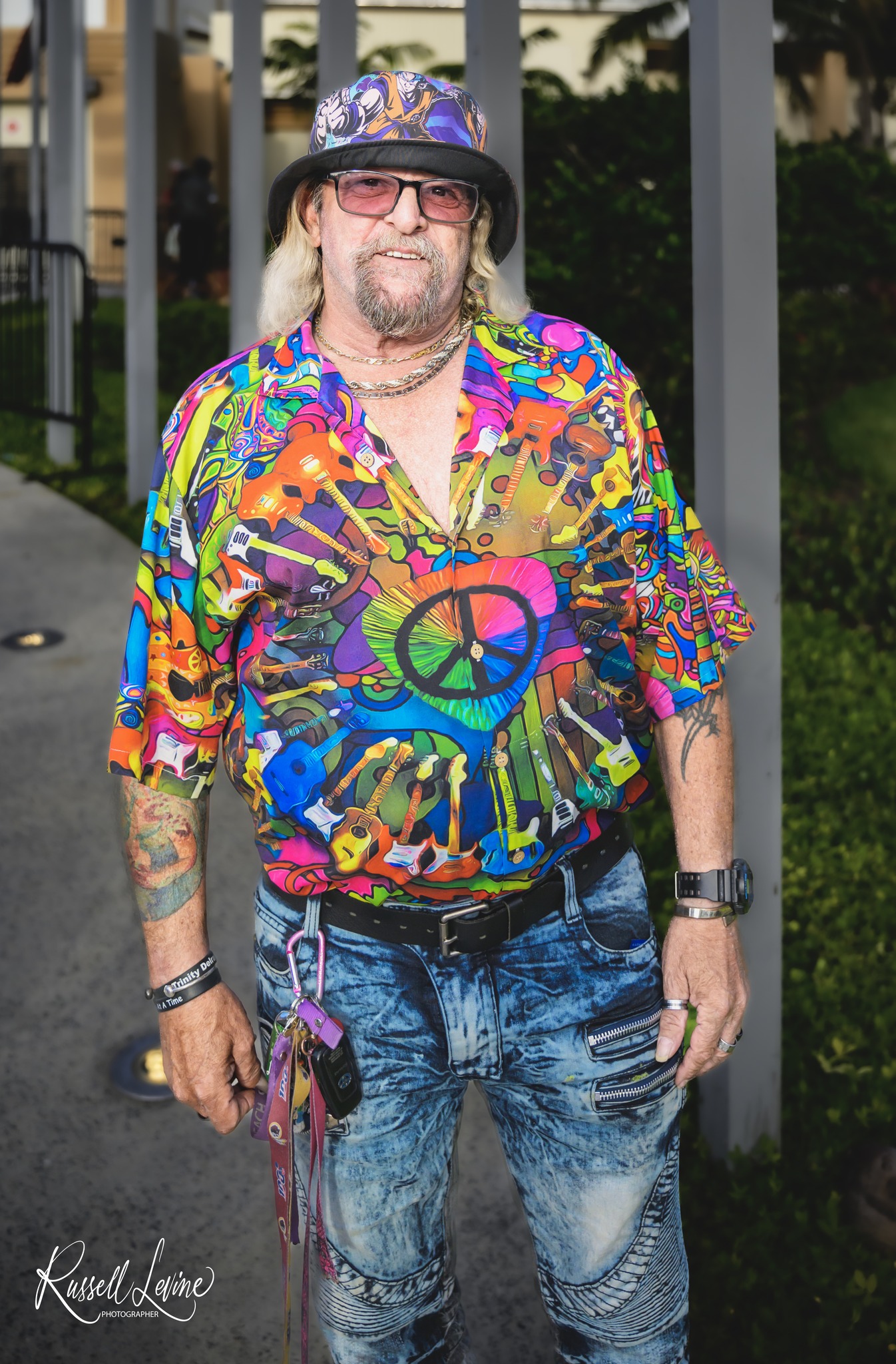
Walking out into the South Florida night, the air wasn’t quiet—it was buzzing. Not the usual post-show chatter about biggest jams or clean peaks. This was different. People were wide-eyed, talking fast, trying to piece it together and mostly failing—in the best way.
You could feel it: they knew they’d just seen something powerful. Not tidy. Not predictable. But outstanding—an epic slow burn that traded easy release for something deeper and more lasting.
I came in expecting a story.
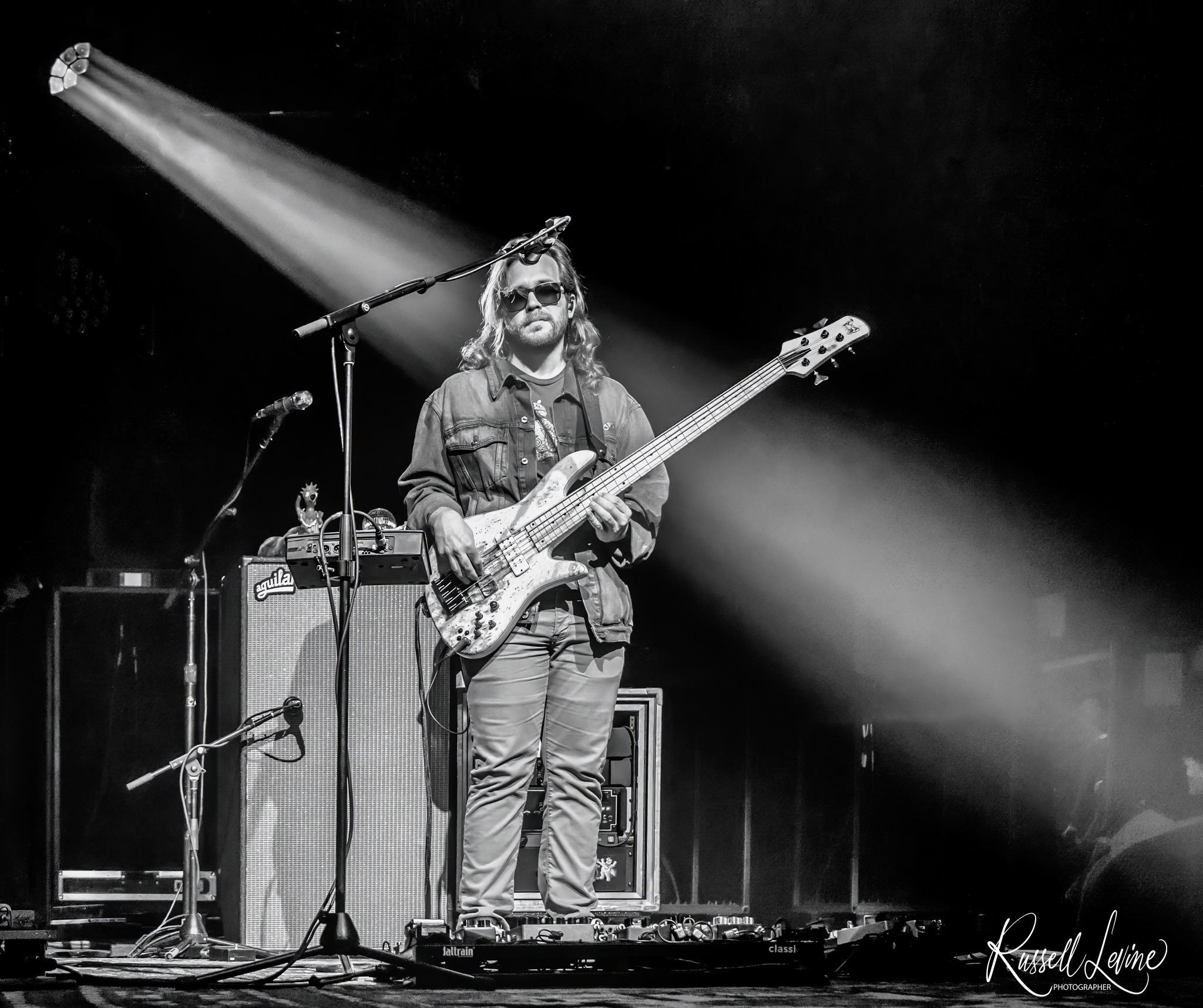
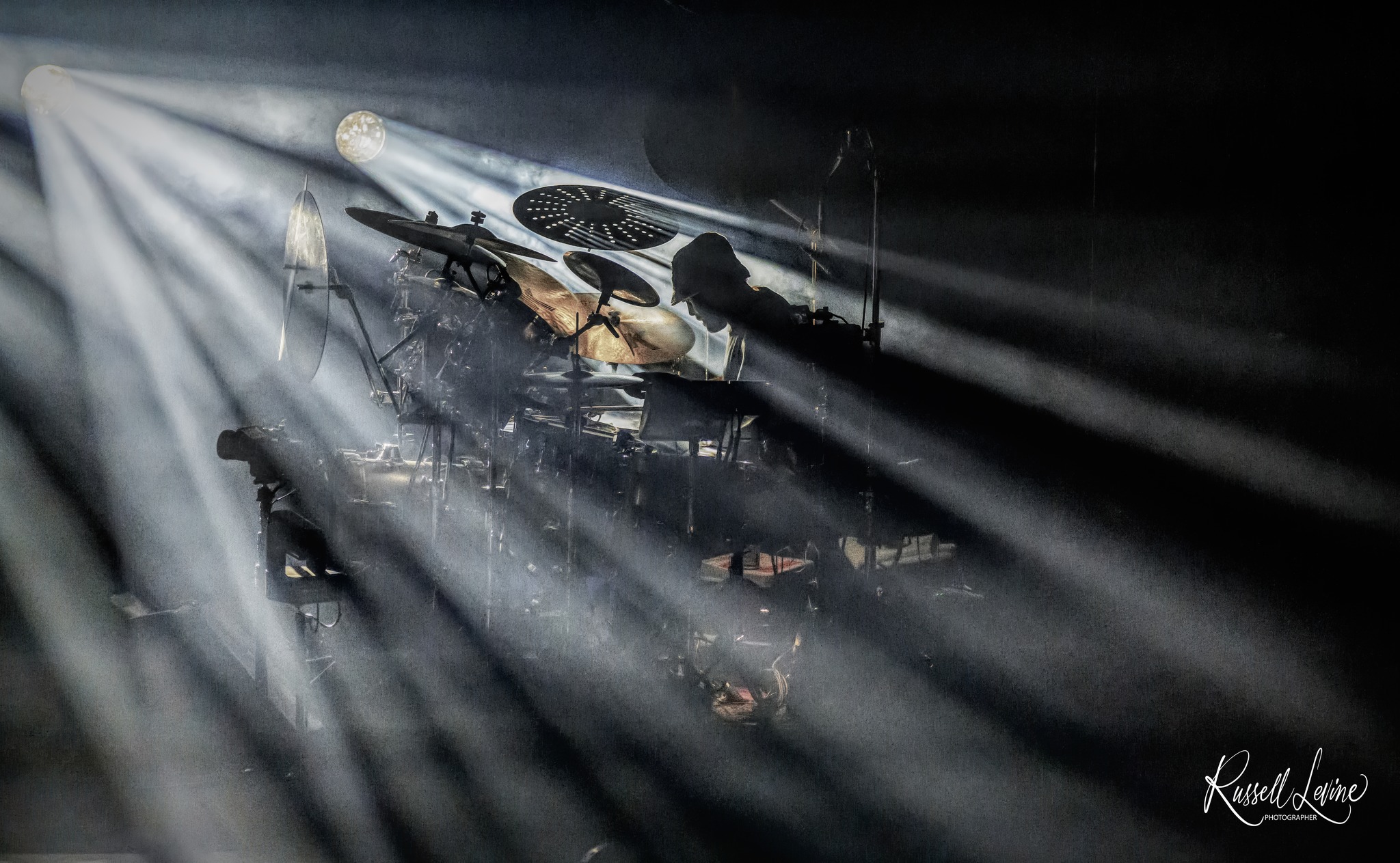
What I got was something unfinished—loud in its restraint, deliberate in its refusal, and somehow bigger because of it.
And judging by the energy spilling out into the Fort Lauderdale night, nobody was looking for closure.
They were already chasing night two.
Russell Levine is a photographer and writer covering live music for Grateful Web. He has been documenting the jam band world and its community for years, camera in hand and a few decades of Dead shows in his bones.