Article Contributed by L. Paul Mann
Published on 2026-06-22
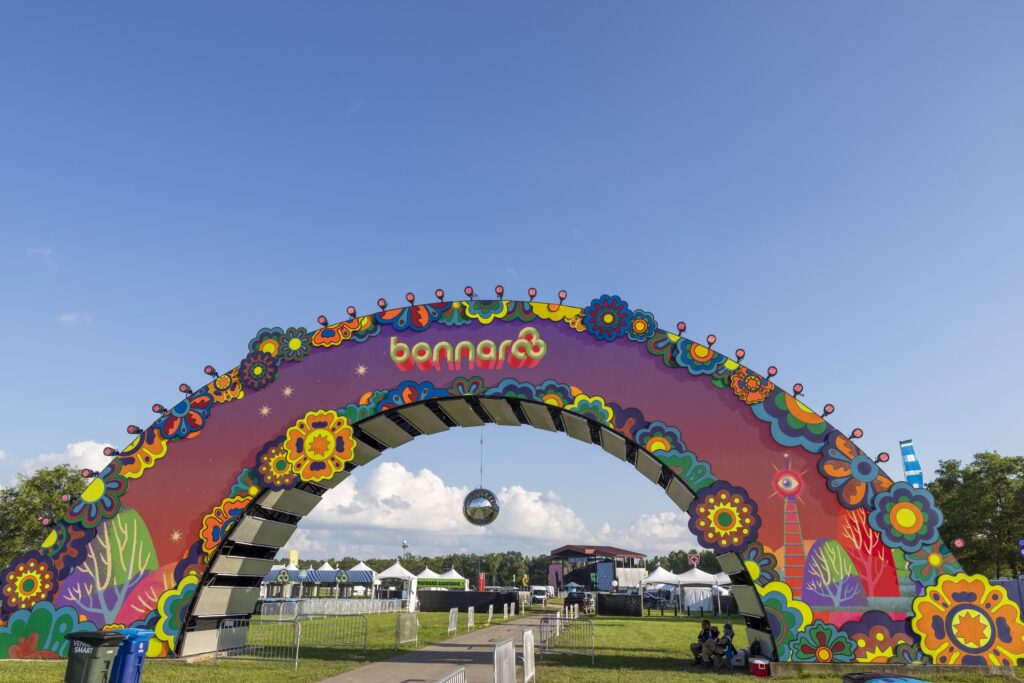
Bonnaroo 2026 -- day 1 - photos by L. Paul Mann
After the devastating torrential washouts that prematurely ended the 2025 festival, there was an undeniable, anxious electricity hanging over Great Stage Park as the gates reopened for Bonnaroo 2026.
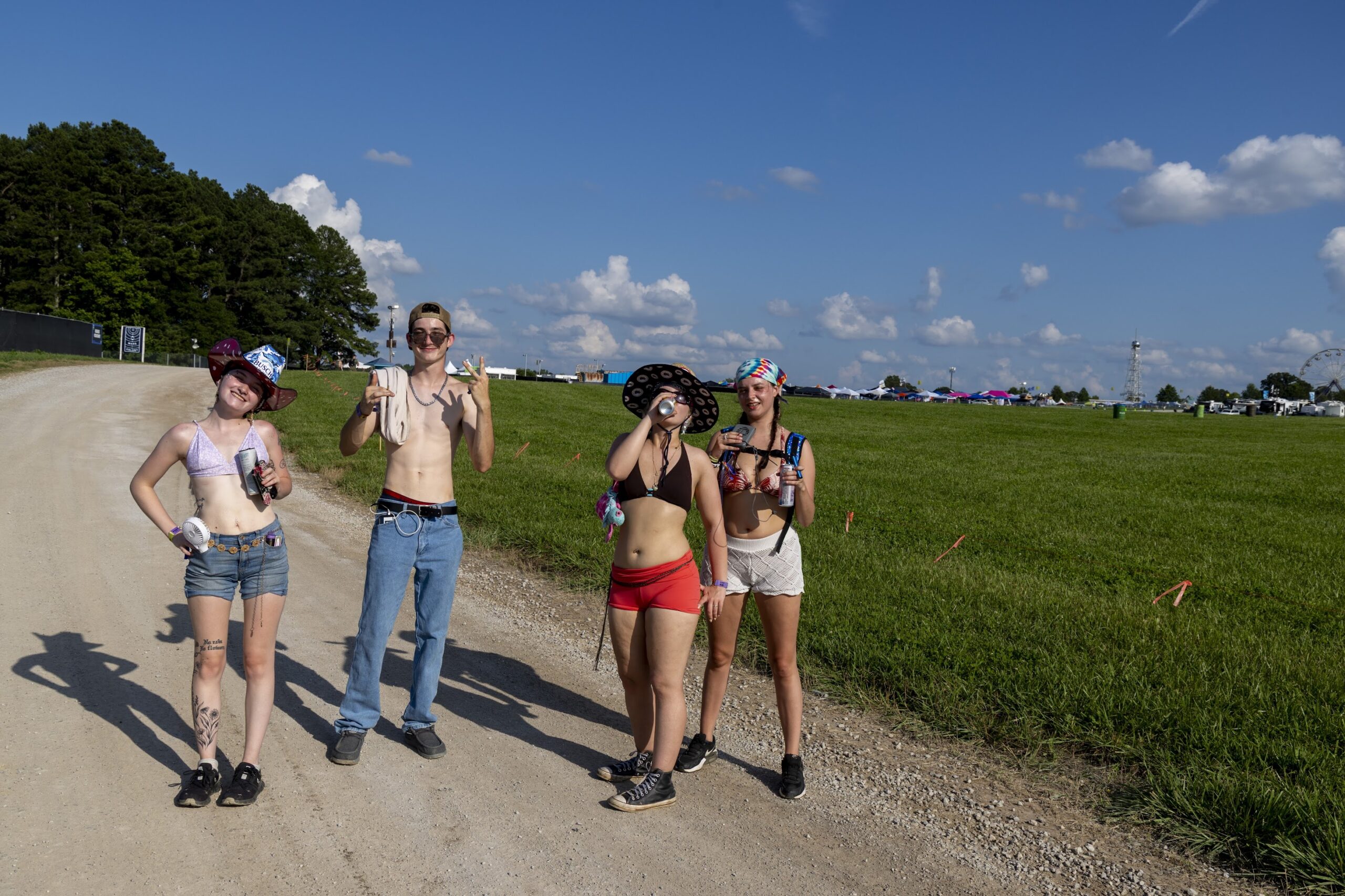
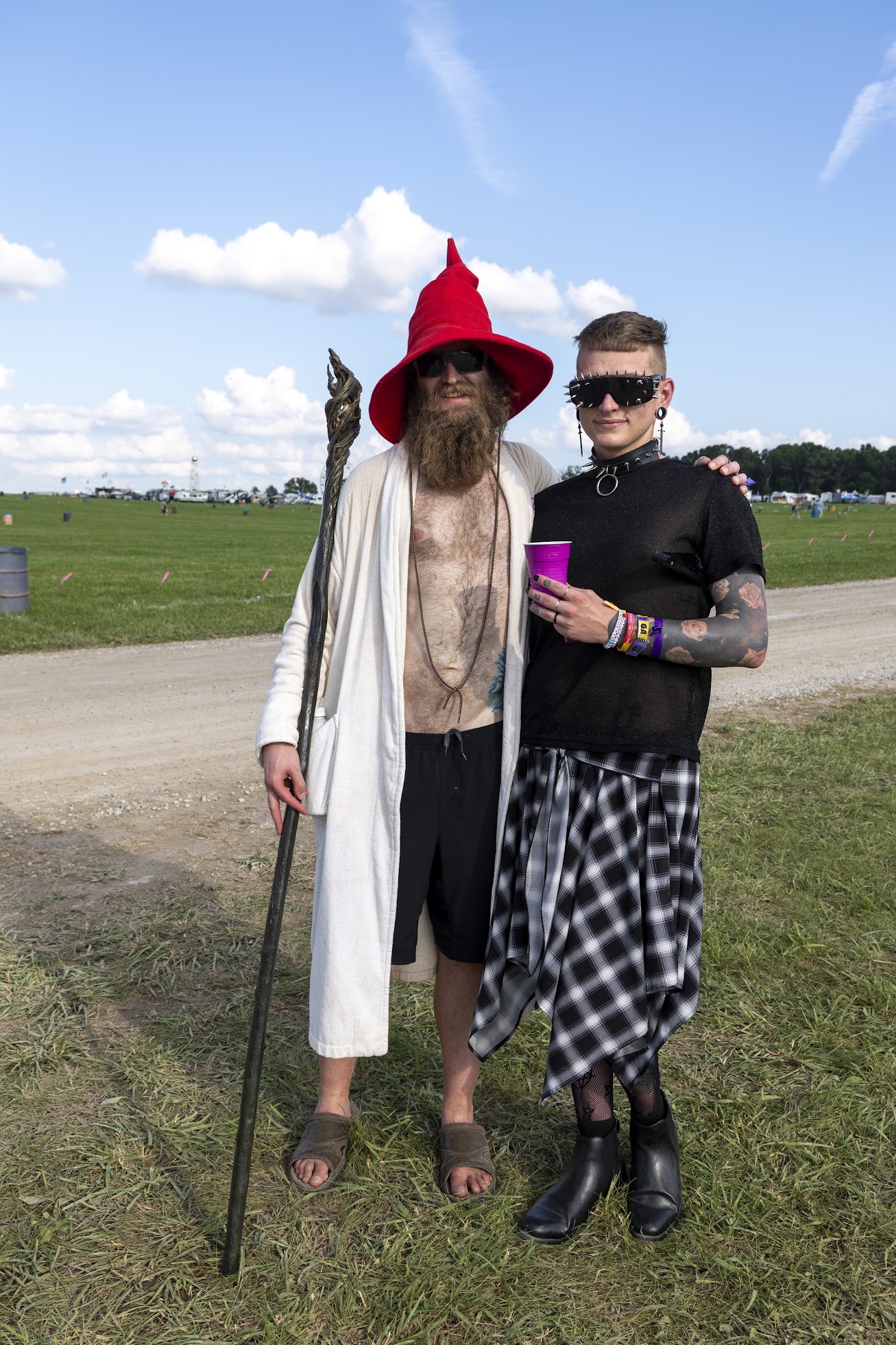
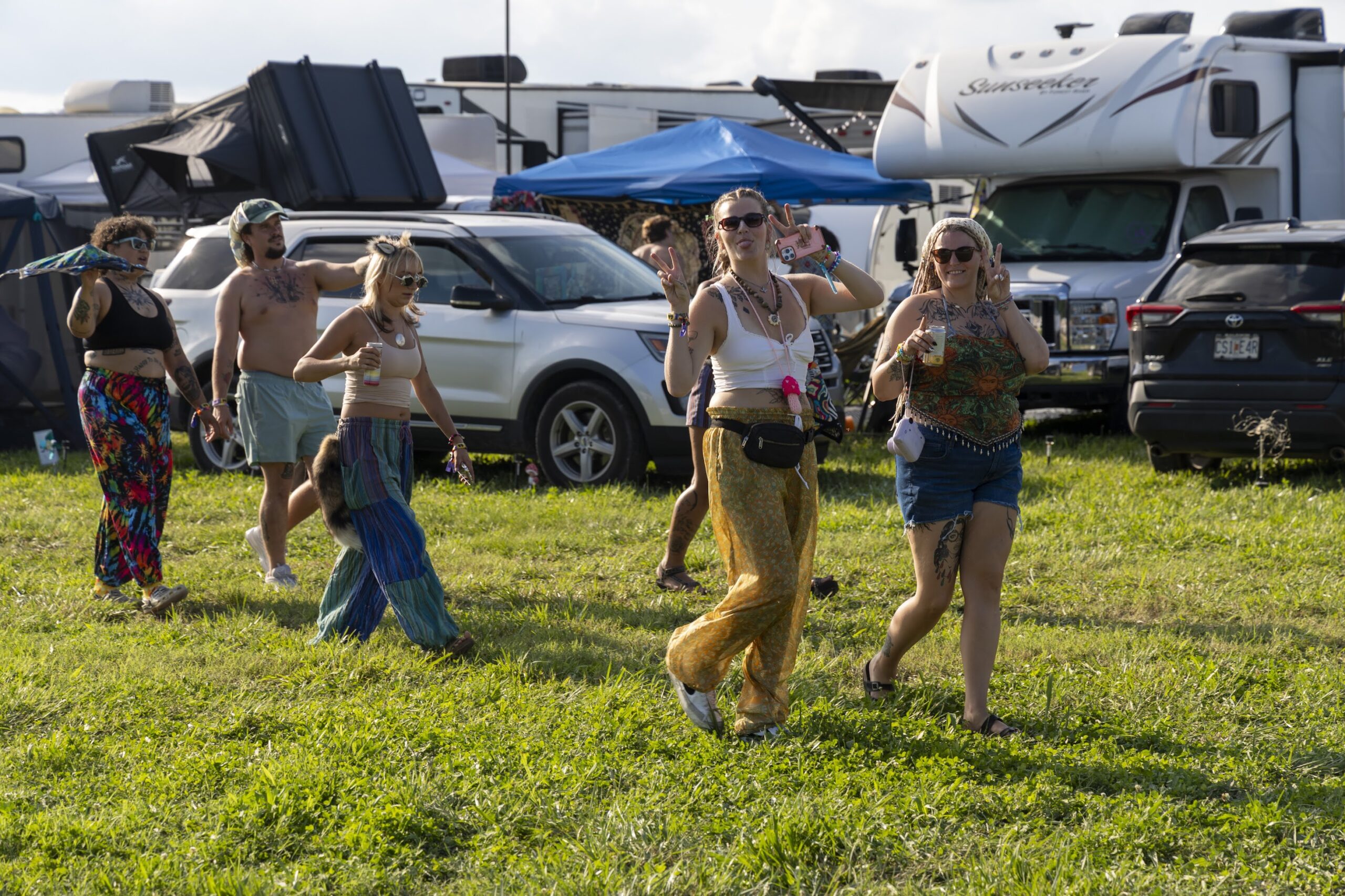
Organizers spent the off-season radically rethinking The Farm’s blueprint, investing millions in an extensive overhaul that included elevated gravel access roads, advanced drainage networks, and reseeding of parking and camping areas to strengthen water resilience and attendee safety. What arrived on opening day, Thursday, June 11, was a leaner, highly focused machine—one that proved its resilience when a massive power outage threatened to stall its comeback momentum.
The Calm Before the Bass: Wednesday Campground Arrivals
The change in energy actually began 24 hours earlier. In a bid to stop the historically brutal bottleneck traffic on Interstate 24, Bonnaroo officially shifted early camping entry to Wednesday.
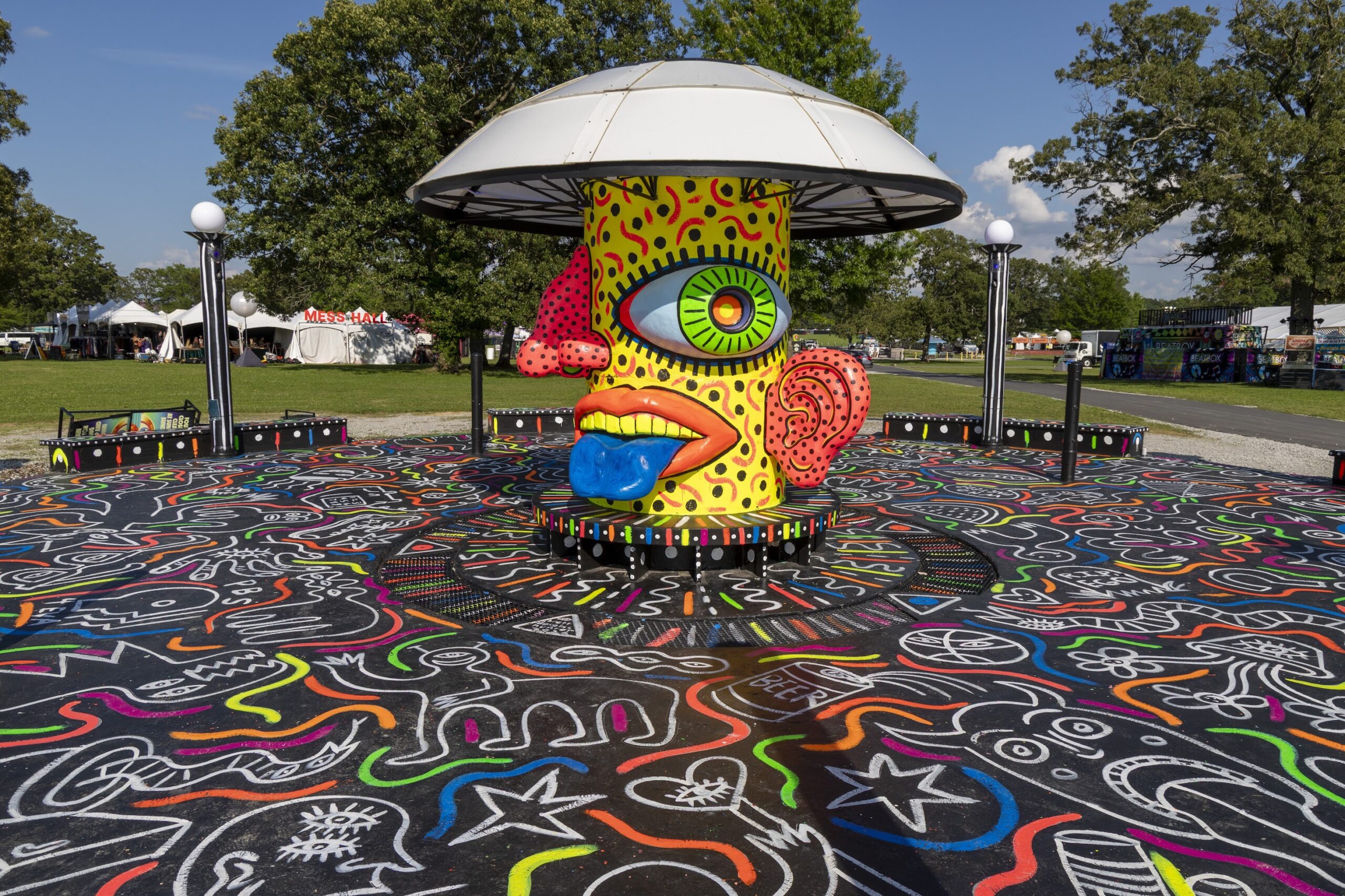
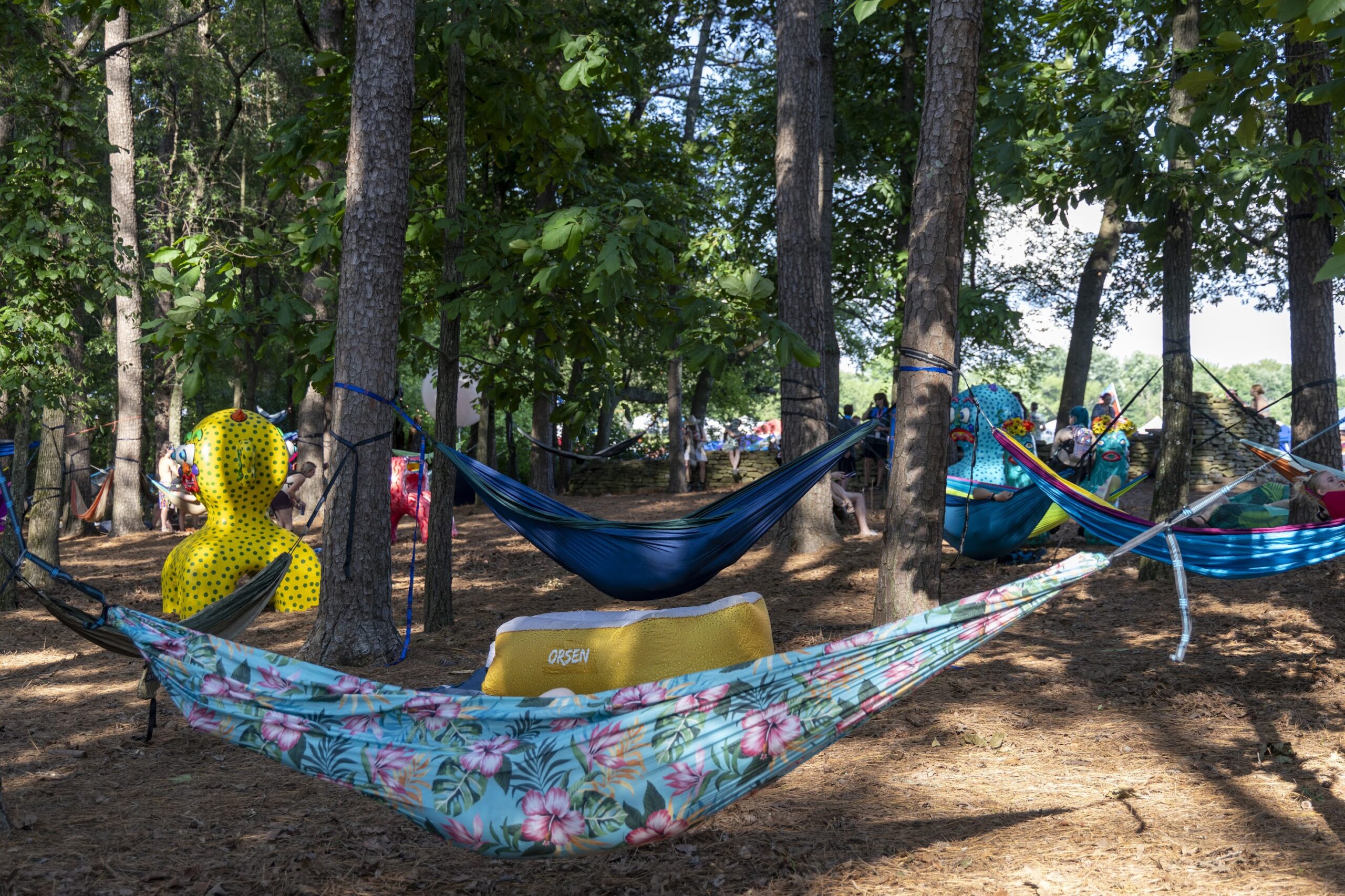

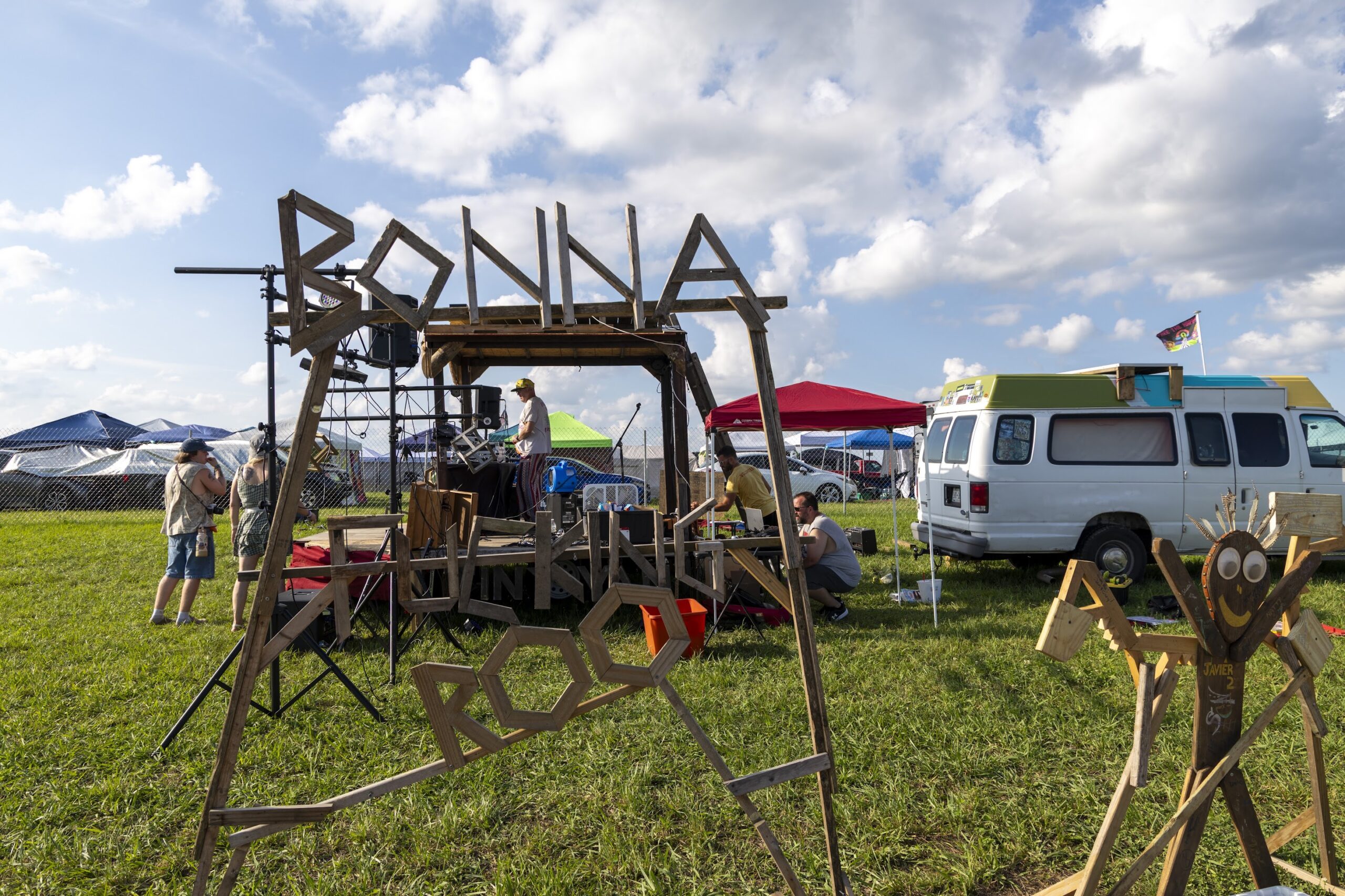
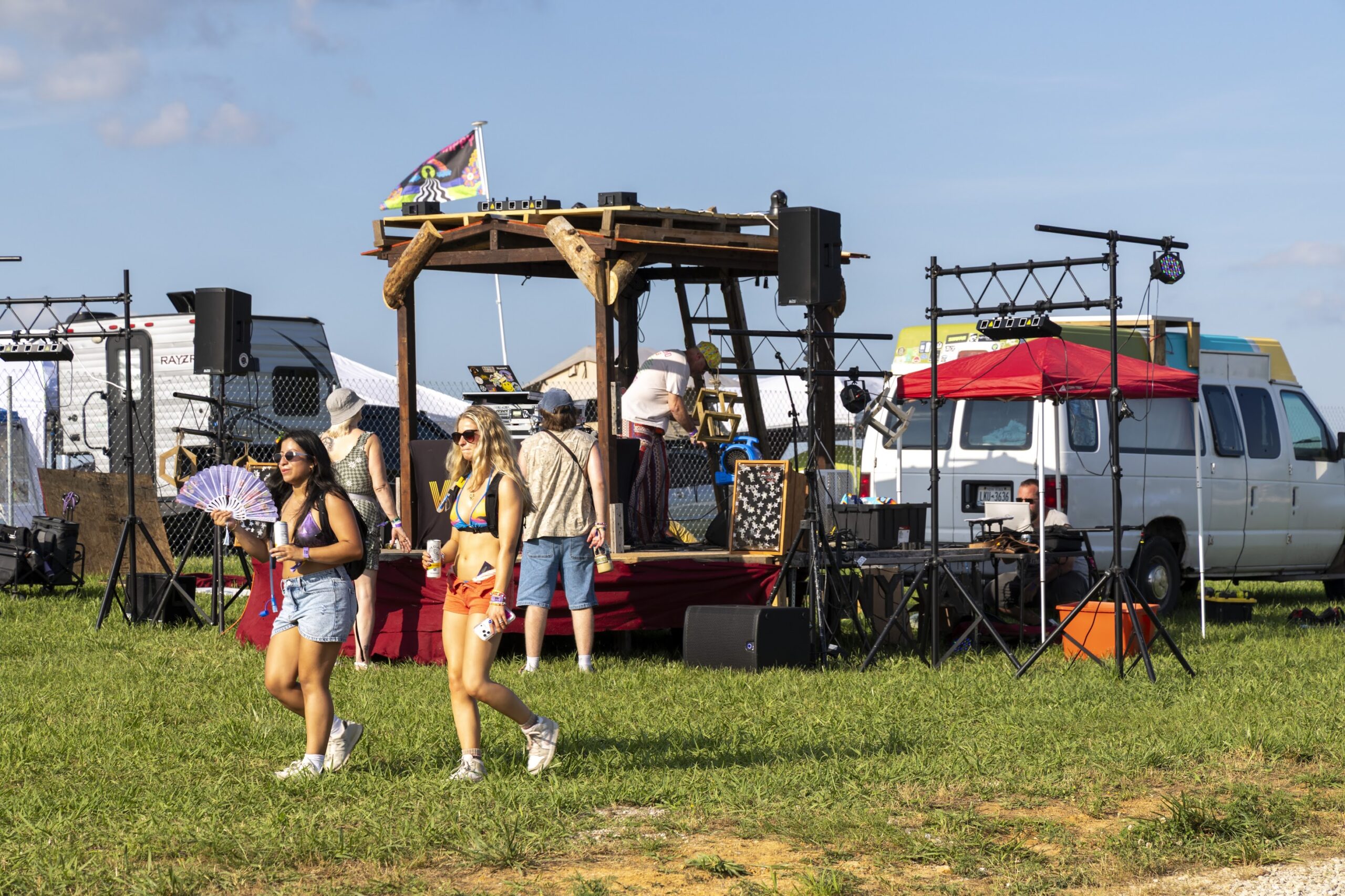
Arriving a day early felt less like a logistical hurdle and more like a massive, sprawling family reunion. The traditional pre-festival anxiety was replaced by a relaxed, sunny afternoon of setting up camp and catching up with neighboring campsites. Without the immediate pressure of catching a Centeroo set, Wednesday night became an impromptu, acoustic-heavy celebration across the campgrounds, setting a communal tone for the weekend ahead.
A Leaner, Meaner Blueprint: What Changed on The Farm
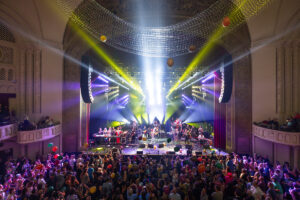
Stepping past the iconic Arch on Thursday afternoon, the physical transformations of the festival grounds were immediately apparent. Organizers notably scaled back the festival footprint this year, removing the low-lying, flood-prone campsites entirely. This naturally pulled down the ticket capacity cap, which felt less like a loss and more like a massive luxury. The tight, claustrophobic gridlock of years past was gone, replaced by what the festival promised would be “more dancing space.”
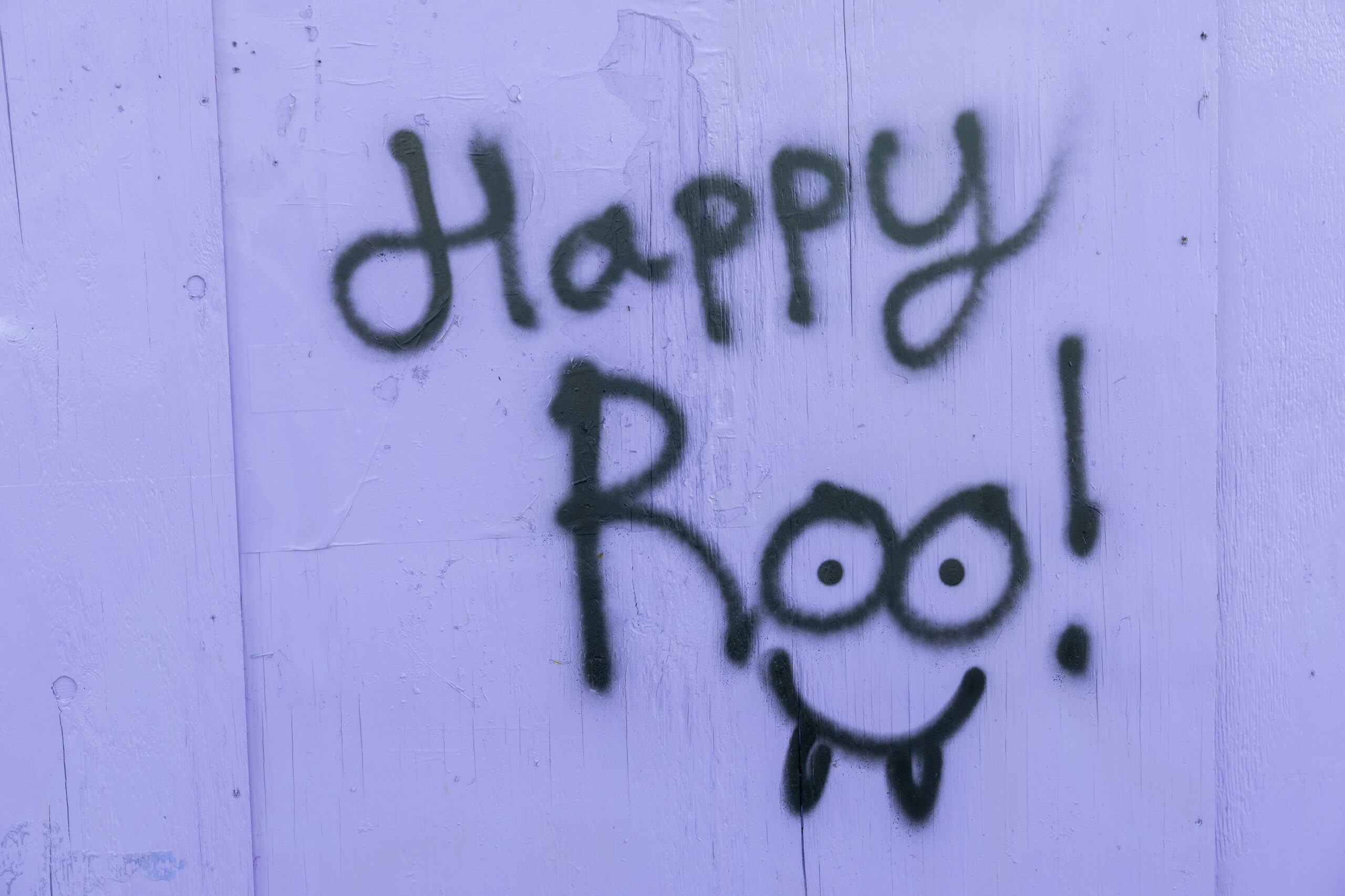
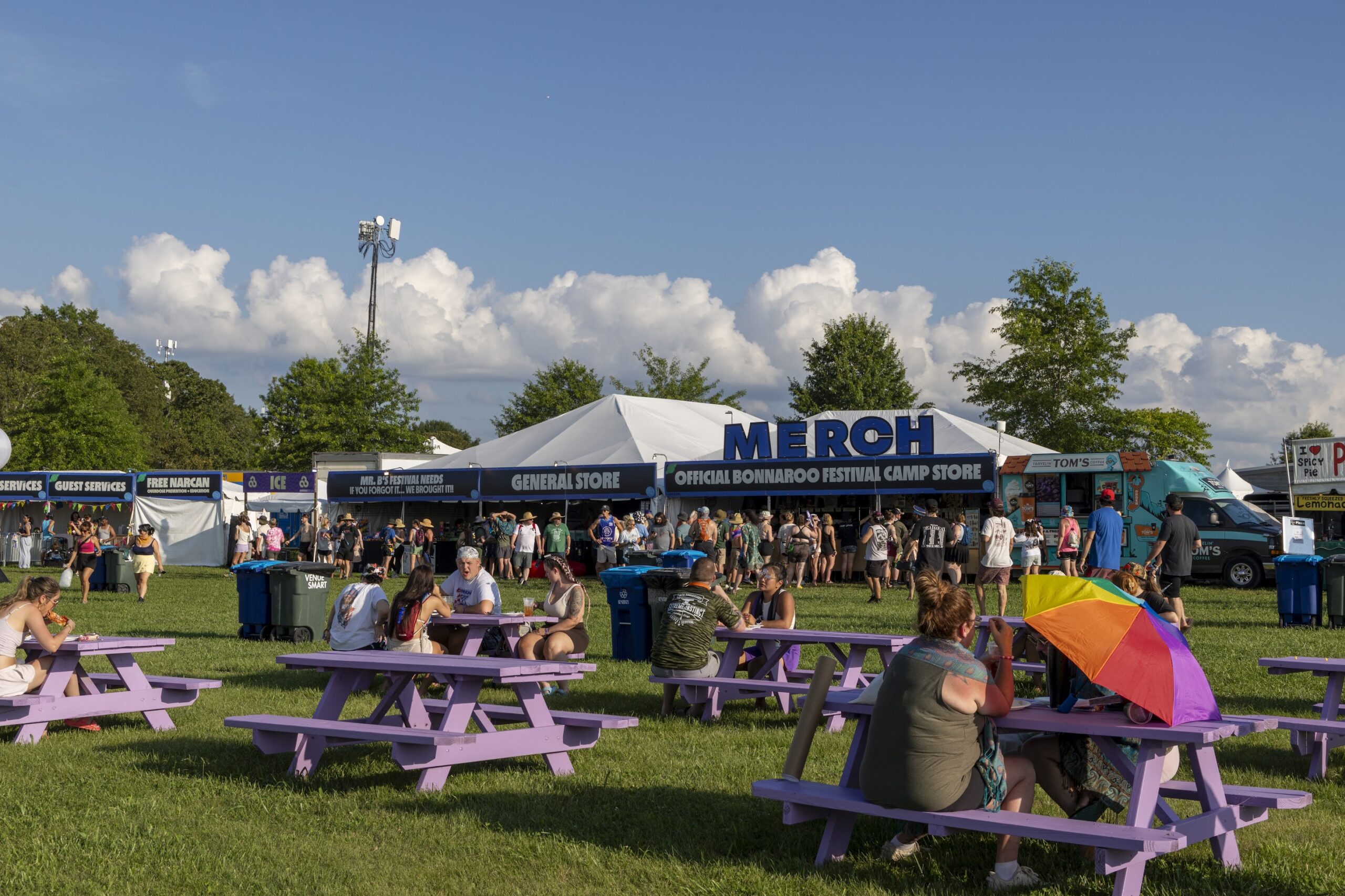
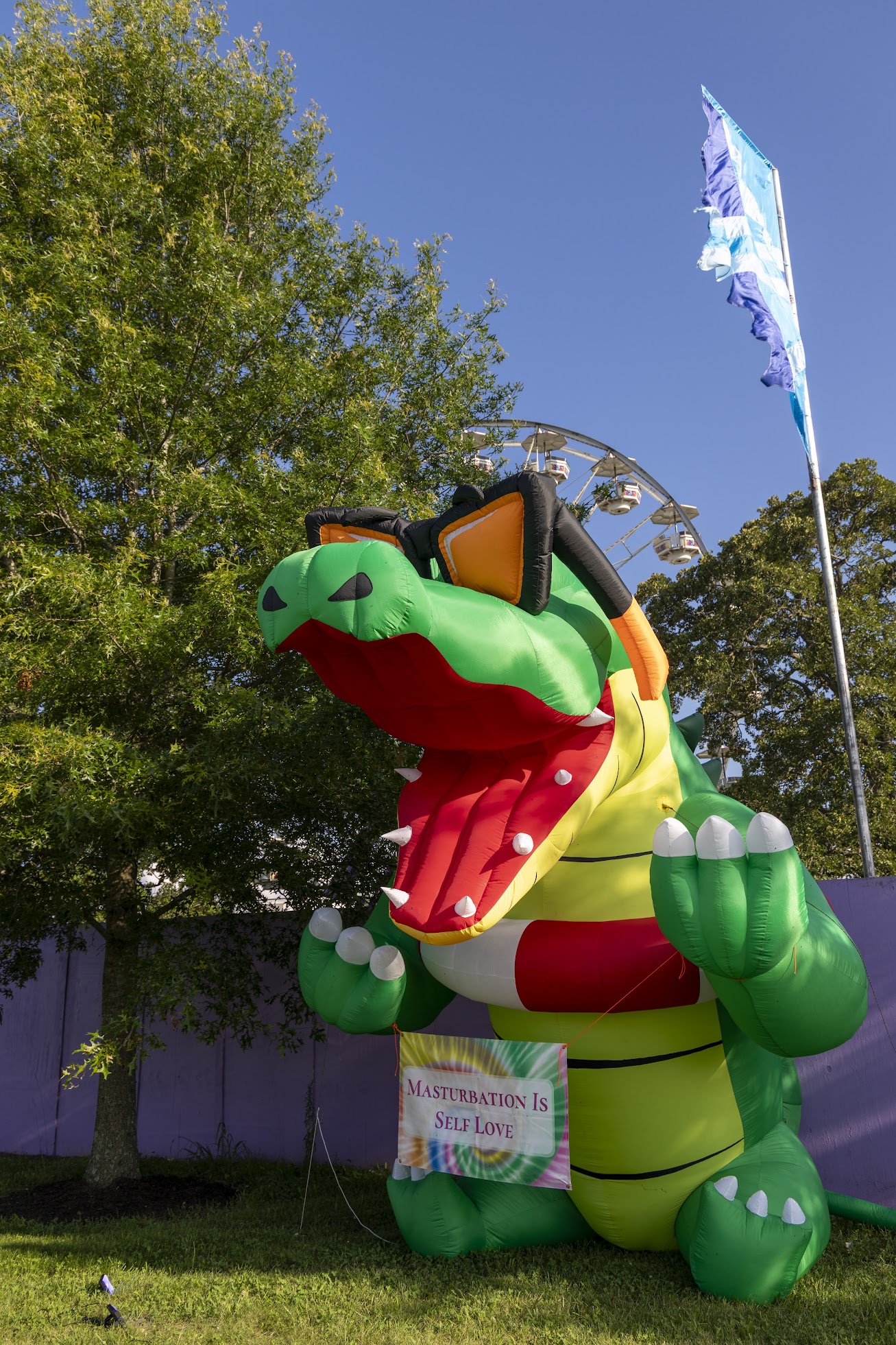
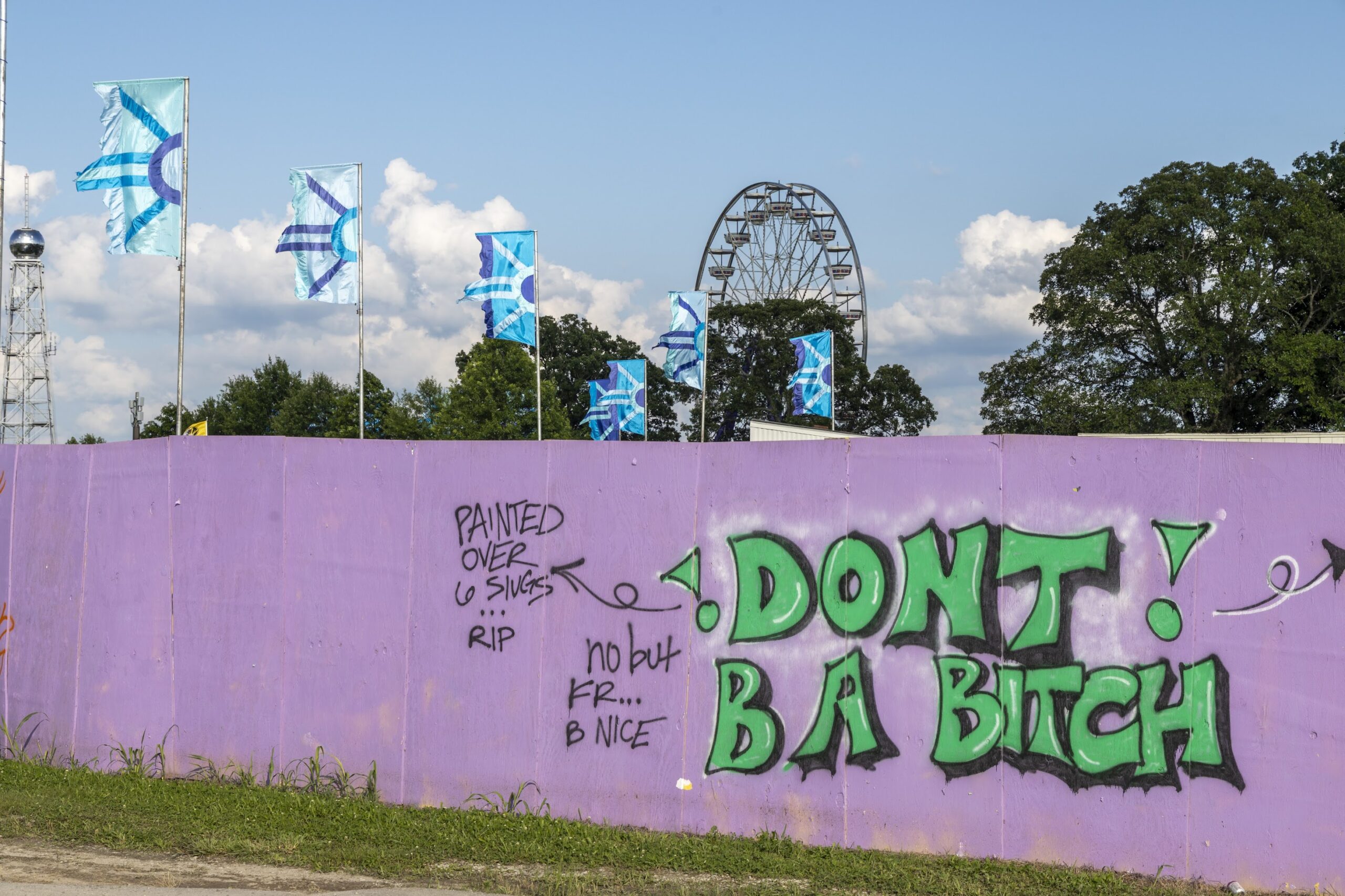
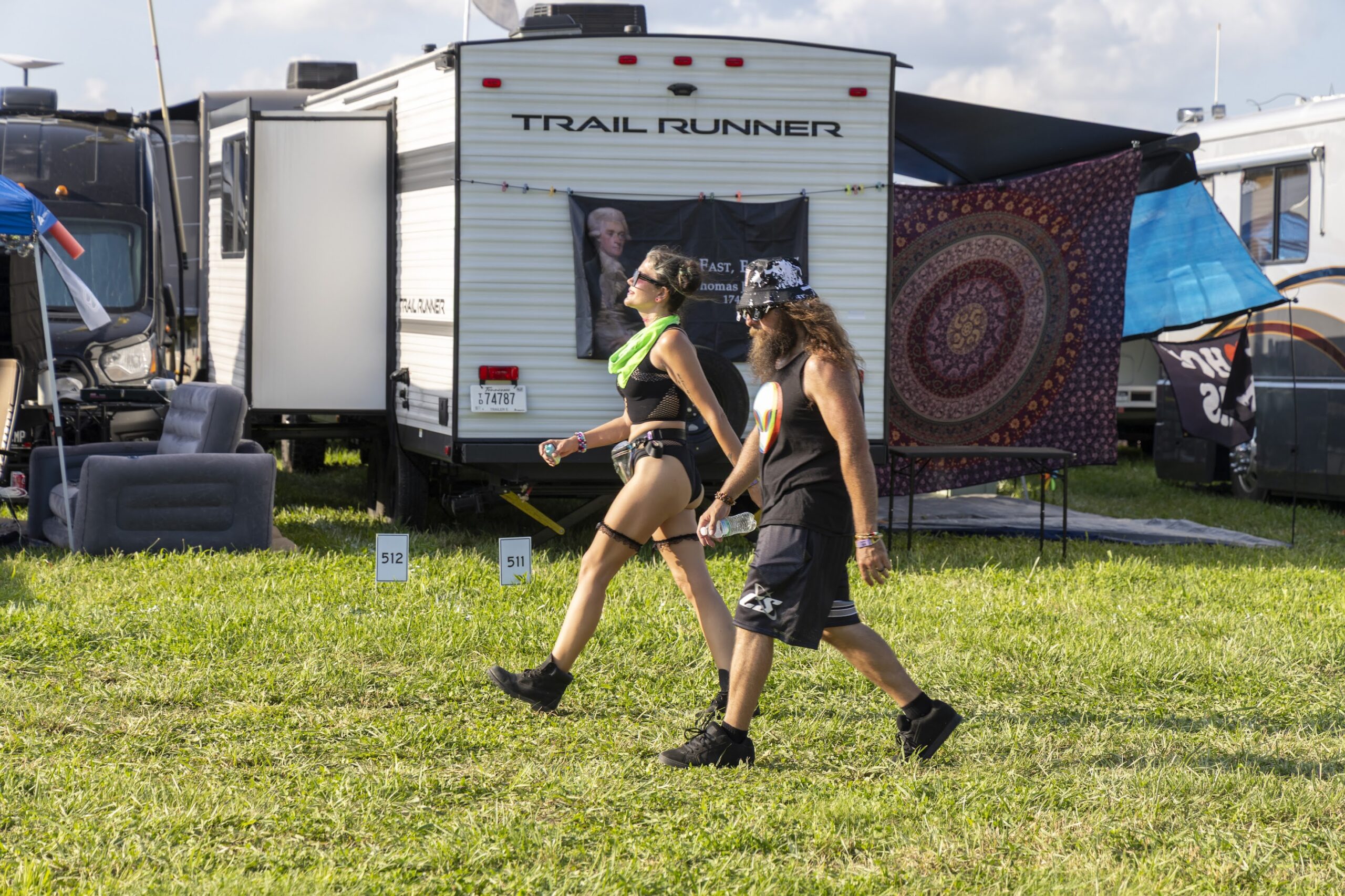
The structural changes extended deep into the entertainment spaces. Rather than spreading the opening day thin across dozens of small tents, Bonnaroo streamlined Thursday into a hyper-focused welcome party concentrated on the massive What Stage and the woods.
The short-lived Infinity Stage was scrapped and replaced by the brand-new Where in the Woods UFO Stage. The revamped electronic oasis hidden in the treeline featured a towering, retro-futuristic production design that immediately drew a heavy day-one crowd.
Beneath the grass, the multi-million-dollar land management project included five miles of reinforced gravel access roads built to resist heavy rain, networked drainage channels designed to redirect runoff to designated ponds, and newly seeded, water-resistant grass throughout high-traffic zones. The goal was clear: minimize muddy areas and preserve accessibility regardless of weather conditions.
The Music: Punk Aggression Meets a Two-Hour Blackout
The afternoon kicked off with the fourth annual Shotgunaroo gathering near the Arch, leading right into an interactive, request-heavy set by Nashville nonprofit collective Pitch Meeting over at Planet Roo.
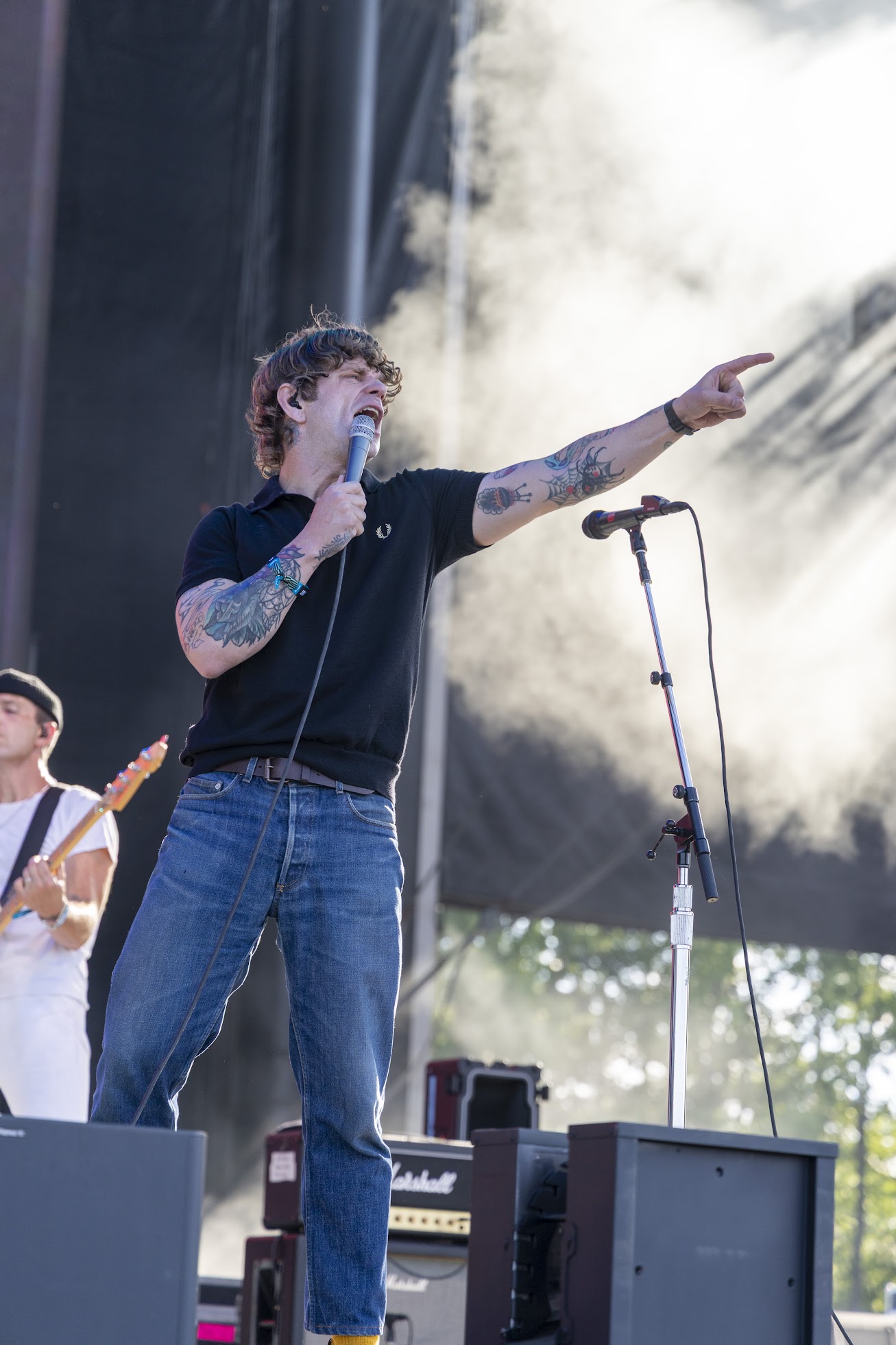
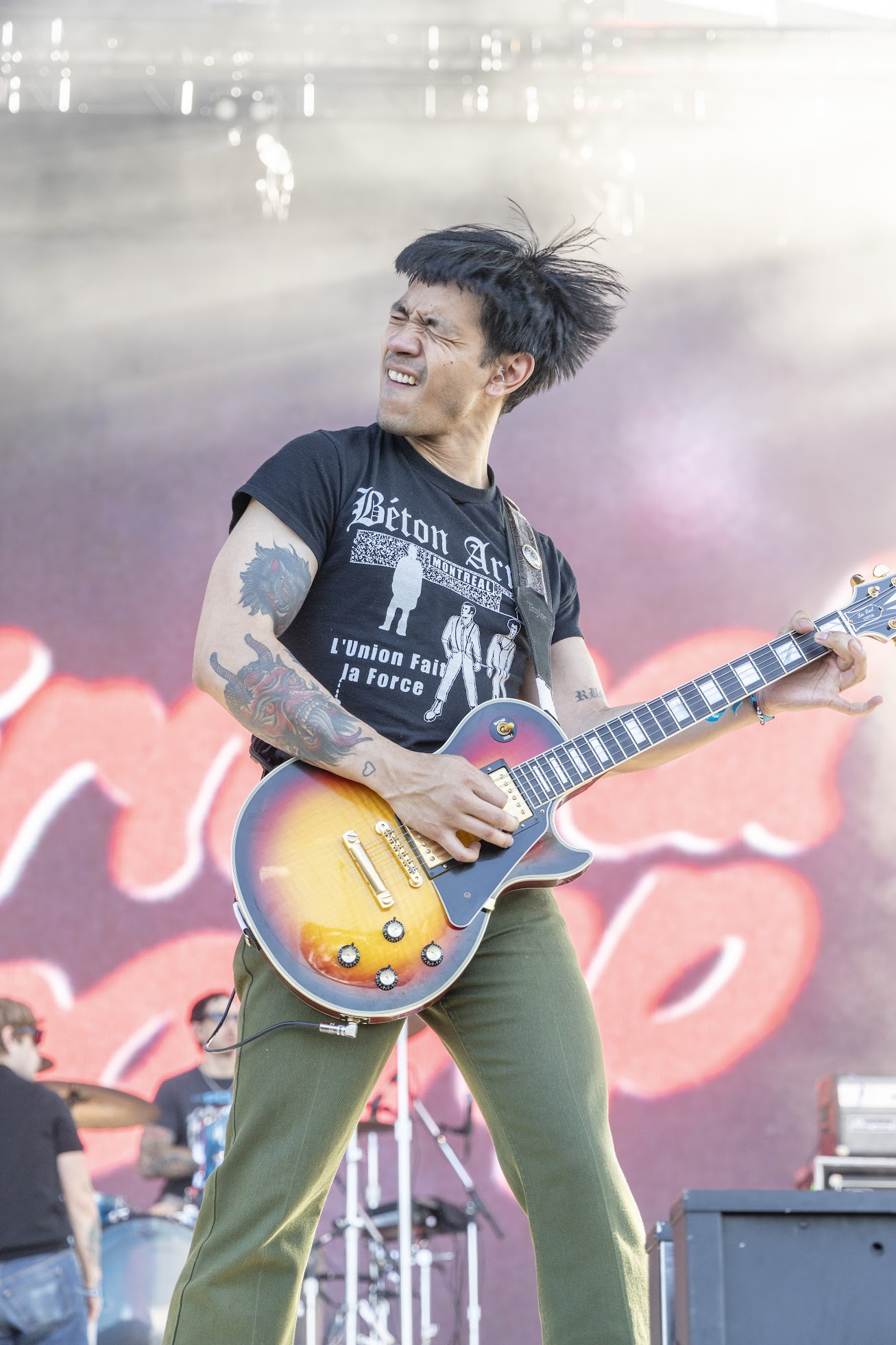
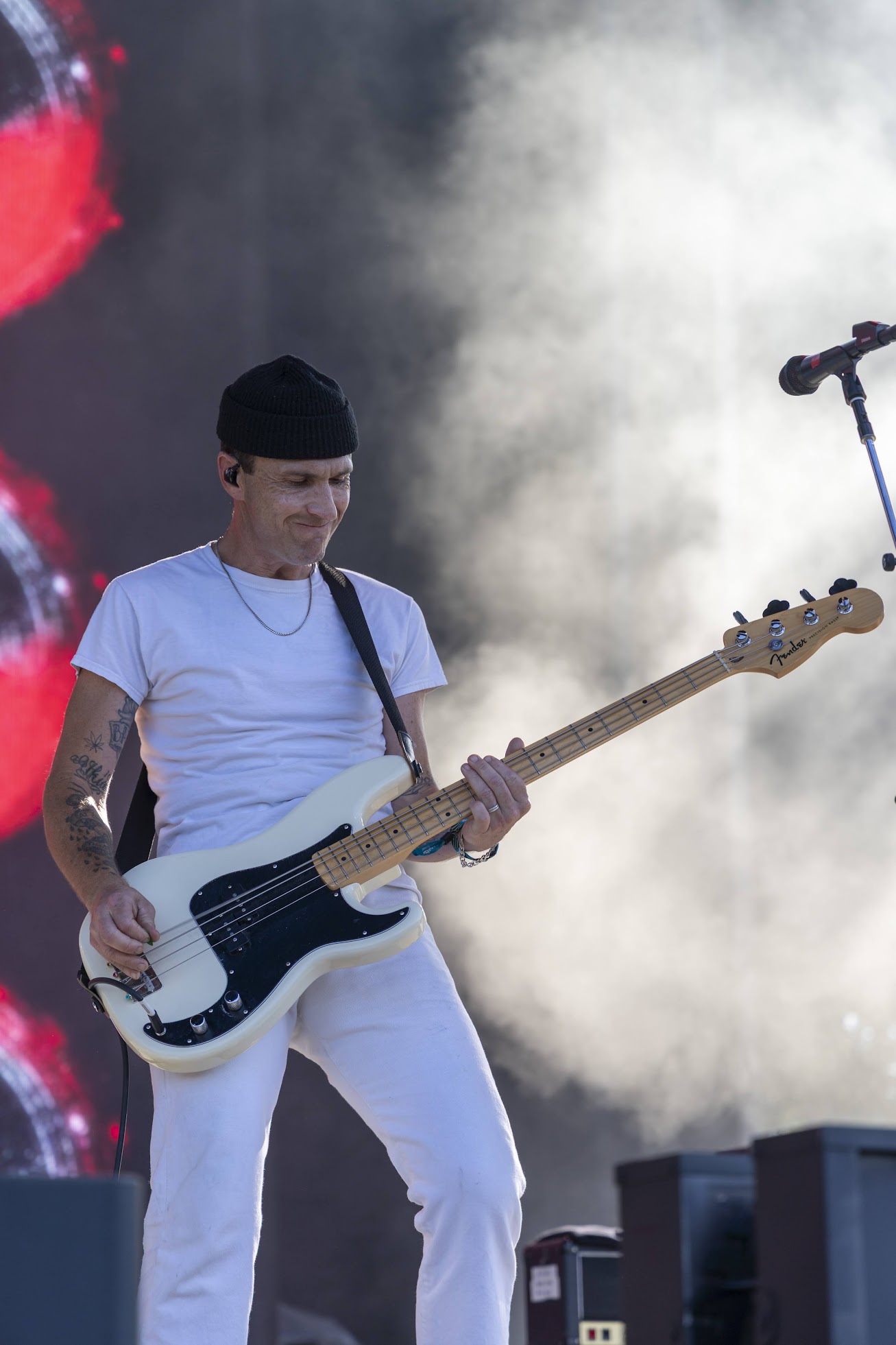
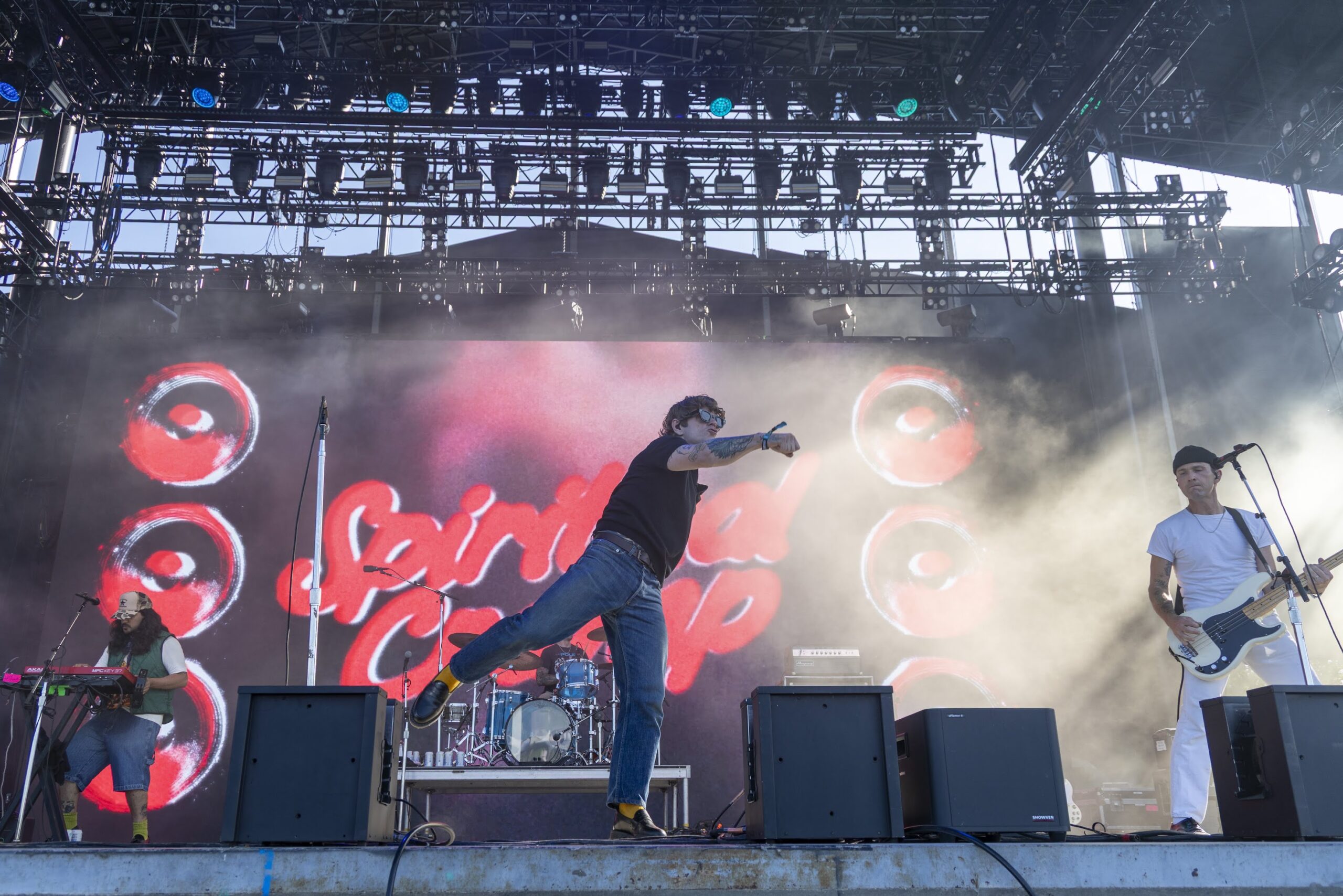
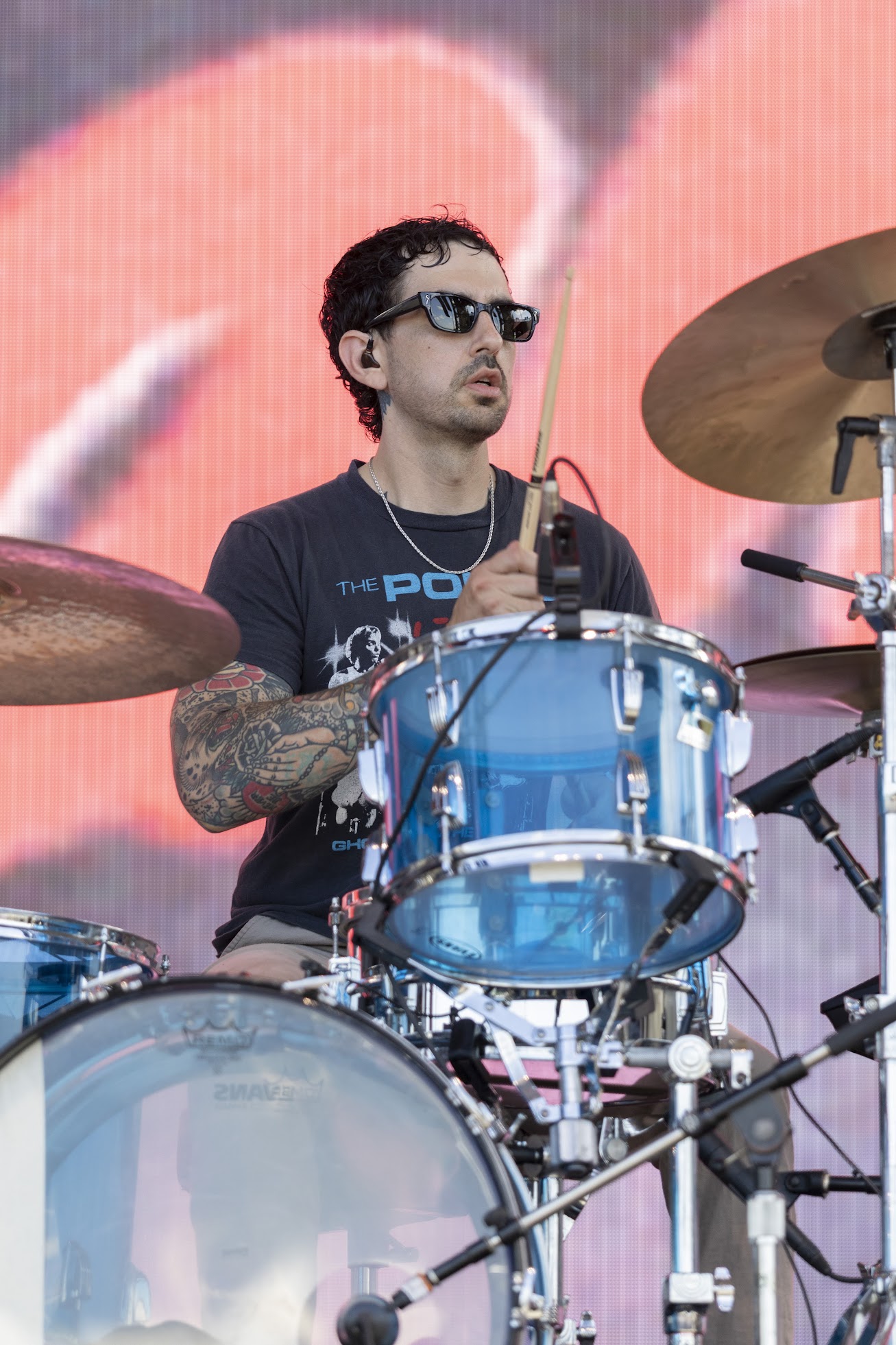
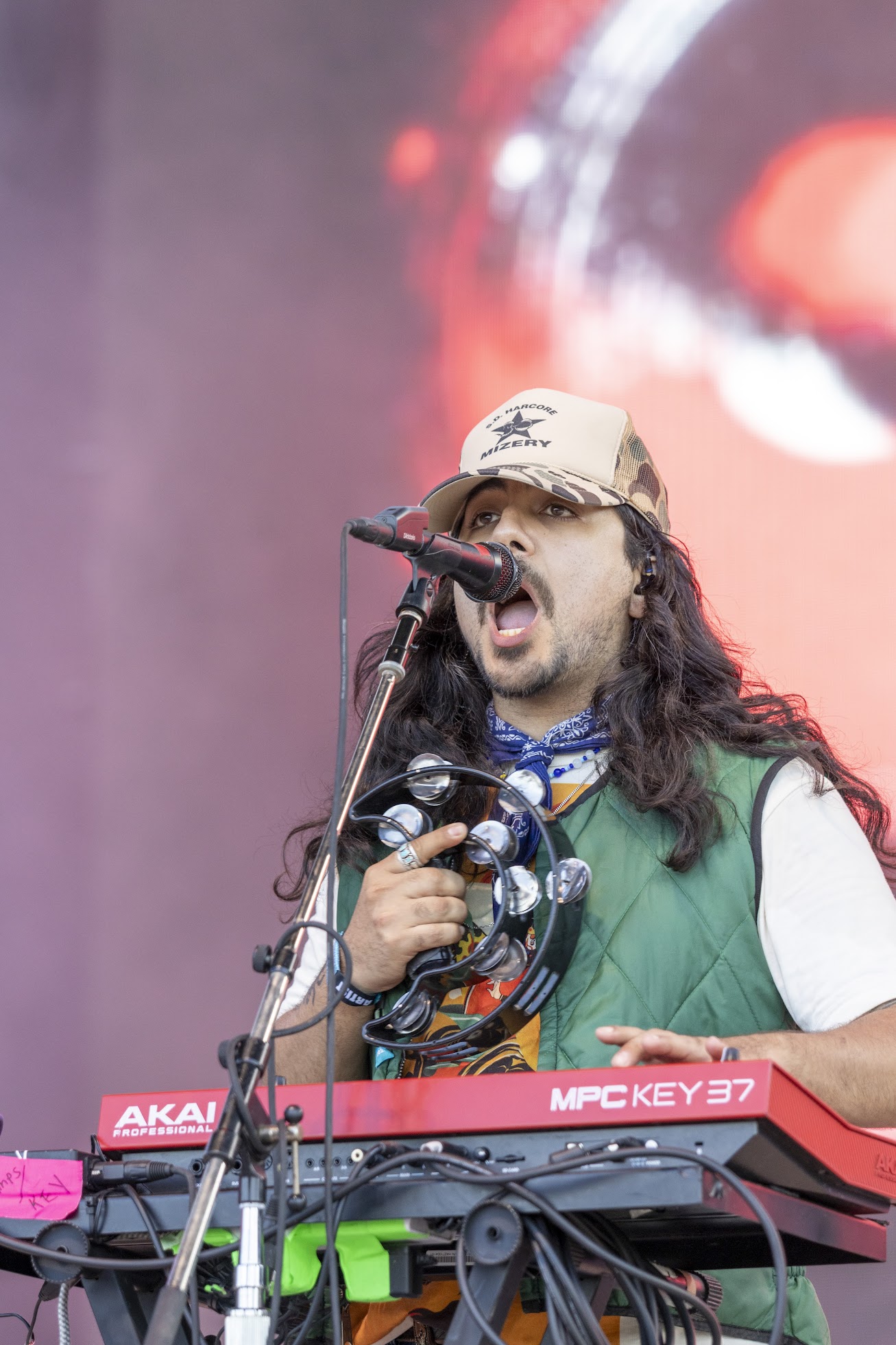
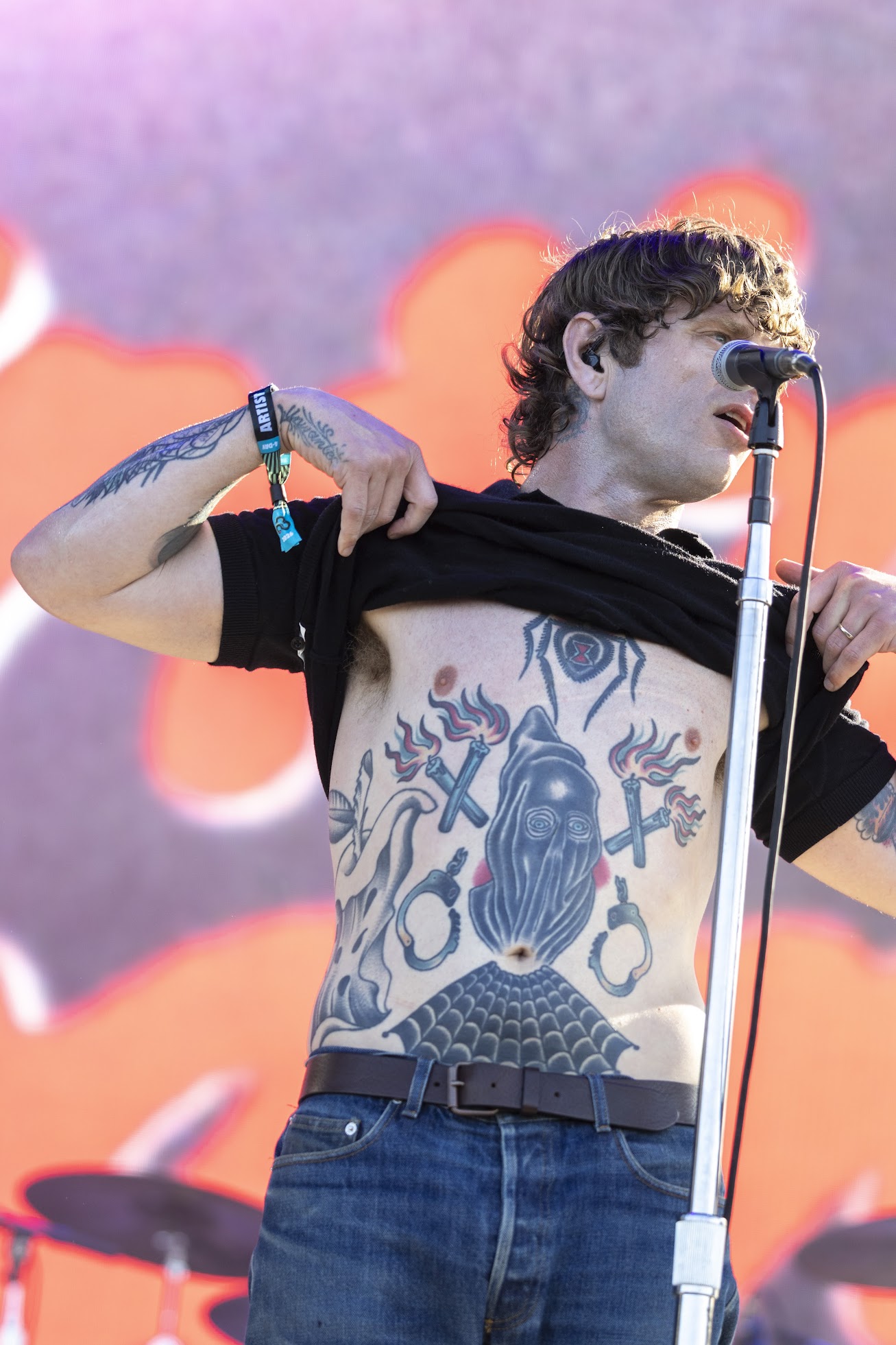
The real musical action began at 5:30 p.m., when San Francisco punk outfit Spiritual Cramp officially christened the What Stage. Frontman Michael Bingham flew across the stage with explosive, jagged energy, whipping up massive, dust-kicking mosh pits while simultaneously preaching the classic Bonnaroovian gospel of PLUR—Peace, Love, Unity, and Respect—and reminding fans to watch out for one another in the heat.
Following Spiritual Cramp’s high-octane rock assault, the What Stage subwoofers were handed over to Long Beach’s Vince Staples, who delivered one of the day’s most compelling, minimalist triumphs.
Walking out onto a stark, brilliantly lit stage with zero backing hype-men or heavy production fluff, Staples let his acute lyricism and unmatched breath control do the heavy lifting. He effortlessly commanded the massive, ever-expanding afternoon crowd, pacing the stage with a casual, cool intensity while cutting through deep-bass trunk-rattlers like “Norf Norf” and the rhythmic bounce of “Big Fish.”
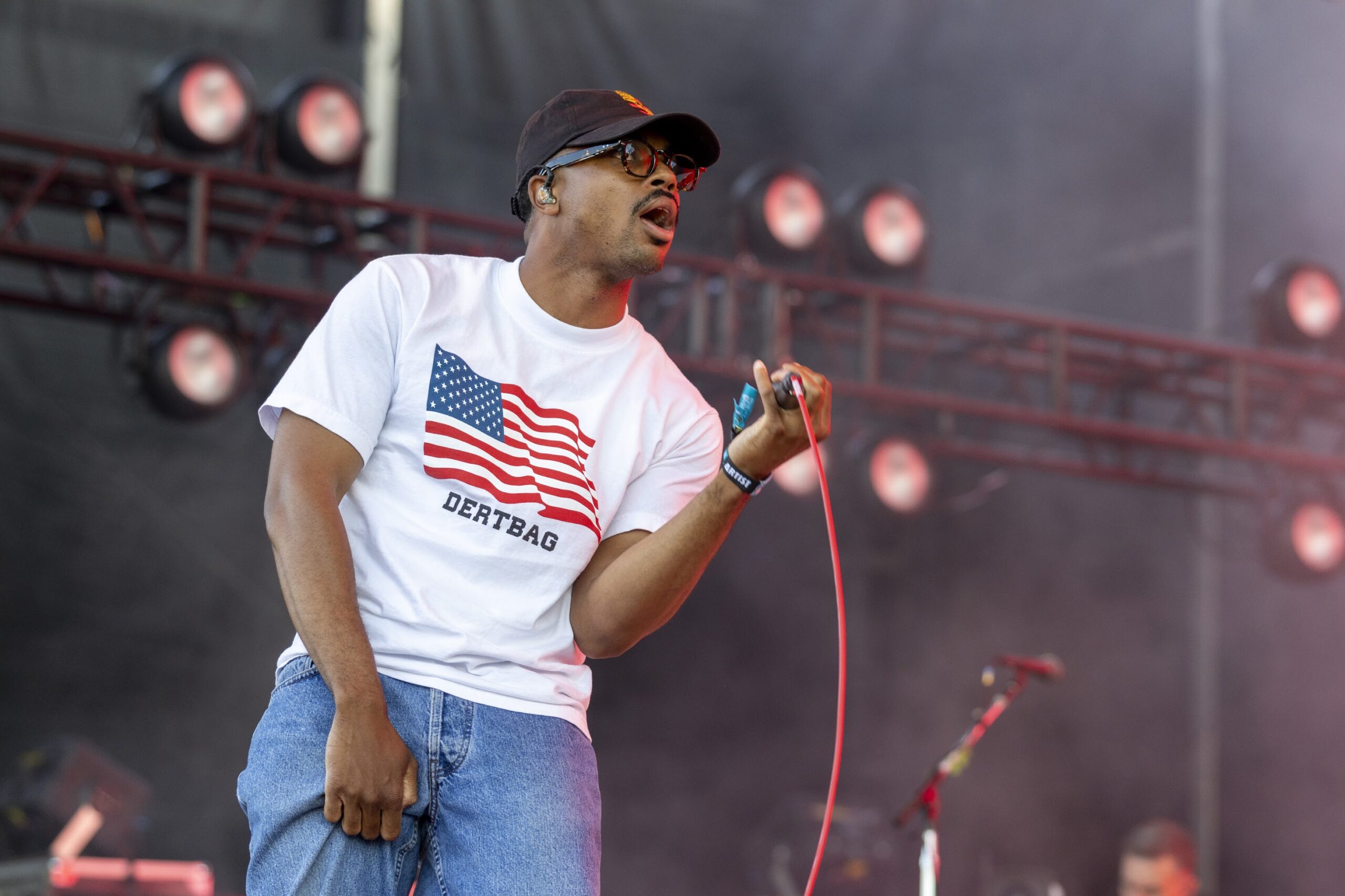
What really elevated the set, however, was Staples’ signature deadpan crowd work. Between tracks, he dryly needled the sweltering crowd about the oppressive Tennessee humidity and jokingly questioned the logistics of camping in a field for four days, offering an exemplary display of charismatic anti-popstar showmanship.
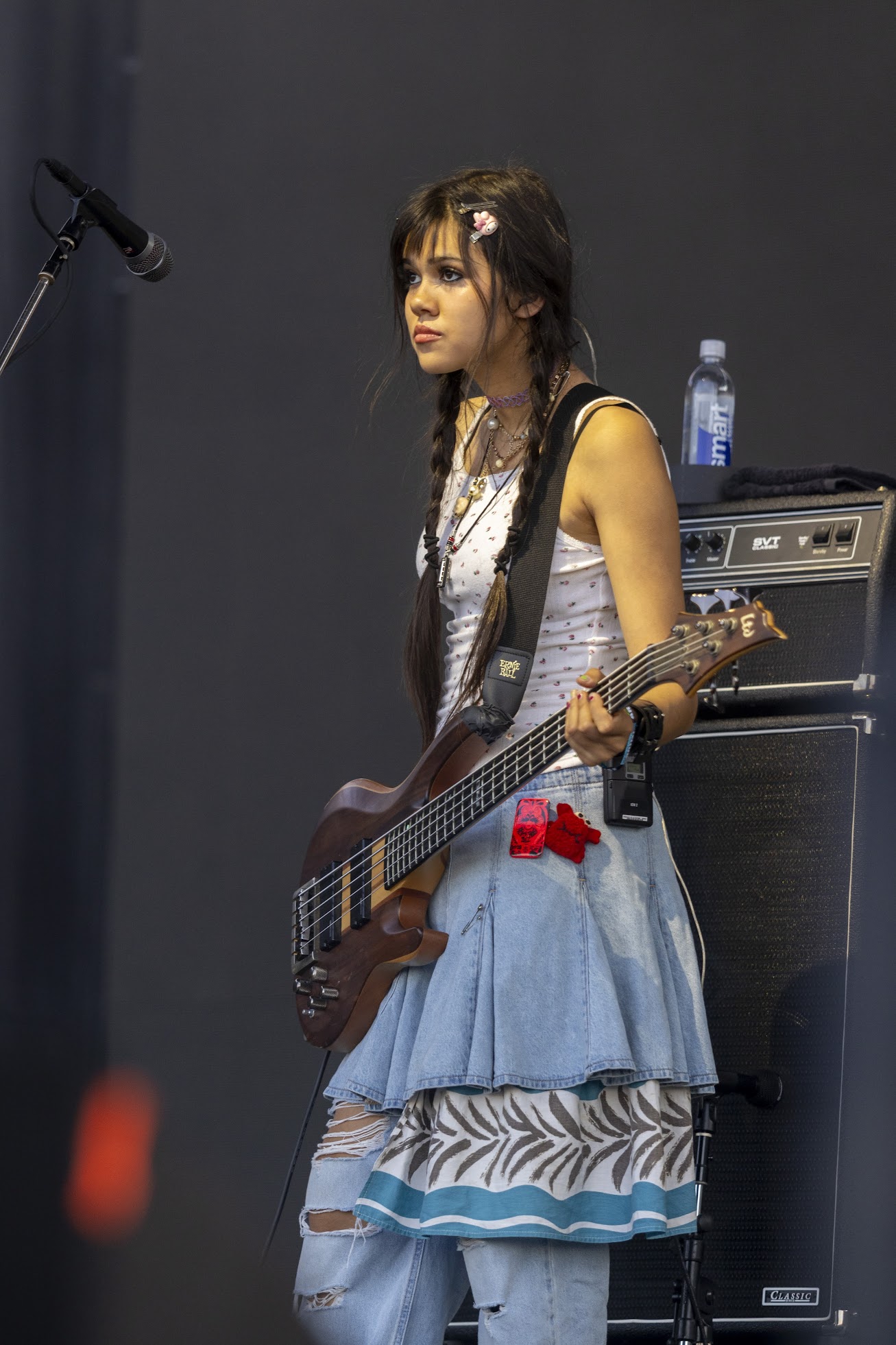
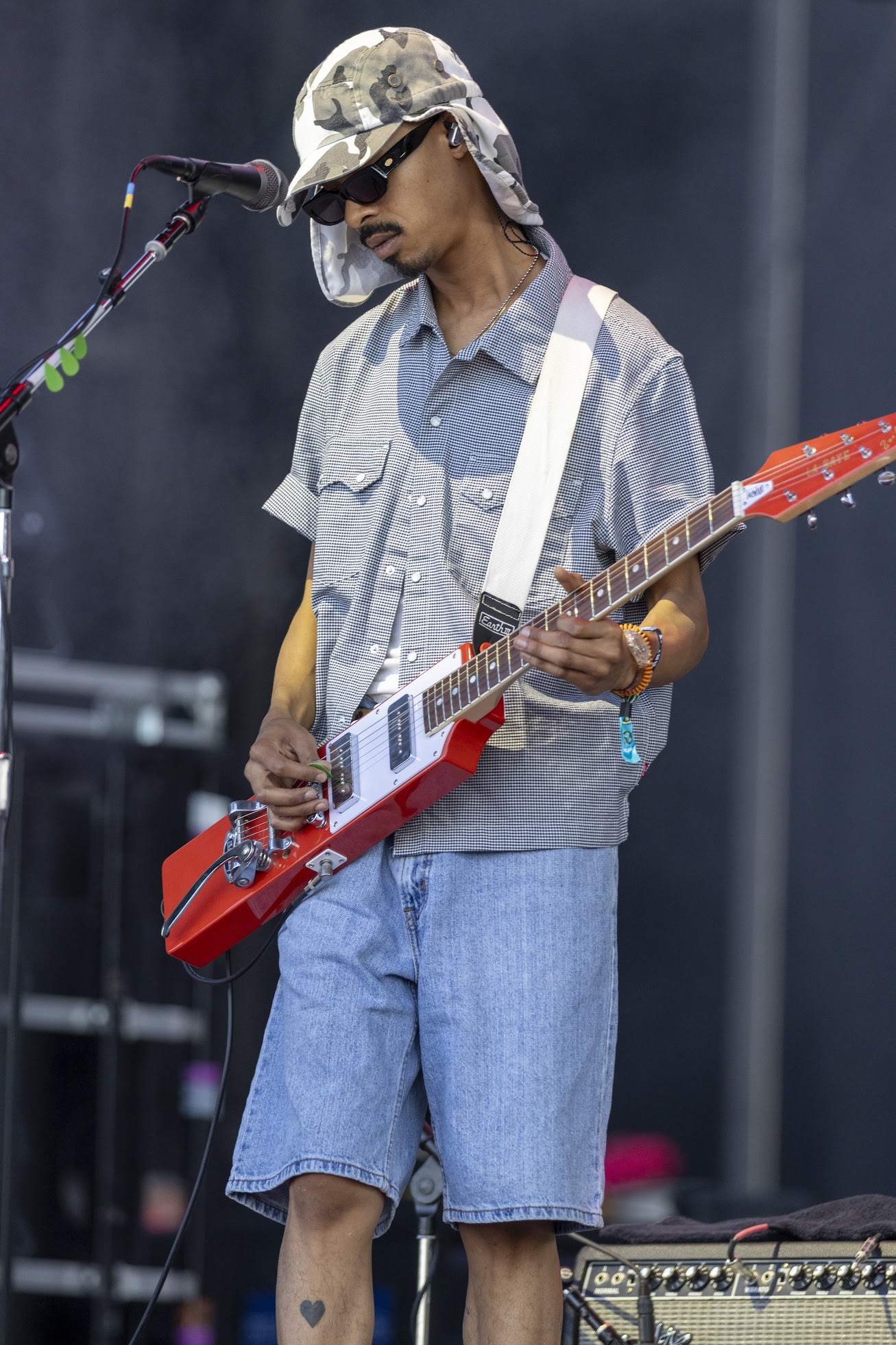
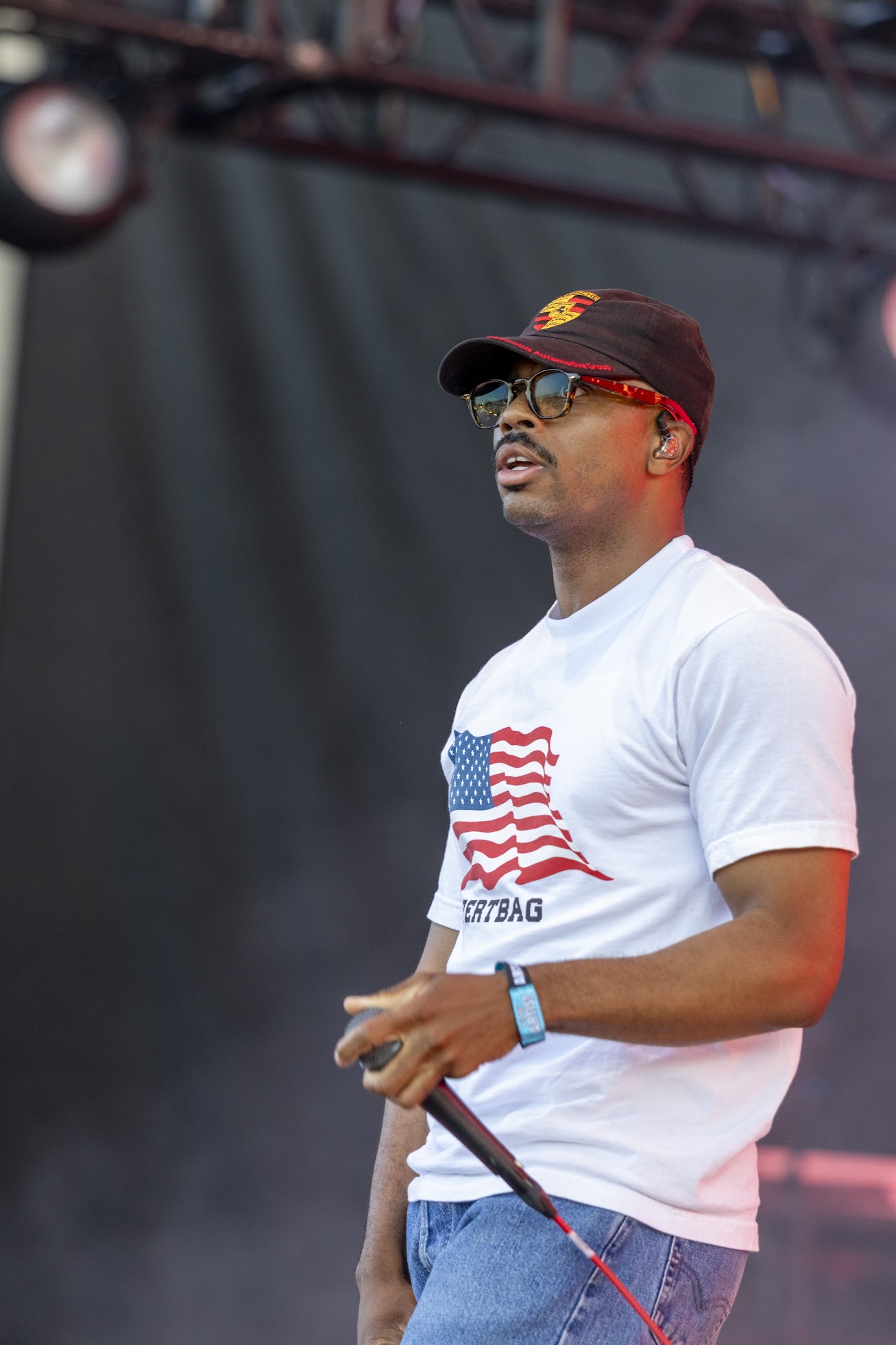
It was a brilliant, clinical hip-hop performance that perfectly balanced heavy, visceral street anthems with the loose, celebratory atmosphere of The Farm, leaving the crowd primed for the electronic onslaught that was supposed to follow.
Then, just as Four Tet was about to perform, a severe partial power outage hit Centeroo. The What Stage went dark. The Ferris wheel stopped. Vendors lost power. For two hours, the festival’s comeback energy was put to the test.
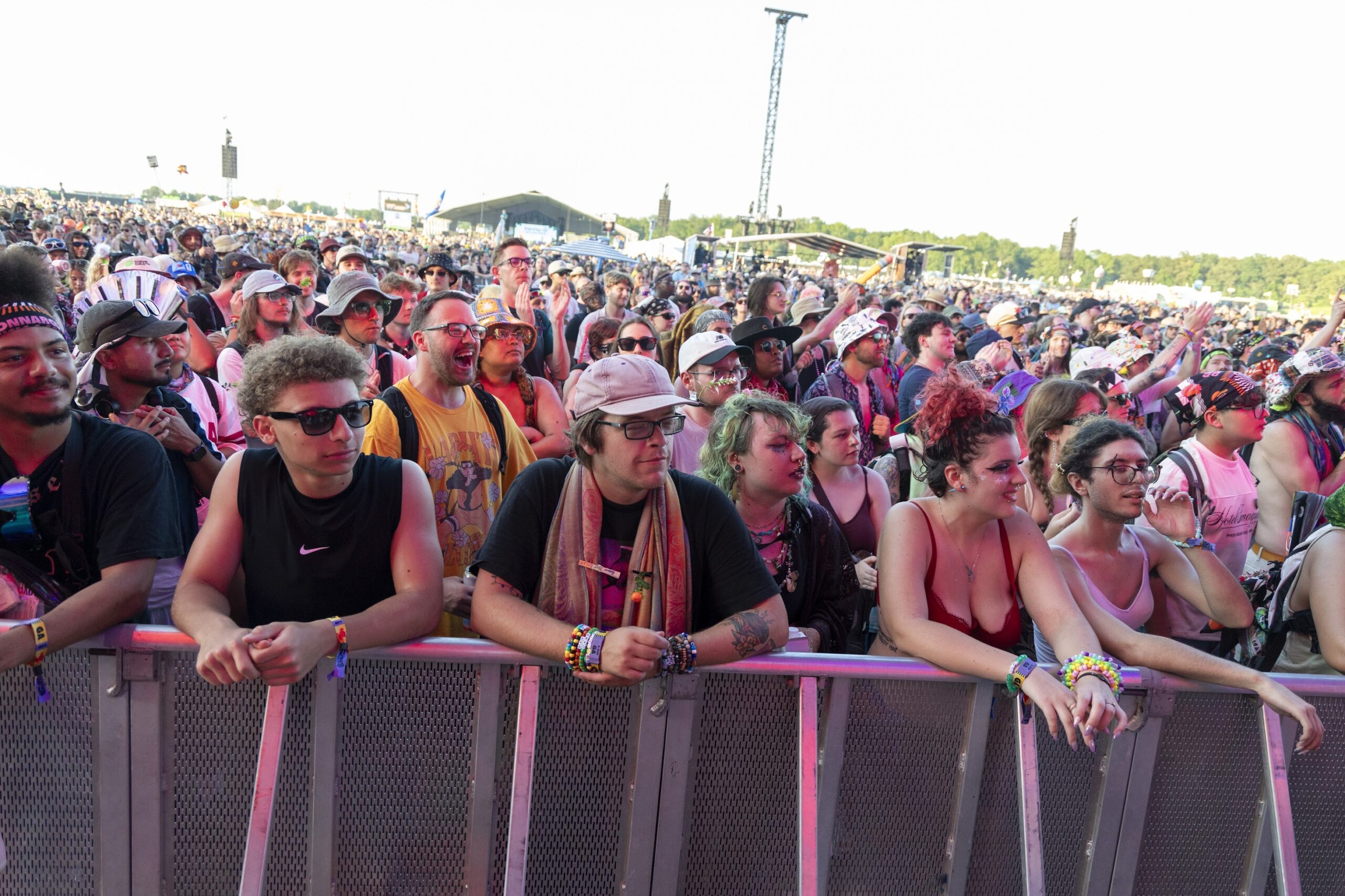
As engineers scrambled to fix the grid, the crowd turned potential unrest into a spontaneous acoustic sing-along. The blackout, instead of derailing opening night, became a defining community moment for Bonnaroo 2026.
When the power finally flowed back to life, the crowd’s anxious energy was instantly channeled into Kieran Hebden, the brilliant, unassuming mastermind known as Four Tet. Moving his slot directly into the post-blackout pressure cooker, Hebden delivered a display of tension and release that turned a potential festival disaster into the night’s definitive emotional peak.
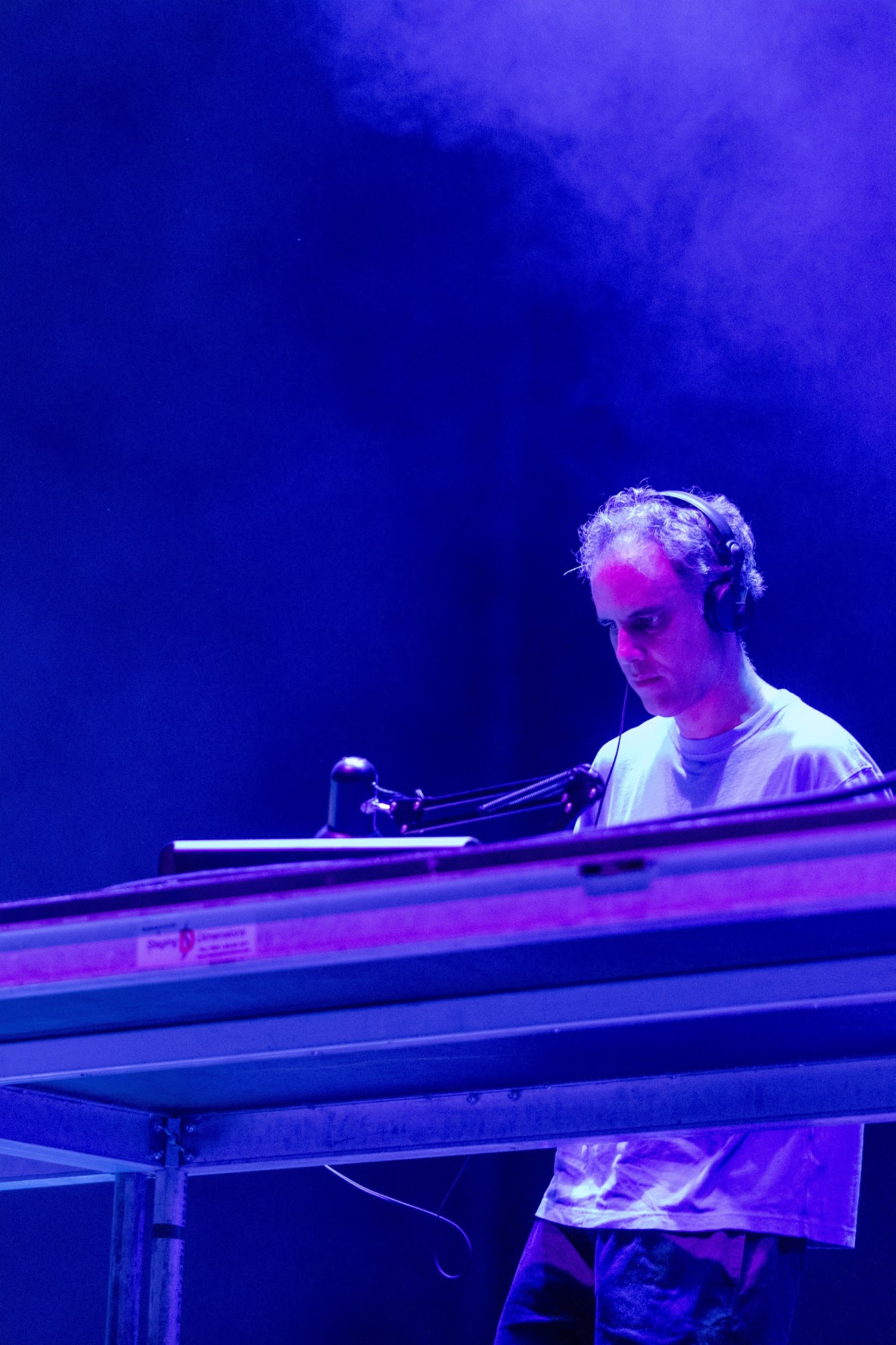
Standing behind a deceptively simple table of gear, silhouetted against a wash of warm, ambient stage lighting, Four Tet didn’t rush to make up for lost time with cheap, explosive drops. Instead, he read the crowd’s exhausted, resilient mood perfectly. He began with a slow, hypnotic build of sparkling organic textures and micro-loops, gradually coaxing the audience out of their blackout-induced daze.
As the set progressed, Hebden shifted from folktronica-tinged beauty to driving club music, with heavy garage rhythms shaking the reinforced grounds. The dramatic musical arc transformed the blackout’s aftermath into the show’s emotional peak, uniting fans who had spent hours in the dark.
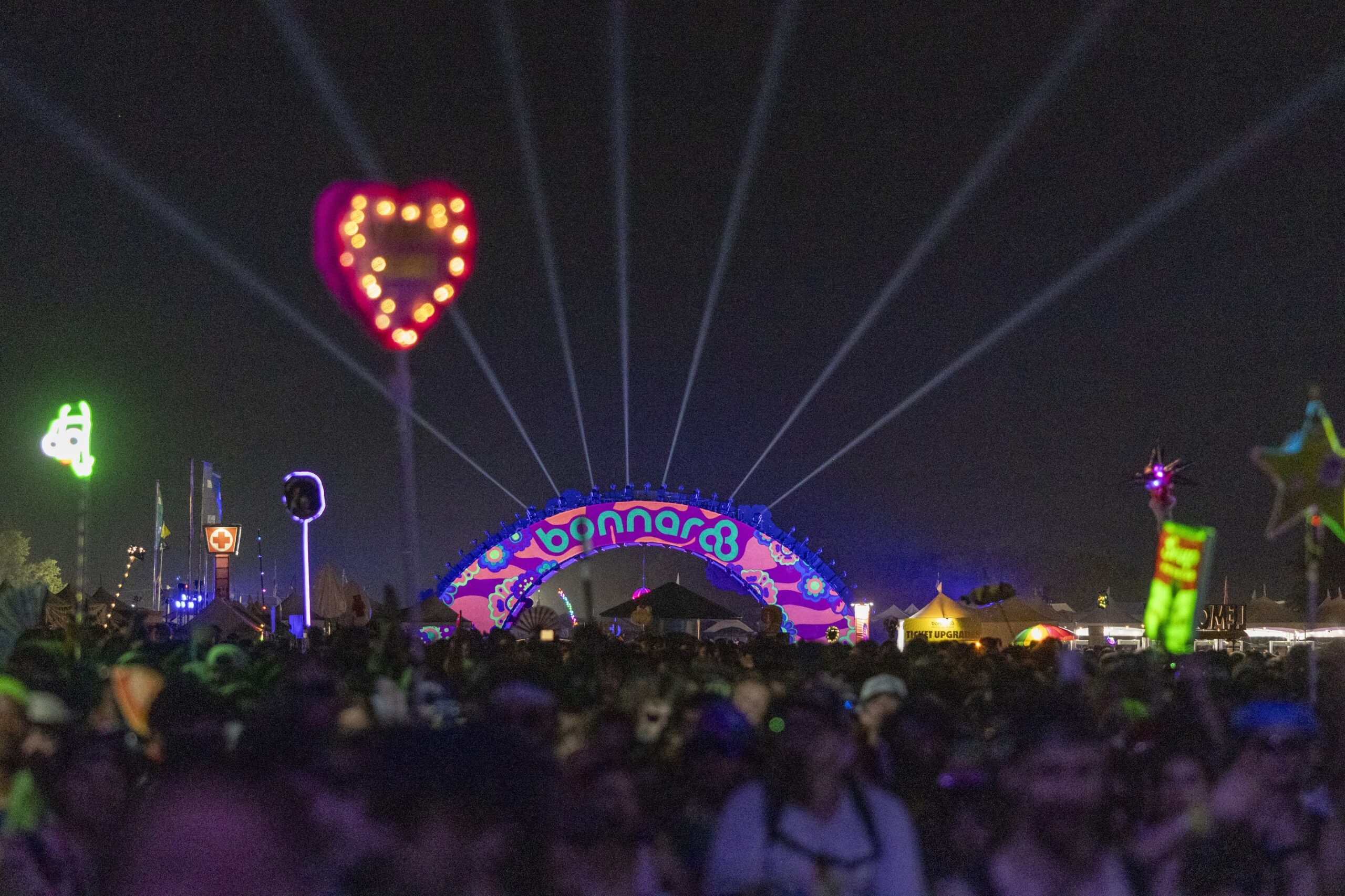
By 11:30 p.m., the power had surged back to life across Centeroo, and the delay simply added fuel to the fire. Skrillex finally took the headlining slot late into the night, dropping an uncompromising, bass-heavy dubstep assault that shook the newly engineered drainage pipes beneath the crowd’s feet. The pit became a sea of flashing totems and feverish energy, a triumphant exclamation point on a day that refused to be derailed.
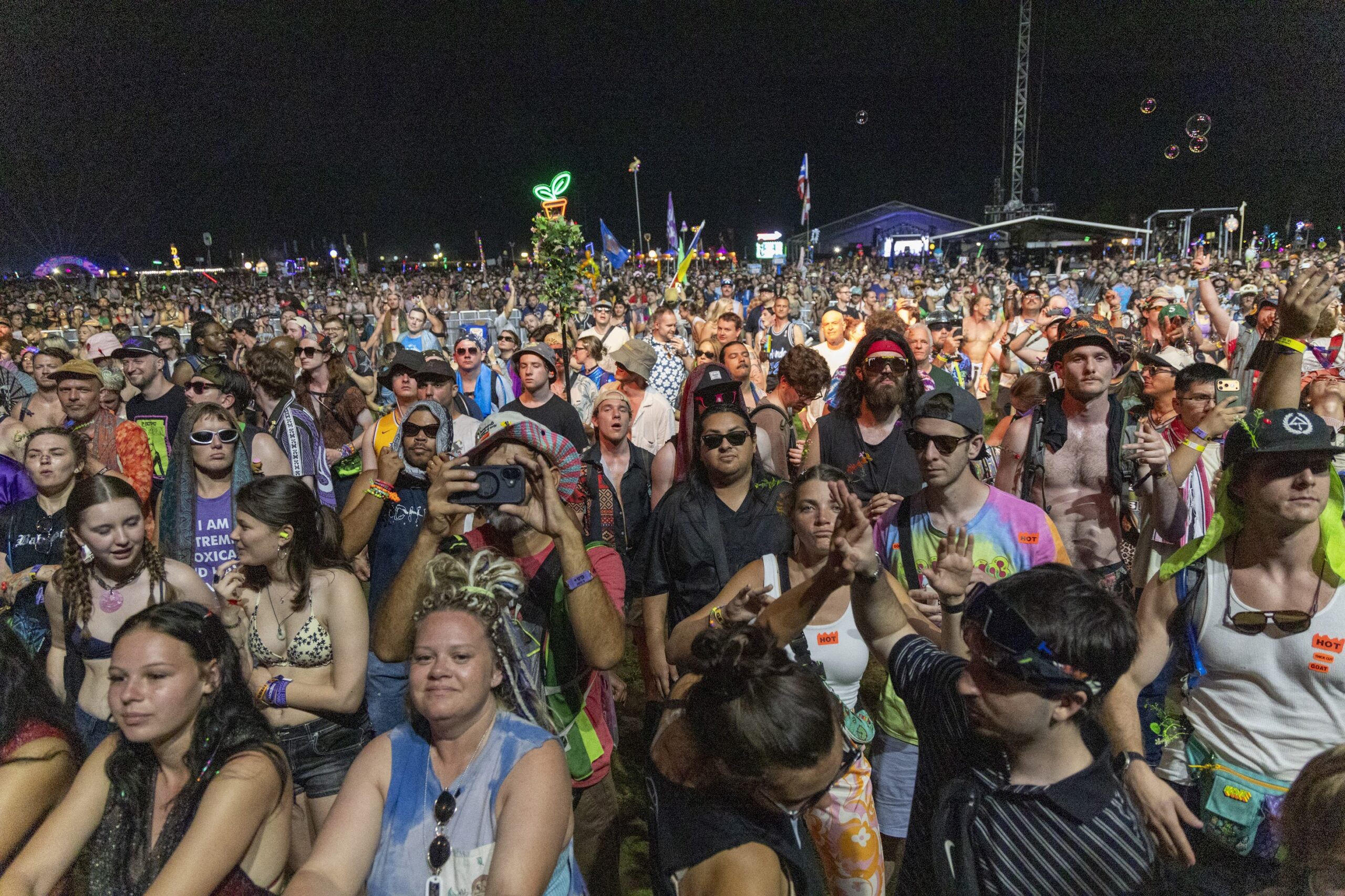
Bonnaroo 2026 is smaller, smarter, and clearly built to last. As opening day reached a close, one lesson stood out: even when the lights go out on The Farm, the spirit persists blindingly bright.