Article Contributed by Candice Dollar
Published on 2026-06-21
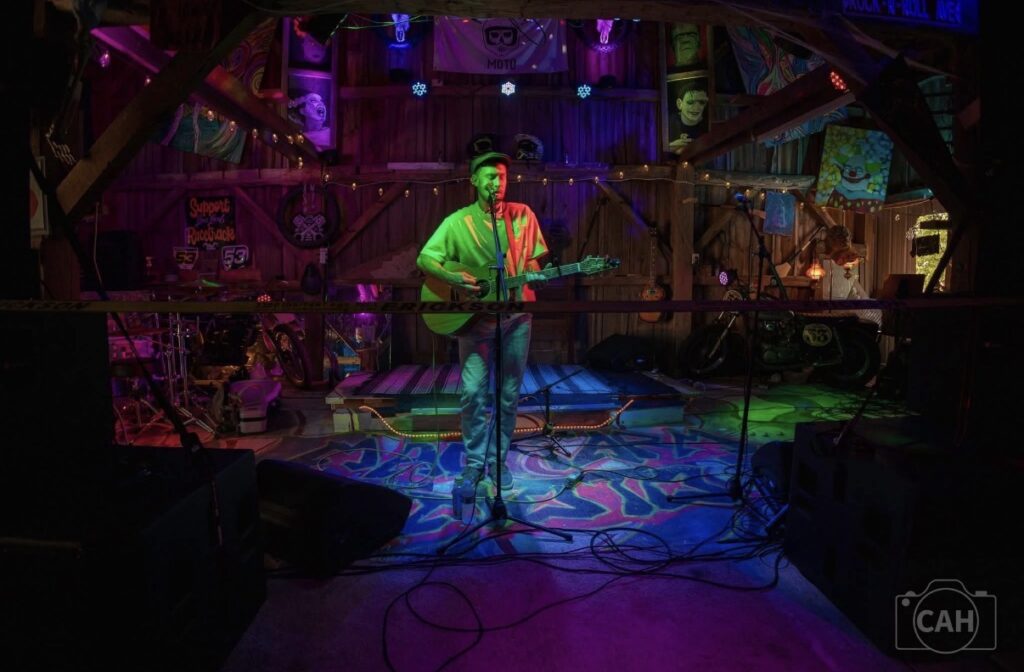
Photo: Courtesy of Chad Hensiak, CAH Promotions
Part artist profile, part conversation, the piece that follows is drawn from an interview with Wisconsin musician Isiah Driessen and has been edited and arranged for publication.
"My heart in hiding / Stirred for a bird."
— Gerard Manley Hopkins, The Windhover
I didn't know those lines were following me around until I sat down to write about Isiah Driessen.
The first time I heard him was at Mad Farm Moto & Music's Spring Bash in Brooklyn, Wisconsin.
It was early in the day. The festival was still coming together. Folding chairs, half conversations, people moving slowly between stages, still half awake.
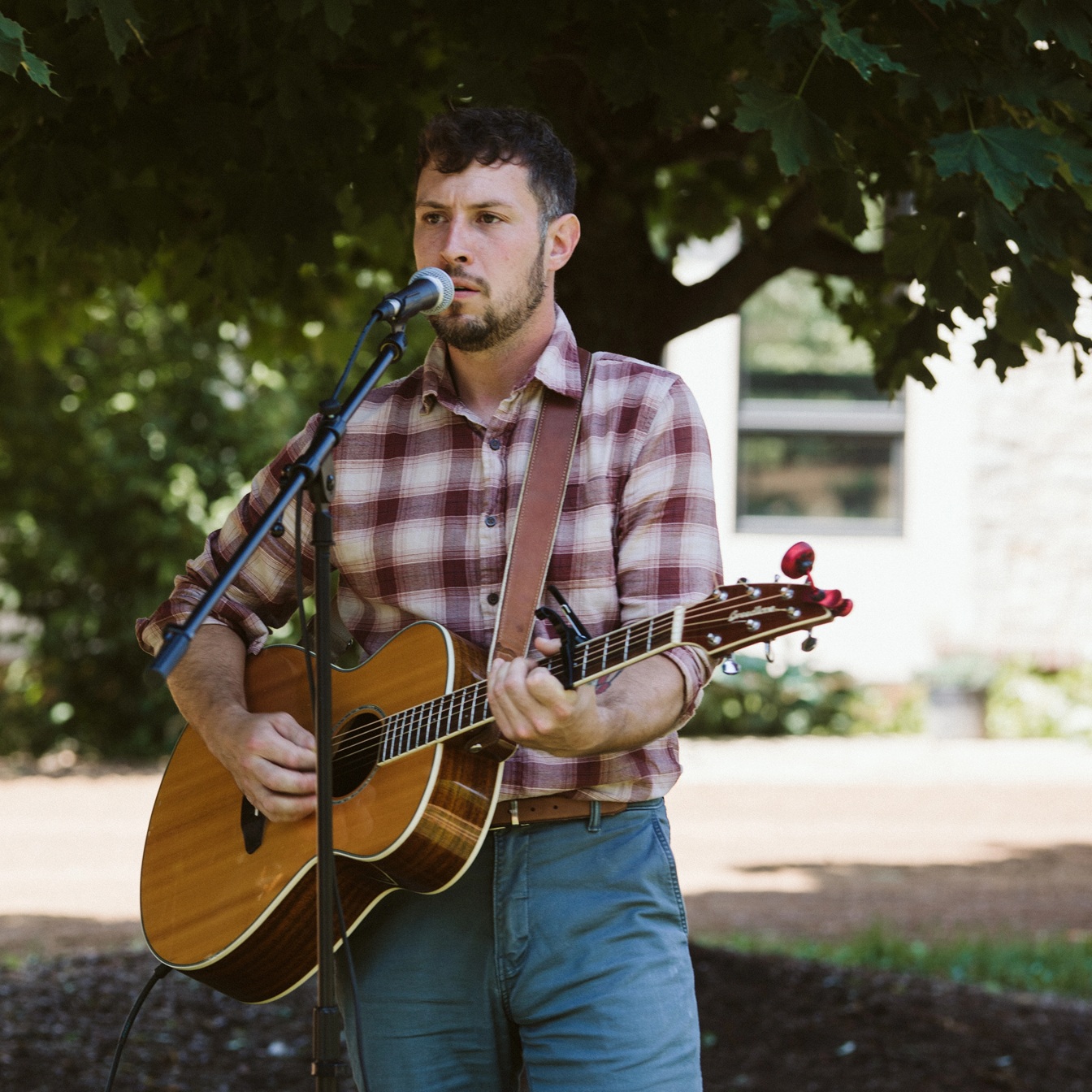
I was standing near the stage when he started to play.
There was no introduction that I remember. No framing. Just sound.
Then something changed.
It wasn't only his voice, though that was impossible to ignore.
There was a rough-edged warmth to it, as though it had already settled into itself. It carried experience without announcing it.
Combined with the guitar and the ease with which he occupied the space, it felt as though the music had already settled into the room before the rest of us caught up to it.
I remember looking up.
A moment earlier, I had been listening with one ear. Then I wasn't.
Sometimes what changes isn't the music. It's the place in ourselves from which we're hearing it.
That is still the part I have the hardest time explaining.
The set ended. The festival continued. But something about the performance lingered.
When I spoke with him later, I found myself trying to understand what I had heard.
GW: Where does a sound like that come from?
He didn't answer by talking about inspiration or influence. He started with process.
ID: "I always write lyrics last. The sound and emotion come first."
Again and again, our conversation returned to the same pattern. I would reach for origin. He would describe process. Not where the songs came from. How they became themselves.
GW: Is your music more about preserving memory or letting it move?
ID: "I think it's more about finding whatever is inside of me that needs to be let out and expressed."
Many of his songs change meaning over time, he explained, because he changes.
ID: "As I grow, the meaning changes too."
For him, the emotion isn't fully formed when the song begins. He discovers it as the song unfolds.

ID: "I try to let the emotional volcano erupt in every song. There is a feel to building up to the climax."
Before becoming a musician, he said, he didn't do much creative work at all.
ID: "Making music has been an incredible outlet for me to express myself and process my emotions."
That relationship to emotion has changed over time. Looking back, he sees someone carrying different burdens.
ID: "I was pretty angry and sad for a long time. But now I am ready to rock."
He rarely writes about physical landscapes. The songs themselves tend to emerge from emotional terrain rather than geographic description. Yet geography seems to play a quiet role in the act of writing.
GW: How does place affect your songwriting?
ID: "Every time I am in a different geographical location I always write a new song. It's almost automatic."
He isn't entirely sure why. He only knows that it happens.
ID: "I love writing in the desert. Writing outside in nature is always fascinating because I try to play to the room and fit into my surroundings."
Whether standing on the shore of Lake Superior or somewhere in the desert, he described writing as a kind of conversation with whatever surrounds him. The landscape may not become the song, but it helps create the conditions for one.
When we began talking about his recent album, Birds, the conversation moved toward something more personal.
A few years ago, Isiah was involved in a serious car accident. During that period of healing, birds kept appearing. What began as coincidence gradually became something he paid attention to.
ID: "I had a lot of different birds come to me with messages that helped me navigate the situation."
The album title grew from that experience.
GW: What do birds mean to you?
He answered first with a joke.
ID: "Chicken cordon bleu."
We both laughed before he continued.
ID: "Birds are fascinating. They have a connection to the spirit realm. They carry messages and I always feel blessed when they enter my life."
GW: Do you see them as messengers, witnesses, or something else entirely?
ID: "I see them as my friends, messengers, witnesses, and protectors."
GW: Is music trying to resolve emotion or simply learn how to live alongside it?
ID: "I like living alongside it. Life doesn't always give us the closure we might hope for."
By then I had started noticing how often our conversation returned to questions of place. Not scenery exactly, but belonging.
That thread eventually led us back to The Cedars Project.
Through concerts, community gatherings, and creative programming, the project aims to create the kind of cultural space he feels is missing in the region.
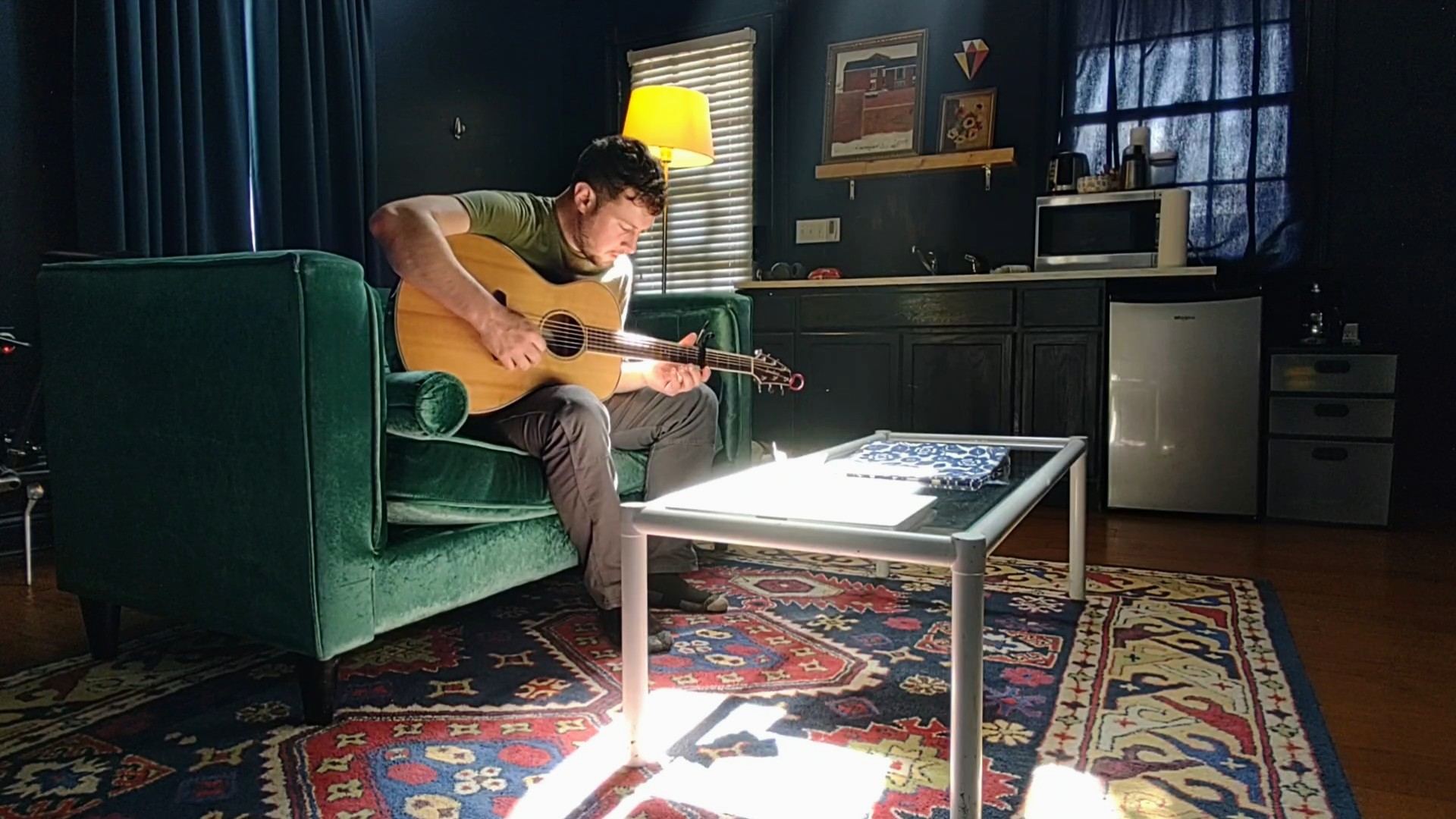
GW: How did The Cedars Project come about?
From the outside, Cedars can look like a community arts initiative or creative collective. Listening to Isiah describe it, it feels more like a response to a history that is still unfolding.
The project takes its name from the Treaty of the Cedars, an 1836 agreement in which the Menominee Nation ceded roughly four million acres of land to the United States near present-day Little Chute.
For Isiah, that history is not distant. It remains part of how he understands the landscape around him.
ID: "After the treaty was signed the Menominee Indians were forced out of the area. The land was then clear cut, rivers were dammed, and all the beauty and resources were gobbled up and extracted from the area."
He described a landscape that, in his view, had been transformed over generations by logging, dam construction, and industrial development.
ID: "We used to have a 10,000-year-old forest and raging river with waterfalls and a lake that produced wild rice that could feed everyone. Now we have paper mills and dams, a river you can't eat the fish out of, hardly any trees in comparison, and a mill where people can work five days a week. It's bizarre."
Then he said something that clarified the project more than any formal description could.
ID: "It feels necessary for this project to come to life because I feel like I live in a dystopian village."
The Cedars Project emerged from that feeling.
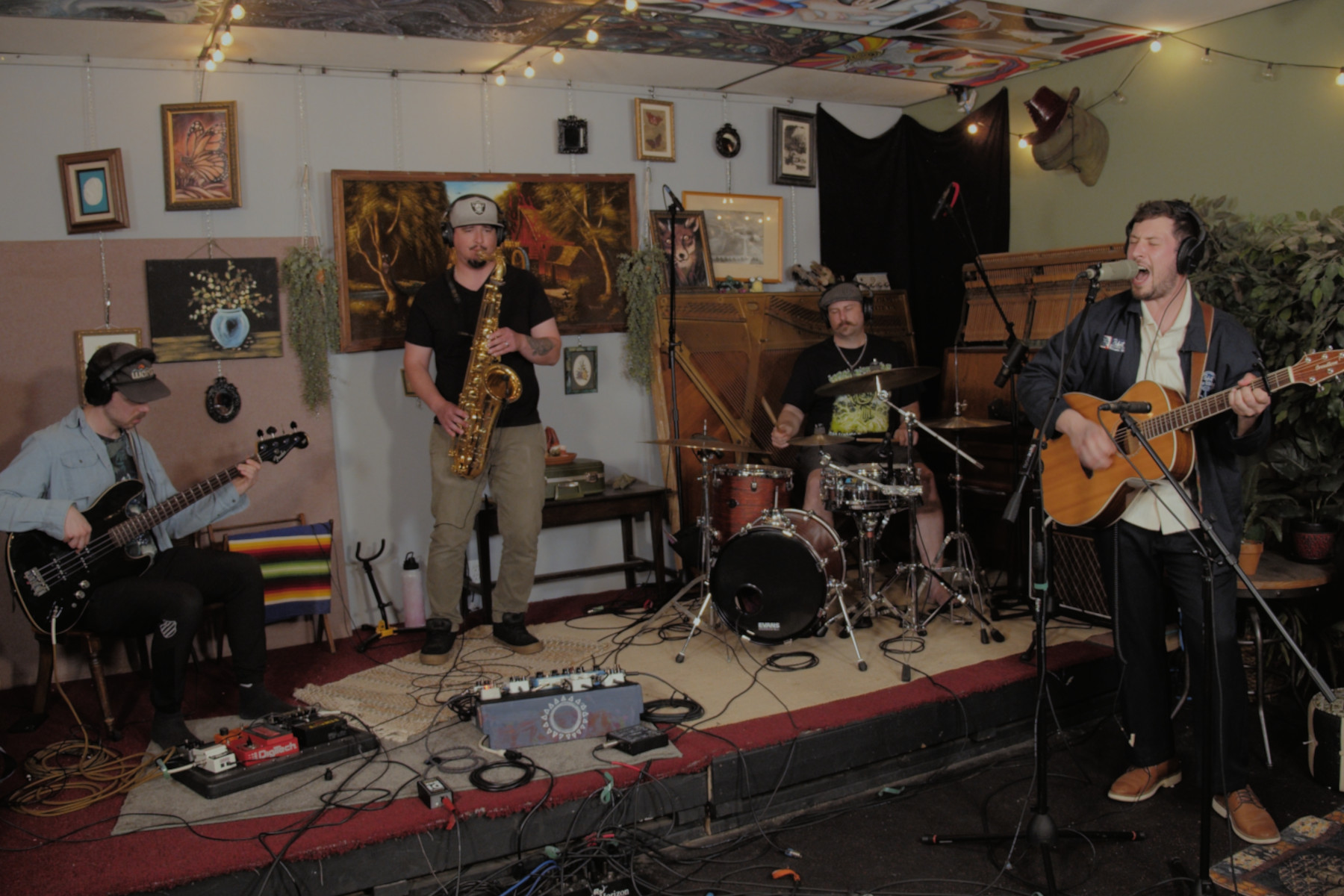
GW: Is the project separate from your music, or an extension of it?
ID: "Definitely an extension."
In fact, many people know him through Cedars before they know him through his music.
ID: "That's partly by design. I am excited to get music out there now that the project is becoming established and I can shift focus."
Building that space has come with challenges he never anticipated.
ID: "Most community spaces have funding and hire contractors to build the infrastructure and then another group to run the facility. I have had to do all of them."
The project has required him to become builder, organizer, fundraiser, artist, and caretaker all at once.
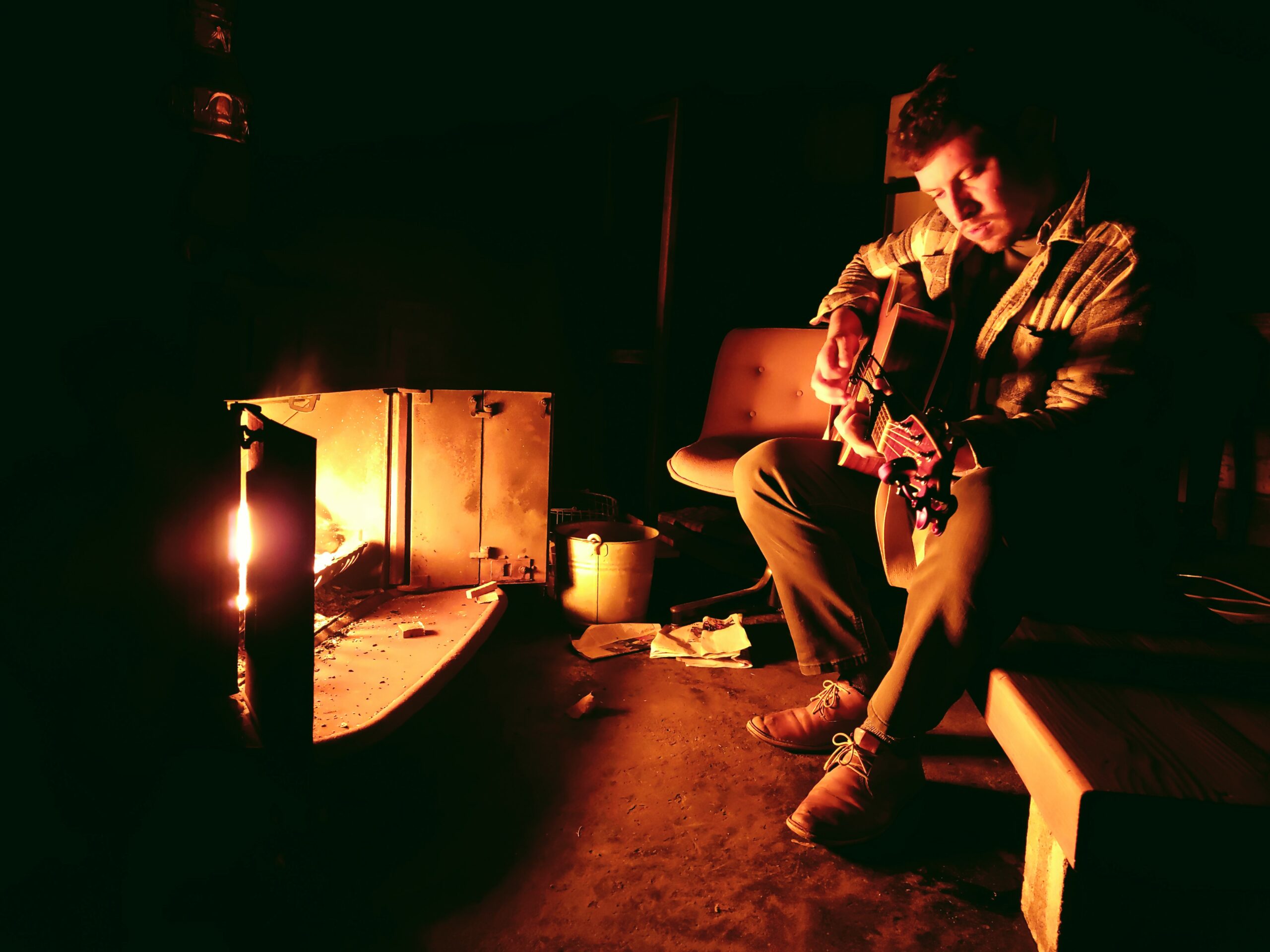
GW: What does success look like for you?
He answered in two parts.
ID: "On a personal level, it's already a success because it's forced me to become a better version of myself. Even if the project were to have to close its doors I will always have the lessons I learned along the way that nobody can take from me."
Then he turned toward the broader community.
ID: "For my community, I think success looks like people coming together and celebrating one another's individual uniqueness in a collaborative way."
His answer felt connected to the same thing I had heard in the music that morning.
By then our conversation had moved from songs and place toward something broader: how a person chooses to live.
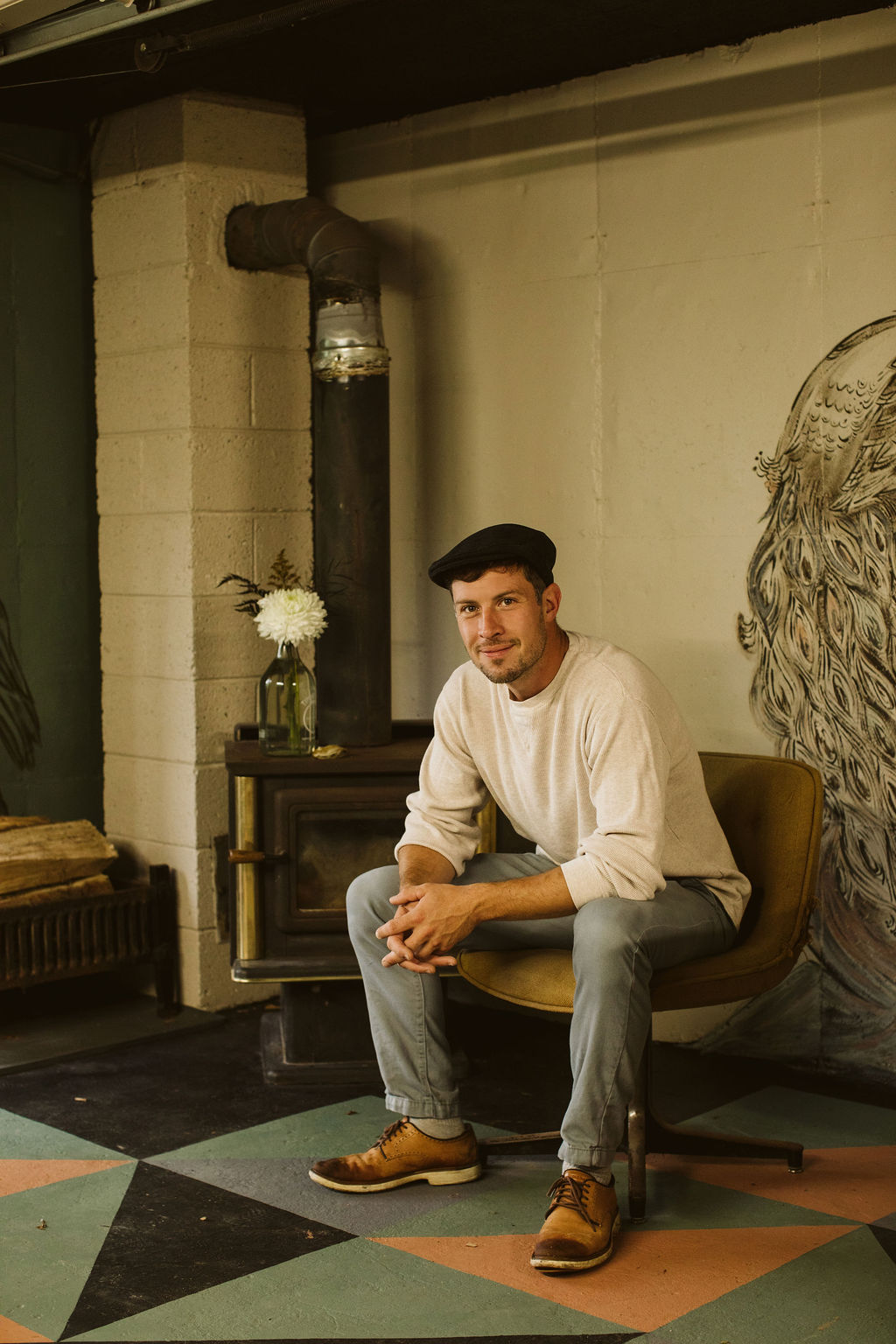
GW: What conversation feels most present in your life right now?
ID: "When things aren't going my way it is easy to want to blame outside forces. Right now taking radical accountability seems to be the main conversation."
That same idea runs through both his music and his community work. Neither avoids reality. Both begin by engaging with it.
When he talks about music, there is often a tension between privacy and expression.
ID: "I am actually a pretty reserved person and I don't talk much in groups. I like to keep my personal stuff to myself. However, with music I have to share what is really going on inside."
It gave language to something I had felt that morning but couldn't yet explain.
Before we finished, I asked what he hopes people understand if they only ever encounter him through his music and the spaces he helps create.
GW: What do you hope people understand about you through your music and your work?
ID: "I love humanity and I really hope my soul is eternal because I don't ever want this to end."
It brought me back to Brooklyn, looking up without quite knowing why.
About Isiah Driessen
Isiah Driessen is a Wisconsin-based folk artist performing as Isiah & The New People. His music combines intuitive guitar work, emotionally driven songwriting, and a creative process that often begins with sound long before lyrics arrive.
His 2026 album, Birds, draws from personal experience, movement, and observation, continuing a body of work shaped by curiosity, transformation, and a willingness to follow songs wherever they lead. Travel and changing environments often shape the conditions from which new songs emerge.
Driessen has performed at Mile of Music Festival and has been featured by outlets including A&R Factory, Wisconsin Music Ventures, and Buzz Slayers. He is also the founder of The Cedars Project, a community arts and music space in Little Chute, Wisconsin, dedicated to fostering creative connection, collaboration, and cultural engagement.
Listen
Birds (2026):
Watch
Learn More
https://isiahandthenewpeople.com
https://thecedarsproject.com