Article Contributed by Gabriel David Barkin
Published on 2026-09-18
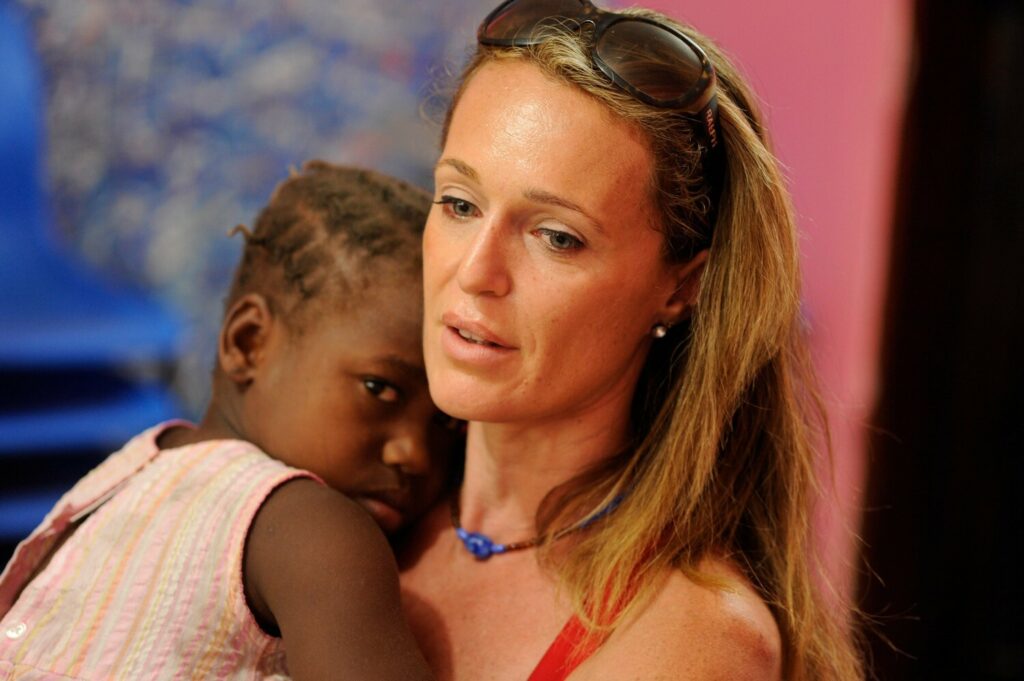
Sara Wasserman - photo: Courtesy of Liam Storrings
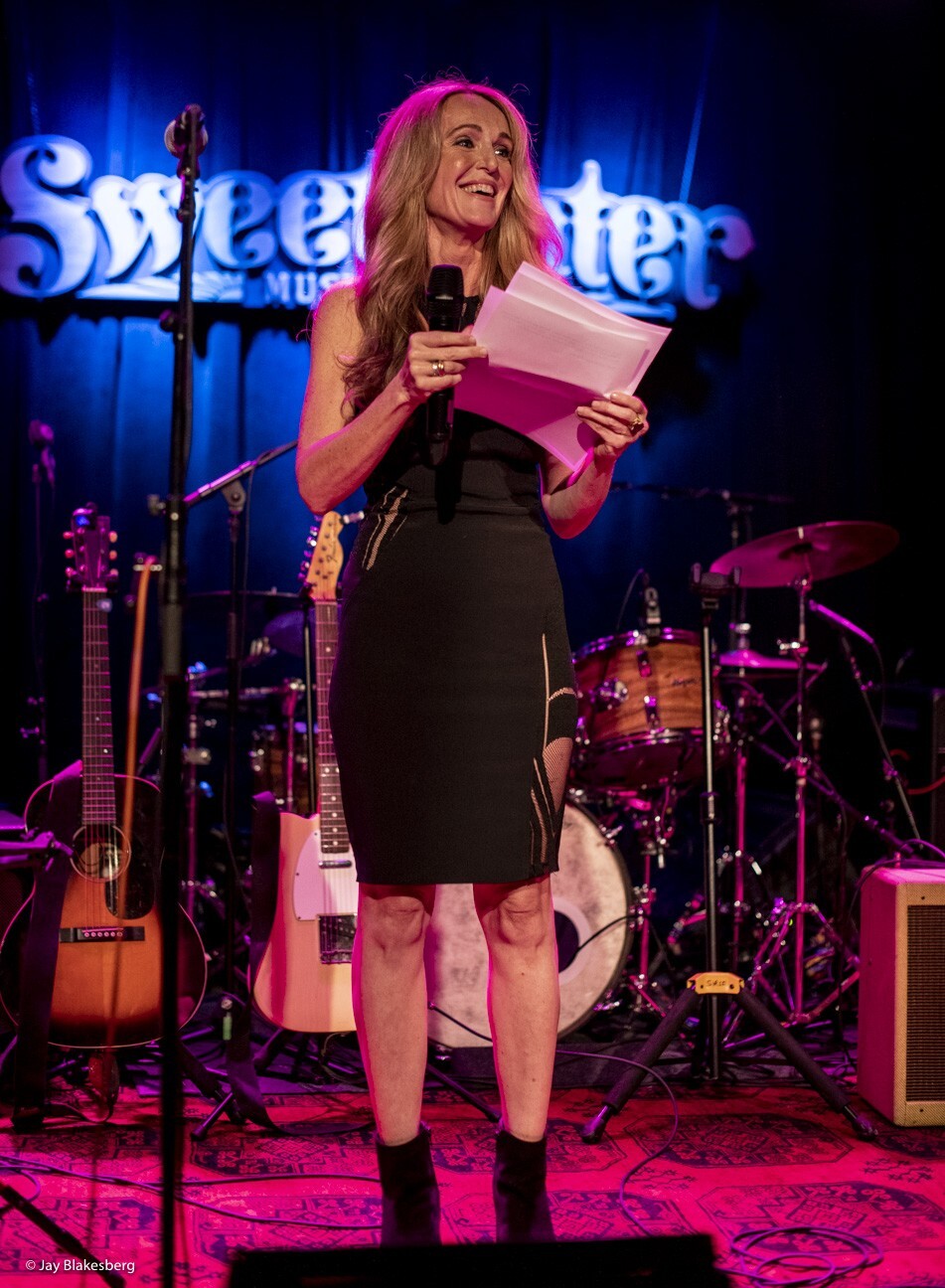
Music Heals International (MHI) and Hardly Strictly Bluegrass will cohost a benefit concert at the venerable Sweetwater Music Hall in Mill Valley, CA, on Monday, September 28. Lukas Nelson will headline the sold-out fundraiser, with guest musicians including Grahame Lesh (Grahame Lesh & Friends; Midnight North), Dan “Lebo” Lebowitz (ALO), John Molo (Phil Lesh & Friends), Paul Beaubrun (Arcade Fire) and more.
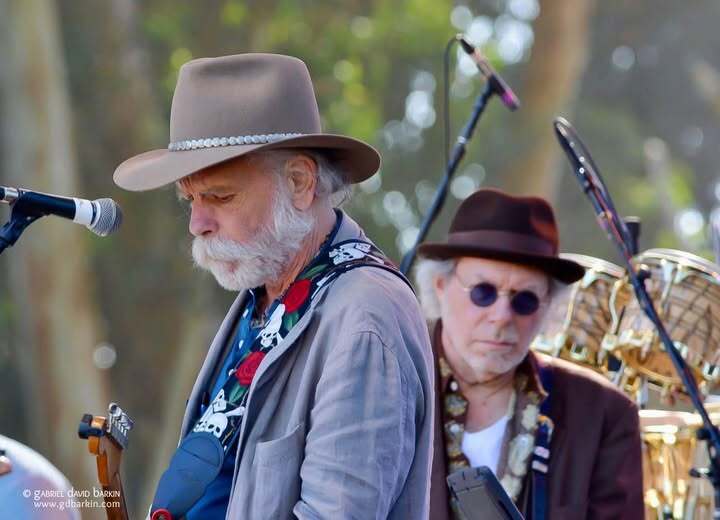
This intimate evening will posthumously honor Bobby Weir of the Grateful Dead with the presentation of the second Rob Wasserman Memorial Ambassador Award in recognition of Weir’s dedication to music and philanthropy. Proceeds from the ticket sales will benefit Sweet Relief and Furthur Foundation.
MHI was founded by Sara Wasserman in 2013. The organization, based in Mill Valley, grew out of her work in Haiti's Delmas 32 community following the devastating 2010 earthquake. Today, MHI provides free music education to children in Haiti, India, and Venezuela who have been impacted by poverty, natural disaster, and disability.
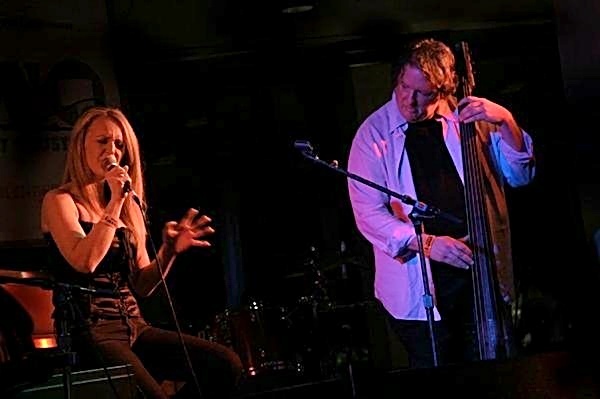
In advance of the Sweetwater benefit, Wasserman met with me over Zoom this week to talk about the founding, mission, and growth of MHI. We also discussed the award, named for Wasserman’s father Rob, being given this year to honor Weir. (Rob Wasserman, Weir’s RatDog co-founder and bandmate, died in 2016.)
The following conversation has been edited for clarity and brevity.
I introduced myself to Sara over Zoom with a memory of seeing Wasserman sing her original song “In Hindsight” on stage in 1997. She was accompanied for that appearance (which was in the middle of a RatDog set at the Furthur Festival) by her father playing bass.
GDB: I think you were about ten years old when I saw your world premiere at Shoreline in 1997.
SW: No way, you were there?
Wasserman recalled that both Bonnie Raitt and percussionist Giovanni Hidalgo sat in with RatDog that day. Next, we pivoted to discussing the upcoming MHI benefit.
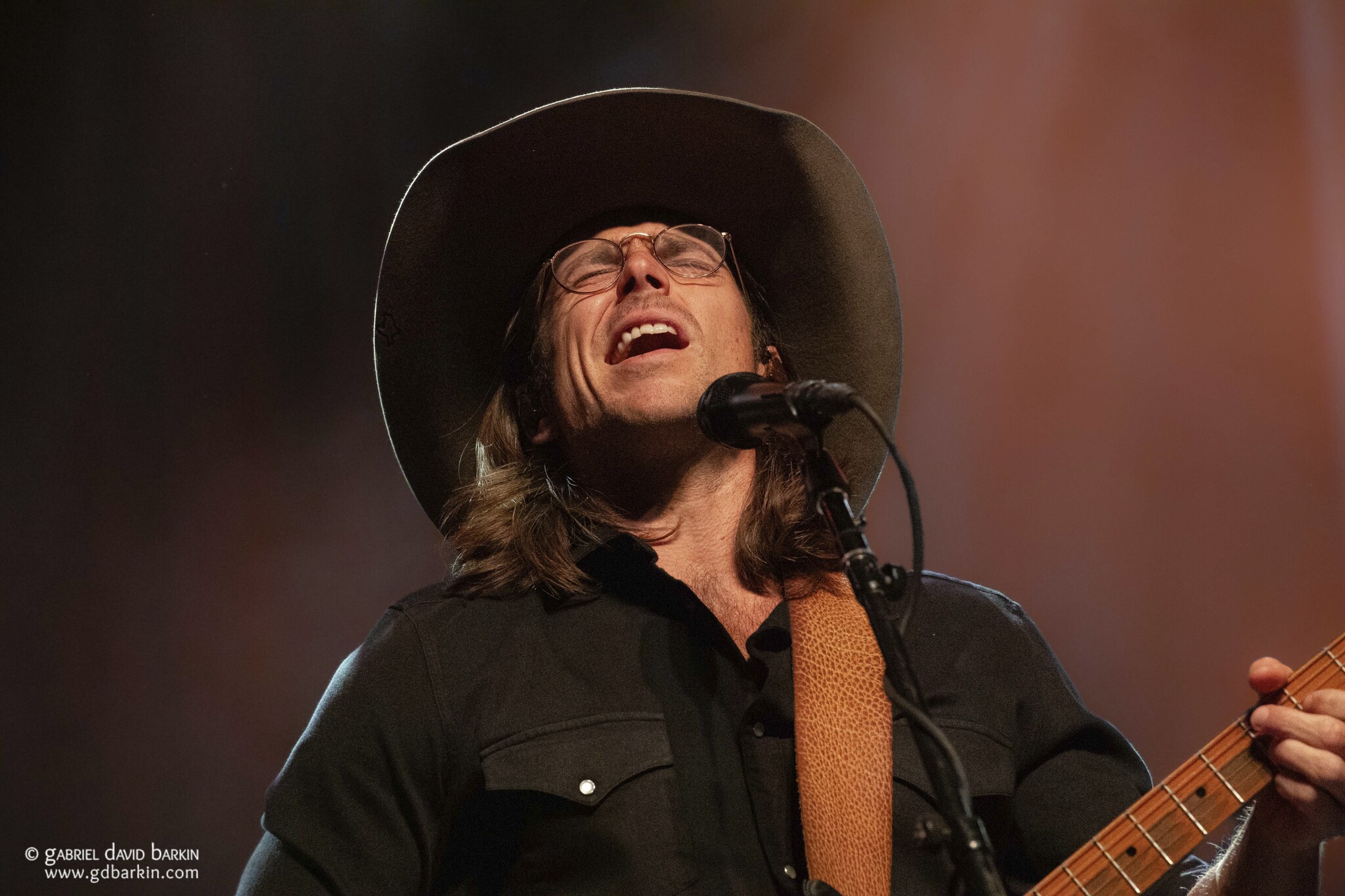
SW: This is going to be a stripped-down, really intimate night with Lukas. And of course, we’re honoring Bobby. This is a big deal — the award has only been given once before, to Lukas, and it carries my dad’s name. So there’s a lot of personal history wrapped up in this one.
This benefit is especially important for us this year — being able to give this award to Bobby and celebrate his philanthropic work, because that was such a huge part of who he was. He did so much for us over the years.
GDB: I think it's sold out, right?
SW: Sold out in ten hours!
GDB: Fabulous! Do you have any specific targets for the proceeds? Does it just go into your general fund? What's on the high priority list for Music Heals right now?
SW: We’re giving a portion of the ticket sales to Furthur Foundation [established by Bobby Weir to support grassroots environmental and social change], and a portion to Sweet Relief, since this is a Hardly Strictly Bluegrass “Out of the Park” show. It’s exciting to be aligned with them.
The MHI proceeds go to our programs in Haiti, India, and Venezuela. Right now we’re in a growth phase — we’re working with more than 500 students a year across all three countries. It’s a large undertaking, and we have incredible partners. Right now the goal is to keep growing and keep going, which we’ve been able to do throughout everything happening in these countries — the political instability included. We’ve kept moving. We hold regular concerts, and our programs have basically been the safe space these kids have after school. Continuing this work, and the effort it takes every year to raise the funds for it, comes largely from events like this one.
GDB: And of course, we're lucky to live in an area here in Marin County where we have people who have both the passion for music in general and the interest in spreading that ethos throughout the world.
SW: Exactly.
I don’t know if you know the history of how we started — it actually ties in with the Sweetwater. It’ll be 15 years ago this January 26th. RatDog, my dad and Bobby, were opening the new Sweetwater [the club had relocated a few blocks from its original site in Mill Valley that year]. In the back of the club was Sean Penn, who I’d known for a number of years — he was on his way to Haiti the next day. So that’s kind of how we started. We had a long conversation that night about his work there. He had just started J/P HRO, which is now CORE, and which has been our longtime partner in Haiti ever since.
Penn founded the J/P Haitian Relief Organization (J/P HRO) in January 2010 immediately following a catastrophic earthquake in Haiti. In January 2019, the organization officially rebranded to CORE (Community Organized Relief Effort) to reflect an expanded global mission.
SW: After that conversation, I was really inspired to go to Haiti. I had no history with the country — it wasn’t even on my bucket list. I decided I wanted to invite a musician to come with me, and that ended up being Lukas Nelson. Lukas and I went to Haiti in 2012 for ten days, and that trip completely changed both of our lives. After that, I started MHI.
So it ties back into the award. Last year we gave the first Rob Wasserman Memorial Ambassador Award to Lukas, in Nashville. This year we’re giving it to Bobby, because for over a decade, since the very beginning, he showed up every year for us. Bobby and Lukas both — they’d do these events together.
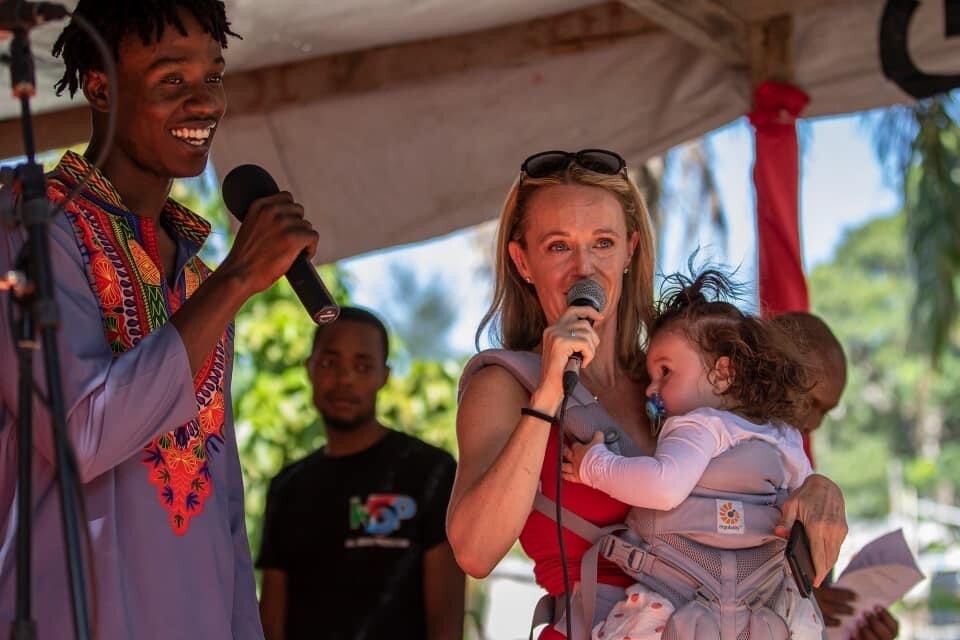
GDB: Let’s talk for a bit about the work MHI does. Since your first visit to Haiti 15 years ago, I'm guessing you've been able to watch some of these kids who went to the program turn into real success stories.
SW: There are a number of students who started with us from the very beginning, when they were six years old. They didn’t play any instrument. They were living in a community called Delmas 32, one of the hardest-hit communities after the earthquake. I’m sure you know, from seeing pictures, what Haiti looks like — what Port-au-Prince looks like.
We started with 60 kids, and a handful of those students are still with us — now they’re teachers. I’ll give you one quick success story: one student, Dalio, started with us when he was six. I think he’s 19 now. He didn’t play an instrument, he was very shy, and he’d get into trouble after school. We even interviewed his father about the challenges he was facing. He started playing guitar in our program, and now he’s leading his own classes. He’s a teacher, earning a salary on our teaching team in Haiti. He just led a summer camp on the northern side of Haiti with Paul Beaubrun, who’s on our board, who’s a member of Arcade Fire, and who’s basically one of Dalio’s heroes.
So that brings everything full circle. He’s just an amazing kid.
There are so many success stories among these students. One of my big visions early on was building a full-circle infrastructure for this program — training students to become mentors and teachers themselves. Eventually, they’re able to earn an income and lead their own classes.
GDB: So you’re really giving them a huge opportunity, a life, and in a way that is self-sustaining. Full circle, as you say.
When did you branch out into Venezuela and India? And what gave you the confidence, both with funding and with experience, that you could go even further with this?
SW: We started in India in 2020, right before COVID. We were introduced through our partner CORE to another organization there. Our confidence grew out of the results of the Haiti program — we knew we could replicate it, and that was always the goal: to replicate this program in other countries.
We started in Venezuela four years ago, through another introduction from our partner — to an organization called Wayuu Taya Foundation, founded by Patricia Velasquez. She’s a Venezuelan actress and supermodel, and she does incredible work.
Wasserman recalled that Venezuela was struck by massive earthquakes in June this year. Death and injury were widespread, and in the state of La Guaira reports indicate as many as 80% of buildings experienced at least partial collapse.
After the earthquake, MHI was able to support the students there. I was just on a Zoom call watching their end-of-session concert, and the growth they’ve made in such a short time is amazing. We’ve been really grateful.
For me, it comes down to having a good partner in these countries — one we trust and know we can work with. It’s a lot harder to go into these countries without a partner on the ground. A big reason for our success is that our implementation team is in-country.
GDB: I suppose for the people who are involved locally, and especially for the kids and the teachers, they feel more control, they feel more like it's not just “the Americans” coming in and doing stuff.
SW: I remember — because I spent five years on the ground in Haiti when we first started — everyone would ask, Don't you feel uncomfortable? But I never felt that. I mean, clearly I was a fish out of water, but it's such an incredible country. People don't see the positives about it, but I'd say Haiti is the most resilient part of the world. They've been through so much, yet they're smiling, they're happy. There's so much we can learn from what they've experienced, and how they do things.
So for us, we’re just trying to bring new energy — to make sure these students have experiences beyond what they face day-to-day. They have opportunities through MHI programs, and a place to go that feels like a family and a community. They can envision a life that’s different from what they see every day. I think that’s a big piece of it.
GDB: Yes, that's obviously really a wonderful aspect of what you’re doing — the idea of providing the means for people to contribute on their own to their community by becoming leaders who educate the kids of the next generation.
SW: Yes, it’s really important.
The other piece of what we do is focus on gender equality. We work with equal numbers of girls and boys. We have an all-female band that has performed all over Port-au-Prince, including at the Jazz Festival there — they just celebrated their five-year anniversary. We also have a program for special-needs students. We’re really trying to cover as many bases as we can for the kids who are most marginalized in this country and who aren’t given the same attention.
GDB: And all around the world, those are the marginalized people, right? So that is important.
Is there any current thought about going anywhere else? You've got three countries, three programs now. Do you have any future plans to expand the footprint?
SW: Right now we’re in an expansion phase. We just expanded into southern Haiti, outside of Port-au-Prince, and we did a summer camp with KANPE. So we’re growing beyond our usual footprint in Haiti.
The KANPE Foundation was cofounded by Régine Chassagne, also a founder of indie rock band Arcade Fire, to help vulnerable, rural Haitian families break the cycle of poverty.
We do things sustainably — growing too quickly has never been something I’ve wanted. I’d rather make sure our existing programs are strong and that we can maintain the work we’re already doing. But growth is always on the table. We’d only want to do it in partnership with another organization on the ground. There are so many countries, so many parts of the world I’d love to work in — it just needs to happen at the right time.
GDB: One last question for you, about your music career. You put out an album, Solid Ground, in 2009. Are you still recording or performing, or is that part of your life all in the past?
SW: Honestly, I didn’t plan on starting a nonprofit, but it happened, and I’ve worked hard to make sure MHI keeps growing. We have a great team.
But no, I haven’t performed or written music in a while. A lot of that is because music was part of my childhood — that’s how I grew up, with my dad on the road with Lou Reed and Bobby and all the artists we worked with over the years. I think when my dad passed away, I was so immersed in MHI that the timing wasn’t right. And then I had my daughter, who is now 8 years old. But that’s not to say it won’t happen again. It would just have to be something I really wanted to do.
I feel sometimes like it was a different lifetime ago, you know?
GDB: Sure. Seeing that now you're doing really important work with MHI and you have so much passion about it — I'm guessing maybe a lot of the same energy you once put into writing and singing music is now directed into this other outlet, which has similar elements of love and creativity and achievement within different forms of expression.
SW: Music is always going to be a huge part of who I am. It’s in my DNA — it’s never going away. When I feel it’s the right time, I’ll know.
But right now isn’t the right time, because there’s a lot going on with MHI and I’m really focused on growth and celebration. We’re 12 years old now, which is crazy! We keep growing each year, and we’re making sure the organization stays healthy and strong.
To learn more or support these organizations, visit: